
If you’re a budget backpacker eager for adventure, DIY travel can open up a world of amazing experiences. From exploring national parks to volunteering abroad, there are countless ways to embark on unforgettable journeys without breaking the bank. Unlock Budget Travel: DIY Experiences You Can’t Miss offers great insights into making the most of your travels.
Understanding DIY Travel for Budget Backpackers
What is DIY Travel?
DIY travel, in my experience, is all about taking control of your travel plans. It means organizing your own trips instead of relying on guided tours or all-inclusive packages. This approach not only saves money but also gives you the freedom to create your own itinerary. I remember when I first ventured into DIY travel; it felt empowering to research locations, plan routes, and discover hidden gems on my own terms. The thrill of the unknown became an integral part of my adventures.
Benefits of DIY Travel for Backpackers
One of the greatest benefits of DIY travel is the ability to stretch your budget further. By planning your own trips, you can choose to stay in affordable accommodations, eat where the locals eat, and engage in activities that are often overlooked by typical tourist packages. I’ve found that this method allows for a more authentic experience, where I can immerse myself in the culture and interact with locals. It’s also a fantastic way to meet fellow travelers who share similar interests and passions.
Another advantage is the flexibility that comes with DIY travel. Instead of adhering to a strict schedule dictated by a tour company, I could change my plans on a whim. This freedom led me to unexpected adventures, whether it was discovering a secluded beach or stumbling upon a local festival. For anyone looking to embrace spontaneity, I can’t recommend DIY travel enough.
Budgeting for DIY Travel Experiences
Budgeting is a crucial aspect of DIY travel that can make or break your experience. When I started planning my trips, I realized that breaking down costs into categories helped me stay on track. Here’s a breakdown of how I approach budgeting:
- Transportation: I often use buses or trains for intercity travel, as they are usually more affordable. I recommend checking out budget airlines for longer distances, as they can offer great deals if booked in advance.
- Accommodation: Hostels and guesthouses are my go-to options for saving money. Sites like Hostelworld and Airbnb have been invaluable in finding budget-friendly places to stay.
- Food: I love exploring local markets and street food. Not only is it cheaper, but it’s also where you find the most delicious and authentic meals. I remember trying a local specialty in Vietnam that was not only inexpensive but also one of the best meals I’ve ever had.
- Activities: Researching free or low-cost activities is essential. Many cities offer free walking tours, and museums often have discounted entry days. I’ve spent hours just wandering around new places and absorbing the sights.
Setting a daily budget has worked wonders for me. By keeping track of my expenses, I can adjust my plans as needed without feeling guilty about overspending. It’s a balancing act, but with some careful planning, you can make your budget stretch while still enjoying all that DIY travel has to offer. Explore the World: Best Cheap Travel Packages This Year can provide further tips on affordable travel options.
Top 10 Amazing DIY Travel Experiences
Top 10 Amazing DIY Travel Experiences
1. Exploring National Parks
One of my absolute favorite ways to experience nature is by exploring national parks. There’s something incredibly special about immersing yourself in the great outdoors, breathing in the fresh air, and taking in breathtaking landscapes. Every park has its unique charm, and I’ve found that each visit leaves me with unforgettable memories.
Best National Parks for Backpackers
Some of the best national parks for backpackers include Yosemite in California, which is famous for its stunning granite cliffs and waterfalls. I remember standing at the edge of Glacier Point, looking out over the valley, feeling like I was on top of the world. Another gem is Zion National Park in Utah, where the vibrant red rock formations are unlike anything I’ve seen before. For those on the East Coast, Acadia National Park in Maine offers gorgeous coastal views and fantastic hiking trails. Each park has its own vibe, and I highly recommend visiting a mix of them to experience the diversity of our natural landscapes.
Budget Tips for Visiting National Parks
To keep costs low at national parks, I always look for ways to save on entrance fees. Many parks offer free admission on certain days, which can be a great way to explore without spending a dime. I also prefer to camp within the parks rather than staying in hotels; this not only saves money but also brings me closer to nature. Bringing my own food for picnics and cooking at campsites has helped me save a lot too. Plus, there’s nothing quite like enjoying a meal under the stars after a day of hiking!
2. Camping Under the Stars
Camping under the stars is one of those experiences that feels magical. I love the sense of freedom it brings, and there’s something so calming about sleeping outdoors. It allows me to disconnect from the hustle and bustle of daily life and reconnect with nature.
Best Camping Spots
Some of my favorite camping spots include Joshua Tree National Park in California, where the desert landscape creates an otherworldly atmosphere, and the Great Smoky Mountains in Tennessee, which offer lush forests and beautiful mountain views. I also discovered a lovely little campground in the Canadian Rockies that had stunning views of the mountains reflecting in a pristine lake. Each site has its own unique character, and I’ve enjoyed making new friends around the campfire.
Essential Camping Gear for Backpackers
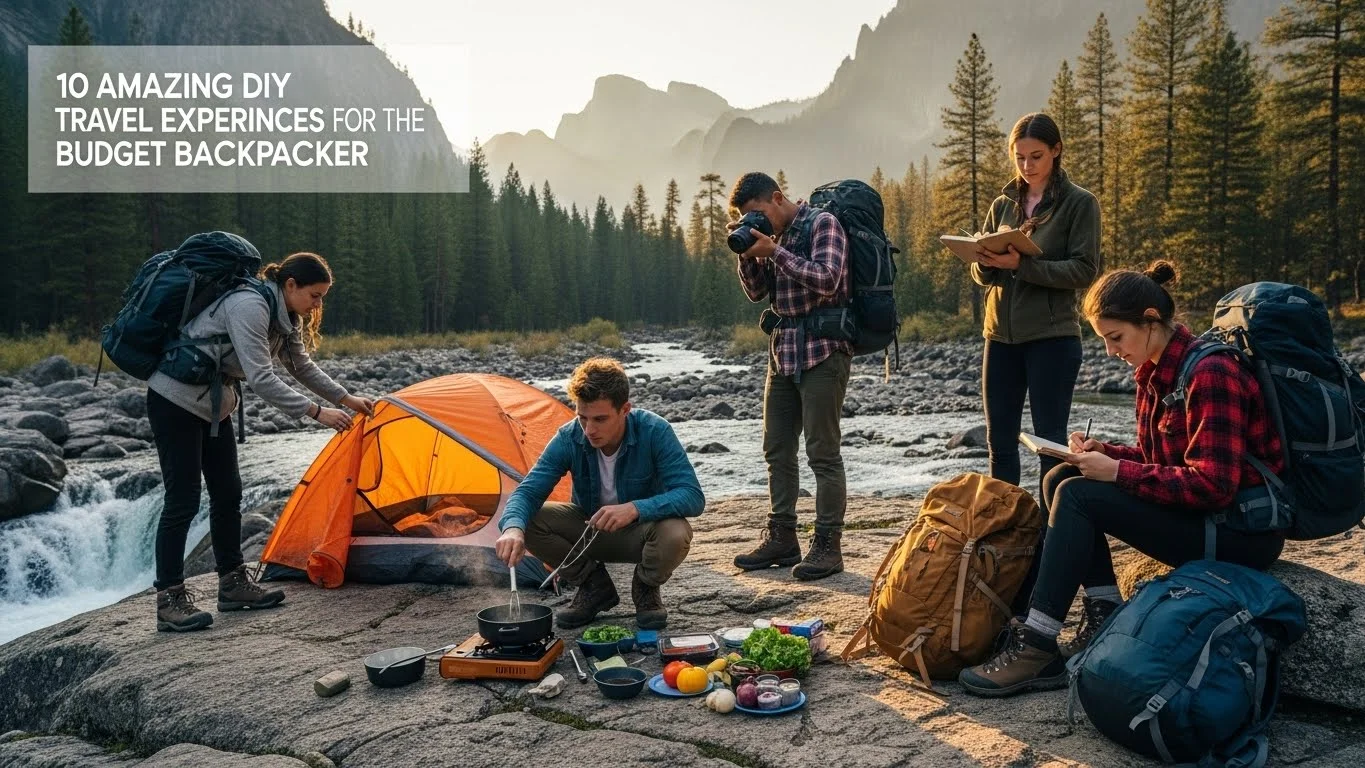
When it comes to camping gear, I’ve learned that less is often more. I always pack a lightweight tent, a warm sleeping bag, and a portable stove for cooking. It’s also essential to have a good cooler for food and plenty of water. I remember the first time I went camping, I overpacked and ended up struggling to carry my backpack! Now, I stick to the essentials and focus on enjoying the experience.
3. Volunteering Abroad
Volunteering abroad is an incredible way to give back while experiencing a new culture. My first experience volunteering was in a small village in Central America, where I helped teach English to local children. It was one of the most rewarding experiences of my life, and I felt like I was making a real difference.
Popular Volunteer Programs
There are countless volunteer programs available, ranging from teaching and conservation projects to community development. I’ve had friends work with animal rescue organizations in Thailand, while others have helped with agricultural projects in Africa. Researching and finding a program that aligns with your interests can lead to truly enriching experiences. I recommend checking sites like Workaway and HelpX for opportunities that often provide free room and board in exchange for your help.
Cost-Effective Ways to Volunteer
While some volunteer programs can be costly, I’ve found that many local organizations are looking for volunteers and don’t charge fees. In my experience, reaching out directly to NGOs and community groups can sometimes lead to free or inexpensive opportunities. Additionally, choosing to volunteer with organizations that offer room and board can significantly reduce your travel expenses.
4. Couchsurfing and Home Stays
Couchsurfing has been a game-changer for me when it comes to meeting locals and saving money on accommodation. It’s a unique way to immerse yourself in a new culture and make friends from around the world.
How to Find Hosts
Finding hosts on Couchsurfing is fairly straightforward. I usually create a well-thought-out profile that highlights my interests and experiences. When I send requests, I always personalize them by mentioning something specific about the host’s profile, which makes it more likely for them to accept my request. It’s all about building that connection, and I’ve had some fantastic experiences staying with hosts who went out of their way to show me around their city.
Safety Tips for Couchsurfing
Safety is crucial when it comes to Couchsurfing. I always read reviews from previous guests to gauge a host’s reliability and character. If something feels off, I trust my instincts and look for alternative options. Additionally, keeping friends updated on my travel plans and sharing my location with someone I trust has always made me feel more secure while staying with strangers.
Frequently Asked Questions
“`htmlWhat is DIY travel?
DIY travel is about taking control of your travel plans by organizing your own trips instead of relying on guided tours or all-inclusive packages. This approach saves money and allows for a personalized itinerary.
What are the benefits of DIY travel for backpackers?
DIY travel enables backpackers to stretch their budgets further by choosing affordable accommodations and local dining options. It also provides the flexibility to change plans spontaneously and leads to more authentic cultural experiences.
How can I budget for DIY travel experiences?
Budgeting for DIY travel involves breaking down costs into categories such as transportation, accommodation, food, and activities. Setting a daily budget and tracking expenses can help manage finances effectively while traveling.
What transportation options are recommended for budget backpackers?
For budget backpackers, using buses or trains for intercity travel is often more affordable. Budget airlines can also provide great deals for longer distances if booked in advance.
What types of accommodations are best for budget travelers?
Hostels and guesthouses are ideal for budget travelers. Websites like Hostelworld and Airbnb can help find budget-friendly places to stay.
What are some top national parks for backpackers?
Some of the best national parks for backpackers include Yosemite in California, Zion National Park in Utah, and Acadia National Park in Maine, each offering unique landscapes and experiences.
How can I save on entrance fees at national parks?
Many national parks offer free admission on certain days, and camping within the parks can also lower costs. Bringing food for picnics and cooking at campsites helps save money as well.
What essential gear should I pack for camping?
Essential camping gear includes a lightweight tent, a warm sleeping bag, a portable stove, a cooler for food, and plenty of water. Packing light and focusing on essentials can enhance the camping experience.
How can I find volunteering opportunities abroad?
Volunteering opportunities can be found through programs like Workaway and HelpX, or by directly reaching out to local NGOs and community groups that often look for volunteers without charging fees.
What safety tips should I follow when Couchsurfing?
When Couchsurfing, it’s important to read reviews from previous guests and trust your instincts if something feels off. Keeping friends updated on travel plans and sharing your location can enhance safety while staying with hosts.
“`Read Interesting article: Affordable Luxury Safari Stays: A Budget Traveler’s Guide