If you’re hoping to see your aloe vera bloom, understanding its blooming needs is key. While some varieties flower more easily than others, providing the right care can encourage even novice growers to enjoy those striking flower stalks.
This guide offers practical advice on what conditions promote flowering, from lighting and watering to soil choice. You’ll also learn how environmental factors influence bloom time and how to support your aloe’s health for beautiful, consistent flowers.
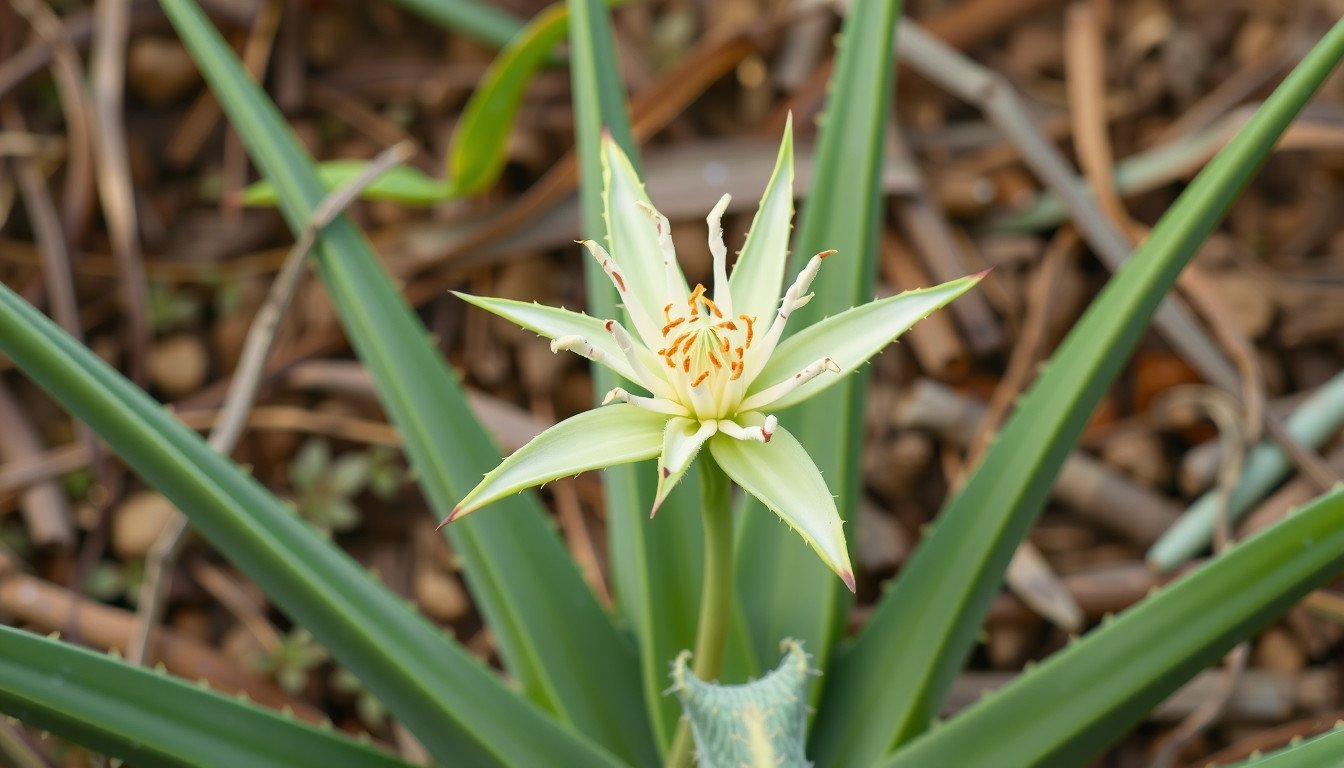
Understanding Aloe Vera’s Natural Flowering Cycle
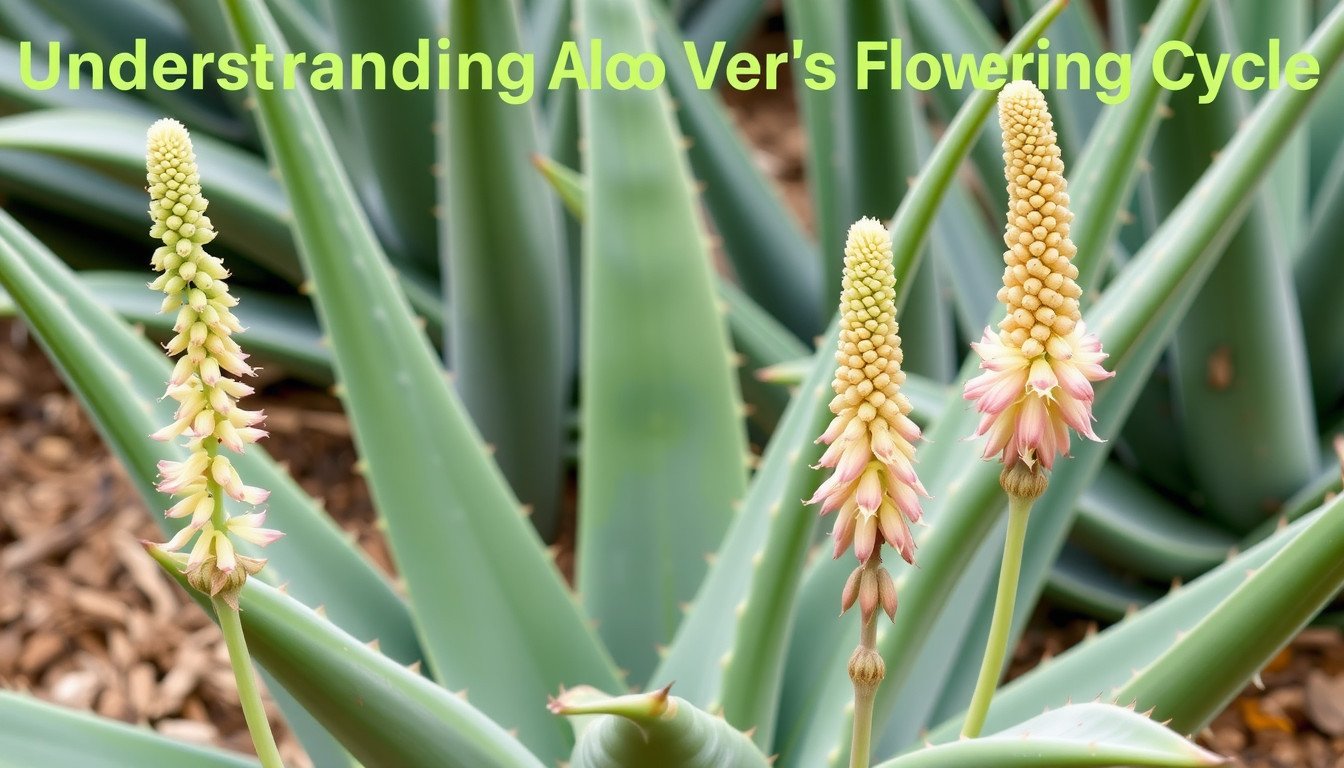
Aloe vera flowers typically appear when the plant reaches a certain level of maturity and environmental conditions align. Recognizing these triggers helps you support your plant’s natural blooming process and increases the likelihood of seeing flowers.
Age and Maturity Requirements
Most aloe vera plants need to be between 3 and 4 years old before they are capable of flowering. Younger plants generally focus on growing leaves and establishing roots. For example, if your aloe is only a year or two old, it’s unlikely to bloom regardless of care. It’s a good idea to track the age of your plant or estimate its maturity based on size and growth stage.
Seasonal and Environmental Influences
Environmental factors, such as light, temperature, and watering routines, heavily influence flowering. Aloes tend to bloom in response to seasonal changes; many varieties flower in late winter or early spring, especially after a period of cooler temperatures and increased daylight. For instance, if you live in a warm climate with mild winters, your aloe may bloom more readily during winter months. Conversely, extreme heat or inconsistent watering can stress the plant and hinder flowering.
Varietal Differences
Not all aloe vera varieties flower easily. For example, the common Aloe barbadensis is generally more likely to bloom with proper care, whereas some hybrids or less common types may require additional attention or specific conditions. Understanding your particular variety’s tendencies can help set realistic expectations and tailor your care routine accordingly.
In summary, ensuring your aloe is at the right age, providing seasonal cues, and knowing the specific variety can greatly improve your chances of encouraging a beautiful bloom. Paying attention to these factors offers a clear path toward supporting your aloe’s natural flowering cycle.
Creating Optimal Conditions for Aloe Vera Flowering
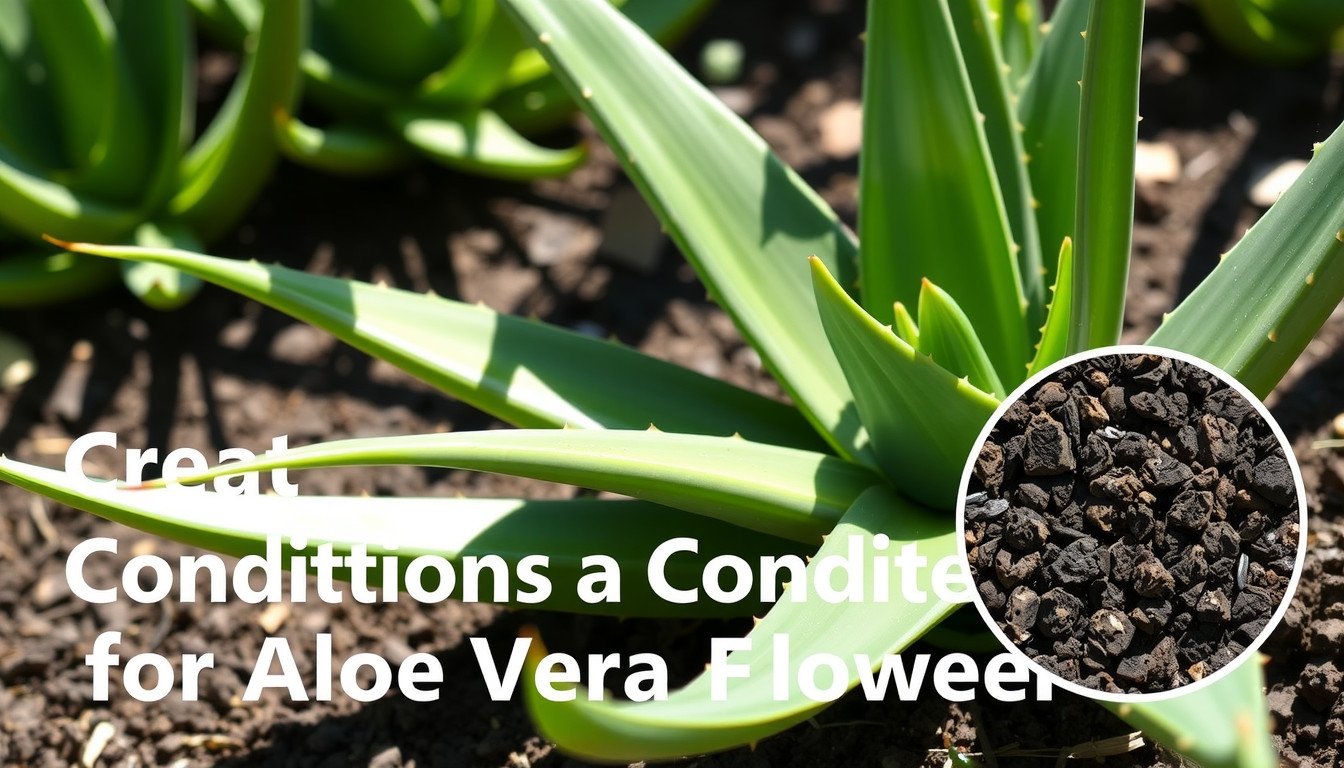
To encourage your aloe vera plant to bloom, it’s essential to provide the right environmental conditions. These factors influence the plant’s ability to transition from vegetative growth to flowering phase. Here’s a practical guide to optimizing lighting, temperature, watering, and soil conditions for flowering.
Lighting and Sun Exposure
Aloe vera plants need bright, indirect sunlight to thrive and bloom. Aim for at least 6 hours of sunlight daily. A good example is positioning your plant near an south-facing window where it receives consistent light without excessive direct sun that can scorch leaves. If growing outdoors, choose a location with filtered sunlight or partial shade, especially in hot climates.
Temperature and Climate Control
Aloe vera prefers warm temperatures between 59°F and 77°F (15°C-25°C). It’s crucial to protect your plant from frost, which can prevent flowering or cause damage. In cooler months, consider bringing your aloe indoors or providing a frost cover if outdoors. For instance, if you live in an area with cold winters, maintaining a stable temperature indoors can give your aloe the best chance to bloom.
Watering and Soil Conditions
Use well-draining soil, such as cactus or succulent mix, to prevent waterlogging. Moderate watering is sufficient—water deeply but infrequently, letting the soil dry out completely between waterings. Overwatering can cause root rot and inhibit flowering. For example, during the growing season, watering once every 2-3 weeks is typically enough, adjusting based on your environment.
In summary, combining bright but indirect light, warm temperatures, and proper watering in well-draining soil sets the stage for your aloe vera to produce its beautiful flowers. Regularly monitoring these conditions helps you identify any adjustments needed to support flowering.
Supporting Aloe Vera Maturity and Growth to Stimulate Blooming
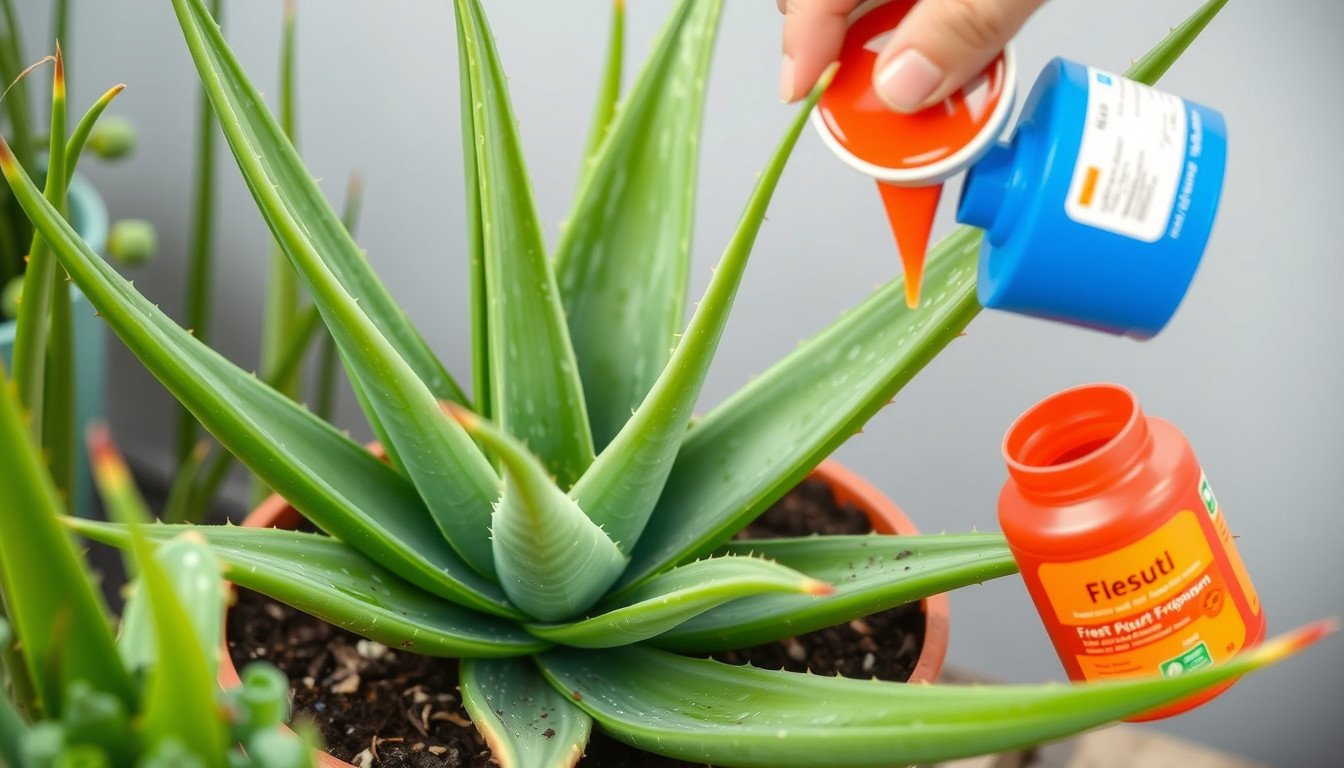
Ensuring your aloe vera reaches flowering age and maintains good health is essential for encouraging blooms. Focused care practices can help your plant develop the maturity needed to produce vibrant flowers.
Proper Potting and Soil Nutrition
Choose a well-draining potting mix, such as cactus or sandy soil, to prevent water retention around the roots. Repot your aloe every 2 to 3 years into a slightly larger pot to accommodate growth and prevent overcrowding. For example, if your plant’s roots are crowded or water drains too slowly, it’s time to upgrade to a larger container.
Fertilization Strategies
Apply a balanced fertilizer during active growing months—spring and summer—using a formulation suited for succulents. A typical recommendation is a diluted 10-10-10 fertilizer, applied once a month. Avoid overfeeding, as excess nutrients can hinder flowering or cause weak growth.
Managing Growth and Pruning
Prune old, damaged, or excessively crowded leaves to promote new, healthy growth. Use clean, sharp scissors or pruning shears, cutting just above a leaf node. This encourages a robust structure that can support flowering stems. For instance, removing tired-looking leaves can redirect energy toward bloom development.
Maintaining these practices helps your aloe vera mature correctly and stay healthy. Regular repotting, appropriate feeding, and strategic pruning are straightforward steps that support flowering potential. Keep an eye on plant signs and refine your care routine to create optimal conditions for your plant to bloom.
Identifying and Avoiding Common Challenges and Mistakes
Many growers face setbacks when trying to encourage their aloe vera to bloom. Understanding the typical issues can help you troubleshoot and maintain the right conditions for flowering.
Overwatering or Underwatering
Aloe vera plants are succulents, so their watering needs are specific. Overwatering can lead to root rot and damage the plant’s ability to bloom. For example, watering once every 3 weeks during the growing season is usually sufficient, allowing the soil to dry out completely between watering sessions.
Underwatering, on the other hand, causes stress and stunted growth, which can delay or prevent flowering. Consistently check the soil and ensure it feels dry a few inches below the surface before watering again.
Inadequate Lighting
Aloe vera needs plenty of bright, indirect sunlight to produce flowers. If your plant is kept in a dim spot or receives only partial light, it may never flower. Place your aloe near a south-facing window or outdoors in a shaded but well-lit area. For example, an aloe in an indoor window with at least 6 hours of direct or bright indirect light each day will have a better chance to bloom.
Incorrect Timing or Age
Young aloe plants typically don’t flower until they are at least 3 to 4 years old or have reached a mature size. If your plant is still small or young, exercise patience. A simple decision rule is: if the plant is less than 3 years old and still in its juvenile stage, it’s unlikely to bloom.
By avoiding these common mistakes—overwatering, underexposure to light, and premature flowering age—you can set your aloe vera on a healthy growth path that leads to beautiful blooms. Regular observation and adjusting care routines to meet these needs can significantly increase the chances of flowering.
Techniques to Encourage and Sustain Aloe Vera Flowering
Once your aloe vera plant is mature and growing under ideal conditions, the next step is to implement specific techniques that naturally encourage flowering. These methods involve careful adjustments to light, temperature, and seasonal cues, helping your plant transition from lush foliage to vibrant blooms.
Gradual Light Adjustment
Aloe vera plants need increased light exposure to trigger flowering. To achieve this, slowly increase the amount of direct or bright indirect sunlight your plant receives in early spring. For example, if your aloe was kept indoors away from direct sun, start by placing it outdoors for a few hours daily, gradually extending this period over several weeks. This gradual change prevents stress and mimics natural seasonal shifts which can signal the plant to bloom.
Temperature Management
Maintaining the right warmth is essential during the flowering phase. Aloe vera prefers temperatures between 70-85°F (21-29°C). During winter dormancy, keep the plant in a warm environment, avoiding cold drafts or temperatures below 50°F (10°C). If your plant is outdoors, consider moving it to a protected spot as seasons change, ensuring it stays within the optimal temperature range to promote flowering readiness.
Stress Induction and Seasonal Cues
Inducing mild stress can prompt your aloe to flower. One natural method is to slightly reduce watering during the plant’s dormant period, usually in late fall or early winter. For instance, watering just enough to prevent wilting while avoiding excess moisture mimics the seasonal dry conditions most aloe species thrive in. This seasonal cue signals the plant that it’s time to produce flowers as part of its natural reproductive cycle.
By carefully combining increased light exposure, temperature regulation, and seasonal signals, you create an environment that encourages your aloe vera to bloom. Regularly monitor your plant’s response and adjust these factors accordingly. Remember, patience and consistency are key to transforming a healthy, mature aloe into a flowering beauty.
Pruning and Maintenance Post-Bloom for Continued Health
After your aloe vera has finished flowering, proper post-bloom care helps maintain plant health and prepares it for future blooms. Thoughtful pruning and consistent maintenance support vigorous growth and prevent common issues.
Removing Seed Stalks and Old Blooms
Once flowers fade, cut back the flowering stalks close to the base. Use clean, sharp scissors or pruning shears to avoid damaging the plant. Removing these stalks discourages the plant from diverting energy into seed production and encourages new growth.
Handling Flowering Stalks
If a flower stalk is especially tall or floppy, gently support it with a stake to prevent breakage, especially in windy conditions. Do not force or tear off stalks prematurely; wait until they are fully faded and dry.
Long-term Maintenance Tips
- Watering: Reduce watering during dormancy—typically late fall to early winter. Water only enough to prevent the leaves from shriveling, usually once every 3-4 weeks. Overwatering at this stage can lead to root rot.
- Sunlight: Continue providing bright, indirect sunlight. If indoors, position your aloe near a south or west-facing window.
- Fertilization: Resume light feeding in spring with a balanced, diluted succulent fertilizer. Avoid fertilizing immediately after flowering to prevent stress.
For example, if your aloe is in a pot in a sunny room, you might cut back watering to once every 3 weeks after flowering. Meanwhile, maintain the same amount of bright light to support steady growth.
Regular inspection for pests or signs of disease is crucial. Remove any damaged or diseased leaves promptly and ensure your pot has proper drainage. Consistent care during this period boosts plant resilience and sets an optimal foundation for future flowering seasons.
Understanding Aloe Vera Flowering and Seed Production
While many see aloe vera primarily for its soothing gel, its flowers and seed production hold additional significance. Understanding whether your plant can produce seeds and the potential uses of its flowers can enhance your overall care and appreciation of this resilient succulent.
Do All Aloe Varieties Produce Seeds?
Not all aloe plants readily produce viable seeds. Many popular varieties, especially those propagated by cuttings, rarely set seed in cultivation. For example, Aloe barbadensis, the common aloe vera, seldom produces seed unless grown under specific pollination conditions. If seed production is a goal, ensure your plant is mature and exposed to pollinators like bees or hummingbirds.
Seed Collection and Propagation
If your aloe does flower and produce seed, you can carefully collect the seed pods when they turn brown and start to open. Sow these seeds in a well-draining cactus or succulent mix, keeping the soil lightly moist and providing bright, indirect light. Keep in mind that aloe seeds can take several weeks to germinate, and seedlings may take years to mature and flower.
Uses of Aloe Flowers Beyond Aesthetics
Though often appreciated for their visual appeal, aloe flowers can also be a source of bioactive compounds. Some varieties attract pollinators, supporting local ecosystems. Additionally, the nectar and flowers contain enzymes and antioxidants that have potential health benefits, though more scientific research is needed to explore these uses extensively.
In summary, while seed production is unlikely for many cultivated aloes, flowers are valuable not just for decoration but also for their ecological role and potential bioactive properties. Proper care, patience, and a bit of luck can sometimes reward you with seed pods and additional plant propagation opportunities.
Monitoring and Adjusting Care Throughout the Year
Plant care is a continuous process that shifts with the changing seasons. Regular observation and timely adjustments can help your aloe vera develop strong, healthy blooms. Keep track of your plant’s responses and modify your care routine accordingly.
Seasonal Care Adjustments
In summer, aloe vera requires more water—approximately every 2-3 weeks—especially during hot, dry spells. Use deep watering, allowing excess to drain, but avoid soggy soil. In winter, reduce watering to once a month or less, as the plant’s growth slows and it needs less moisture.
Daylight is also crucial. During shorter winter days, consider placing your aloe where it gets ample indirect sunlight or supplement with grow lights. Temperature matters too: keep indoor aloe vera between 60°F and 75°F, and avoid sudden cold drafts or frost, which can hinder blooming.
Signs of Readiness to Bloom
Early in its growth, aloe vera will send up a tall floral stalk. Look for a sturdy, upright flower spike emerging from the rosette, often starting as a small bud before opening into tubular blossoms. This indicates that the plant is mature enough and conditions are favorable for flowering.
When to Expect Flowers
Generally, aloe vera flowers appear in spring or early summer, but timing can vary based on climate and variety. For instance, in warmer zones, flowers may bloom as early as late winter, while cooler regions might see blooms in late spring. Patience is key—most plants start flowering around 3-4 years of age when they meet their environmental needs.
Regularly monitor your aloe for early signs of flowering—such as the emergence of new spike growth—and adjust watering, lighting, and temperature as needed to encourage a robust bloom cycle. Adapt your care throughout the year to maintain ideal conditions, and your plant’s flowering potential will stand the best chance of realization.
Frequently Asked Questions
How old does an aloe vera need to be before it flowers?
Aloe vera plants generally need to be between 3 and 4 years old before they are capable of flowering. Younger plants focus on leaf growth and root establishment. Tracking your plant’s age or size can help determine if it’s mature enough to bloom.
What environmental conditions promote aloe vera blooming?
Optimal blooming occurs with at least 6 hours of bright, indirect sunlight daily, warm temperatures between 59°F and 77°F, and well-draining soil. Seasonal cues like cooler temperatures and longer daylight hours also encourage flowering.
Can I force my aloe vera to flower sooner?
It’s difficult to reliably force an aloe vera to bloom early. Providing ideal conditions—proper lighting, temperature, and watering—can help, but most plants will bloom naturally once they reach maturity and environmental cues are met.
Why isn’t my aloe vera flowering despite proper care?
Possible reasons include insufficient age, inadequate light, temperature stress, or overwatering. Ensuring the plant is mature, receives enough indirect sunlight, and is kept in appropriate conditions can improve the chances of flowering.
How often do aloe vera plants flower naturally?
Under ideal conditions, aloe vera may flower once a year, typically during late winter or early spring. Some plants may not flower every year, especially if environmental cues aren’t met.
Do all aloe varieties bloom, and how do they differ?
Not all aloe varieties flower easily. The common Aloe barbadensis tends to bloom more readily, while some hybrids or less common types may have different flowering habits or require specific conditions. Research your specific variety for best care practices.
Is flowering stressful or harmful for my aloe vera?
Flowering is a natural part of the aloe’s life cycle and is generally not harmful if the plant is healthy. It can, however, use some energy from the plant, so healthy, mature plants are better equipped to bloom without stress.
Can I harvest flowers or seeds from my aloe vera plant?
Yes, you can harvest flowers once they bloom. If pollinated, some varieties can produce seeds. Collecting seeds requires patience and proper ripening of the seed pods, but it’s a viable way to propagate new plants.