
Wildlife photography can feel like a luxury pursuit, but it doesn’t have to break the bank. With a bit of creativity and resourcefulness, stunning wildlife images are within reach for everyone. Read Interesting article: Capture Nature’s Wonders: Budget Wildlife Photography Tours
Understanding Wildlife Photography
What is Wildlife Photography?
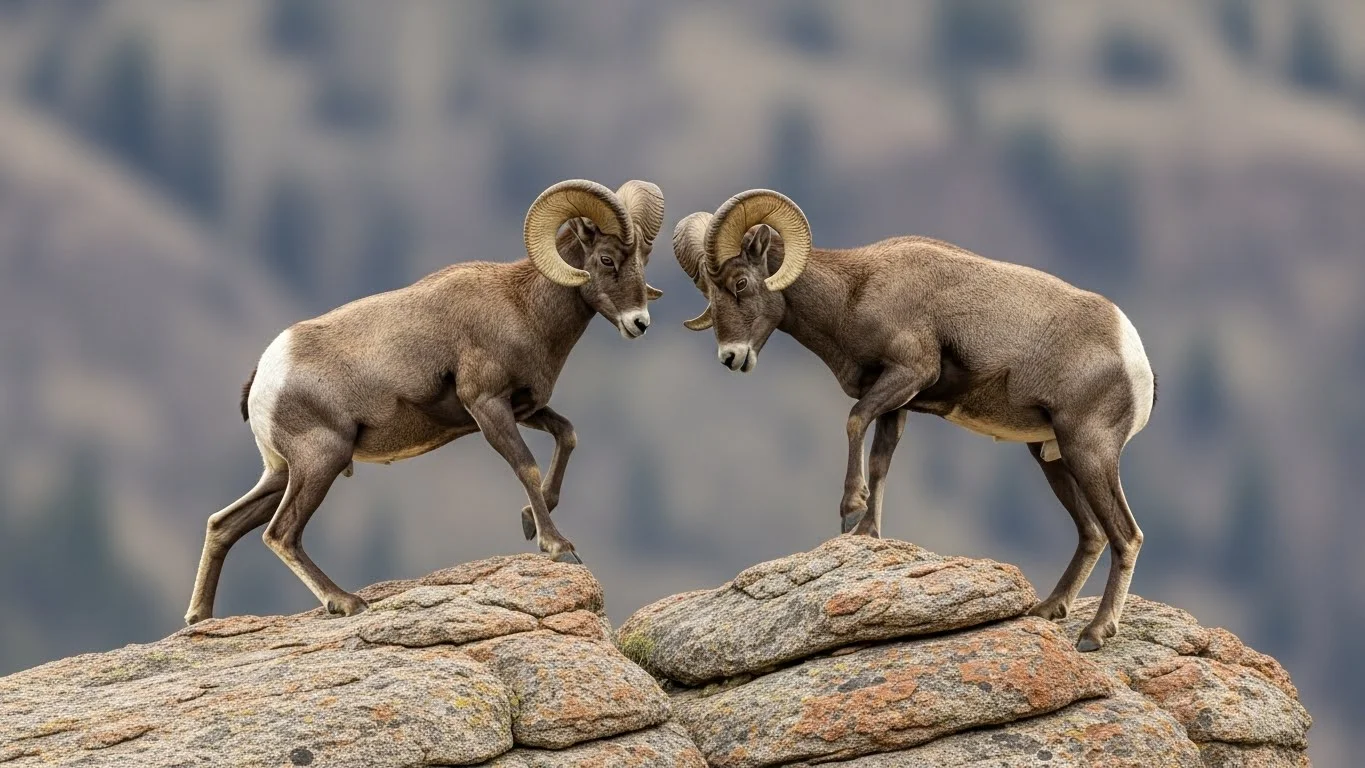
Wildlife photography is an art that captures animals in their natural habitats. It goes beyond just taking pictures; it’s about telling a story and connecting with the natural world. I remember my first attempt at wildlife photography. Armed with a borrowed camera, I ventured into a nearby park, hoping to catch a glimpse of the local birds and squirrels. I was amazed at how just focusing on their behavior could turn a simple snapshot into a captivating image. Wildlife photography allows us to celebrate the beauty of nature and share its wonders with others.
The Importance of Patience and Timing
One of the most essential skills in wildlife photography is patience. Wildlife doesn’t perform on cue, and I quickly learned that waiting quietly often leads to the best shots. I’ve spent hours in the field, waiting for the perfect moment when a deer steps into the light or an eagle takes flight. Timing is also crucial; knowing the right time of day when animals are most active can dramatically improve your chances of capturing stunning images. Early mornings and late afternoons typically provide the best lighting and animal activity. I often find myself waking up at dawn, coffee in hand, excited to see what the day brings.
Essential Equipment for Wildlife Photography on a Budget
Camera Options: DSLRs vs. Mirrorless
When it comes to choosing a camera for wildlife photography, I’ve explored both DSLRs and mirrorless options. While DSLRs have long been a favorite for their reliability and lens selection, I found that mirrorless cameras are catching up quickly. They are often lighter and more compact, which is a big plus when hiking into the wild. If you’re starting on a budget, I recommend looking at entry-level models from reputable brands. You’d be surprised how much quality you can get without spending a fortune. I started with an older DSLR model, which served me well until I could invest in a newer mirrorless camera. Read Interesting article: Master Wildlife Photography on a Budget: Essential Gear Guide
Budget-Friendly Lenses for Wildlife Shots
Lenses can be a significant part of the wildlife photography budget, but I discovered that you don’t need to buy the most expensive option to get great shots. A good zoom lens can help you capture distant animals without disturbing them. I found that a 300mm lens was a perfect compromise between price and performance. If you can’t afford a brand-new lens, consider buying used or refurbished ones. Sites like eBay or local photography groups often have great deals. Investing in a quality lens has transformed my photography; I can now capture details that I could only dream of before.
Accessories: Tripods, Filters, and More
While the camera and lens are crucial, some accessories can enhance your wildlife photography experience. A sturdy tripod is invaluable, especially for low-light situations or when shooting with longer lenses. I remember struggling to keep my shots steady until I finally splurged on a decent tripod. It made a world of difference. Additionally, consider filters, like polarizers, which help reduce glare and enhance color vibrancy in your photos. I learned this the hard way after a day of shooting that yielded washed-out images. Investing in a few good accessories can help you maximize your budget and improve your images significantly.
Finding the Right Locations for Wildlife Photography
National Parks and Reserves
One of the best ways to find stunning wildlife photography opportunities is by visiting national parks or wildlife reserves. These areas are often teeming with life and provide a protected environment for animals. I’ve had some of my best experiences in places like Yellowstone and Yosemite, where I’ve spotted everything from bison to bears. Visiting during off-peak times can also help you enjoy the tranquility of nature while increasing your chances of capturing amazing shots. The key is to do a little research beforehand to find out where the animals are most frequently seen.
Local Wildlife Areas and Nature Preserves
If national parks feel out of reach, don’t overlook local wildlife areas or nature preserves. Often, these spots are less crowded and can still offer fantastic opportunities. I’ve discovered several hidden gems in my area, where I could get up close to various wildlife without the long travel. These local spots can become your go-to for regular photography outings, and they often surprise you with what you might find.
Urban Wildlife: Parks and Gardens
Wildlife photography isn’t limited to remote locations; urban parks and gardens can be rich with opportunities too. I once turned a mundane city stroll into a mini wildlife adventure by exploring a local park that was home to numerous birds, rabbits, and even the occasional fox. By being observant and patient, I was able to capture some remarkable shots right in my backyard. Urban wildlife can be just as fascinating, and it gives us a unique perspective on how animals adapt to city life.
Techniques for Capturing Stunning Wildlife Photos
Understanding Animal Behavior
One of the most rewarding aspects of wildlife photography is getting to know the animals you’re photographing. I remember when I first started, I had no idea how crucial it was to study animal behavior. By observing animals in their natural habitats, I learned about their patterns, social structures, and feeding habits. For example, I noticed that certain birds would always return to the same branch after foraging for food. By recognizing these behaviors, I was able to position myself for the best shot without disturbing them. Understanding animal behavior not only improves your chances of getting stunning photos but also deepens your connection with nature.
Using Natural Light to Your Advantage
Lighting can make or break a wildlife photograph, and I’ve found that natural light is often the best option. The golden hours—early morning and late afternoon—offer soft, warm light that brings out the beauty in animals and their surroundings. I’ve spent countless mornings anticipating the sunrise, my camera ready, as I captured the gentle light illuminating a deer grazing in the meadow. Midday sun can be harsh, creating unwanted shadows and highlights, so I try to avoid shooting during those hours unless it’s necessary. I often carry a reflector to help bounce light and soften shadows if I find myself out during the day. Learning to work with natural light has transformed my photography and made my images more vibrant and engaging.
Composition Techniques for Wildlife Photography
Composition is another crucial aspect of wildlife photography that I’ve become more aware of over time. I used to just point and shoot, but now I consider the elements in the frame. The rule of thirds is a classic guideline that can help create balanced images. By placing the subject off-center, I’ve noticed that my photos often feel more dynamic and interesting. Additionally, finding unique angles can set your photos apart. I remember lying on the ground to photograph a family of rabbits, capturing them at their level instead of towering above them. This perspective brought a whole new appreciation for their world. Framing the subject using natural elements like branches or leaves also adds depth and context, which can make a simple photo much more compelling.
Utilizing Free Resources and Communities
Online Forums and Social Media Groups
When I began my journey into wildlife photography, I was amazed at how many resources were available online. One of my favorite finds was a local wildlife photography group on social media. Joining these communities has been invaluable for sharing experiences, tips, and critiques. I found myself connecting with fellow enthusiasts who were eager to share their knowledge and experiences. It felt great to exchange ideas and get inspiration from others’ work. Plus, these groups often organize meetups and outings, which can be a great way to practice and learn together. I highly recommend diving into online forums and social media groups to connect with others who share your passion.
Wildlife Photography Workshops and Meetups
Workshops can be a fantastic way to immerse yourself in wildlife photography. I attended a local workshop where I had the opportunity to learn directly from a seasoned photographer. Not only did I gain practical skills, but I also made lasting friendships with others who shared my interests. I realized that learning doesn’t have to be a solitary journey; collaborating and sharing experiences with others can elevate your skills. Many organizations offer affordable workshops, and some local wildlife centers may even host events that are budget-friendly. Keep an eye out for announcements in your community; you never know what you might discover!
Free Online Tutorials and Courses
In this digital age, countless free resources can enhance your photography skills. I’ve spent hours watching tutorials on platforms like YouTube, where talented photographers share their techniques, tips, and tricks. From understanding camera settings to post-processing techniques, there’s a wealth of information available at your fingertips. I also stumbled upon free online courses focused on wildlife photography that helped me refine my skills at my own pace. I encourage you to explore these resources; investing time in learning can dramatically improve your photography without putting a dent in your wallet.
Post-Processing Your Wildlife Photos on a Budget
Free Editing Software for Beginners
Once I started capturing wildlife photos, I quickly realized that editing was a crucial part of the process. I needed to enhance my images to truly reflect the beauty I saw in the field. Thankfully, there are several free editing software options that are perfect for beginners. Programs like GIMP and RawTherapee have been my go-to tools. They may not have all the bells and whistles of expensive software, but they offer plenty of features to get you started. I remember my first time editing a photo of a fox; with just a few adjustments to exposure and color balance, it transformed from a simple snapshot into a striking image.
Basic Editing Techniques to Enhance Your Photos
Editing doesn’t have to be complicated. I’ve learned a few basic techniques that can significantly improve my wildlife photos. Cropping can help focus on the subject and eliminate distractions. Adjusting brightness and contrast can make details pop, while sharpening can enhance clarity. I also like to play around with color saturation to make the hues more vibrant, reflecting the vividness I experienced in the field. I remember one photo of a vibrant bluebird that looked dull before editing; after enhancing the colors, it looked like it jumped off the screen! These simple edits can elevate your photos without requiring professional software or expensive subscriptions.
Budget-Friendly Tips for Capturing Specific Wildlife
Bird Photography: Best Practices
Bird photography holds a special place in my heart because it challenges me to be both patient and observant. I remember the thrill of capturing my first clear image of a hummingbird hovering near a feeder. To get those stunning shots, I’ve learned a few best practices that have made a significant difference in my approach. First, I recommend investing in a decent pair of binoculars. Being able to spot birds from a distance allows you to anticipate their movements without startling them. When I’m out in the field, I often find a comfortable spot and wait until I see birds naturally behaving, rather than trying to rush the moment.
Another tip is to use a fast shutter speed. Birds can be quick and unpredictable, so I often set my camera to a faster setting, like 1/1000 of a second, to freeze their motion. I’ve found that using a continuous shooting mode can help capture a series of frames, ensuring I don’t miss that perfect moment when a bird takes flight or lands. Lastly, I’ve discovered the importance of learning about the local bird species and their habits. Knowing when they are most active—like during migration seasons—can lead to incredible photo opportunities.
Land Mammals: Tips for Close Encounters
Capturing images of land mammals can be one of the most rewarding aspects of wildlife photography. I’ll never forget the time I was fortunate enough to photograph a mother deer and her fawn in a quiet meadow. For mammal photography, I’ve learned that it’s essential to blend into the environment. Wearing neutral colors and moving slowly can make a significant difference. I often sit quietly and let the animals get used to my presence; this patience has led to some of my best shots.
Another tactic I’ve found useful is to look for animal tracks or signs of activity, such as droppings or feeding areas. By following these clues, I can anticipate where the animals might appear. I also make sure to use a longer lens when photographing mammals, as it allows me to capture them up close without disturbing their natural behaviors. Lastly, I’ve discovered the joy of photographing mammals at dawn or dusk, known as the golden hours. The soft lighting adds warmth and depth to the images, creating an enchanting atmosphere.
Aquatic Wildlife: Techniques for Success
Aquatic wildlife can be a bit trickier to photograph, but the rewards are often worth the effort. I’ve had some incredible experiences capturing seals and herons along the shorelines of lakes and rivers. One of the key techniques I recommend is to position yourself at water level. I found that getting low to the ground or sitting on the edge of a boat can provide a unique perspective that adds drama to the images. It brings the action closer to the viewer and offers a different view of the animal’s habitat.
Additionally, I’ve learned the importance of being aware of the water conditions. On calm days, reflections can create stunning mirror-like images that enhance the composition. I try to time my outings close to sunrise or sunset when the light is softer, which often leads to beautiful captures of fish jumping or birds diving into the water. Lastly, a waterproof camera bag has been my lifesaver on these trips. It protects my gear from splashes and unexpected rain, allowing me to focus on capturing the moment without worrying about my equipment.
Planning Your Wildlife Photography Trips
Budgeting for Travel and Accommodation
Planning a wildlife photography trip can be both exciting and overwhelming. I’ve learned that setting a budget is essential, especially if you want to maximize your experience without overspending. I usually start by researching destinations that offer great wildlife opportunities but don’t require expensive travel. Local parks and reserves often provide remarkable encounters without the need for a long road trip or costly flights. Read Interesting article: Wildlife Adventure Photography: Budgeting Your Next Trip
To save on accommodation, I often look for camping options if the location permits. Camping not only cuts costs but also allows me to be closer to nature and the wildlife I want to photograph. I remember one trip where I camped near a lake and was able to capture stunning dawn shots of loons and ducks right from my tent. If camping isn’t an option, I find budget hotels or hostels can also be great alternatives, especially if I book in advance and look for deals.
Best Times of Year for Wildlife Photography
Understanding the best times of year for wildlife photography is key to planning successful trips. I’ve discovered that different species are more active during specific seasons. For example, spring is often the best time to photograph migratory birds as they return to their nesting grounds. Summer offers lush landscapes and the chance to see young animals, while fall can provide breathtaking colors and opportunities to capture animals preparing for winter. Winter itself can also be stunning, as many animals are easier to spot against a snowy backdrop.
Monitoring local wildlife activity through online resources or community forums can help pinpoint the right time to visit certain locations. This is something I’ve started doing regularly, and it has greatly improved my success in capturing wildlife images.
How to Stay Safe While Photographing Wildlife
Safety is a top priority when venturing out for wildlife photography. I’ve learned this the hard way, and a few key practices have helped me avoid potential dangers. First, I always make sure to keep a safe distance from wild animals. While I want to capture intimate shots, it’s crucial to respect their space. I’ve invested in a good zoom lens to ensure I can photograph them without getting too close. I’ve also learned to be aware of my surroundings, especially in areas where larger mammals may roam, like bears or bison. Carrying bear spray in certain regions has given me peace of mind.
Additionally, I always inform someone of my plans before heading out, especially if I’m exploring remote areas. Having a buddy or letting someone know where I’ll be can be vital in case of emergencies. Staying aware of weather conditions is also essential; I’ve had to turn back on occasions due to sudden storms. Being prepared and staying safe allows me to enjoy the beauty of wildlife photography fully.
Frequently Asked Questions
What is wildlife photography?
Wildlife photography is an art that captures animals in their natural habitats, telling a story and connecting with the natural world.
Why is patience important in wildlife photography?
Patience is essential because wildlife does not perform on cue, and waiting quietly often leads to the best shots. Knowing when to capture images based on animal activity can dramatically improve the results.
What camera type is recommended for wildlife photography on a budget?
Both DSLRs and mirrorless cameras are good options, but mirrorless cameras are often lighter and more compact. Entry-level models from reputable brands are recommended for those starting on a budget.
How can I find good locations for wildlife photography?
Good locations include national parks and wildlife reserves, local wildlife areas, and urban parks and gardens. Researching these areas can help you discover where animals are most frequently seen.
What are some basic editing techniques to enhance wildlife photos?
Basic editing techniques include cropping to focus on the subject, adjusting brightness and contrast, sharpening for clarity, and playing with color saturation to make images more vibrant.
What best practices should I follow for bird photography?
Best practices for bird photography include using binoculars to spot birds from a distance, using a fast shutter speed to freeze motion, and learning about local bird species and their habits for better timing.
How can I safely photograph wildlife?
To stay safe while photographing wildlife, maintain a safe distance from animals, be aware of your surroundings, inform someone of your plans, and monitor weather conditions.
What types of accessories are useful for wildlife photography?
Useful accessories include a sturdy tripod for stability, filters to enhance image quality, and good lenses to capture distant wildlife without disturbing them.
What are some budget-friendly tips for wildlife photography?
Budget-friendly tips include looking for used or refurbished lenses, camping to save on accommodation, and utilizing free online resources and communities for learning and support.
When is the best time of year for wildlife photography?
The best time for wildlife photography varies by species; spring is ideal for migratory birds, summer for young animals, fall for vibrant colors, and winter for easier spotting against snow.