
Budget backpacking can be one of the most rewarding ways to explore the world. With a little planning and some smart hacks, you can make the most of your adventures without breaking the bank! For tips on affordable destinations, check out Travel on a Shoestring: Budget-Friendly Destinations to Love.
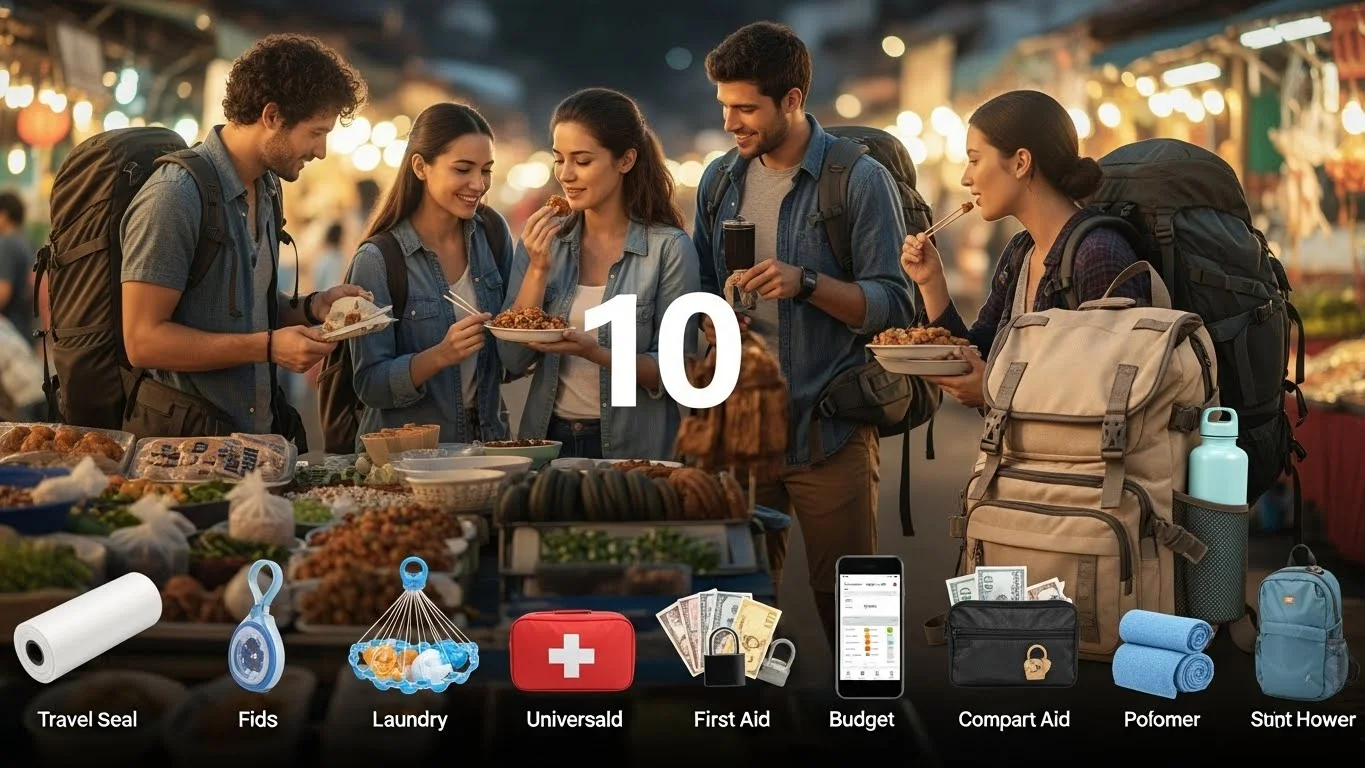
Understanding Budget Backpacking
What is Budget Backpacking?
Backpacking on a budget is all about traveling with minimal expenses while still enjoying the journey. I remember my first experience with budget backpacking; it was a mix of excitement and uncertainty. The idea is to explore new places, meet people, and experience different cultures without spending a fortune. This means finding ways to cut costs on accommodation, food, transportation, and activities, all while keeping the spirit of adventure alive.
Benefits of Backpacking on a Budget
There are numerous benefits to backpacking on a budget that I’ve come to appreciate over the years. First and foremost, it teaches you to be resourceful and creative. I’ve learned to think outside the box when planning my trips. Budget traveling also allows for longer trips, since you’re not draining your wallet on luxury accommodations or pricey meals. Additionally, it often leads to more authentic experiences. When I chose to stay in hostels or camp instead of hotels, I found that I connected more with locals and fellow travelers. We shared stories, experiences, and sometimes even meals, creating memories that I cherish.
Essential Travel Hacks for Budget Backpacking
1. Researching Affordable Destinations
Before embarking on any trip, I always spend time researching destinations that are budget-friendly. Some places naturally cater to travelers looking to save money. For instance, Southeast Asia has been my go-to region for affordable adventures. I found that countries like Thailand and Vietnam offer stunning landscapes, rich cultures, and delicious street food—all at a fraction of the cost of more popular destinations. Websites like Budget Your Trip and Nomadic Matt provide insights into the cost of living and travel tips for various countries. This research helps me map out my journey and ensure I’m making the most of my travel budget.
2. Finding Budget Accommodation
When it comes to accommodation, I’ve discovered that hostels can be a game-changer for budget backpackers. They’re not just a place to sleep; they’re vibrant hubs for travelers. Plus, they often offer shared kitchens where you can prepare your meals, saving more money. While hotels can be comfortable, they usually come with higher price tags. I remember my first hostel experience; I met travelers from all around the world, and we often shared tips and ideas for our journeys.
Hostels vs. Hotels
If you’re debating between staying in a hostel or a hotel, consider what you value in your trip. Hostels typically offer dormitory-style accommodations, which can be noisy but are perfect for meeting others. On the other hand, hotels provide privacy and comfort but at a higher cost. I recommend checking platforms like Hostelworld or Booking.com, where you can find reviews and compare prices easily. I often choose hostels, especially when I’m in cities where I plan to spend most of my time exploring rather than lounging in my room.
Using Apps for Finding Cheap Stays
In today’s digital age, finding affordable accommodation has never been easier. I’ve relied on apps like Airbnb, Hostelworld, and Booking.com to snag great deals. These platforms often have last-minute specials or discounts for longer stays. I once booked a cozy Airbnb for a week in Lisbon at a fraction of the cost of a hotel, which allowed me to splurge on experiences like local tours and dining.
3. Utilizing Public Transportation
One of my favorite aspects of traveling is using public transportation. Not only is it often cheaper than taxis or rideshares, but it also gives you a glimpse into the daily life of locals. I’ve hopped on trains, buses, and even trams in various countries, and each ride has been an adventure in itself.
Types of Public Transport
Different countries have different public transport systems. In Europe, for example, trains can be a fantastic way to travel between cities, and they’re often quite affordable if booked in advance. I remember taking a scenic train ride through the Swiss Alps that was breathtaking and reasonably priced. In contrast, in Southeast Asia, I found that local buses and tuk-tuks were my go-to options for getting around cities. Each type of transport offers a unique experience and perspective on the places I visited.
Apps for Navigation and Tickets
Navigating public transport can sometimes be overwhelming, especially in crowded cities. I’ve found that apps like Google Maps and local transit apps can be lifesavers. They provide real-time updates and clear directions, making it easy to find the right bus or train. I also recommend downloading apps for purchasing tickets in advance, which can save both time and money. For example, I used the Omio app to book train tickets across Europe, and it saved me a lot of hassle at the stations.
4. Packing Smartly to Save Money
Packing is an art form that I’ve honed over the years. I’ve learned that what I pack can significantly impact my budget. The key is to bring only what you need and to optimize your luggage for versatility. I remember traveling with a 50-liter backpack for two weeks and managing to fit everything I needed while still having room for souvenirs.
Essential Items for Backpackers
When packing, I focus on essentials. A good quality water bottle is a must; it saves money on buying drinks and is better for the environment. I also recommend packing a portable charger, a first-aid kit, and a compact jacket for unexpected weather. Each item plays a crucial role in making my travels smoother and more enjoyable.
Tips for Minimizing Luggage Weight
Minimizing luggage weight is a challenge I faced on my early trips. I realized I was overpacking and carrying unnecessary items. Now, I stick to a packing list and often lay out everything I want to bring, then eliminate half of it. I also pack clothes that can mix and match, allowing me to create different outfits without bringing my entire wardrobe. This not only lightens my load but also makes traveling between locations easier.
5. Eating on a Budget
Food is one of the areas where I often find ways to save money while traveling. Eating out can quickly add up, especially in touristy areas. One of my favorite experiences was discovering local markets while exploring new cities. The variety of fresh produce and street food was not only delicious but also affordable.
Local Markets vs. Restaurants
I’ve learned to seek out local markets where I can grab a quick meal. For example, in Vietnam, I enjoyed bowls of pho from street vendors for just a couple of dollars. This not only saved me money but also allowed me to experience authentic local cuisine. Restaurants can be fun, but I usually save them for special occasions or when I want to indulge in a particular dish.
Cooking Your Own Meals
When staying in hostels or Airbnb accommodations with kitchens, I often take advantage of the opportunity to cook. I’ll usually make a big batch of pasta or stir-fry that lasts a few days. It’s not only cost-effective but also a great way to unwind after a long day of exploring. Plus, it feels nice to have a home-cooked meal while on the road.
Essential Travel Hacks for Budget Backpacking
6. Free and Low-Cost Activities
One of the great joys of budget backpacking is discovering that many amazing experiences come with little or no cost. I’ve learned to seek out free and low-cost activities in every place I visit, which not only saves money but often leads to the most memorable moments of my travels.
Exploring Nature and Parks
Nature is a fantastic ally for budget travelers. I’ve spent countless hours hiking in national parks, walking along coastlines, or simply relaxing in local green spaces. For instance, my trip to the Canadian Rockies was filled with stunning hikes that cost nothing, just a little effort and some good shoes. I remember standing at the edge of a serene lake, surrounded by towering mountains, feeling grateful for the beauty that nature offers without a price tag. Always check if the area has free parks or hiking trails, as they can provide breathtaking views and a dose of tranquility.
Free Walking Tours
Another budget-friendly option is joining free walking tours. These tours are typically run by locals who share their knowledge and passion for their city. I stumbled upon one in Barcelona, and it opened my eyes to the city’s rich history and culture. The guides often work for tips, so I recommend bringing some cash to show your appreciation. These tours are a great way to get oriented in a new place, meet fellow travelers, and discover hidden gems you might not find in a guidebook.
7. Travel Insurance: Why It’s Worth It
While it may seem like an extra expense, I’ve learned that travel insurance is one of those things that you’ll be grateful for if something goes wrong. I remember a time when my luggage got lost during a flight, and having insurance made the process of recovering my belongings much smoother.
Types of Travel Insurance
There are various types of travel insurance, from basic trip coverage to comprehensive plans that include health, trip cancellations, and lost belongings. I usually opt for a plan that covers medical emergencies and trip cancellations, as these can be the most costly if they occur. I’ve found that there are many reputable companies where I can compare plans and choose the coverage that fits my travel style and budget best.
How to Choose the Right Plan
When choosing travel insurance, I focus on reading reviews and understanding what each policy covers. I’ve made the mistake in the past of going for the cheapest option, only to find out it didn’t cover essential aspects. I recommend looking for plans that offer 24-hour assistance, as it can be really comforting to have someone to call if you encounter issues while abroad. Websites like InsureMyTrip or World Nomads have been great resources for me to explore different options based on my needs.
8. Making Use of Travel Apps
Technology has made it easier than ever to travel smartly on a budget. I rely on various travel apps that help me save money, navigate new cities, and even connect with other travelers.
Budgeting and Expense Tracking Apps
Keeping track of expenses while traveling can be challenging, but I’ve found that using budgeting apps like Trail Wallet or Mint helps me stay on top of my spending. I set a daily budget before my trip and adjust as necessary based on what I experience. This practice has taught me to prioritize what I really want to spend on, whether that’s a unique meal or an unforgettable activity.
Navigation and Language Apps
Getting around in a new city can be daunting, especially if there’s a language barrier. I’ve often relied on Google Maps for directions, but I’ve also discovered apps like Citymapper that provide public transport options in various cities. For language, I use Duolingo to learn a few key phrases before I go, and sometimes I’ll download Google Translate to help me communicate. This little preparation pays off, making interactions smoother and more enjoyable.
9. Networking with Other Travelers
One of the most rewarding aspects of budget backpacking is the connections I’ve made with fellow travelers. There’s a sense of camaraderie among backpackers that I absolutely love.
Using Social Media and Travel Forums
Social media can be a great tool for connecting with other travelers. I often join Facebook groups or follow travel-related hashtags on Instagram. This way, I can ask for tips or recommendations from others who’ve been to the same places. I once found a travel buddy through a group, and we ended up exploring Europe together, sharing costs and experiences that made the adventure even more fun.
Joining Backpacker Communities
Many cities have backpacker communities or meetups where travelers can share stories or plan outings together. I remember attending a meetup in Melbourne, and it was fascinating to hear about others’ travels. This kind of networking not only helps in finding travel partners but also opens up opportunities for new experiences, like discovering local events or hidden spots that I wouldn’t have known about otherwise.
10. Embracing Flexibility in Your Travel Plans
Flexibility is key when it comes to budget backpacking. I’ve learned that being open to changing my plans can lead to unexpected adventures and savings.
Benefits of Last-Minute Decisions
Sometimes, I’ve found that the best experiences come from spontaneous decisions. I recall a time when I had a free day in Lisbon, and instead of sticking to my rigid itinerary, I decided to explore a nearby town. That day turned into one of the highlights of my trip! Flexibility allows me to take advantage of last-minute deals, whether it’s a discounted tour or a special event happening in the area.
How to Find Last-Minute Deals
Several apps and websites specialize in last-minute travel deals. I often check out Secret Escapes or HotelTonight for last-minute accommodation discounts. Additionally, I’ve found that some attractions offer reduced prices for same-day tickets, which can help me save a bit while still having fun. Embracing flexibility not only enhances my travel experience but also helps me stick to my budget.
Tips for Staying Safe While Traveling on a Budget
Staying Aware of Your Surroundings
One of the most important lessons I’ve learned while backpacking is the significance of being aware of my surroundings. It’s easy to get lost in the excitement of exploring new places, but I’ve found that maintaining a sense of alertness is crucial for safety. I remember wandering through a bustling market in Marrakech, and while it was vibrant and colorful, I made sure to keep an eye on my belongings and be mindful of the crowd around me. I’ve noticed that the more aware I am, the less likely I am to encounter problems.
Keeping Your Belongings Secure
When traveling on a budget, I often carry valuable items like my phone, camera, and important documents. I’ve developed a few strategies to keep my belongings secure. For instance, I always use a money belt or a hidden pouch that I can wear under my clothes. This way, my cash and cards are less accessible to pickpockets. When I’m in hostels or shared accommodations, I’ve learned to use lockers for my backpack, ensuring that I can enjoy my time exploring without worrying about my stuff. I also recommend using anti-theft backpacks that come with locking zippers and cut-resistant straps; they provide an extra layer of security I appreciate.
Health and Safety Considerations
Staying healthy while backpacking is another aspect I prioritize. I’ve come to realize that being in good health allows me to fully enjoy my travels. Before I head out on a trip, I always check if any vaccinations are recommended for the region I’m visiting. I remember getting a vaccine for typhoid before traveling to Southeast Asia, which gave me peace of mind. Additionally, I pack a first-aid kit with essentials like band-aids, pain relievers, and any personal medications I might need. This preparation has saved me on several occasions, especially when I’ve encountered minor injuries while hiking or exploring.
Budgeting for Your Backpacking Adventure
Creating a Daily Budget
One of the most effective ways I’ve managed my finances while backpacking is by creating a daily budget. Before each trip, I sit down and outline my expected expenses, including accommodation, food, transportation, and activities. I find it helpful to break down these costs into daily amounts. For example, I typically allocate a certain amount for meals and another for activities, allowing me to track my spending easily. This practice has helped me avoid overspending and stay on track with my budget. I remember a trip to Portugal where I set a daily budget and ended up having enough left over to treat myself to a special dinner on my last night!
Saving Money Before You Go
In my experience, saving money before embarking on a backpacking adventure can make a significant difference in my overall budget. I often start setting aside a small amount each month leading up to my trip. Additionally, I’ve sold items I no longer need or use; this not only clears space but also adds to my travel fund. Every little bit helps! I also recommend looking for discounts on flights and accommodations well in advance. I once scored a fantastic deal on a flight to Southeast Asia by booking several months ahead, which allowed me to allocate more for experiences once I arrived.
Dealing with Unexpected Expenses
Despite careful planning, unexpected expenses can still arise while traveling. I’ve learned to build a buffer into my budget for these surprises. For instance, I always set aside a small emergency fund—just in case something goes wrong, like needing to change my travel plans or facing unexpected medical costs. I remember when my train in Italy got canceled, and I had to book a last-minute ticket on a different route. Having that extra cash allowed me to handle the situation without stress. Additionally, I recommend keeping an eye on exchange rates and fees when using your credit or debit cards abroad, as they can sometimes add up if you’re not cautious.
Frequently Asked Questions
What is budget backpacking?
Budget backpacking is about traveling with minimal expenses while still enjoying the journey. It involves exploring new places, meeting people, and experiencing different cultures without spending a fortune, by cutting costs on accommodation, food, transportation, and activities.
What are the benefits of backpacking on a budget?
Backpacking on a budget teaches resourcefulness, allows for longer trips, and leads to more authentic experiences. Staying in hostels or camping often results in deeper connections with locals and fellow travelers.
How can I find affordable destinations for backpacking?
Researching destinations that cater to budget travelers is key. Regions like Southeast Asia, particularly countries like Thailand and Vietnam, are known for stunning landscapes and rich cultures at lower costs. Websites like Budget Your Trip and Nomadic Matt can provide insights into cost-effective travel options.
What types of accommodation are best for budget backpackers?
Hostels are often the best choice for budget backpackers as they offer affordable rates and the chance to meet other travelers. They usually have shared kitchens for cooking meals, which can help save money. For more options, check out 10 Affordable Accommodations for Budget Backpackers.
How can I save money on food while traveling?
To save money on food, seek out local markets for quick and affordable meals, and consider cooking your own meals when accommodations allow it. Eating street food can also provide delicious and budget-friendly options.
What are some budget-friendly activities to consider while traveling?
Look for free and low-cost activities such as exploring nature and parks or joining free walking tours led by locals. These activities often provide memorable experiences without the cost.
Why is travel insurance important for backpackers?
Travel insurance is important because it can help cover unexpected events such as lost luggage or medical emergencies, making recovery and assistance smoother during your travels.
How can technology assist in budget backpacking?
Using travel apps can help you save money, navigate new cities, and connect with other travelers. Budgeting apps can track expenses, while navigation and language apps can ease communication and travel logistics.
What are some tips for staying safe while backpacking on a budget?
Stay aware of your surroundings and keep your belongings secure by using money belts and lockers in shared accommodations. Maintaining good health and packing a first-aid kit are also essential for a safe trip.
How should I prepare a budget for my backpacking adventure?
Creating a daily budget by outlining expected expenses for accommodation, food, transportation, and activities helps manage finances. Additionally, saving money before the trip and building a buffer for unexpected expenses is advisable.