
Traveling is an adventure that broadens our horizons, but it also leaves a mark on our planet. As eco-travelers, we can explore the world while minimizing our impact through mindful waste reduction practices.
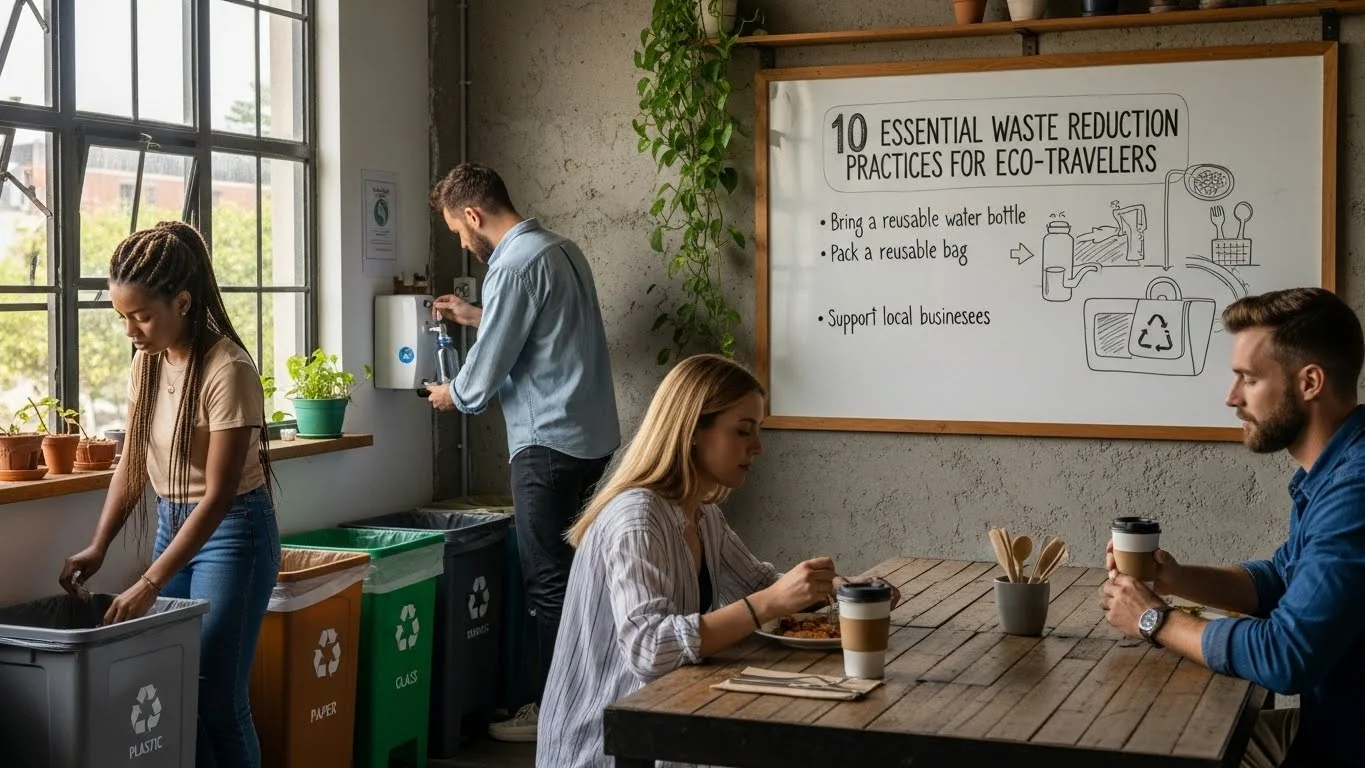
Understanding Waste Reduction in Eco-Travel
What is Eco-Travel?
Eco-travel, for me, is all about exploring the beauty of our planet while keeping sustainability at the forefront of our adventures. It involves choosing travel methods, accommodations, and activities that prioritize environmental health and respect local cultures. I’ve found that eco-travel is not just a trend; it’s a lifestyle choice that allows us to connect with nature and communities in a meaningful way. Whether it’s hiking through a national park, visiting local markets, or volunteering for conservation efforts, eco-travel reminds us of the responsibility we carry as global citizens. Read Interesting article: Top Eco-Friendly Accommodations for Budget Backpackers
The Importance of Waste Reduction
As I’ve traveled, I’ve become acutely aware of the waste our journeys can generate. From plastic bottles to single-use items, every bit adds up. Waste reduction is crucial because it helps preserve the natural beauty we seek to enjoy. When we consciously reduce waste, we’re not only protecting the environment but also contributing to the well-being of local communities that depend on healthy ecosystems. I believe that by implementing simple practices, we can enjoy our travels while leaving a lighter footprint.
Environmental Impact of Travel
Traveling can have significant environmental impacts, and I’ve seen firsthand how these effects can vary depending on our choices. Transportation alone contributes to a large portion of greenhouse gas emissions. When I fly, I often feel a pang of guilt thinking about the carbon footprint of my journey. Additionally, the waste generated by tourism—like littering at beautiful beaches or overflowing trash bins in popular destinations—can harm wildlife and degrade natural habitats. It’s essential to recognize these impacts and strive to mitigate them through responsible travel practices.
Essential Waste Reduction Practices
1. Choose Sustainable Accommodations
When I plan a trip, one of the first decisions I make is where to stay. Choosing accommodations that focus on sustainability has been a game-changer for me. I look for hotels and lodges that implement eco-friendly policies, such as using renewable energy, minimizing water usage, and supporting local communities. Some hotels even offer to plant trees for every guest. It feels good knowing that my stay contributes positively to the environment instead of adding to its burden.
2. Pack Light and Smart
My packing strategy has evolved over the years. Initially, I would toss in everything I thought I might need, but I quickly learned that less is more. By packing light, I reduce the amount of luggage I bring, which can also lessen carbon emissions during air travel. I focus on versatile clothing items that I can mix and match, and I leave behind anything I won’t truly use. This not only saves space but also prevents me from contributing to the excessive waste associated with fast fashion.
3. Bring Reusable Items
One of the easiest ways to reduce waste while traveling is by bringing reusable items. I’ve found that having the right tools makes a huge difference in my travel experience.
Reusable Water Bottles
For me, a reusable water bottle is a must-have. I always fill it up before heading out and refill it whenever I can. Not only does this cut down on purchasing single-use plastic bottles, but it also saves me money. Plus, many places have water refill stations, and I feel good knowing I’m helping reduce plastic waste.
Reusable Bags
I never leave home without a couple of reusable bags tucked into my backpack. Whether I’m shopping at a local market or just carrying my beach gear, these bags are invaluable. They’re sturdy, stylish, and eliminate the need for plastic bags. I love how easy it is to say no to plastic when I have my own bags ready to go.
Reusable Cutlery and Containers
Another favorite of mine is my travel cutlery set and containers. I always carry them when I know I’ll be eating on the go or indulging in street food. This way, I can avoid disposable utensils and containers that often end up in landfills. It’s a small step, but it makes me feel proactive in my commitment to reducing waste.
4. Opt for Public Transportation
Whenever I travel, I embrace public transportation as my primary means of getting around. Not only is it often more affordable, but it also reduces the carbon footprint associated with private vehicles. I’ve enjoyed taking local buses, trains, and even bikes, which gives me a unique perspective of the destination. Plus, I get to interact with locals and experience the culture in a way that taxis or rental cars wouldn’t allow. Read Interesting article: Top Eco Practices for Budget Backpacking Cyclists
5. Support Local Businesses
Supporting local businesses is a win-win for me. When I eat at local restaurants, shop at markets, or book tours with local guides, I know my money is going directly to the community. This not only helps the local economy but also reduces the environmental impact associated with large, international corporations. I’ve discovered some of my most memorable experiences come from engaging with the locals and learning about their way of life.
6. Minimize Food Waste
Food waste is a significant concern during travel, and I’ve learned to be more mindful about what I consume.
Planning Meals
Before my trips, I often plan my meals based on local cuisine and what I can realistically eat. This helps me avoid over-ordering and ensures that I’m savoring every bite of local dishes without waste. I’ve even found that asking locals for their recommendations often leads to delightful culinary adventures!
Composting Options
If I’m staying somewhere longer, I look for composting options. Many eco-friendly accommodations offer compost bins for organic waste. It feels satisfying to know that even in my travels, I’m contributing to reducing food waste responsibly.
7. Practice Responsible Souvenir Shopping
When it comes to souvenirs, I’ve shifted my mindset. Instead of buying mass-produced trinkets that often end up in the back of a drawer, I focus on meaningful items that reflect the culture and artistry of the place I’m visiting. I’ve collected handmade crafts and locally sourced products that are unique and sustainable, which I cherish even more than any generic souvenir.
Essential Waste Reduction Practices
8. Participate in Eco-Friendly Activities
One of the most rewarding aspects of eco-travel is immersing myself in activities that are both fun and beneficial to the planet. I’ve discovered that participating in eco-friendly activities not only enriches my travel experience but also helps reduce environmental impact. For example, I often look for opportunities to join beach clean-ups or tree-planting events while traveling. These activities allow me to give back to the communities I visit and foster a deeper connection with the environment. I remember one trip where I volunteered with a local conservation group to help rehabilitate a nature reserve. Not only did I learn about the local ecosystem, but I also met amazing people who share my passion for sustainability. Read Interesting article: Engage Locally: Top Tips for Sustainable Travel Adventures
9. Educate Yourself and Others
I find that knowledge is a powerful tool in the realm of eco-travel. Before embarking on a journey, I take time to learn about the environmental challenges faced by the destination I’m visiting. Understanding the local issues allows me to be a more responsible traveler. For instance, I’ve read about coral bleaching in certain tropical regions and made a conscious decision to support marine conservation efforts while there. Beyond my own learning, I also enjoy sharing what I’ve discovered with friends, family, and fellow travelers. I believe that the more we talk about sustainable practices, the more people will be inspired to make changes in their travel habits. I often share tips on social media or in travel groups, hoping to spark eco-conscious conversations.
10. Offset Your Carbon Footprint
Traveling often comes with a certain level of guilt when I think about my carbon footprint, especially when flying. To address this, I’ve adopted a practice of offsetting my carbon emissions. There are various organizations that allow travelers to calculate their carbon footprint based on their travel plans and then contribute to projects that help reduce greenhouse gases, such as reforestation initiatives or renewable energy projects. I remember my first time offsetting—after booking a flight, I spent a few minutes online, calculated my carbon impact, and made a small donation. It felt empowering to take responsibility for my travel choices and contribute to a positive cause.
Tools and Resources for Eco-Travelers
Eco-Travel Apps
Over the years, I’ve come to appreciate how technology can aid in my quest for sustainable travel. There are several eco-travel apps that have made my planning process smoother and more environmentally friendly. Apps like ‘Green Globe’ help me find certified sustainable businesses, while ‘Good Travel’ connects me with eco-friendly tours and accommodations. I also love using ‘HappyCow’ to locate vegan and vegetarian restaurants, which often align with sustainable practices. Having these tools at my fingertips means I can make informed choices on the go.
Websites for Sustainable Travel Information
I often turn to specific websites for guidance on sustainable travel. For instance, ‘Sustainable Travel International’ offers resources and articles that help me stay up-to-date on best practices. ‘The Adventure Travel Trade Association’ also provides insights into eco-friendly travel trends and initiatives. These platforms not only inform me but also inspire me to continue my journey of responsible travel. I feel a sense of community when I read about others who share the same values and goals.
Community Platforms for Eco-Travelers
Connecting with like-minded travelers has been invaluable in my eco-travel journey. I’ve found community platforms, like ‘Eco Warrior Collective’ and various Facebook groups, where individuals share experiences, tips, and resources. Engaging in these communities allows me to swap stories and discover hidden gems from other eco-travelers. I remember posting about a recent trip and receiving a flood of recommendations from fellow travelers. It’s comforting to know that we’re not alone in our efforts to make a positive impact through travel.
Case Studies: Successful Eco-Travel Initiatives
Destination Examples
As I dive deeper into the world of eco-travel, I’ve come across incredible examples of destinations that have successfully implemented sustainable practices. For instance, Costa Rica stands out to me with its commitment to conservation and eco-tourism. The country has made significant investments in protecting its national parks and biodiversity. I’ve seen how local businesses flourish through eco-conscious efforts, attracting travelers who want to experience nature while preserving it.
Traveler Testimonials
Hearing from fellow travelers who have embraced eco-travel always inspires me. I remember reading a blog post from a traveler who shared their experience of visiting Bhutan, a country that measures its success by holistic happiness and environmental conservation. They described how the country prioritizes sustainable tourism, limiting the number of visitors to protect its cultural heritage and natural beauty. Their story reminded me that with every travel choice we make, we can contribute to a larger movement towards sustainable travel.
Future Trends in Eco-Travel and Waste Reduction
Innovations in Sustainable Travel
Looking ahead, I’m excited about the innovations that are reshaping the future of eco-travel. I’ve come across advancements in sustainable transportation, such as electric buses and solar-powered ferries, which promise to reduce emissions. Additionally, I’ve read about hotels implementing cutting-edge waste reduction technologies, like composting toilets and greywater recycling systems. These innovations not only improve the travel experience but also demonstrate a commitment to protecting our planet.
Government and Industry Initiatives
Governments and businesses are becoming increasingly aware of their role in promoting sustainable tourism. I’ve seen initiatives geared toward incentivizing eco-friendly practices among hotels and tour operators. Programs that provide certification for sustainable tourism practices help travelers easily identify responsible choices. It gives me hope that as awareness grows, more destinations will prioritize environmental health and offer us meaningful ways to travel responsibly.
Tools and Resources for Eco-Travelers
Eco-Travel Apps
I’ve found that technology can be a great ally in my eco-travel journey. There are numerous eco-travel apps that help streamline my planning while keeping sustainability in mind. For instance, I love using apps like ‘Green Globe,’ which helps me find certified sustainable businesses wherever I go. It’s rewarding to know that the hotels and tours I choose are committed to eco-friendly practices. Another app I frequently turn to is ‘Good Travel,’ which connects me with eco-conscious tours and accommodations, making it easy to align my travel choices with my values.
One of my favorites is ‘HappyCow,’ which locates vegan and vegetarian restaurants. Not only do these often support local farmers, but they also tend to emphasize sustainable practices. Having these tools at my fingertips means I can easily make informed decisions while on the road, allowing me to enjoy my trips without compromising my eco-friendly principles.
Websites for Sustainable Travel Information
When I want to dig a little deeper into sustainable travel, I turn to specific websites that provide valuable resources and information. ‘Sustainable Travel International’ is one of my go-tos. They offer a wealth of articles and guides that help me stay updated on best practices for eco-travel. It’s reassuring to know that I can rely on their knowledge to enhance my trips while minimizing my impact.
Another great resource is ‘The Adventure Travel Trade Association.’ They share insights into eco-friendly travel trends, certification programs, and best practices around the world. I often discover new ideas and initiatives that inspire me to adopt more sustainable habits during my travels. Reading about others who share the same passion for responsible tourism reinforces my commitment to making mindful choices.
Community Platforms for Eco-Travelers
One of the most enriching aspects of my eco-travel journey has been connecting with like-minded individuals. I’ve found that community platforms, such as ‘Eco Warrior Collective’ and various Facebook groups, provide a supportive environment where travelers share experiences, tips, and resources. Engaging in these communities has opened my eyes to local initiatives and hidden gems that I might have missed otherwise.
I remember posting about a recent trip to a national park in my favorite eco-travel group. I was overwhelmed by the responses; fellow travelers shared their insights, recommendations, and even local contacts that enhanced my experience. These communities have built a sense of camaraderie, reminding me that we’re all in this together, striving to make a positive impact through our travel choices.
Case Studies: Successful Eco-Travel Initiatives
Destination Examples
As I delve into eco-travel, I come across remarkable examples of destinations that have successfully integrated sustainable practices into their tourism models. One standout for me is Costa Rica, which has made a name for itself as a leader in eco-tourism. The country’s commitment to conservation and protecting its rich biodiversity is evident everywhere I look—from the lush rainforests to the pristine beaches.
I’ve seen first-hand how local businesses thrive when they prioritize eco-conscious practices. For instance, many tour operators focus on sustainable wildlife experiences, allowing travelers to connect with nature while supporting conservation efforts. I remember hiking through one of their national parks and being amazed by the balance they’ve struck between tourism and environmental stewardship. It’s inspiring to see how a destination can flourish while placing a high value on protecting its natural resources.
Traveler Testimonials
Hearing stories from fellow travelers who embrace eco-travel truly motivates me. I recall reading a blog post from a traveler who visited Bhutan, a country that measures its success by holistic happiness and environmental conservation. Their experiences highlighted how Bhutan prioritizes sustainable tourism by limiting the number of visitors and emphasizing cultural preservation. The traveler shared how the country’s approach allowed them to engage deeply with the local culture and environment, creating an unforgettable journey.
Such testimonials remind me that every travel choice we make can contribute to a larger movement toward sustainable tourism. When I read about their adventures, I feel encouraged to continue seeking out destinations and experiences that align with my values of environmental responsibility and cultural respect.
Future Trends in Eco-Travel and Waste Reduction
Innovations in Sustainable Travel
Looking ahead, I’m genuinely excited about the innovations that are transforming the landscape of eco-travel. I’ve come across advancements in sustainable transportation that could revolutionize how we explore the world. For example, electric buses and solar-powered ferries are becoming more prevalent, promising to significantly reduce emissions and enhance our travel experiences. I can’t wait to see how these innovations will make it easier for travelers like us to minimize our environmental impact.
Additionally, hotels are stepping up their game by implementing cutting-edge waste reduction technologies. I’ve read about properties installing composting toilets and greywater recycling systems, which show a deep commitment to environmental stewardship. These advancements not only improve the travel experience but also set a standard for the industry, encouraging others to follow suit. Each positive change reinforces my belief that we can enjoy travel while caring for the planet.
Government and Industry Initiatives
Governments and businesses are becoming increasingly aware of their responsibility in promoting sustainable tourism. I’ve noticed various initiatives aimed at incentivizing eco-friendly practices among hotels and tour operators. Programs that provide certification for sustainable tourism practices help travelers easily identify responsible choices. This gives me hope that as awareness grows, more destinations will prioritize environmental health and offer us more meaningful ways to travel responsibly.
For instance, I’ve seen regions implementing policies that encourage local produce sourcing, waste reduction strategies, and conservation programs. It feels encouraging to know that the industry is evolving and that my choices as a traveler can coincide with broader efforts to protect our planet. Every small change counts, and I’m excited to be part of this movement toward a more sustainable future in travel.
Frequently Asked Questions
What is eco-travel?
Eco-travel is about exploring the beauty of our planet while prioritizing sustainability. It involves choosing travel methods, accommodations, and activities that respect environmental health and local cultures, allowing for a meaningful connection with nature and communities.
Why is waste reduction important in eco-travel?
Waste reduction is crucial because it helps preserve the natural beauty we seek to enjoy. By consciously reducing waste, travelers protect the environment and contribute to the well-being of local communities that depend on healthy ecosystems.
What are some essential waste reduction practices for eco-travelers?
Essential waste reduction practices include choosing sustainable accommodations, packing light and smart, bringing reusable items, opting for public transportation, supporting local businesses, minimizing food waste, practicing responsible souvenir shopping, participating in eco-friendly activities, educating oneself and others, and offsetting carbon footprints.
How can travelers choose sustainable accommodations?
Travelers can choose sustainable accommodations by looking for hotels and lodges that implement eco-friendly policies, such as using renewable energy, minimizing water usage, and supporting local communities. Some hotels even offer to plant trees for every guest.
What are some reusable items that eco-travelers should bring?
Eco-travelers should bring reusable water bottles, reusable bags, and travel cutlery and containers. These items help reduce single-use plastics and minimize waste during travel.
How does using public transportation benefit eco-travel?
Using public transportation reduces the carbon footprint associated with private vehicles and is often more affordable. It also provides travelers with a unique perspective of the destination and opportunities to interact with locals.
What steps can travelers take to minimize food waste while traveling?
Travelers can minimize food waste by planning meals based on local cuisine and what they can realistically eat, avoiding over-ordering, and looking for composting options at eco-friendly accommodations.
Why is supporting local businesses beneficial for eco-travel?
Supporting local businesses helps boost the local economy and reduces the environmental impact associated with large, international corporations. It also enhances the travel experience by allowing travelers to engage with local culture.
What tools and resources are available for eco-travelers?
Eco-travelers can utilize various tools and resources such as eco-travel apps like ‘Green Globe’ and ‘Good Travel,’ websites like ‘Sustainable Travel International,’ and community platforms like ‘Eco Warrior Collective’ to find sustainable options and connect with like-minded travelers.
What future trends are emerging in eco-travel and waste reduction?
Future trends in eco-travel include innovations in sustainable transportation, such as electric buses and solar-powered ferries, and advancements in waste reduction technologies in hotels. Additionally, governments and businesses are increasingly promoting sustainable tourism initiatives.