
Asia’s street food festivals are a feast for the senses, blending vibrant flavors, colors, and aromas. Join me as we dive into this delicious world where local culture and culinary creativity come to life! Read Interesting article: Experience Asia: The Best Street Food Festivals to Visit
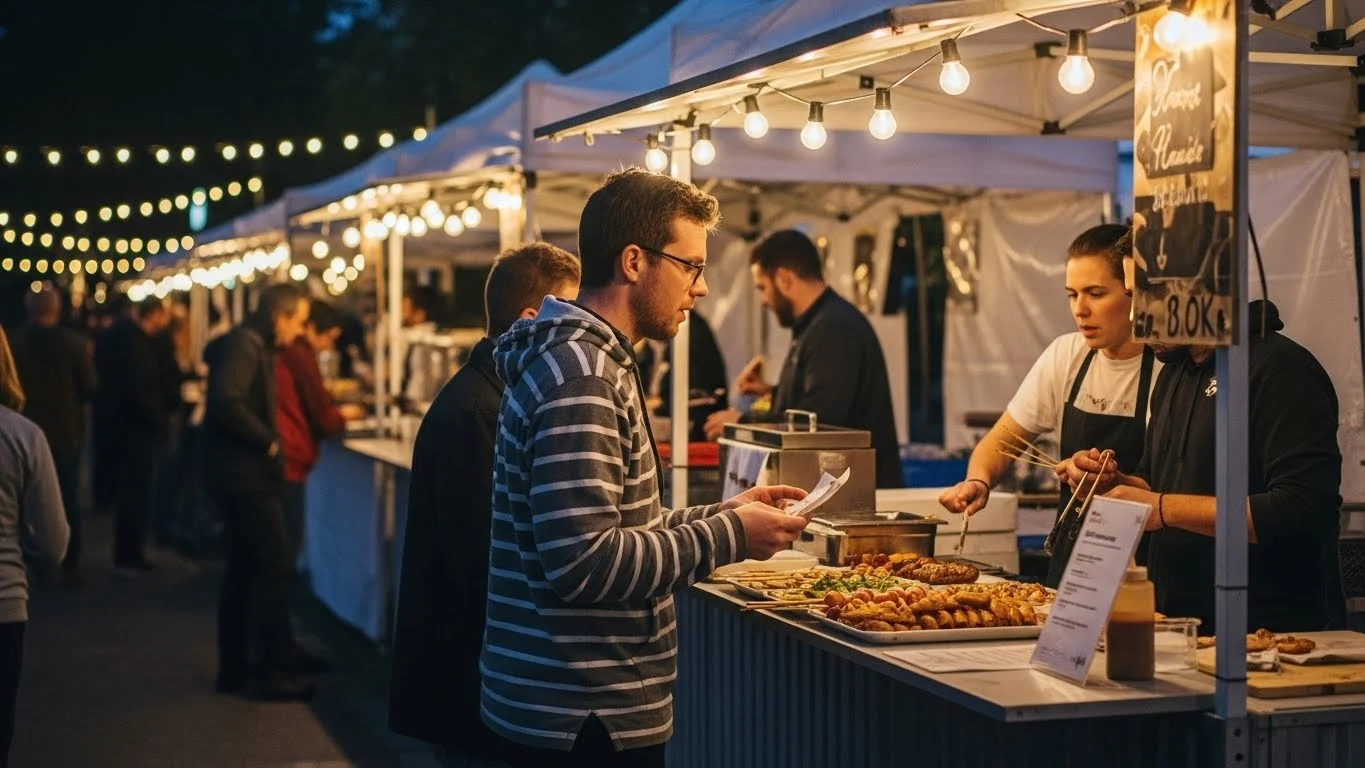
Overview of Asia’s Street Food Culture
When I think of street food in Asia, I picture bustling markets filled with sizzling woks and vendors calling out to hungry patrons. Street food is more than just a meal; it’s an experience that connects us to the heart of each city and its people. The significance of street food in Asian cuisine cannot be overstated. It reflects the history, traditions, and the everyday lives of the locals. Every bite tells a story, and each dish is a canvas painted with the vibrant colors of culture.
The Significance of Street Food in Asian Cuisine
From my travels, I’ve learned that street food serves not only as a meal but also as a cultural symbol. In many Asian countries, it embodies community, sharing, and connection. Growing up, I often sat with friends at street stalls, laughing and enjoying delicious meals together. The affordability of street food makes it accessible to everyone, breaking down social barriers and allowing for communal dining experiences. I believe this is one reason why street food is so cherished across Asia.
Moreover, street food often showcases regional specialties that you won’t find in upscale restaurants. For me, trying street food is like taking a culinary journey through the heart of each region. Whether it’s the spicy curries of Thailand or the delicate dumplings of China, each dish offers a unique tasting experience that reflects local ingredients and cooking techniques. Top 10 Unmissable Street Food Festivals in Asia can guide you to these unique experiences.
Cultural Influences on Street Food
The cultural influences on street food are as diverse as the region itself. Each country’s history—colonial pasts, migration patterns, and trade routes—has shaped its food landscape. For instance, during my time in Malaysia, I was fascinated by how Indian, Chinese, and Malay flavors meld together to create dishes like Roti Canai and Nasi Kandar. It’s amazing to see how cultures blend, and food becomes a beautiful representation of this intertwining history.
In Thailand, the influence of Buddhism can be seen in the vegetarian options available at street food stalls, especially during festivals. I remember strolling through Bangkok, savoring a plate of Pad Thai, and realizing that each bite was not just delicious but also steeped in tradition. This cultural exchange adds depth to the street food scene, making it a reflection of the society at large.
Top Street Food Festivals in Asia
Now that we’ve explored the significance and cultural influences, let’s get to the exciting part: the festivals! Asia is home to a variety of street food festivals that celebrate local flavors and culinary traditions. Each event is a whirlwind of taste, sounds, and sights. Here are some of my favorite street food festivals that every foodie should consider visiting.
Bangkok Street Food Festival, Thailand
Bangkok’s Street Food Festival is a vibrant celebration that occurs annually, usually in May. The streets come alive with food stalls offering an impressive array of dishes. From spicy som tam (papaya salad) to the iconic mango sticky rice, there’s something for everyone. I remember being overwhelmed by the flavors and the sheer number of options. It’s a perfect opportunity to sample a little bit of everything while soaking in the lively atmosphere.
Penang Street Food Festival, Malaysia
Penang is a food lover’s paradise, and its Street Food Festival, typically held in August, showcases the best of what this multicultural island has to offer. I was amazed at the variety of dishes on display, from Char Kway Teow to Penang Laksa. The festival also features cooking demonstrations, which are a great way to learn about the dishes and their preparation. I found it inspiring to see chefs share their secrets and passion for food.
Taipei Night Markets, Taiwan
While not a festival in the traditional sense, the night markets in Taipei are a must-visit for any street food enthusiast. These markets are bustling with life, offering everything from Taiwanese beef noodles to the infamous stinky tofu. My experience wandering through these vibrant markets, trying a bit of everything, was unforgettable. I loved how the locals mingled with tourists, sharing their recommendations and tips.
Hanoi Street Food Festival, Vietnam
The Hanoi Street Food Festival, usually held in the fall, is a fantastic way to dive deep into Vietnam’s rich culinary scene. The festival showcases local favorites like Pho and Banh Mi. I remember standing in line for a hot bowl of Pho, the rich aromas filling the air, and feeling like I was part of something special. It’s a great way to experience the warmth of Vietnamese hospitality while indulging in authentic flavors.
Osaka Street Food Festival, Japan
In Japan, the Osaka Street Food Festival is a highlight for many food lovers. This festival, typically held in the spring, celebrates the city’s culinary delights, including Takoyaki and Okonomiyaki. I was blown away by the deliciousness of these dishes, especially when they’re freshly made right in front of you. The energy and excitement of the festival atmosphere make it a memorable experience.
Must-Try Street Foods at These Festivals
One of the most exciting aspects of visiting street food festivals is discovering the unique dishes each region offers. I always make it a point to seek out the must-try street foods that showcase the essence of local flavors. Let’s dive into some of my favorite street foods from the festivals we just explored. I can almost taste them as I write!
Thai Street Food Delicacies
When I think of Thai street food, my mouth waters at the thought of Pad Thai and Som Tum (spicy green papaya salad). At the Bangkok Street Food Festival, I remember tasting a plate of Pad Thai prepared right in front of me. The combination of sweet, salty, and tangy flavors, topped with crushed peanuts and a squeeze of lime, was simply irresistible. Another dish that stole my heart was the spicy curry soup known as Khao Soi, which has a rich coconut base that warms you from the inside out. It’s a real treat to savor these dishes while chatting with the friendly vendors, who are always eager to share their stories behind the food.
Malaysian Nasi Kandar and Char Kway Teow
During my time at the Penang Street Food Festival, I couldn’t resist trying Nasi Kandar, a dish that consists of rice served with a variety of curries and side dishes. The flavors are vibrant and complex, showcasing the multicultural influences of Malaysia. I remember mixing different curries on my plate, creating a delightful explosion of taste with every bite. And let’s not forget Char Kway Teow, a stir-fried flat noodle dish that’s smoky and savory, often cooked over high heat with prawns, Chinese sausage, and bean sprouts. This dish is a true embodiment of Penang’s culinary heritage.
Taiwanese Stinky Tofu and Bubble Tea
At the Taipei Night Markets, I had to try the infamous Stinky Tofu. I’ll admit, its pungent aroma can be off-putting at first. However, after taking a leap of faith, I found the crispy exterior and soft interior combined with a sweet chili sauce to be a delightful surprise. It’s one of those experiences that I think everyone should try at least once! And of course, I couldn’t leave without indulging in some authentic Taiwanese Bubble Tea. The chewy tapioca pearls and various fruit flavors made it a refreshing treat to wash down the street food delights.
Vietnamese Pho and Banh Mi
At the Hanoi Street Food Festival, the rich, aromatic scent of Pho drew me in like a magnet. Watching the vendors expertly prepare the broth was an experience in itself. When I finally took a sip of that warm, fragrant soup filled with rice noodles, fresh herbs, and tender beef, I felt transported to a cozy kitchen in Vietnam. Another standout was the Banh Mi, a Vietnamese sandwich that blends crispy baguette with savory meats, pickled vegetables, and fresh cilantro. The crunch of the vegetables paired with the soft bread made it a perfect on-the-go meal.
Japanese Takoyaki and Okonomiyaki
At the Osaka Street Food Festival, I was excited to try Takoyaki, those delightful little octopus balls cooked to golden perfection. The street vendors masterfully poured the batter into hot molds, filling them with diced octopus, tempura scraps, and green onions. Topped with a drizzle of savory sauce and bonito flakes, each bite was a burst of flavor. I also indulged in Okonomiyaki, a savory pancake loaded with toppings like cabbage, pork, and seafood, all cooked in front of me. It’s such a communal experience, gathering around the griddle to share this delicious dish with friends.
Each of these street foods has its own story, and I feel lucky to have tasted them firsthand. They not only fill your stomach but also connect you to the culture and people behind them. As I reminisce about these experiences, I realize that street food is a journey of flavors and friendships that I cherish deeply.
When to Visit Asia’s Street Food Festivals
Timing can make all the difference when it comes to experiencing street food festivals in Asia. I’ve learned that each festival has its own rhythm, influenced by the local climate, cultural events, and peak tourist seasons. If you’re planning a culinary adventure, knowing when to visit can enhance your experience tremendously.
Best Seasons for Street Food Festivals
In my experience, the best seasons for street food festivals often align with local weather patterns. For instance, many festivals are held in the cooler months, which not only makes it more comfortable to wander through stalls but also allows for more diverse culinary offerings. In Thailand, for example, the cool season from November to February is ideal for enjoying street food, as vendors showcase seasonal ingredients. I felt the atmosphere buzzing with excitement during this time, as both locals and tourists flock to the streets.
In Malaysia, I found that the monsoon season, which usually peaks around December, can be a tricky time for street food festivals. However, many food events are held in the dryer months leading up to it, especially in August, when the Penang Street Food Festival takes place. It’s a great time to enjoy the cultural richness of the island while sampling its diverse culinary delights.
In Taiwan, the summer months are vibrant with night markets. I remember visiting during a hot July evening, where the air was thick with the smell of grilled meats and fried snacks. Although it was sweltering, the night markets came alive, making it a perfect time to experience the local street food scene.
Key Dates and Festival Schedules
In planning my visits, I found that many festivals have fixed dates, which can make scheduling easier. For example, the Bangkok Street Food Festival usually occurs in May, while the Hanoi Street Food Festival is typically held in the fall. Keeping an eye on local tourism websites or social media pages can provide updates on exact dates and any special events that might be happening. I recall checking the official Penang tourism site before my trip, which helped me plan my visit to coincide with the street food festival.
It’s also worth noting that some festivals may have additional events or competitions throughout the year. I discovered this during my visit to the Osaka Street Food Festival, where local chefs showcased their skills in cooking competitions. If you’re flexible with your travel dates, this can be a fun way to experience the local food culture on a deeper level.
Additionally, I recommend connecting with local food bloggers or following culinary influencers on social media. They often share real-time updates and personal experiences about upcoming food festivals, and even specific tips for navigating the crowds. Engaging with the local community can enhance your journey and provide insights that you might not find on typical travel sites. Read Interesting article: Explore the Best Street Food Festivals for Budget Travelers
Where to Stay While Attending Street Food Festivals
Finding the right place to stay can significantly impact your festival experience. I remember how much easier it was to explore the street food scene when I chose accommodations that were conveniently located near the festival venues. Here are some tips on where to stay during your culinary adventure.
Recommended Accommodations Near Major Festivals
When I visited Bangkok for the Street Food Festival, I opted for a hotel in the Sukhumvit area, which is known for its accessibility to various food stalls and markets. Being close to the action made it easy to pop back to my room for a quick break before heading out again to indulge in more food. I highly recommend looking for hotels or guesthouses that are within walking distance or easily accessible via public transport. This way, you can maximize your time enjoying the delicious offerings without wasting time on long commutes.
In Penang, staying in Georgetown is another good choice. The area is rich in history and culture, plus it’s a short distance from the festival grounds. I loved being able to stroll through the charming streets before diving into the culinary delights at the festival.
Budget-Friendly Options
Traveling on a budget doesn’t mean you have to skimp on your experience. I’ve found that many cities in Asia offer affordable hostels and guesthouses that are both comfortable and close to street food festivals. For example, in Vietnam, I stayed at a local guesthouse that was not only affordable but also recommended by other travelers for its proximity to the Hanoi Street Food Festival. This made it easy to sample food without worrying about transportation costs.
Another budget-friendly option is to look for homestays or local Airbnb listings. Often, these accommodations provide a unique perspective on local life and can even give you insider tips on the best nearby food stalls. I once stayed with a lovely family in Taipei who not only offered cozy lodging but also shared their favorite markets and dishes, enriching my street food experience.
By planning ahead and considering both location and budget, you can ensure that your street food festival experience is as enjoyable and fulfilling as possible. I can’t wait for my next adventure, where I’ll dive into new flavors and cultures once again!
Safety Tips for Enjoying Street Food
Choosing Safe Food Vendors
When indulging in street food, safety is a priority. I’ve learned that choosing the right vendor can make all the difference in enjoying a worry-free culinary experience. One of my go-to strategies is to observe the crowds. Vendors that have a long line of locals often indicate fresh and popular offerings. I remember standing in line at a stall in Vietnam, watching the vendor expertly prepare Banh Mi while chatting with satisfied customers. The smiles on their faces reassured me that this was a vendor worth trusting.
Another tip is to look for vendors who maintain a clean workspace. A quick glance at the cooking area can tell you a lot about their hygiene practices. If the stall or cart looks messy, I usually opt for another vendor. Furthermore, I always pay attention to how the food is prepared. Seeing hot food being cooked fresh in front of you is a good sign, as it indicates that the food hasn’t been sitting out for too long.
Food Allergy Considerations
For those of us with food allergies, navigating street food can be a bit tricky. I’ve had my share of experiences where I needed to be cautious. When I traveled to Thailand, I made sure to learn a few key phrases in Thai to communicate my allergies to vendors. I found that many street food sellers were more than willing to accommodate my requests, especially if they understood my concerns.
It’s also a good idea to carry allergy cards written in the local language. I had a card made with my allergies listed, which I could show to vendors. It made my experience less stressful and allowed me to enjoy the local cuisine without worry. Always remember to ask specific questions about ingredients, as some dishes can contain hidden allergens.
Budgeting for Street Food Experiences
Cost of Street Food vs. Restaurant Dining
One of the beautiful aspects of street food is its affordability. I’ve often found that enjoying a meal from a street vendor costs a fraction of what I would spend in a restaurant. For example, during my time at the Penang Street Food Festival, I was able to enjoy multiple dishes for the price of one meal at a sit-down restaurant. This lets you try a variety of flavors without breaking the bank.
In my experience, prices can vary widely depending on the location and type of food. Some popular dishes, especially those that require more elaborate preparation, may be slightly higher in cost. However, I’ve found that most street food options are incredibly budget-friendly. This means more money left over for exploring even more culinary delights!
How to Get the Most Value for Your Money
To maximize your street food experience on a budget, I recommend going during lunch hours when many vendors offer special deals or set menus. At the Penang Street Food Festival, I noticed that several stalls had combo meals that included a drink for a discounted price. Also, sharing dishes with friends can be a fun way to sample more flavors without overspending.
Don’t be afraid to ask vendors about portion sizes. I have received larger servings just by asking if they had a “bite-sized” option. Additionally, I’ve taken advantage of happy hour deals in various markets, where certain items are discounted during specific hours. Keeping an eye out for these opportunities can significantly enhance your culinary adventure without stretching your wallet!
Local Etiquette and Customs
Dining Etiquette in Different Asian Cultures
Understanding local dining etiquette can enhance your experience while enjoying street food. In many Asian cultures, sharing food is common and encouraged. I remember sitting with locals at a street stall in Thailand, where everyone shared dishes from the same plate, creating a warm and communal atmosphere. It made the meal feel more special and inclusive, and I felt connected to the people around me.
In Japan, I learned that it’s considered polite to say “Itadakimasu” before starting a meal, showing gratitude for the food. I always try to respect local customs, as it reflects my appreciation for the culture. Additionally, using chopsticks correctly is a sign of respect in many Asian countries, so I practiced before my trip to ensure I wouldn’t inadvertently offend anyone!
Understanding Street Food Tipping Practices
Tipping practices can vary widely across Asia, and I’ve often felt puzzled about what’s appropriate. In some places, like Thailand and Vietnam, tipping is appreciated but not mandatory. I usually leave small change at street food stalls if I enjoyed the meal. However, I found that in Japan, tipping can be considered rude, so it’s best to check the local customs beforehand.
At the end of the day, it’s all about respect for the vendors and the culture. Engaging with them, thanking them for their service, and showing genuine interest in their food can go a long way in creating positive interactions during my street food adventures.
Final Thoughts
As I reflect on my experiences exploring Asia’s street food scene, I realize that each festival, dish, and interaction has shaped my understanding of cultural diversity and culinary creativity. Street food is not just about the flavors; it’s about the stories, the people, and the connections we make along the way. I cherish the memories of savoring delicious dishes while bonding with locals and fellow travelers. If you ever have the chance to experience these vibrant street food festivals, I wholeheartedly encourage you to dive in. Embrace the flavors, the culture, and the joy of sharing a meal with others. It’s an adventure that your taste buds and heart will thank you for!
Frequently Asked Questions
What is the significance of street food in Asian cuisine?
Street food serves not only as a meal but also as a cultural symbol, reflecting the history, traditions, and everyday lives of locals. It embodies community and connection, making it accessible and cherished across Asia.
What are some popular street food festivals in Asia?
Some popular street food festivals include the Bangkok Street Food Festival in Thailand, Penang Street Food Festival in Malaysia, Taipei Night Markets in Taiwan, Hanoi Street Food Festival in Vietnam, and Osaka Street Food Festival in Japan.
When is the Bangkok Street Food Festival held?
The Bangkok Street Food Festival is held annually, usually in May.
What types of dishes can be found at the Penang Street Food Festival?
At the Penang Street Food Festival, visitors can enjoy dishes like Char Kway Teow and Penang Laksa, along with cooking demonstrations that showcase the preparation of these dishes.
What is Stinky Tofu and where can it be tried?
Stinky Tofu is a dish known for its pungent aroma and is found at the Taipei Night Markets. It features a crispy exterior and soft interior, often served with sweet chili sauce.
What safety tips should be followed when enjoying street food?
To ensure a safe experience, choose vendors with long lines of locals, observe cleanliness in their workspace, and watch how food is prepared. Always communicate any food allergies clearly to vendors.
What are the best seasons for visiting street food festivals in Asia?
The best seasons often align with local weather patterns, such as the cooler months from November to February in Thailand, and the dryer months leading up to the monsoon season in Malaysia, particularly in August.
How can one budget for street food experiences?
Street food is generally more affordable than restaurant dining, allowing you to try various dishes without overspending. Going during lunch hours for special deals and sharing dishes with friends can help maximize your budget.
What local customs should be observed while dining in Asia?
In many Asian cultures, sharing food is common and encouraged. It’s also polite to express gratitude before a meal and to use chopsticks correctly. Tipping practices can vary, so it’s important to be aware of local customs.
What is the best way to find accommodations near street food festivals?
Choosing accommodations close to festival venues, such as hotels or guesthouses within walking distance or easily accessible by public transport, can enhance your experience and allow you to maximize your time enjoying the street food.