
Traveling is not just about seeing new places; it’s about connecting with diverse cultures. When exploring Indigenous communities, understanding traditional practices is essential to fostering respect and appreciation. For more insights, check out Budget Backpacking: Discover Traditional Indigenous Practices.
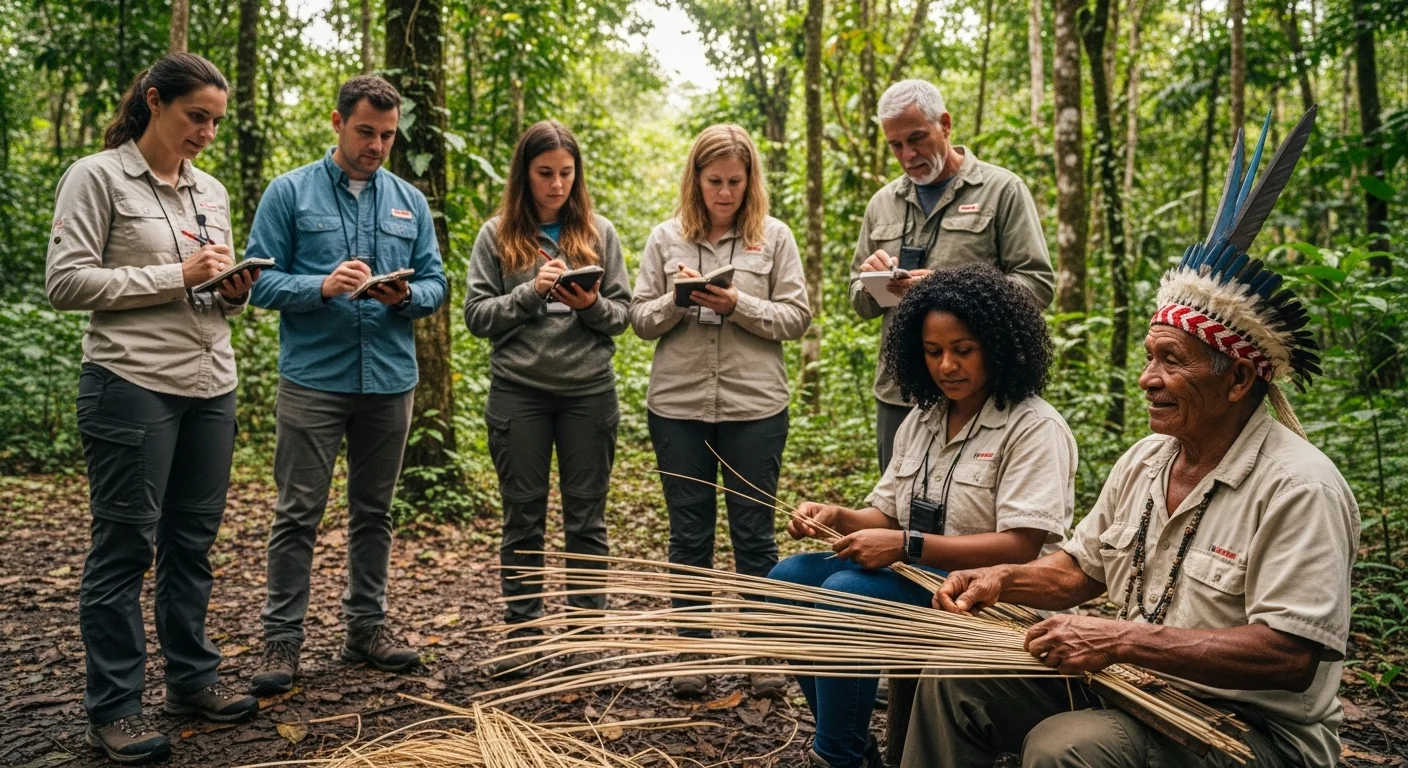
Understanding Indigenous Cultures
What are Indigenous Peoples?
Indigenous peoples are the original inhabitants of a region, often with distinct languages, cultures, and traditions. They have rich histories that predate colonial influences and continue to thrive today, despite facing numerous challenges. I’ve always been fascinated by how these communities maintain their identity while navigating a rapidly changing world. Each Indigenous group has its unique customs, stories, and relationships with the land, which can be deeply insightful for travelers like us.
Significance of Traditional Practices
Traditional practices among Indigenous peoples are not merely relics of the past; they’re vibrant expressions of identity, spirituality, and community. When I first learned about the significance of rituals and ceremonies, I realized how deeply intertwined they are with the natural world and collective memory. For example, many Indigenous cultures see the land as a living entity, deserving of respect and care. This perspective influences their practices, from hunting and gathering to storytelling and art. By engaging with these traditions, we not only enrich our travel experiences but also contribute to their preservation and appreciation. To learn more about these traditions, you can Explore Indigenous Cultures: Traditional Practices Uncovered.
Planning Your Trip: Engaging Responsibly
Researching Indigenous Communities
Before embarking on a journey to Indigenous lands, I recommend doing thorough research. Understanding the specific community’s history, culture, and current issues is crucial. I remember planning a trip to the Southwest U.S. and taking time to learn about the Navajo Nation. I found it enlightening to understand their struggles and triumphs, which helped me appreciate their culture more deeply. Many communities have websites or social media pages where they share news and events, making it easier to connect and learn.
Understanding Cultural Sensitivity
Cultural sensitivity is vital when traveling to Indigenous areas. I’ve observed that what might seem ordinary to us can be sacred to others. For instance, I once visited a site significant to a tribe’s spiritual beliefs and learned that certain areas were off-limits to visitors. Respecting these boundaries is part of being a responsible traveler. I believe it’s essential to listen, observe, and ask questions when appropriate. This approach helps us build trust and rapport with the community.
Choosing Ethical Tour Operators
With so many tour options available, selecting ethical operators is key to ensuring your visit benefits the community. I’ve found that local guides often provide the best insights, as they have a personal connection to the land and its stories. When I traveled to a tribal reservation, I chose a tour guided by a member of the tribe. This choice not only supported the local economy but also offered me an authentic experience that a standard tour couldn’t provide. Look for operators who are transparent about their practices and give back to the communities they represent.
Traditional Practices to Experience
Spiritual Ceremonies and Rituals
One of the most enriching experiences I’ve had while traveling was participating in a traditional ceremony. I was invited to a sweat lodge ceremony led by an Indigenous elder. The experience was deeply moving, filled with prayers, songs, and storytelling. I learned that such ceremonies are often meant for healing and connection, both with oneself and the community. If you’re fortunate enough to be invited to such events, approach them with respect and an open heart, understanding their significance.
Traditional Arts and Crafts
Exploring Indigenous arts and crafts has always been a passion of mine. I remember visiting a local artisan who created beautiful pottery using ancient methods. It was fascinating to see how she incorporated traditional designs that had been passed down through generations. Supporting these artisans not only allows us to take home unique souvenirs but also helps preserve their culture. I’ve collected several pieces over the years, each one telling a story that connects me to the land and its people.
Local Culinary Traditions
Food is a universal language, and trying local dishes can be a delightful way to connect with Indigenous cultures. I recall tasting traditional dishes made from ingredients sourced directly from the land, like wild game and native plants. Each meal was not just about sustenance; it was a way to honor the earth and the community’s history. I encourage everyone to seek out Indigenous culinary experiences, whether through community feasts or local restaurants that highlight traditional recipes. Additionally, for those looking for unique travel opportunities, check out Affordable Indigenous Pilgrimages: A Traveler’s Guide.
Storytelling and Oral Histories
Storytelling is a powerful tradition among Indigenous peoples. I have always been captivated by the stories shared around the fire, where elders recount tales of their ancestors, the land, and the natural world. These narratives often carry lessons, morals, and a sense of belonging. I’ve learned that listening attentively to these stories fosters a deeper understanding of the culture and creates a bond with the storyteller. Whenever I travel, I make it a point to seek out opportunities for storytelling, as they enrich my journey immeasurably.
Key Locations for Indigenous Experiences
National Parks with Indigenous Significance
One of the most impactful ways to engage with Indigenous cultures is through national parks that hold deep significance to these communities. I remember visiting Glacier National Park in Montana, where I learned about the Blackfeet Nation’s connection to the land. The mountains and lakes are not just beautiful; they are sacred sites filled with stories and history. I recommend taking guided tours led by Indigenous people who can share their perspective on the land’s significance. It’s a powerful experience to stand in a place that has been revered for generations, and it helps to deepen our appreciation for both nature and Indigenous traditions.
Indigenous Cultural Centers and Museums
Visiting cultural centers and museums is another enriching way to learn about Indigenous histories and traditions. During a trip to the Pacific Northwest, I explored the Museum of the American Indian in Washington, D.C., and I was amazed by the artifacts and exhibits that showcased the diversity of Indigenous cultures throughout North America. These spaces often feature art, music, and storytelling that reflect the community’s values and teachings. I felt a sense of responsibility to support these institutions as they play a crucial role in preserving and sharing Indigenous narratives. I encourage travelers to spend time in these spaces, as they can serve as a bridge to understanding and appreciating the cultures we are visiting.
Festivals Celebrating Indigenous Heritage
Attending festivals celebrating Indigenous heritage is a vibrant way to immerse yourself in the culture. I had the joy of experiencing the Gathering of Nations Powwow in Albuquerque, New Mexico, and it was nothing short of breathtaking. The colors, music, and dance were alive with energy and meaning. Each performer shared their unique story through their dance and attire, and I felt honored to witness it. Festivals like these not only showcase the beauty of Indigenous traditions but also foster a sense of community and pride. They provide an opportunity for us to engage respectfully and learn firsthand about the customs and values that shape these cultures.
Respecting Indigenous Customs While Traveling
Dress Code and Attire Recommendations
When visiting Indigenous communities, I’ve learned that being mindful of dress code is important. Traditional clothing often holds significant meaning, and wearing it without understanding its context can be seen as disrespectful. I remember choosing my outfits carefully during my travels, opting for modest clothing that respected local customs. I believe it’s best to err on the side of conservatism, especially in ceremonial spaces or during community events. If you’re unsure, I recommend asking locals about appropriate attire or checking community guidelines. This small consideration can go a long way in showing respect.
Photography Etiquette
Photography is another area where respect is crucial. I’ve found that some Indigenous communities have strict guidelines regarding photography, especially during ceremonies or in sacred spaces. I recall a moment when I was photographing a beautiful landscape that held cultural significance, and I noticed a sign asking for no photography. I immediately put my camera away. It’s essential to ask for permission before taking photos of people or ceremonies, as it ensures that we honor their privacy and the sacredness of their practices. Respecting these boundaries not only protects the community’s customs but also enriches our understanding of their world.
Participating vs. Observing
There’s often a fine line between participating and observing in Indigenous communities. During my travels, I’ve learned that being a respectful observer is sometimes the best approach, especially in ceremonies or events that are meant for community members. I remember attending a gathering where I was invited to observe but chose not to participate in certain rituals, as I felt it was important to honor the space and let the community engage fully. If you’re ever in doubt, I recommend asking beforehand. This approach can create trust and respect, allowing us to engage in meaningful and authentic ways.
Engaging with Indigenous Communities
Volunteering Opportunities
Volunteering in Indigenous communities can be an impactful way to give back and engage meaningfully. I once participated in a community garden project on a reservation, and it was an eye-opening experience. I learned about the importance of traditional farming practices and their connection to food sovereignty. The relationships I built with community members were invaluable, and it felt rewarding to contribute to a project that supported their goals. If you’re considering volunteering, look for programs that prioritize community needs and values. This way, you’re participating in a way that is genuinely beneficial to the community.
Support Local Economies through Responsible Tourism
Supporting local economies is another essential aspect of engaging with Indigenous communities. I’ve always made it a point to seek out locally-owned businesses, whether it’s dining at Indigenous-run restaurants or purchasing crafts directly from artisans. I remember visiting a small shop where a woman sold beautifully woven baskets, each telling a story of her family’s history. By purchasing directly from creators, we help sustain their livelihoods and encourage the continuation of their traditions. I believe that responsible tourism can empower communities, allowing them to thrive while sharing their culture with us.
Building Genuine Relationships
Building genuine relationships with Indigenous communities can lead to rewarding experiences. I’ve found that taking the time to connect with individuals, learning their stories, and showing a sincere interest in their culture opens many doors. I remember having a heartfelt conversation with a local elder who shared wisdom about the land and its history. These moments of connection have enriched my travels in ways I never expected. I encourage everyone to approach these relationships with humility, respect, and an open heart. When we engage authentically, we not only learn but also contribute to a mutual exchange of knowledge and respect.
Safety and Comfort Considerations
Health and Safety Tips
When visiting Indigenous communities, I’ve learned that being mindful of health and safety is crucial for a positive experience. For instance, many rural areas may not have access to the same medical facilities we might expect in urban settings. I always make sure to pack a basic first-aid kit with essentials like band-aids, antiseptic wipes, and any personal medications I might need. It’s also wise to stay informed about the nearest healthcare facilities in case of emergencies. During one trip, I encountered a minor injury while hiking, and I was grateful to have my kit on hand.
Additionally, I’ve found that understanding local health practices can be helpful. Some Indigenous communities may have traditional healing practices that are different from what we are used to. I remember meeting a medicine person who shared insights about the healing properties of local plants. This experience opened my eyes to alternative approaches and enhanced my respect for their traditions. Always be open to learning while prioritizing your health and safety.
Transportation Options in Indigenous Regions
Navigating transportation can vary significantly when visiting Indigenous lands. I’ve found that rental cars can be a great option for more remote areas, as public transportation may be limited. During my travels, I often rely on maps and GPS, but I also recommend getting familiar with the local roads and conditions, especially if you’re exploring national parks or reservations.
On one memorable trip, I opted for a guided tour that included transportation. It was not only convenient, but the guide also shared valuable stories along the way, which deepened my understanding of the landscape. I recommend considering local options, as they can provide insights that enhance your journey. Whether you’re taking a scenic drive or joining a tour, being aware of your surroundings and maintaining a flexible schedule can lead to unexpected adventures.
Communication and Language Barriers
Communication can sometimes pose challenges when engaging with Indigenous communities. I’ve experienced moments where language differences might hinder understanding, but I’ve also found that gestures and smiles can go a long way. In some regions, Indigenous languages are still spoken alongside English, which can make interactions richer. I remember attempting to learn a few basic phrases in the local language before a trip. It was met with smiles and appreciation, showing that a little effort goes a long way in building rapport.
Using translation apps on my phone has also been a lifesaver. I found that having these tools handy helped bridge gaps in communication. However, I believe it’s essential to approach conversations with patience and respect, especially if someone seems hesitant to engage. Listening attentively and being open to non-verbal cues can lead to meaningful exchanges that transcend language barriers.
Environmental Considerations
Sustainable Practices to Follow
As travelers, I think we have a responsibility to protect the environments we visit, especially in Indigenous territories where the land holds significant cultural value. I’ve made it a point to practice Leave No Trace principles during my travels, ensuring I leave natural spaces as I found them. Simple actions, like minimizing waste and staying on designated trails, can make a big difference. On one hike in a national park, I picked up litter left by others, hoping to inspire more mindful behavior in the community.
Additionally, I’ve discovered that many Indigenous communities actively engage in sustainable practices, such as community-led conservation efforts. I felt inspired by a project I visited that focused on restoring native plant species. Participating in these initiatives not only helps the environment but also supports the community’s cultural connection to the land. I encourage everyone to seek out ways to contribute positively to the places we explore, ensuring that we honor and protect these beautiful landscapes for future generations.
Understanding Land Rights and Conservation Efforts
Understanding land rights is essential when traveling to Indigenous areas. I’ve learned that many Indigenous communities have fought for recognition and protection of their ancestral lands. Taking the time to educate myself about these issues has deepened my appreciation for the struggles and triumphs of these communities. For instance, I remember visiting a cultural center where the staff provided insights into their ongoing efforts to reclaim land and preserve their traditional ways of life.
During my travels, I’ve also witnessed inspiring conservation efforts led by Indigenous peoples. These initiatives often blend traditional ecological knowledge with modern practices, promoting biodiversity and sustainability. Engaging in conversations about land rights and conservation not only enriches our understanding but also empowers communities to share their stories and advocate for their futures. I encourage everyone to be aware of these issues and consider how our travel choices can support Indigenous communities in their efforts to protect their land and culture.
Frequently Asked Questions
What are Indigenous Peoples?
Indigenous peoples are the original inhabitants of a region, often with distinct languages, cultures, and traditions. They have rich histories that predate colonial influences and continue to thrive today, despite facing numerous challenges.
Why are traditional practices significant among Indigenous peoples?
Traditional practices are vibrant expressions of identity, spirituality, and community. They are deeply intertwined with the natural world and collective memory, influencing aspects such as hunting, gathering, storytelling, and art.
How can travelers engage responsibly with Indigenous communities?
Travelers can engage responsibly by researching Indigenous communities’ history, culture, and issues, practicing cultural sensitivity, and choosing ethical tour operators who support the local economy and communities.
What should travelers know about cultural sensitivity?
Cultural sensitivity involves recognizing that what may seem ordinary to outsiders can be sacred to Indigenous peoples. It’s important to respect boundaries, especially in areas significant to their spiritual beliefs.
What types of traditional experiences can travelers seek out?
Travelers can seek spiritual ceremonies, traditional arts and crafts, local culinary traditions, and storytelling sessions to enrich their understanding of Indigenous cultures.
Why should travelers support local economies when visiting Indigenous communities?
Supporting local economies through responsible tourism helps sustain Indigenous livelihoods and encourages the continuation of their traditions, such as dining at Indigenous-run restaurants and purchasing crafts directly from artisans.
What are some health and safety tips for visiting Indigenous communities?
Travelers should pack a basic first-aid kit, stay informed about local healthcare facilities, and be open to learning about traditional healing practices that may differ from their own.
How can travelers show respect regarding photography in Indigenous areas?
Travelers should always ask for permission before taking photos of people or ceremonies and be aware of any guidelines regarding photography, especially in sacred spaces.
What should travelers consider when it comes to transportation in Indigenous regions?
Travelers should consider renting cars for remote areas, as public transportation may be limited, and they should familiarize themselves with local roads and conditions for a smoother experience.
What are sustainable practices travelers can follow in Indigenous territories?
Travelers should practice Leave No Trace principles, minimize waste, stay on designated trails, and seek opportunities to participate in community-led conservation efforts that support the cultural connection to the land.