
Aerial photography transforms how we see the world from above, capturing breathtaking vistas that leave us in awe. Whether you’re a beginner or an experienced photographer, mastering this art can inspire your creativity. Read Interesting article: Unlock Stunning Views: Aerial Photography Techniques Explained
Understanding Aerial Photography
Definition and Overview
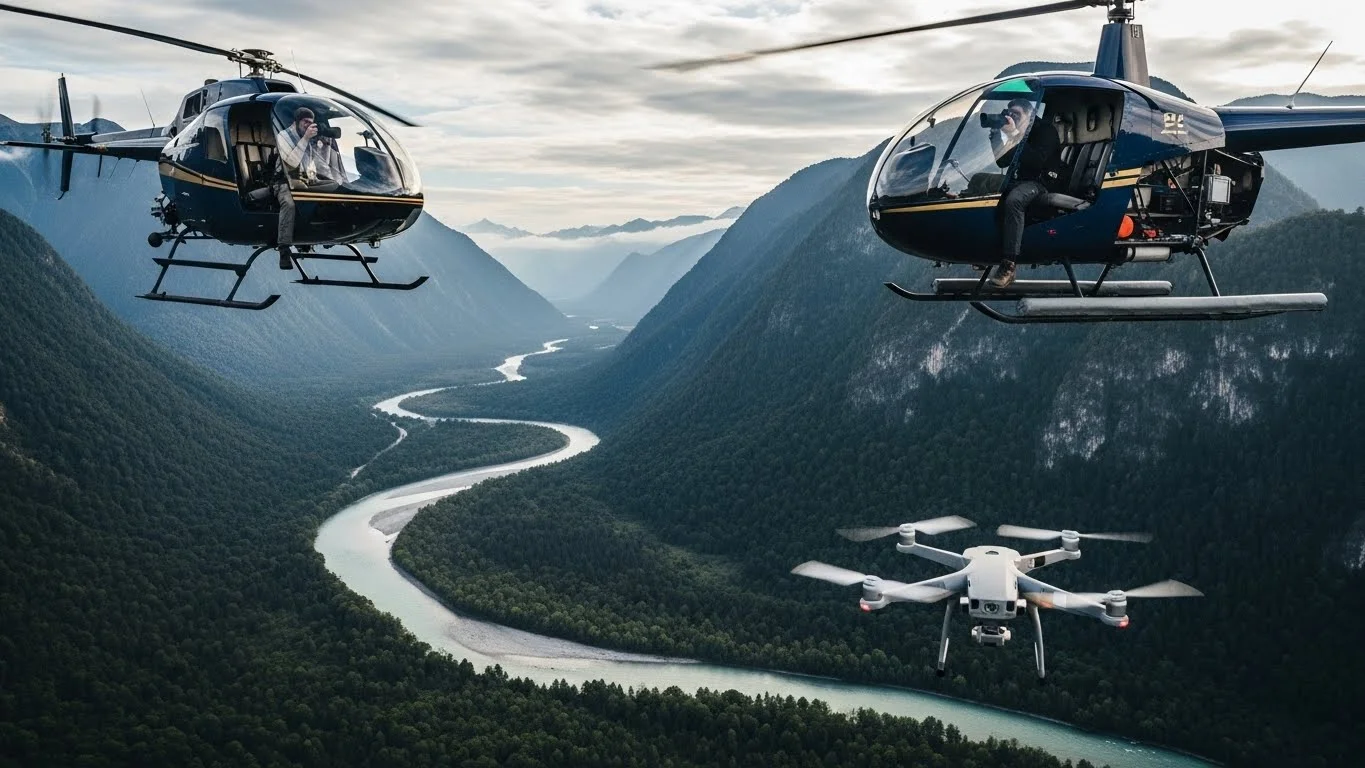
Aerial photography is the art of taking pictures from an elevated position, typically using drones, helicopters, or planes. I remember the first time I looked at an aerial photo; it felt like seeing the world through a new lens. This technique offers a unique perspective, allowing us to capture landscapes, cityscapes, and wildlife in ways that ground-level shots simply can’t match. The beauty of aerial photography lies not just in the high vantage points but also in how it reveals patterns, textures, and the interconnectedness of our environment.
History of Aerial Photography
The roots of aerial photography stretch back to the mid-19th century. The first photograph taken from the air was shot in 1858 by Gaspard-Félix Tournachon, known as Nadar, using a hot air balloon. It’s fascinating to think about how this simple balloon flight sparked a revolution in photography. Over the decades, as technology advanced, so did aerial photography. By the 20th century, we saw significant developments with the introduction of airplanes and dedicated cameras designed for aerial work. I often find myself reflecting on how far we’ve come, from those early balloon shots to the sophisticated drones we use today.
Types of Aerial Photography
When diving into aerial photography, it’s essential to understand the different types. Typically, they fall into two categories: oblique and vertical. Oblique aerial photography captures images at an angle, providing depth and perspective. I love this style because it often tells a more dynamic story. On the other hand, vertical aerial photography captures images straight down, resembling a map. Each type serves its purpose, and I often mix them in my projects to create a more comprehensive view of a location. For more insights on these methods, check out Top Aerial Photography Techniques for Stunning Travel Shots.
Common Uses of Aerial Photography
Aerial photography isn’t just about stunning visuals; it has practical applications too. I’ve seen it used in various fields, from real estate to environmental monitoring. For instance, real estate agents use aerial shots to showcase properties, giving potential buyers a bird’s-eye view of the landscape and nearby amenities. In agriculture, farmers utilize aerial photography for crop monitoring and management. This technique also plays a critical role in urban planning, allowing city planners to visualize land use and infrastructure development. It’s amazing how a simple photograph can influence decisions and strategies in so many areas.
Essential Equipment for Aerial Photography
Drones: Choosing the Right Model
Choosing the right drone is one of the most crucial steps when starting with aerial photography. I remember feeling overwhelmed by the options available. There are many models out there, each with varying features and price points. I recommend looking for a drone that offers a good camera, stable flight, and user-friendly controls. Brands like DJI have become popular among enthusiasts and professionals alike for their reliability and advanced features. Start with something within your budget, and as you gain experience, you can explore more advanced options.
Camera Types and Specifications
Your choice of camera can significantly impact the quality of your aerial photographs. Many drones come equipped with decent cameras, but if you want to go a step further, consider using a drone that allows for interchangeable lenses. When I upgraded my gear, I noticed the difference in image quality right away. Look for a camera with at least 12 megapixels and the ability to shoot in RAW format, which gives you more flexibility in post-processing.
Lenses: Wide-Angle vs. Telephoto
Another aspect to consider is the type of lens you’ll be using. Wide-angle lenses are fantastic for capturing expansive landscapes, while telephoto lenses allow for detailed shots of distant subjects. I often find myself gravitating towards wide-angle lenses when shooting breathtaking vistas, as they truly capture the grandeur of the scene. However, understanding when to switch to a telephoto lens is also essential, especially if you’re trying to isolate specific elements in your composition.
Essential Accessories
There are several accessories that I believe can enhance your aerial photography experience. First and foremost, extra batteries are a must. I can’t count the number of times I’ve had to cut a session short because my battery died. Additionally, consider investing in ND filters to help manage exposure and maintain image quality in bright conditions. A sturdy carrying case is also essential for protecting your gear during transport.
Software for Aerial Photography Editing
Post-processing is where the magic often happens, and having the right software can make a world of difference. Programs like Adobe Lightroom and Photoshop are favorites among many photographers for enhancing images and correcting colors. I’ve spent hours perfecting my shots, and it’s rewarding to see how a little editing can elevate an aerial photo. Don’t be afraid to experiment with different editing techniques to find your unique style. For beginners, I recommend checking out Master Aerial Photography: Essential Techniques for Beginners.
Techniques for Capturing Stunning Aerial Shots
Planning Your Flight Path
One of the first things I learned about aerial photography is that planning your flight path can make a substantial difference in the outcome of your shots. Before I head out, I often take the time to research the location and identify the best angles and compositions. I like to use mapping apps to visualize my flight route, ensuring I cover all the stunning spots without missing any hidden gems. By planning ahead, I can also account for factors like wind direction and potential obstacles, which helps me capture the best images possible.
Understanding Composition Principles
Composition is a key element in photography, and it holds even more significance in aerial shots. I remember when I first learned about the rule of thirds; it transformed how I framed my images. Instead of centering everything, I started to place points of interest along the gridlines or at their intersections. This simple technique adds balance and draws the viewer’s eye naturally into the scene. I also encourage experimenting with leading lines, which can guide the viewer’s gaze through the photo, creating depth and interest. Each time I shoot, I try to remind myself that composition is about storytelling, and every angle can tell a different narrative.
Lighting and Time of Day Considerations
The right lighting can elevate an aerial shot from good to breathtaking. I’ve noticed that the golden hour—shortly after sunrise or before sunset—produces some of the most magical light for photography. The soft, diffused sunlight creates beautiful shadows and highlights, adding depth and texture to my images. On the other hand, midday sun can be harsh and lead to washed-out colors. I often try to plan my shoots around these golden hours to capture the elements of light and shadow that bring my photos to life. Weather also plays a crucial role; sometimes, a little cloud cover can create a dramatic effect that I find incredibly captivating.
Using Altitude to Your Advantage
Having the ability to adjust my altitude while flying has opened up a world of creative possibilities. I remember a specific shoot where changing my height dramatically altered the perspective of the landscape. By flying lower, I was able to capture details that would have been lost from higher altitudes. Conversely, shooting from higher up can offer sweeping views that showcase vast expanses, which can be awe-inspiring. I like to mix it up, experimenting with different altitudes to see what unique perspectives I can uncover. It’s amazing how much a change in height can affect the overall feel of the image.
Incorporating Foreground Elements
One technique I love to use is incorporating foreground elements into my aerial photography. This adds depth, interest, and context to my images. For instance, I might include trees, buildings, or even water features in the foreground to lead the viewer’s eye into the scene. I remember one shoot where I captured a stunning mountain range, but it was the colorful flowers in the foreground that made the shot pop. This technique can enhance the story of your photo, creating layers that invite viewers to explore every part of the image.
Experimenting with Angles and Perspectives
One of the joys of aerial photography is the freedom to explore different angles and perspectives. I often try shooting from various positions to see how the photo changes. Sometimes, I tilt the camera slightly, which can create a dynamic effect that feels more alive and engaging. I’ve also played around with drone movements—flying in a circle or spiraling up can yield stunning results that capture the essence of a scene uniquely. I encourage everyone to break away from the conventional and let curiosity guide you. You never know what breathtaking shot you might discover when you dare to experiment.
Post-Processing Tips for Aerial Photography
Basic Editing Techniques
Once I’ve captured my aerial shots, the fun truly begins in the editing room. I’ve learned that basic editing techniques can dramatically enhance the quality of my images. The first step I usually take is cropping, which helps in framing the subject better and eliminating any distractions from the edges. I also adjust the exposure and contrast to ensure that the details stand out. It’s amazing how just a few tweaks can transform a photo from flat to vibrant. I recommend familiarizing yourself with the basic tools in your editing software to streamline this process.
Color Correction and Grading
Color correction has become one of my favorite steps in post-processing. I remember the first time I adjusted the colors in an aerial shot; it felt like breathing new life into my work. Photos taken from high altitudes can sometimes appear washed out or overly vibrant due to the atmosphere. I often use the HSL (Hue, Saturation, Luminance) sliders to fine-tune the colors in my images. This allows me to make specific colors pop, like the vibrant greens of a forest or the deep blues of a lake. Color grading can also help set the mood of the photo—whether I want it to feel warm and inviting or cool and dramatic.
Enhancing Details and Textures
One of the most satisfying aspects of editing is enhancing the details and textures in my photos. I usually apply some sharpening to bring out the fine details, especially in landscapes where textures can tell a story of their own. I remember a time when I captured a rugged mountain range; enhancing the texture made the peaks look even more majestic. I also like to use clarity adjustments to give my images a bit more punch. However, I remind myself to be cautious with these enhancements; too much can lead to unnatural-looking images. It’s all about finding that perfect balance.
Creating Panoramas and Mosaics
Creating panoramas is another exciting way I like to showcase the stunning vistas I capture. When I have a particularly vast landscape, I often take multiple overlapping shots and stitch them together in post-processing software. It’s a bit of a puzzle, but the result can be breathtaking. I remember one panoramic shot of a coastal sunset; the final image was so expansive that it almost felt like I was standing there. Additionally, I’ve experimented with mosaics, combining several images to form a larger picture. This technique can highlight the details of a scene that might be missed in a single shot. I encourage anyone interested in aerial photography to explore these creative possibilities!
Legal and Safety Considerations in Aerial Photography
Understanding Drone Regulations
As exciting as aerial photography can be, I’ve learned that it comes with its own set of responsibilities. Understanding drone regulations is crucial for anyone looking to fly. Each country has its own rules, and it’s essential to familiarize yourself with the local regulations governing drone operations. I remember the first time I flew in a new area; I took the time to research the laws, which allowed me to fly confidently and legally. Resources like the FAA in the U.S. provide guidelines on registration, flight restrictions, and safety protocols. Always check these regulations before taking to the skies!
Airspace Restrictions
Another critical aspect of flying drones is being aware of airspace restrictions. I’ve discovered that certain areas, such as near airports or military installations, have strict regulations that I must follow. Using apps that provide real-time information about airspace can be a game-changer. They help me identify safe zones for flying and avoid areas where I shouldn’t be. It’s always better to be safe than sorry, and respecting these boundaries not only keeps me within the law but also ensures that I’m flying responsibly.
Privacy Laws and Ethical Considerations
Privacy laws are another layer I’ve had to navigate while pursuing aerial photography. I believe it’s essential to respect the privacy of individuals when capturing images. In my experience, I’ve always ensured that I’m not flying over private properties without permission. It’s a good practice to ask for consent if I suspect someone might be in the frame. This not only helps me avoid legal trouble but also fosters a sense of community and respect. Aerial photography should be about capturing beauty, not invading privacy.
Safety Tips for Flying Drones
Safety is paramount when flying drones. I’ve picked up several tips along the way to ensure a safe flying experience. First, always conduct a pre-flight check of your equipment; it’s amazing how a simple oversight can lead to accidents. I also make it a habit to fly in open areas away from crowds, minimizing the risk of injury to people or damage to property. When conditions are windy or rainy, I choose to postpone my flight. I’ve learned that patience is key—waiting for the right weather can lead to much better results. By prioritizing safety, I not only protect my gear but also everyone around me.
Inspiration and Best Practices
Showcasing Famous Aerial Photographers
As I navigated my journey in aerial photography, I found inspiration from many talented photographers who have made a mark in this field. One of my favorites is George Steinmetz, known for his stunning images taken from a paraglider. His ability to capture the world from unique angles resonates with me, especially as he often highlights environmental and cultural themes in his work. Another photographer that stands out is Yann Arthus-Bertrand, whose series, “Earth from Above,” profoundly illustrates the beauty and fragility of our planet. I remember flipping through his book and feeling a deep connection with the landscapes he portrayed; it motivated me to strive for a similar emotional impact in my own work. There’s so much to learn from these artists, and following their work can inspire us to think outside the box and push our creative boundaries.
Analyzing Iconic Aerial Photography Examples
Analyzing successful aerial photography examples can be a great way to improve our skills. I’ve found that breaking down the elements of a photograph I admire helps me understand what makes it compelling. For instance, I often examine how photographers use light, composition, and color to evoke emotions. One iconic image that comes to mind is the breathtaking shot of the Great Wall of China snaking through the mountains. I admire how the photographer utilized the landscape’s curves to lead the viewer’s eye, creating a sense of depth. By studying such examples, I’ve learned to appreciate the thought process behind each shot, which has been instrumental in developing my own style.
Participating in Aerial Photography Communities
Engaging with aerial photography communities has also enriched my experience. I’ve joined online forums and social media groups where enthusiasts share tips, techniques, and feedback. These communities are vibrant and supportive, making it easy to connect with other photographers who share my passion. I remember posting one of my aerial shots and receiving constructive criticism that helped me see my work from a different perspective. Participating in challenges and contests has pushed me to explore new techniques and subjects that I might not have considered otherwise. The camaraderie and shared enthusiasm in these groups remind me that we are all on a journey together, learning and growing side by side.
Advanced Techniques and Future Trends
Using 360-Degree Aerial Photography
One of the exciting trends I’ve been exploring is 360-degree aerial photography. This technique allows us to capture an immersive view of the surroundings, providing a richer experience for viewers. I remember the first time I experimented with a 360-degree shot; it felt like I was opening a door to a whole new world. By using specialized cameras or drones equipped with 360 capabilities, I’ve been able to create interactive images that invite the viewer to explore every angle. This has added a new layer to my work and opened up possibilities for storytelling that are truly engaging.
Integrating Drone Mapping and Surveying
Drone mapping and surveying have become increasingly popular, especially in fields like agriculture, construction, and environmental monitoring. I’ve seen firsthand how aerial photography can provide valuable data for these industries. For instance, during a project on crop health assessment, I used aerial imagery to identify areas needing attention. The precision and detail captured from above can provide insights that ground-level observations might miss. This integration of photography with practical applications is a trend I’m excited to watch grow. It feels good to know that our passion for photography can also contribute to real-world solutions.
Emerging Technologies in Aerial Photography
Lastly, I’m fascinated by the emerging technologies in aerial photography. Advances in drone technology, such as improved battery life and enhanced camera capabilities, are paving the way for new creative opportunities. I’ve recently learned about AI-driven editing software that can help streamline the post-processing phase, making it easier for photographers to achieve stunning results. Keeping up with these innovations not only inspires me but also pushes me to adapt and incorporate new techniques into my work. I believe that as technology continues to evolve, so will our ability to capture the beauty of our world from above.
Final Thoughts
Aerial photography is a thrilling journey that combines art, technology, and adventure. From understanding the equipment to mastering techniques and navigating legal considerations, each step brings its own set of challenges and rewards. I’ve found that passion and curiosity are the guiding forces that fuel our creativity in this field. Whether you’re capturing sprawling landscapes or intimate details, the beauty of aerial photography lies in its ability to reveal the world from new perspectives. As we continue to explore and innovate, I hope we all find joy in the process and inspiration in the stunning images we create. Let’s keep flying high and capturing the wonders of our planet!
Frequently Asked Questions
What is aerial photography?
Aerial photography is the art of taking pictures from an elevated position, typically using drones, helicopters, or planes. It offers a unique perspective, allowing us to capture landscapes, cityscapes, and wildlife in ways that ground-level shots cannot match.
What are the main types of aerial photography?
The main types of aerial photography are oblique and vertical. Oblique aerial photography captures images at an angle, providing depth and perspective, while vertical aerial photography captures images straight down, resembling a map.
What are some common uses of aerial photography?
Aerial photography is used in various fields, including real estate for showcasing properties, agriculture for crop monitoring, and urban planning for visualizing land use and infrastructure development.
What essential equipment is needed for aerial photography?
Essential equipment for aerial photography includes a suitable drone, a good camera (preferably with interchangeable lenses), and accessories such as extra batteries, ND filters, and a sturdy carrying case.
What software is recommended for editing aerial photographs?
Popular software for editing aerial photographs includes Adobe Lightroom and Photoshop, which are used for enhancing images and correcting colors. Familiarizing oneself with these tools can significantly improve photo quality.
How can I capture stunning aerial shots?
To capture stunning aerial shots, it is important to plan your flight path, understand composition principles, consider lighting and time of day, use altitude creatively, and incorporate foreground elements for added depth.
What are some tips for post-processing aerial photography?
Basic editing techniques such as cropping, adjusting exposure and contrast, color correction, enhancing details and textures, and creating panoramas or mosaics can significantly enhance aerial photographs.
What legal and safety considerations should I be aware of in aerial photography?
When engaging in aerial photography, it is crucial to understand drone regulations, be aware of airspace restrictions, respect privacy laws, and follow safety tips for flying drones to ensure a responsible and legal experience.
Who are some famous aerial photographers to draw inspiration from?
Famous aerial photographers include George Steinmetz, known for his unique angles captured from a paraglider, and Yann Arthus-Bertrand, whose work highlights the beauty and fragility of the planet in his series “Earth from Above.”
What emerging trends are there in aerial photography?
Emerging trends in aerial photography include 360-degree aerial photography for immersive views, integrating drone mapping and surveying for practical applications, and advancements in drone technology that enhance creative opportunities.