
Embarking on an Indigenous pilgrimage can be a transformative journey, connecting us to the rich cultural heritage of Native communities. Let’s explore how to experience these sacred travels without breaking the bank. Read Interesting article: Backpacking Through History: Affordable Heritage Site Adventures
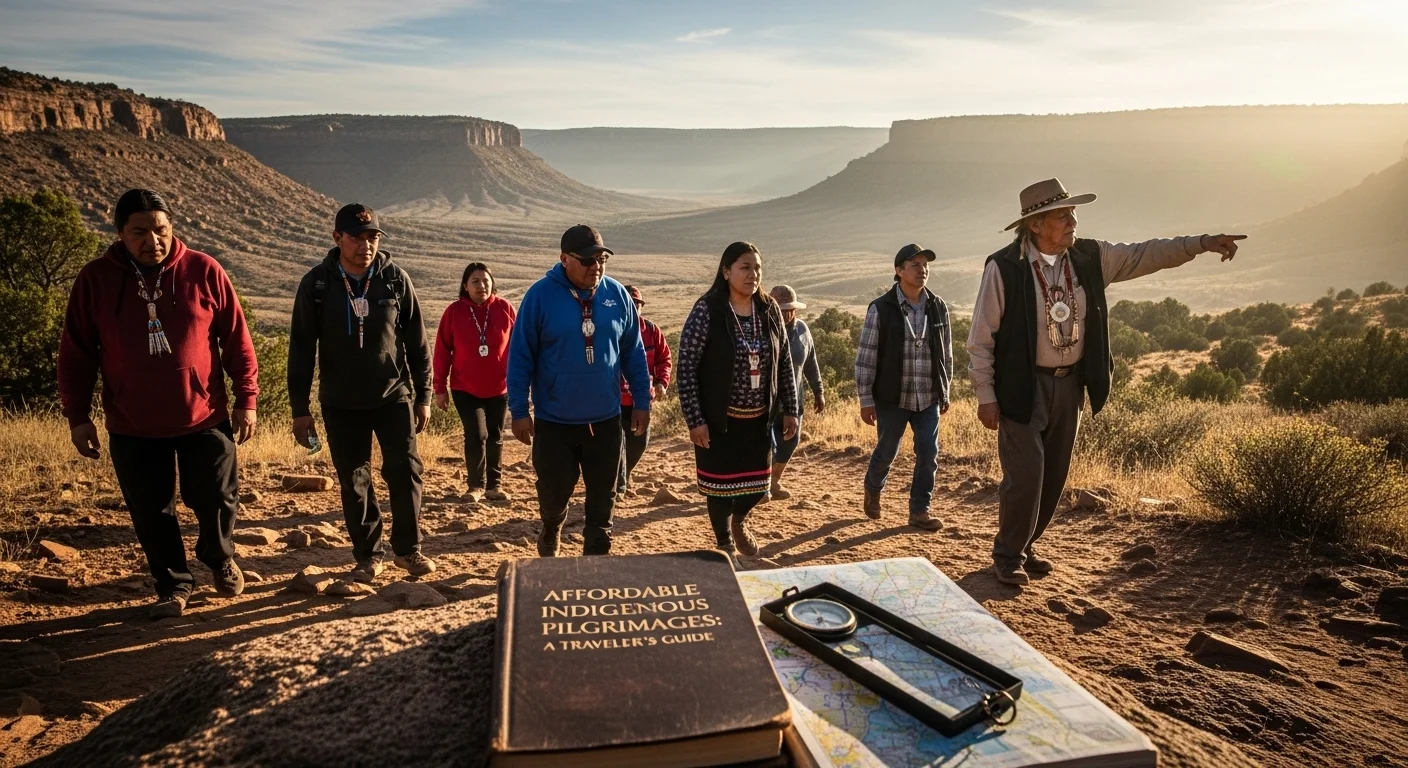
Understanding Indigenous Pilgrimages
What is an Indigenous Pilgrimage?
An Indigenous pilgrimage is more than just a journey; it’s a profound exploration of spirituality, culture, and community. These pilgrimages often lead to sacred sites, where travelers can connect with the land and the stories of Indigenous peoples. I’ve come to understand that each pilgrimage is unique, reflecting the traditions and beliefs of the community it represents. For instance, visiting a sacred mountain or participating in a ceremony can open doors to experiences that deepen our understanding of Indigenous cultures.
The Cultural Significance of Pilgrimages in Indigenous Communities
In many Indigenous communities, pilgrimage holds deep cultural significance. It’s often seen as a rite of passage or a way to honor ancestors and the natural world. I remember attending a ceremony where elders shared stories of their ancestors, imparting wisdom that connected the past to the present. These stories are central to the identity of the community and are often shared during pilgrimages. For example, among the Lakota Nation, the annual Wiping of the Tears ceremony reflects a journey of healing and remembrance. Experiencing these moments firsthand has left a lasting impact on me, reminding me of the importance of respecting and honoring these traditions.
Participating in an Indigenous pilgrimage also provides an opportunity to witness how these communities maintain their cultural practices in a modern world. I’ve seen how they blend traditional knowledge with contemporary issues, making their practices relevant and accessible. This connection to the past helps preserve their identity and fosters a sense of belonging among community members and visitors alike.
Top Affordable Indigenous Pilgrimage Destinations
The Sacred Sites of the Lakota Nation
One of my favorite pilgrimage experiences was visiting the Lakota Nation’s sacred sites in South Dakota. Places like Bear Butte and the Black Hills are not just breathtakingly beautiful; they are also steeped in cultural history. I remember standing on the hills, feeling the energy of the land and the stories that have been passed down through generations. These sites often offer guided tours that are affordable, making it easier for travelers like us to connect with the land and its significance. I recommend checking local listings for community-led tours, as they often provide authentic insights that are hard to find in guidebooks.
Exploring the Powwow Circuit
The powwow circuit is another fantastic, budget-friendly option for those looking to engage with Indigenous cultures. I’ve attended several powwows across the country, and each one was a vibrant celebration of music, dance, and community. These events often welcome visitors, showcasing traditional dances and crafts. The best part? Many are free or have a small entry fee. It’s a great way to immerse yourself in the culture while supporting local artisans. Plus, I always leave feeling energized and inspired by the unity and pride of the participants.
Journey to the Sacred Mountains of the Navajo
The Navajo Nation offers a unique pilgrimage experience through its sacred mountains. I had the opportunity to hike around the San Francisco Peaks, which are considered sacred by the Navajo people. The beauty of the landscape is awe-inspiring, and the connection to the spiritual stories of the land adds depth to the experience. Make sure to check for guided hikes that are led by Navajo guides, as they share stories that are not only educational but also deeply moving. The cost is often reasonable, especially when compared to other tourist experiences. I felt a sense of peace and understanding as I walked the trails, connecting with both nature and the rich cultural history of the Navajo people. Read Interesting article: Essential Gear for Budget Mountain Trekking Adventures
Visiting the Ancestral Lands of the Hopi Tribe
The Hopi Tribe’s ancestral lands in Arizona are another incredible destination for an Indigenous pilgrimage. I was fortunate enough to visit during a traditional ceremony, and the experience was unforgettable. The Hopi people have a deep connection to their land, and they share this through ceremonies that celebrate their history and spirituality. I recommend checking the Hopi Cultural Center for information on upcoming events, which often include affordable entry fees. Engaging with the Hopi community allowed me to see their resilience and strength, and I left with a greater appreciation for their way of life.
As we explore these affordable Indigenous pilgrimage destinations, we uncover not only beautiful landscapes but also deep connections to culture, history, and community. These journeys remind us of the importance of honoring and respecting the traditions that have shaped many Indigenous peoples for generations. I encourage anyone interested in travel to consider these experiences, as they can be both enriching and enlightening. Read Interesting article: Explore Cultural Treks: Budget Adventures Await You
Planning Your Indigenous Pilgrimage
When to Visit: Seasonal Considerations
Timing your pilgrimage can greatly enhance your experience. I’ve learned that different seasons bring unique opportunities and challenges. For example, summer is often packed with festivals and ceremonies, making it an exciting time to visit. I remember attending a summer powwow that was filled with colorful regalia and lively dances, which made for an unforgettable experience. However, be prepared for larger crowds during peak season.
On the other hand, visiting during spring or fall can offer a quieter and more reflective atmosphere. I found that springtime in the Southwest brings vibrant wildflowers and the chance to witness traditional planting ceremonies. Fall is often a time for harvest celebrations, which are equally rich in cultural significance. If you’re interested in specific ceremonies or events, make sure to check the community calendars ahead of time so you don’t miss out on anything special.
How to Choose the Right Pilgrimage Experience
Choosing the right pilgrimage can feel overwhelming, given the many beautiful options available. From my experience, it’s essential to reflect on what you’re hoping to gain from the journey. Are you looking for spiritual growth, cultural education, or simply an adventure in nature? I found that clarifying my intentions helped narrow down the choices significantly.
Sometimes, talking to people who have done similar pilgrimages can provide insight. I remember speaking with fellow travelers who had visited the Pueblo communities in New Mexico, and their stories inspired me to plan my own trip. Additionally, researching communities and understanding their specific practices and beliefs can help align your pilgrimage experience with your personal values.
Budgeting for Your Trip
Budgeting is a crucial aspect of planning any pilgrimage, and I’ve discovered that with some careful thought, it can be done affordably. While some experiences may have entry fees, many community events, like powwows or local festivals, are free or donation-based. I recommend setting a budget for transportation and accommodations before diving into activities.
Another tip is to reach out to local Indigenous organizations for information on scholarships or sliding scale fees for certain events. I did this once, and it opened up opportunities I didn’t even know existed. Also, consider the cost of meals; while it’s tempting to eat at restaurants, I’ve found that local markets often have delicious and affordable options that allow you to taste authentic Indigenous cuisine.
Transportation Options for Pilgrimages
Getting to your chosen destination is another important consideration. I’ve traveled by car, bus, and even plane, depending on where I was headed. Road trips can be an adventure in themselves, allowing for spontaneous stops and the chance to explore the beautiful landscapes along the way. I remember driving through the desert on my way to a ceremony, marveling at the stunning scenery that surrounded me.
If you’re considering public transportation, many areas have reliable bus services that connect to Indigenous communities. However, do keep in mind that schedules can be limited, especially in rural areas. I’ve learned to plan ahead and check transportation options well in advance to avoid any last-minute surprises. Carpooling with friends or fellow travelers can also be a fun way to share costs and make new connections.
Accommodation and Amenities
Affordable Lodging Options
Finding a place to stay that fits your budget is key to enjoying your pilgrimage. I’ve stayed in everything from cozy motels to community-run lodges. Local guesthouses often provide an intimate experience, allowing you to connect with the host community. I remember staying at a small lodge run by a Native family, learning about their culture over shared meals. It was a highlight of my trip!
Another option is to look for hostels or campsites if you’re open to a more adventurous experience. Camping can be a fantastic way to immerse yourself in nature. I’ve camped near sacred sites, and waking up to the sounds of nature each morning was an experience I’ll never forget. Always check for availability, especially during peak seasons, as these spots can fill up quickly.
Camping and Outdoor Experiences
Camping has a special place in my heart, particularly when it comes to Indigenous pilgrimages. It allows for a deeper connection to the land and provides a unique opportunity to reflect on the teachings and stories shared during the day. I’ve found that many Indigenous communities have designated camping areas that are both affordable and rich in cultural significance.
When camping, I always make sure to respect the land and follow any guidelines provided by the local community. I remember once being invited to a sacred fire ceremony while camping, which added a profound layer to my experience. These outdoor experiences can be transformative, allowing you to engage with nature and community on a deeper level.
Local Food and Dining Experiences
Food is such an integral part of cultural experiences, and I’ve been fortunate to enjoy many local Indigenous dishes during my travels. I always recommend trying traditional foods when visiting Indigenous communities. Not only are they delicious, but they often come with stories and connections to the land. I remember savoring frybread and blue corn pancakes at a local café, learning about their significance to the community while enjoying every bite.
Many Indigenous communities also have farmers’ markets or local food festivals that showcase fresh produce and traditional cooking techniques. Participating in these events was one of the most enjoyable aspects of my journey, as I met local artisans and learned about their farming practices. Plus, it’s a great way to support the community and take home some unique flavors from your pilgrimage!
Respectful Travel Practices
Understanding Indigenous Etiquette
As I’ve navigated my own journey through various Indigenous communities, I’ve learned that understanding and respecting the local etiquette is crucial. Each community has its own customs and practices, and being aware of these can make a significant difference in how you’re received. For example, when visiting sacred sites, I always make sure to ask permission before taking photos. I remember a moment when I was at a sacred site and saw a group of tourists snapping pictures without considering the implications. It made me realize that respect is not just about being polite; it’s about honoring the significance of what you’re experiencing.
Another important aspect of etiquette is being mindful of language and gestures. I’ve noticed that using respectful terms when addressing community members, and avoiding stereotypes, goes a long way in building trust. I often remind myself that I’m a guest in their space, and it’s my responsibility to show appreciation for their culture. When in doubt, I’ve found that simply asking questions and showing genuine curiosity can lead to meaningful conversations and experiences.
Engaging with Local Communities
Engaging with local communities has been one of the most rewarding parts of my pilgrimages. I’ve learned that many Indigenous people appreciate when visitors take the time to learn about their culture and traditions. During my travels, I’ve participated in workshops where I learned traditional crafts or cooking techniques. I remember spending an afternoon with a local artisan who taught me how to weave a simple basket. Not only did I leave with a beautiful piece, but I also gained insight into the significance of weaving in their community.
Being open to conversations with local residents can lead to unforgettable experiences. I’ve often found myself invited to share meals or attend community events simply because I showed interest in their way of life. These moments have enriched my journey, allowing for a deeper understanding of their stories and struggles. I believe that when we engage respectfully with local communities, it fosters mutual respect and friendship.
Supporting Indigenous Businesses
Supporting Indigenous businesses is another way to show respect and appreciation for the culture while enhancing your travel experience. I’ve discovered that many Indigenous artisans, farmers, and entrepreneurs offer products and services that reflect their heritage. During my travels, I always make it a point to visit local markets and shops. I remember finding stunning handcrafted jewelry made from local materials, and the stories behind each piece added to their charm.
By purchasing goods from Indigenous artists, I felt I was contributing to the sustainability of the community. It’s not just about shopping; it’s about recognizing and valuing the hard work and creativity that goes into these products. Whenever I buy something, I make sure to ask about the story behind it. Those moments often lead to fascinating discussions about their cultural practices and the meanings behind the art. Plus, I always come home with unique gifts that carry a piece of their culture with me.
Safety and Preparation
What to Pack for Your Pilgrimage
Preparing for an Indigenous pilgrimage involves thoughtful packing. I’ve learned that the right gear can make all the difference in ensuring a comfortable and enjoyable experience. Depending on your destination, I recommend packing layers of clothing, as temperatures can vary greatly, especially in mountainous or desert regions. I remember hiking in the early morning when it was chilly, only to find myself shedding layers as the sun warmed the day.
Essential items I always bring along include a good pair of walking shoes, a refillable water bottle, and sun protection like hats and sunscreen. I also pack a small notebook or journal to jot down my thoughts and reflections during the journey. Documenting my experiences has become a cherished practice; it allows me to revisit the lessons I’ve learned and the connections I’ve made.
Health and Safety Tips
Health and safety should always be a priority when embarking on a pilgrimage. I’ve found it helpful to research the health services available in the area I’m visiting. Some remote communities may have limited access to medical facilities, so I make sure to have a basic first aid kit on hand. When I was in a rural area once, I was grateful for the kit when a fellow traveler had a minor scrape. It’s these little things that can make a big difference in your comfort and peace of mind.
Additionally, I recommend staying hydrated and maintaining a balanced diet, especially if you’re engaging in physical activities like hiking. I’ve felt the effects of altitude sickness during high-altitude pilgrimages, so I always take it slow and allow my body to acclimate. Paying attention to my body and listening to its needs has been a valuable lesson during my travels.
Emergency Contacts and Resources
Having a plan for emergencies is vital for any pilgrimage. I usually compile a list of important contacts, including local emergency services, nearby hospitals, and community resources. It’s also a good idea to inform someone about your travel plans, especially when venturing into remote areas. I once had a friend who got separated from our group during a hike; luckily, we had shared our itineraries, and we were able to reunite without too much worry.
Before heading out, I also research the local customs and laws of the area. Understanding the cultural nuances can help avoid misunderstandings and ensure a respectful experience. I find that being prepared not only enhances my trip but also allows me to focus on the spiritual and cultural aspects of the pilgrimage without unnecessary stress.
Frequently Asked Questions
What is an Indigenous pilgrimage?
An Indigenous pilgrimage is a profound exploration of spirituality, culture, and community that often leads to sacred sites, allowing travelers to connect with the land and the stories of Indigenous peoples.
Why are pilgrimages significant in Indigenous communities?
In many Indigenous communities, pilgrimage holds deep cultural significance as a rite of passage or a way to honor ancestors and the natural world, often sharing central stories of identity during these journeys.
What are some affordable Indigenous pilgrimage destinations?
Some affordable Indigenous pilgrimage destinations include the sacred sites of the Lakota Nation in South Dakota, the powwow circuit across the country, the sacred mountains of the Navajo Nation, and the ancestral lands of the Hopi Tribe in Arizona.
When is the best time to visit for an Indigenous pilgrimage?
Timing your pilgrimage can enhance your experience; summer is filled with festivals and ceremonies, while spring and fall offer quieter atmospheres and opportunities to witness traditional planting and harvest celebrations.
How can I budget for an Indigenous pilgrimage?
Budgeting for your trip can be done affordably by setting a budget for transportation and accommodations, researching free or donation-based community events, and reaching out to local organizations for scholarships or sliding scale fees.
What transportation options are available for Indigenous pilgrimages?
Travelers can choose from various transportation options including cars, buses, or planes, with road trips offering scenic views and public transportation being available in many areas, though schedules may be limited in rural regions.
What types of accommodations are recommended for Indigenous pilgrimages?
Recommended accommodations include local guesthouses, hostels, camping sites, or community-run lodges, which provide intimate experiences and opportunities to connect with the host community.
What should I pack for my Indigenous pilgrimage?
When packing for an Indigenous pilgrimage, bring layers of clothing for varying temperatures, good walking shoes, a refillable water bottle, sun protection, and a notebook or journal for reflections.
What health and safety tips should I consider?
It’s important to research available health services, carry a basic first aid kit, stay hydrated, maintain a balanced diet, and pay attention to altitude changes during physical activities.
How can I engage respectfully with local Indigenous communities?
Engaging respectfully involves understanding local etiquette, participating in community events, and supporting Indigenous businesses, while showing genuine interest in their culture and traditions.