
Backpacking is about adventure, exploration, and connecting with local cultures. One of the best ways to do this? Through affordable local eats that tantalize your taste buds and keep your budget intact! If you’re looking for more tips on saving while traveling, check out Backpacking on a Budget: Top Affordable Stay Tips.
Understanding Backpacking Food Culture
The Importance of Local Cuisine on a Budget
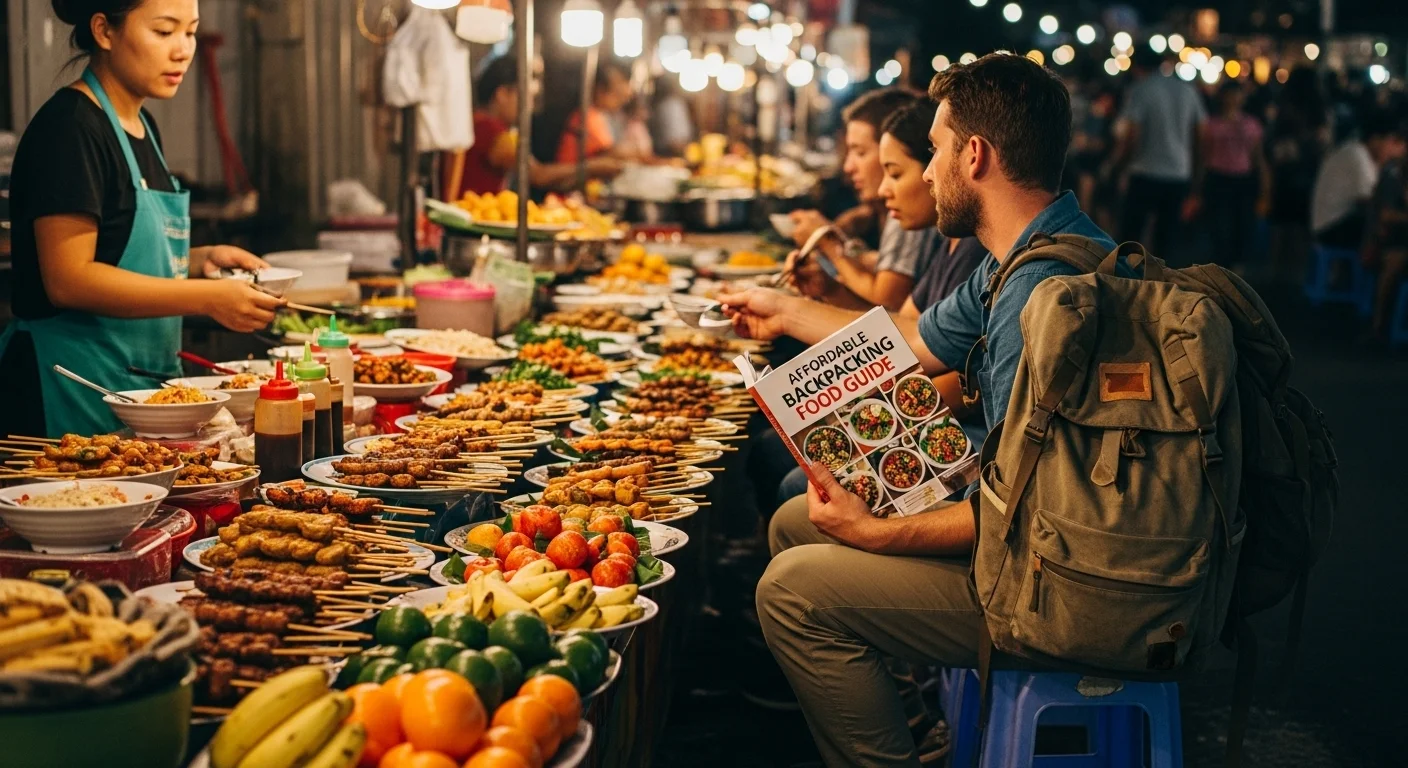
When I first started backpacking, I quickly discovered that local cuisine is the heart and soul of any travel experience. I remember walking through the bustling streets of Bangkok, the aroma of street food wafting through the air, making my stomach rumble. Eating local food not only satisfies hunger but also immerses you in the culture of the place you’re visiting. Plus, it’s often much cheaper than dining in touristy restaurants. I’ve spent mere dollars on a filling meal that was bursting with flavor, while my friends who opted for Western-style meals often paid triple! This taught me the invaluable lesson that to truly experience a place, I needed to embrace its local food culture.
How Food Enhances Travel Experiences
Food has this magical way of connecting us. I remember sitting on a tiny plastic stool at a street vendor in Mexico City, enjoying tacos al pastor. The vendor shared his family’s secret recipe while I savored each bite. It created a bond—an authentic experience I couldn’t have replicated in a fancy restaurant. Eating local food enhances travel experiences by giving you stories to tell, people to meet, and flavors to savor. Each meal becomes a memory that we carry with us long after the trip is over. When I reflect on my travels, it’s often the meals I shared and the food I tasted that stand out most vividly.
Planning Your Backpacking Food Strategy
Setting a Food Budget
One of the first things I do when planning a backpacking trip is to set a food budget. It’s easy to underestimate how much you’ll spend on meals, especially if you’re not familiar with local prices. I usually allocate about 30% of my total budget to food. This includes street food, restaurants, and snacks. By keeping track of my spending during the trip, I can adjust as needed—if I find myself indulging in more expensive meals, I simply cut back on snacks or opt for cheaper lunch options. Trust me, having a budget keeps my wallet happy and allows me to enjoy more meals without the stress of overspending. For additional tips on budget-friendly options, consider exploring Discover Affordable Luxury: Budget-Friendly Villa Rentals.
Researching Local Cuisine Before You Go
Before I embark on any adventure, I love researching the local cuisine of my destination. Websites, travel blogs, and even YouTube videos can provide insight into what to expect. For instance, I remember learning about the famous pho in Vietnam and the exciting variety of spices used in Indian cuisine. I’ll jot down must-try dishes and make a list of local eateries that come highly recommended. This preparation makes me feel more connected to the culture and helps me make informed decisions once I arrive. I often find that locals appreciate it when travelers show an interest in their food heritage!
Essential Cooking Gear for Backpackers
If you’re planning to cook while backpacking, having the right gear can make a world of difference. I’ve learned that packing light is key, so I focus on essentials. A portable stove, a compact pot, and a lightweight pan are must-haves. I also carry a multi-tool, which has proven invaluable for everything from opening cans to cutting veggies. I often bring a small container of my favorite spices, too—it’s amazing how a pinch of seasoning can elevate a simple meal. When we camp, gathering fresh ingredients from local markets adds excitement to the cooking process. Plus, it’s fun to share meals with fellow backpackers and swap recipes!
Backpacking food culture isn’t just about what we eat; it’s about the connections we make and the experiences we gather along the way. By planning ahead and immersing ourselves in local cuisine, we can enjoy delicious meals that won’t break the bank, creating lasting memories in the process. So, let’s dive deeper into the world of affordable eats and discover how we can savor every bite on our next adventure! If you’re looking for unique experiences, check out Affordable Luxury Safari Stays: A Budget Traveler’s Guide.
Top Affordable Eats Around the World
Street Food Delights
I’ve often found that the most memorable meals come from the streets. Street food has a unique charm; it’s not just about the food itself but also the experience that surrounds it. When I think of street food, I envision colorful stalls, sizzling sounds, and the laughter of locals enjoying their meals. Each region has its own specialties, and here are some of my favorite discoveries.
Asia: Must-Try Street Foods
Asia is a street food lover’s paradise. In Thailand, I couldn’t resist the mouthwatering pad thai from a street vendor in Chiang Mai. Watching the vendor expertly toss the noodles and ingredients together was an art form in itself. I also fell in love with the soft, fluffy bao buns filled with savory pork in Taiwan—each bite was like a warm hug! Then there’s India, where I found myself devouring crispy samosas from a roadside stand in Delhi. They were perfectly spiced and paired with a tangy tamarind chutney that made my taste buds dance.
Latin America: Street Vendors to Seek Out
In Latin America, street food is often where you’ll find the heart of the culture. I remember standing in a vibrant plaza in Mexico City, savoring elote—grilled corn on the cob slathered with lime juice, mayonnaise, cheese, and chili powder. It’s a flavor explosion! In Colombia, I discovered arepas, which are these delightful corn cakes that can be filled with anything from cheese to avocado. Each vendor had their own twist, making it a fun culinary adventure. On my travels, I’ve learned that street food is not just filling; it’s a dive into the local lifestyle.
Africa: Local Markets and Street Fare
Exploring the street food scene in Africa has also been an eye-opening experience. In Marrakech, I wandered through the bustling Jemaa el-Fnaa square, where food stalls come alive in the evening. The aroma of tagines, grilled meats, and fresh bread filled the air. I remember trying a spicy harira soup that warmed me up on a chilly night, while locals gathered around to share stories and laughter. In South Africa, biltong (dried cured meat) became my go-to snack while hiking. It’s high in protein and perfect for keeping my energy up on the trails. Each meal I had in Africa was a reminder of the continent’s rich traditions and flavors.
Budget-Friendly Restaurants
While street food is fantastic, I’ve also stumbled across some incredible budget-friendly restaurants that serve up local favorites. It’s always a thrill to find a hidden gem where you can enjoy a hearty meal at a fraction of the price of tourist spots.
Europe: Affordable Eateries
In Europe, I’ve found that small family-run restaurants often offer the best value. In Italy, a charming trattoria in Florence served up delicious pasta at prices that won’t make your wallet cry. I remember indulging in a plate of cacio e pepe that was so simple yet bursting with flavor. In Spain, I discovered tapas bars where I could sample a variety of dishes without breaking the bank. Sharing plates with friends made for a lively experience, and it felt like a true celebration of food.
North America: Hidden Gems
Back in North America, I’ve also uncovered some hidden gems that serve fantastic meals on a budget. In New Orleans, I found a local po’ boy shop that served up massive sandwiches filled with crispy fried shrimp. I couldn’t believe how affordable it was, and every bite transported me to the heart of the city. In Canada, I’ve enjoyed poutine from roadside food trucks—fries topped with cheese curds and gravy. It’s a heartwarming dish, perfect for late-night cravings after a long day of exploration.
Supermarkets and Grocery Shopping Tips
Sometimes, the best meals come from simply spending a little time in a local supermarket. I’ve often done my grocery shopping while traveling, and it’s a great way to save money while sampling local ingredients.
Finding Fresh Ingredients
When I visit a new place, I love wandering through local markets. I’m always on the lookout for fresh fruits and vegetables that are in season. In Southeast Asia, I’ve found vibrant markets filled with tropical fruits like mangosteen and rambutan, which make for refreshing snacks. In Europe, I’ve often picked up fresh bread, cheese, and cured meats to create my own picnics. There’s something delightful about gathering fresh ingredients and creating delicious meals on the go.
Budget Meals and Snacks
Buying groceries can also help stretch my food budget. I’ve learned to cook simple meals like stir-fries or pasta dishes using local produce and pantry staples. I remember picking up a few ingredients in Vietnam and making a delightful banh mi at my hostel. Buying snacks like nuts, yogurt, or local pastries at the supermarket has become a ritual for me, ensuring I have fuel for my adventures without overspending. Plus, it’s a fun way to experiment with different flavors and ingredients!
Local Food Etiquette and Customs
Dining Etiquette by Region
When it comes to enjoying local cuisine, understanding dining etiquette is just as important as knowing what to eat. I remember my first meal in Japan, where I nervously navigated the rules of chopstick use and proper greetings. Each region I’ve traveled to has its own unique customs that reflect its culture. For example, in Thailand, I learned that it’s polite to eat with a fork and spoon, while in Italy, I discovered that it’s frowned upon to ask for extra cheese on your pasta. I recommend doing a little research beforehand to avoid any cultural faux pas. It not only shows respect but also enhances your dining experience, allowing you to connect more deeply with the locals.
Understanding Portion Sizes and Sharing
Another interesting aspect of food culture is portion sizes and the practice of sharing meals. I’ve found that in many countries, sharing is a common practice and a wonderful way to connect with others. In Spain, for instance, tapas are meant to be shared among friends, encouraging conversations and interactions. I remember one evening in Barcelona, sitting at a table filled with small plates, laughter filling the air as we passed around delicious bites. In contrast, I noticed that in some places, like the United States, individual servings can be quite large. Understanding these differences can help us better appreciate the dining experience, and it’s a great way to try a variety of dishes without overindulging.
How to Interact with Local Food Vendors
Interacting with local food vendors can be one of the most rewarding aspects of travel. I often find myself engaging in conversations with street vendors, asking about their recipes or the history behind their dishes. I remember standing at a food stall in Bangkok, where the vendor not only served me the most delicious pad thai but also shared stories of his family’s cooking traditions. Approaching vendors with genuine curiosity can lead to memorable exchanges and even recommendations for hidden gems. Plus, it creates a personal connection to the food you’re enjoying. I always try to learn a few phrases in the local language; a friendly “thank you” or “this is delicious” can go a long way.
Food Safety Tips for Backpackers
Identifying Safe Eating Places
Food safety is crucial when we’re exploring new cuisines. I’ve learned to trust my instincts when it comes to choosing where to eat. Look for places that are busy with locals—this usually indicates that the food is fresh and safe. I remember wandering through the streets of Hanoi and spotting a bustling pho stall surrounded by local patrons. I decided to give it a try, and it turned out to be one of the best meals of my life! Additionally, I always keep an eye out for cleanliness and food handling practices. If a place looks unkempt or if the vendor isn’t following basic hygiene practices, I skip it and look for somewhere else.
Handling Food Allergies and Dietary Restrictions
As someone who has a few food sensitivities, I understand how important it is to communicate dietary needs clearly while traveling. I recommend carrying a card that lists your allergies or restrictions in the local language. This has saved me from some awkward situations. For example, in a small restaurant in Italy, I managed to avoid gluten by showing the waiter my card, which led to a delicious gluten-free risotto recommendation. Many vendors are happy to accommodate, but it’s essential to be clear and polite when communicating your needs.
Staying Healthy While Traveling
Staying healthy while indulging in local cuisine can be a balancing act. I’ve learned to incorporate fruits and vegetables into my meals whenever possible. While I love street food, I also make a point to visit local markets where I can pick up fresh produce. In Mexico, I discovered that fresh juices are not only refreshing but also packed with nutrients. It’s all about finding that balance between treating myself to delicious food and ensuring I’m nourishing my body. I’ve also found that drinking plenty of water is essential, especially in hotter climates. Carrying a reusable water bottle has been a game-changer for keeping hydrated and reducing plastic waste.
Creating Your Own Meals on a Budget
Easy Recipes for Backpackers
When it comes to creating meals on the road, I’ve found that simplicity is key. One of my go-to recipes is a one-pot pasta dish, which requires minimal ingredients and can be whipped up in no time. I simply boil some pasta, toss in a handful of fresh vegetables, and add a splash of olive oil and seasoning. It’s quick, nutritious, and a great way to use up any leftover ingredients I have on hand. I’ve also enjoyed making wraps with tortillas, local veggies, and proteins; they’re easy to carry and perfect for picnics during my adventures.
Cooking with Limited Resources
Cooking while backpacking often means working with limited resources, but that doesn’t have to compromise flavor. I remember a time in a hostel kitchen where the only cooking equipment available was a single burner and a pan. I decided to make a simple stir-fry using leftover rice and whatever vegetables I found at a nearby market. The result was delicious! I’ve learned to be resourceful and creative, often transforming what seems like meager ingredients into satisfying meals. Embracing this mindset has turned cooking into a fun challenge rather than a chore.
Meal Prepping for Longer Trips
For longer trips, meal prepping can help save time and money. I often dedicate a day before my journey to prepare snacks and easy meals. I’ll bake energy bars or pack nuts and dried fruits for hiking days. When I was in Southeast Asia, I prepped rice and veggies to carry with me for lunches. This not only kept my budget in check but also ensured I had healthy options on hand. I’ve found that a little planning goes a long way in enhancing my travel experience, allowing me to focus on exploring rather than worrying about what to eat.
Frequently Asked Questions
What is the significance of local cuisine while backpacking?
Local cuisine is considered the heart and soul of any travel experience. It immerses travelers in the local culture and is often more affordable compared to dining in touristy restaurants.
How can food enhance travel experiences?
Food creates authentic experiences and connections with locals. Each meal can become a memorable story, enriching the travel experience beyond just sightseeing.
What is a recommended food budget for backpacking trips?
It’s suggested to allocate about 30% of your total budget to food, which includes street food, restaurants, and snacks. Tracking spending can help adjust the budget as needed.
Why is it important to research local cuisine before traveling?
Researching local cuisine helps travelers understand what to expect, allows them to list must-try dishes, and shows locals that travelers appreciate their food heritage.
What essential cooking gear should backpackers consider bringing?
Backpackers should consider packing a portable stove, a compact pot, a lightweight pan, a multi-tool, and perhaps a small container of favorite spices to enhance cooking while on the road.
What are some must-try street foods in Asia?
In Asia, popular street foods include pad thai from Thailand, bao buns from Taiwan, and crispy samosas from India, each offering unique flavors and experiences.
What types of budget-friendly restaurants can travelers look for in Europe?
Travelers can find great value in small family-run restaurants, such as trattorias in Italy serving delicious pasta or tapas bars in Spain offering a variety of dishes to share.
How can grocery shopping help backpackers save money on food?
Grocery shopping allows travelers to buy fresh local produce, cook simple meals, and create snacks, helping stretch their food budget and enjoy local flavors without overspending.
What dining etiquette should backpackers be aware of when traveling?
Dining etiquette varies by region; for instance, in Japan, proper chopstick use is important, while in Italy, asking for extra cheese on pasta can be frowned upon. Researching these customs can enhance the dining experience.
How can travelers ensure food safety while enjoying local cuisine?
Travelers should look for busy eateries frequented by locals, observe cleanliness, and trust their instincts. It’s also advisable to communicate dietary restrictions clearly to avoid potential issues.