
Urban photography is a treasure trove of opportunities, waiting to be explored at affordable destinations. Let’s dive into the world of vibrant streets, stunning skylines, and captivating cultural scenes that every photographer should experience.
Overview of Urban Photography
What is Urban Photography?
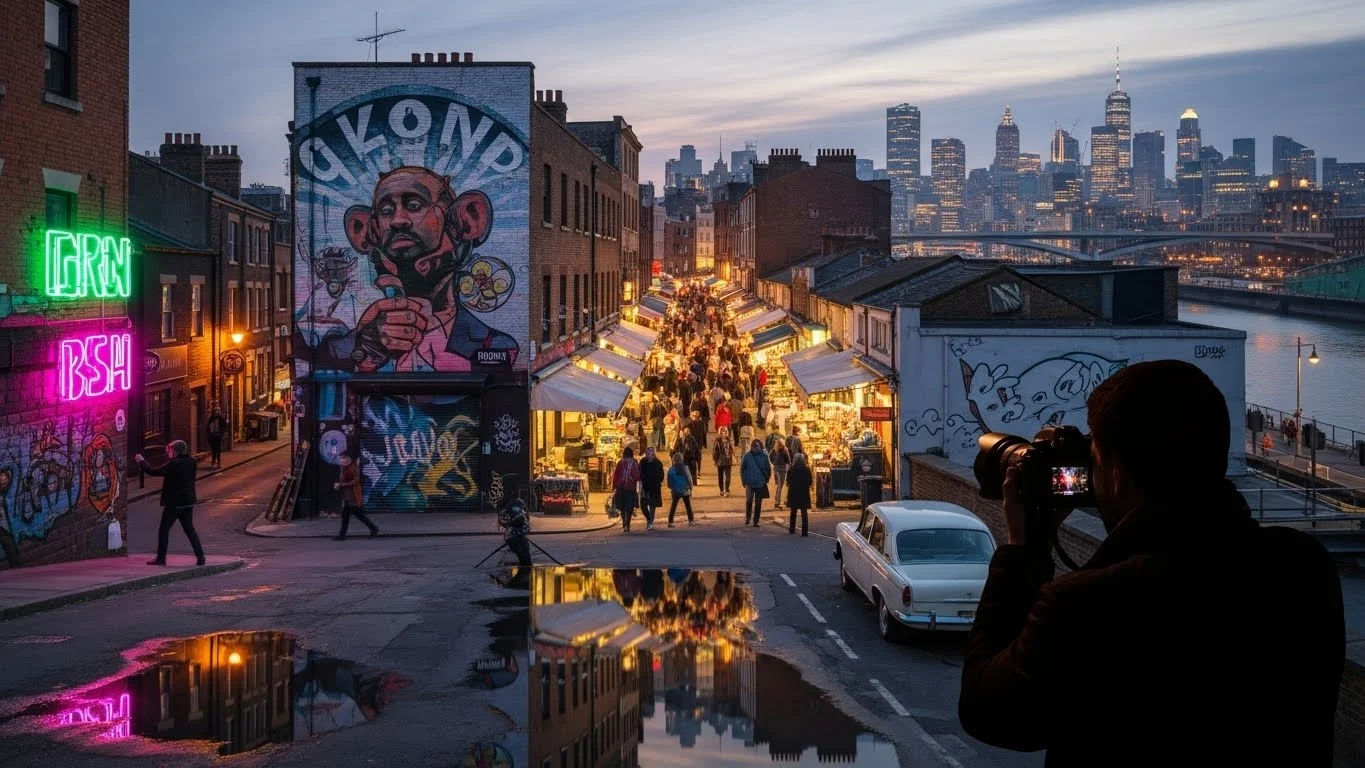
Urban photography is, at its core, about capturing the essence of city life. It involves photographing the architecture, streets, and the people that inhabit urban spaces. I’ve always found urban photography to be a fascinating blend of art and storytelling. You’re not just taking pictures; you’re capturing moments that reflect the pulse of a city. Each photograph tells a tale, whether it’s the bustling streets filled with life or the quiet corners adorned with history. From my experience, urban photography challenges us to see the beauty in everyday life, encouraging us to explore and connect with our surroundings.
Importance of Capturing Urban Landscapes
Capturing urban landscapes is essential for several reasons. First, cities are living entities that evolve constantly. By photographing them, we document their history, culture, and transformations. I remember walking through the streets of Chicago and feeling the weight of its architectural legacy. Each building, each street corner, narrates a story of the city’s past, present, and future. Secondly, urban photography offers a unique perspective on various social issues. By capturing the diverse lives and cultures within a city, we gain insight and empathy for the experiences of others. I believe that through our lenses, we can bridge gaps and foster a deeper understanding of what makes each city unique.
Top Affordable Urban Photography Destinations
Street Art Hotspots
Street art has become a defining feature of urban culture, transforming blank walls into vibrant canvases. For anyone interested in photography, these hotspots are pure gold.
Wynwood Walls, Miami
Wynwood Walls in Miami is a paradise for street art lovers. I visited this area and was blown away by the colorful murals and the creativity that sprawls across the walls. Each piece tells a story, reflecting the culture and vibe of the city. It’s a perfect place to practice shooting wide-angle shots and capturing intricate details. The best part? It’s completely free to explore! Just grab your camera, walk around, and you’ll find endless subjects to photograph. I often recommend visiting early in the morning when the sunlight casts a warm glow, illuminating the vibrant colors of the murals.
Shoreditch, London
Another must-see location is Shoreditch in London. This trendy neighborhood is known for its eclectic street art scene. I found that every turn I took revealed a new mural or sticker, making it an exciting place to shoot. The mix of styles—from graffiti to stencils—adds character to the area. I loved capturing candid shots of people interacting with the art, which adds a layer of storytelling to my photos. Plus, Shoreditch has a lively atmosphere with cafes and markets, making it a great spot to relax and reflect on your shots.
Iconic Skyline Views
Every city has its iconic skyline, and capturing these views can elevate your urban photography game.
Chicago Riverwalk, Chicago
The Chicago Riverwalk is an incredible spot for skyline photography. I remember standing by the water, watching the city’s skyscrapers reflect off the river. The combination of modern and historic buildings creates a stunning backdrop. I recommend heading there during the golden hour; the warm light makes the skyline pop. You can also experiment with different angles from the bridges or the banks, giving you plenty of variety in your shots.
Brooklyn Bridge, New York City
Another iconic location is the Brooklyn Bridge in New York City. Walking across this bridge offers breathtaking views of the Manhattan skyline. I found it exhilarating to capture both the bridge’s architecture and the city in the background. Early mornings or late afternoons are the best times to visit, as the light enhances the beauty of the scene. Don’t forget to include some foreground elements, like the bridge’s cables, to create depth in your photos!
Historic Architecture
Historic architecture is another fascinating aspect of urban photography. It tells a story of a city’s past and offers a beautiful contrast to modern designs.
French Quarter, New Orleans
The French Quarter in New Orleans is a photographer’s dream. The colorful buildings and intricate ironwork balconies create a charming atmosphere that invites exploration. I was captivated by the lively street scenes, music, and unique culture. When photographing the architecture, I found that incorporating local life into the frame resulted in more dynamic images. I suggest wandering through the streets during the daytime to capture the vibrant energy of this historic area.
Gaslamp Quarter, San Diego
In San Diego, the Gaslamp Quarter offers a mix of Victorian architecture and modern flair. Strolling through this district, I noticed how the buildings tell the story of the city’s development. This area is especially beautiful at night when the buildings are lit up. Read Interesting article: Budget Backpacking: Mastering Urban Night Photography It’s a great opportunity to practice nighttime photography and experiment with long exposures. The contrast of the warm lights against the cool night sky creates a magical atmosphere.
Vibrant Markets and Cultural Districts
Markets and cultural districts are alive with colors, textures, and people, making them perfect for urban photography.
La Boqueria, Barcelona
La Boqueria in Barcelona is one of the liveliest markets I’ve ever visited. The vibrant colors of the fresh produce, meats, and local delicacies are a feast for the eyes. I loved capturing candid shots of vendors and locals interacting with the products. The bustling atmosphere provides endless opportunities for dynamic photography. I recommend getting there early to avoid the crowds and to fully enjoy the experience.
Chinatown, San Francisco
Chinatown in San Francisco is another vibrant area that captures the essence of urban life. The colorful storefronts, traditional decorations, and lively streets are perfect for capturing culture and community. I found that photographing the details—like the intricate designs on the buildings or the food stalls—tells a more profound story about the place. It’s an excellent way to immerse yourself in the culture and capture the city’s spirit.
Best Times for Urban Photography
Golden Hour: When to Shoot for the Best Light
One of the best pieces of advice I ever received about photography was to pay attention to the light. The golden hour, that magical time shortly after sunrise and just before sunset, creates a warm, soft glow that can transform even the most mundane scenes into stunning visuals. I remember standing on a busy street in San Francisco, camera in hand, as the sun dipped low on the horizon. The light filtered through the buildings, casting long shadows and illuminating the pavement with a golden hue. It felt like the city was wrapped in a cozy blanket, and my photos reflected that warm atmosphere.
During the golden hour, colors become more vibrant, and the contrast in your images improves significantly. I often find that shooting during this time helps me capture the energy of urban life in a way that feels more intimate and inviting. It’s incredible how the same scene can look drastically different at various times of the day. If you’re planning a photo walk, I highly recommend checking the sunrise and sunset times for your location to make the most of this beautiful lighting.
Seasonal Considerations and Events
Urban photography isn’t just about the time of day; the seasons can also dramatically affect your images. Each season brings its unique palette and mood. For instance, I’ve found spring to be particularly magical, especially in cities with lush parks and blooming flowers. I remember visiting Washington, D.C. during the cherry blossom festival. The streets were filled with pink and white blossoms, and I was able to capture the beauty of the trees against the backdrop of historic monuments. It was a sight to behold!
Fall can be equally stunning, with the changing leaves adding warm hues to cityscapes. I love photographing urban parks during this time when the trees are ablaze with color. Additionally, don’t overlook local events and festivals. They can provide a wealth of photo opportunities, from street performers to unique cultural celebrations. I had a fantastic time shooting a local street fair where the vibrant decorations and lively crowd added layers of excitement to my shots. Read Interesting article: Capture the City: Urban Night Photography Tips for Travelers
Essential Photography Gear for Urban Shooting
Camera Recommendations for Beginners
If you’re just starting with urban photography, you might feel overwhelmed when it comes to choosing the right camera. I’ve been there! I recommend starting with a good entry-level DSLR or mirrorless camera. Cameras like the Canon EOS Rebel series or the Sony Alpha a6000 are user-friendly and offer great image quality without breaking the bank. They allow you to experiment with different settings as you learn, which is essential for capturing the dynamic environments of urban settings.
Another option is to use a compact camera or even a smartphone with a good camera. I often carry my smartphone for quick snaps when I don’t want to lug around my DSLR. The convenience of having a camera in your pocket means you can capture spontaneous moments that reflect the essence of city life.
Must-Have Lenses for Urban Landscapes
The lens you choose can make a significant difference in your urban photography. A versatile zoom lens, like a 24-70mm, is a great all-rounder for capturing everything from street scenes to architecture. I’ve used this lens countless times, and it never fails me. For those moments when I want to capture sweeping cityscapes or tight spaces, a wide-angle lens, like a 16-35mm, comes in handy. It’s perfect for fitting more into the frame and creating dramatic perspectives.
Additionally, a prime lens, such as a 50mm f/1.8, can be fantastic for street photography. The shallow depth of field lets you isolate your subjects beautifully, helping to convey stories in my images. I often find that using different lenses helps me see familiar places in new ways, which keeps my photography fresh and exciting.
Accessories to Enhance Your Urban Photography
When it comes to urban photography gear, there are a few accessories that I believe can elevate your experience. A sturdy tripod is essential for low-light situations or capturing long-exposure shots, especially at night when the city lights come alive. I’ve found that using a tripod allows me to experiment with different compositions and ensures my images are sharp.
Another accessory I can’t live without is a good camera bag. Urban environments can be chaotic, and having a secure, comfortable bag to carry my gear helps me stay organized and ready to shoot. I recommend looking for one that blends style and functionality, allowing you to navigate the streets without drawing too much attention to your gear.
Lastly, consider investing in a polarizing filter. This little gem can help reduce glare and enhance colors, particularly when shooting urban scenes with reflective surfaces. I’ve noticed that using a polarizing filter can add a level of depth to my photographs, making the colors pop and the sky more vibrant. Read Interesting article: Capture the Wild: Budget Tips for Conservation Photography
Techniques for Capturing Stunning Urban Shots
Playing with Perspectives and Angles
One of the joys of urban photography is the ability to experiment with different perspectives. I’ve learned that changing your point of view can drastically alter the mood of a photograph. For example, I often find myself getting low to the ground for a unique angle that emphasizes the vastness of the city skyline above. It’s amazing how this simple shift can create a more dramatic and engaging image.
Another technique I enjoy is finding elevated viewpoints, like rooftops or hills, to capture the city from above. This perspective can add depth and context to your shots, highlighting the layout of the urban landscape. I remember climbing to the top of a parking garage in Los Angeles and capturing the sprawling city below—an incredible sight that I wouldn’t have experienced from street level.
Utilizing Natural Light Effectively
Natural light is one of our best friends in photography, and it can change the tone of an urban scene in an instant. I’ve found that shooting during overcast days can create a soft, diffused light that’s perfect for capturing details without harsh shadows. On the other hand, shooting at sunset can add a warm glow to your images, as I experienced during a dusk photo walk along the waterfront in Seattle.
Pay attention to how light interacts with buildings and people. I often look for interesting shadows or reflections that can add depth and intrigue to my photos. This attention to natural light can transform a good photo into a great one.
Incorporating Movement and People
Urban environments are full of life, and incorporating movement into your shots can make them more dynamic. I love capturing people in their everyday routines—whether it’s a cyclist zipping past, a street performer entertaining a crowd, or locals chatting at a café. These candid moments breathe life into my photographs and tell more engaging stories.
To capture movement effectively, I sometimes use a slower shutter speed to create a sense of motion. For example, while shooting a busy street scene, I might set my shutter speed to around 1/30th of a second to blur the passing cars while keeping my subject in focus. This technique adds a sense of energy and urgency to the image, encapsulating the hustle and bustle of city life.
Local Food and Culture: A Photographer’s Delight
Popular Local Dishes to Capture
As I’ve explored various cities, one of the most delightful parts of urban photography has been capturing the local food culture. Food isn’t just sustenance; it’s a representation of a city’s identity and history. I remember being in New Orleans, where the vibrant colors and textures of dishes like gumbo and beignets were as photogenic as they were delicious. The way the powdered sugar dusted these fluffy pastries against the backdrop of the lively streets was pure magic. When photographing food, I often choose natural light to highlight the details and colors, which brings the dish to life.
Another memorable experience was in Barcelona, where I indulged in tapas. The presentation of these small plates, with their vibrant ingredients, provided excellent opportunities for close-up shots. I recommend experimenting with different angles—overhead shots can work wonders, especially when the table is filled with a variety of dishes. Whether it’s street food vendors or fine dining, capturing the local cuisine can convey a story about the culture and lifestyle of the people.
Cultural Events and Festivals to Photograph
Cultural events and festivals are some of the best moments to capture the essence of a city. I’ve had the chance to attend a few local festivals while traveling, and they always provide rich photography opportunities. For instance, during the Carnival in Rio de Janeiro, the streets were alive with color, music, and dance. I felt like I was in the midst of a vibrant painting, with people dressed in elaborate costumes and the lively rhythms filling the air. I learned that photographing events like this requires a good mix of anticipation and spontaneity; the energy is infectious, and being ready to capture candid moments is key.
Another fantastic experience was during the Día de los Muertos celebration in Mexico City. The altars adorned with marigolds, photos, and offerings were breathtaking, and the atmosphere was filled with love and remembrance. I found that engaging with locals and asking for permission before taking their photos made the experience even richer. Festivals allow us to tell powerful stories through our images, capturing the unity and joy of a community celebrating together.
Safety Tips for Urban Photographers
Staying Safe While Shooting in the City
While urban photography offers incredible opportunities, safety should always be a priority. I remember feeling a mix of excitement and caution while exploring unfamiliar streets. One of the first things I learned was to be aware of my surroundings. I often avoid pulling out my camera in crowded areas where I might attract unwanted attention. Instead, I try to blend in and shoot discreetly, especially in urban environments that may feel a bit sketchy. Trusting my instincts has kept me safe more times than I can count.
It’s also vital to keep your gear secure. I prefer using a crossbody camera bag that I can easily access while keeping it close to my body. This way, I can quickly grab my camera without it being overly cumbersome. And, of course, it’s wise to travel light—bringing only what I truly need for the day helps me stay nimble and focused on the photography rather than my equipment.
Respecting Local Customs and People
Respecting local customs and the people I photograph is something I feel passionately about. I’ve found that engaging with locals can lead to more meaningful photographs. Before snapping a picture of someone, I always try to make eye contact and smile, conveying that I appreciate their presence in my frame. If they seem receptive, I often ask for permission, which builds trust and can lead to more genuine moments being captured.
Additionally, I try to familiarize myself with the cultural norms of the area I’m visiting. For example, in some cultures, photography may be frowned upon in certain areas or during specific events. Being mindful of these customs shows respect and enhances the overall experience for both myself and the community. I think it’s essential to remember that photography is not just about the shot; it’s about the connections we make along the way.
Budget Travel Tips for Urban Photographers
Affordable Accommodation Options
Finding a place to stay that won’t break the bank is crucial for any budget-conscious traveler. I’ve had great success with platforms like Airbnb, where I’ve found unique and affordable accommodations in the heart of various cities. Staying in residential neighborhoods often gives me a more authentic experience and insights into local life. I remember booking a cozy apartment in Lisbon, which not only saved me money but also allowed me to explore local markets and eateries just around the corner.
Hostels are another excellent option, especially for solo travelers or those looking to meet new people. I’ve stayed in several hostels where I made friends from all over the world, and many of them offered great communal spaces to share stories and tips about photography and travel. Plus, they often have organized tours or activities, which can be a fun way to discover the city.
Public Transportation Tips
Using public transportation is not only budget-friendly, but it also offers a chance to experience the city like a local. I’ve found that getting a day pass or travel card can save you a lot of money while allowing unlimited travel on buses, trams, or subways. In cities like Tokyo or Paris, I’ve enjoyed hopping on and off trains, capturing candid moments of daily life along the way. I often carry my camera in a small bag to have it handy for spontaneous shots during my commutes.
Also, walking is one of the best ways to experience a city intimately. I love wandering through neighborhoods, discovering hidden gems, and capturing unique scenes that might be missed from a vehicle. Bringing a comfortable pair of shoes is essential, as you never know how far you’ll roam while chasing the perfect shot!
Free or Low-Cost Attractions to Photograph
Every city has its share of free or low-cost attractions that make for fantastic photography opportunities. I often seek out parks, public squares, or historical landmarks that don’t require an entry fee. For example, in Paris, the Sacré-Cœur Basilica offers stunning views of the city and beautiful architecture without any cost. I spent a sunny afternoon there, capturing the lively atmosphere of people enjoying the space.
Another tip is to explore local art installations or community events that are often free to access. I remember stumbling upon an outdoor exhibit in a park in Berlin that showcased local artists. It not only provided excellent photo opportunities but also allowed me to connect with the city’s vibrant art scene. Taking the time to research free events or attractions before my trip has always paid off, giving me memorable experiences without straining my wallet.
Frequently Asked Questions
What is urban photography?
Urban photography is about capturing the essence of city life, including architecture, streets, and the people inhabiting urban spaces. It blends art and storytelling, reflecting the pulse of a city through photographs that narrate its history and culture.
Why is capturing urban landscapes important?
Capturing urban landscapes is essential as it documents the history, culture, and transformations of cities. It also offers unique perspectives on social issues, fostering understanding and empathy for the diverse lives within urban environments.
What are some top affordable destinations for urban photography?
Some top affordable urban photography destinations include Wynwood Walls in Miami, Shoreditch in London, the Chicago Riverwalk, and the Brooklyn Bridge in New York City, as well as historic areas like the French Quarter in New Orleans and the Gaslamp Quarter in San Diego.
When is the best time for urban photography?
The best time for urban photography is during the golden hour, shortly after sunrise and just before sunset, when the light is warm and soft. Additionally, considering seasonal changes and local events can enhance the mood and color of urban images.
What camera recommendations are there for beginners in urban photography?
For beginners, entry-level DSLR or mirrorless cameras like the Canon EOS Rebel series or the Sony Alpha a6000 are recommended. Compact cameras or smartphones with good cameras can also be convenient for quick shots.
What lenses are essential for urban photography?
A versatile zoom lens, such as a 24-70mm, is great for various urban scenes, while a wide-angle lens (16-35mm) is useful for cityscapes. A prime lens like a 50mm f/1.8 is excellent for street photography due to its shallow depth of field.
What safety tips should urban photographers keep in mind?
Urban photographers should stay aware of their surroundings, avoid attracting attention in crowded areas, keep their gear secure, and travel light to stay nimble and focused on photography.
How can photographers respect local customs and people?
Photographers can respect local customs by engaging with locals, asking for permission before taking photos, and familiarizing themselves with cultural norms of the area they are visiting to enhance the experience and build trust.
What budget travel tips are available for urban photographers?
Affordable accommodation options include using platforms like Airbnb or staying in hostels. Utilizing public transportation can also save money and offer authentic city experiences, while seeking out free or low-cost attractions provides excellent photography opportunities.
What techniques can enhance urban photography?
Techniques that can enhance urban photography include playing with perspectives and angles, utilizing natural light effectively, and incorporating movement and people to create dynamic and engaging images.