
Wildlife photography is an exhilarating adventure, capturing the beauty of nature and its creatures. If you’re passionate about this art form and want to explore without breaking the bank, I’ve got some fantastic insights for you! Read Interesting article: Top Wildlife Photography Tours for Eco-Conscious Travelers
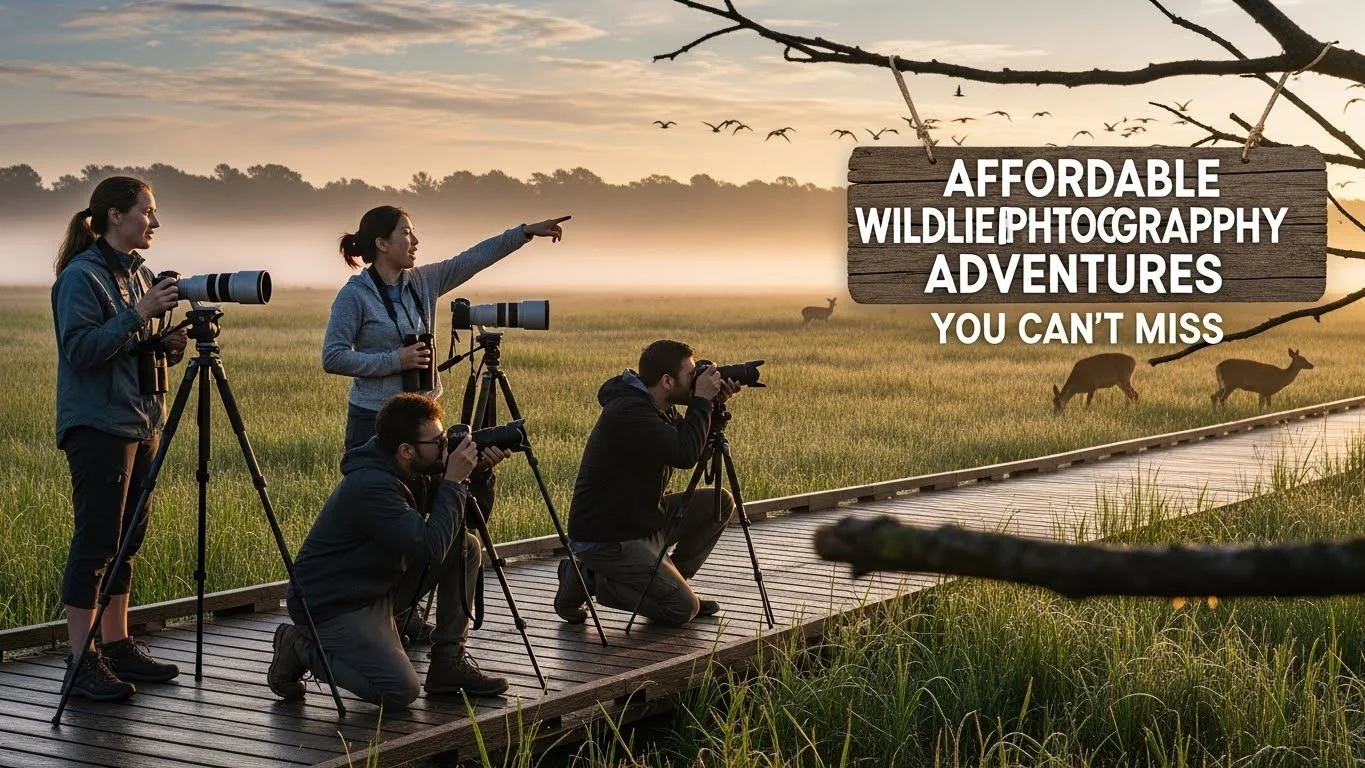
Understanding Wildlife Photography Adventures
What is Wildlife Photography?
Wildlife photography is more than just snapping pictures of animals; it’s about telling a story through images. I remember the first time I went on a wildlife photography trip. The thrill of watching an eagle soar above me, the rush of capturing its grace on camera—it was magical. Wildlife photography allows us to connect with nature, to witness moments that most people will never see up close. It involves patience, skill, and sometimes a bit of luck. While landscapes can be stunning, animals add a dynamic element that can turn a good photo into a great one.
The Importance of Ethical Wildlife Photography
As photographers, we have a responsibility to protect the animals and their habitats. I’ve seen some photographers get too close, disturbing wildlife just for a shot. Ethical wildlife photography means respecting the animals and their environment. This could mean observing from a distance, avoiding nesting areas, and never feeding wildlife. When I first learned about these principles, I felt a deeper connection to my subjects. I realized that the best photos come from moments captured in a way that honors nature. By following ethical guidelines, we can ensure that wildlife will continue to thrive for future generations to appreciate. Read Interesting article: Cultural Immersion: Your Guide to Sustainable Travel Adventures
Top Affordable Wildlife Photography Destinations
National Parks for Wildlife Photography
National parks are some of the best spots for wildlife photography. They offer diverse ecosystems and abundant wildlife, often at a fraction of the cost of private reserves. I’ve explored several parks over the years, and each one has left a lasting impression on me.
Yellowstone National Park
Yellowstone is an iconic destination for wildlife lovers. I remember my visit vividly—the chance to see bison roaming the plains and wolves in their natural habitat was surreal. The park is home to an impressive array of animals, including elk, grizzly bears, and countless bird species. The best part? Entry fees are relatively low, especially if you plan ahead and use a national park pass. I recommend visiting during the early morning or late evening when wildlife is most active, and the light is perfect for photography.
Yosemite National Park
Yosemite might be known for its stunning landscapes, but don’t underestimate its wildlife. I was amazed by the variety of animals we spotted, from black bears to deer and even elusive bobcats. The park offers ample opportunities for photography, especially in the meadows and along the rivers. Each season brings a different vibe—spring blooms and autumn colors can set the stage for breathtaking shots. Accommodation can vary, but there are affordable campgrounds and lodges nearby.
International Wildlife Reserves
If you’re up for a bit of adventure, international wildlife reserves can provide unforgettable experiences. Although traveling abroad might seem expensive, there are budget-friendly options available that allow you to immerse yourself in wildlife photography. Read Interesting article: Budget Backpacking: Wildlife Conservation Travel on a Dime
Kruger National Park, South Africa
Kruger National Park is a bucket-list destination for many wildlife photographers, and I can see why! The park is vast and offers a chance to see the Big Five—lion, leopard, rhinoceros, elephant, and Cape buffalo. While some lodges can be pricey, there are budget-friendly campsites that allow you to experience the park without overspending. I found that self-driving through the park was one of the best ways to get up close to nature while still having the freedom to stop for the perfect shot. Just be sure to take safety precautions and respect the wildlife.
Masai Mara National Reserve, Kenya
The Masai Mara is famous for its dramatic wildlife scenes, especially during the Great Migration. I’ll never forget witnessing thousands of wildebeest crossing the river—an incredible moment for any photographer. While some safari tours can be expensive, I discovered that there are affordable options available. Staying in local guesthouses or camps can significantly cut costs. Plus, engaging with local communities enhances the whole experience, offering insights into the culture and conservation efforts.
Local Wildlife Photography Spots
If international travel isn’t feasible, don’t overlook the hidden gems in your backyard. Local wildlife photography spots can provide fantastic opportunities, often without the hassle and expense of far-flung adventures.
State Parks and Nature Reserves
Many state parks and nature reserves are rich in wildlife and offer scenic views. I’ve spent countless weekends exploring these areas, and I’ve often been surprised by the wildlife I’ve encountered. Whether it’s a local river teeming with birds or a forest filled with deer, there’s so much to discover. Plus, the entry fees are usually quite low, making them an excellent option for budget-conscious photographers.
Urban Wildlife Photography Opportunities
Believe it or not, urban areas can also be great for wildlife photography! I’ve seen foxes in city parks, birds nesting in high-rise buildings, and even raccoons scavenging. Urban wildlife photography can be an exciting challenge, as it often requires creativity and patience. I recommend visiting local parks at dawn or dusk when wildlife is most active. Bringing a zoom lens can also help capture those moments from a distance without disturbing the animals.
Best Times to Plan Your Wildlife Photography Trip
Seasonal Considerations
When it comes to wildlife photography, timing can make all the difference. I’ve learned that each season brings unique opportunities and challenges, and planning my trips around these changes has led to some of my most memorable experiences.
Spring Migration
Spring is a magical time for wildlife photographers, especially for birdwatchers. I remember my first spring migration; the air was filled with songbirds returning from their winter homes. It was exhilarating to see flocks of migratory birds, like warblers and shorebirds, filling the skies and coastlines. This season not only brings vibrant colors but also active animal behaviors as many species engage in mating rituals. If you’re thinking about a spring trip, I recommend visiting wetlands and coastal areas where birds congregate. Just be sure to research the specific migration patterns for the area you’re visiting!
Summer Wildlife Activity
Summer is often bustling with activity, as animals are busy raising their young. I’ve enjoyed observing playful cubs and fawns during this time. It’s one of the best seasons to capture animals in their natural behaviors. Lakes and rivers come alive, and I often found that early morning or late evening provided the best light and action. However, summer can also bring challenges, like heat and insects, so I always pack plenty of water and insect repellent. For me, summer is about finding those moments of joy in the wild.
Autumn Foliage and Wildlife
Autumn is a favorite time for many photographers, including myself. The changing leaves create a stunning backdrop for wildlife photos. I’ve found that animals like deer are particularly active during this time as they prepare for winter. The crisp air and vibrant colors make it perfect for landscape shots alongside wildlife. I always look for locations where the foliage is particularly striking, as the contrast between the colors and the animals can create breathtaking images.
Winter Wildlife Watching
Winter might seem like a less ideal time for wildlife photography, but it can be incredibly rewarding. I remember trudging through the snow, camera in hand, and spotting animals like foxes and owls against a stark white backdrop. Many animals are easier to spot in winter because they often stand out against the snow. Plus, the soft light during winter days adds a beautiful quality to photos. Just be sure to dress warmly and prepare for challenging conditions. I’ve learned that patience pays off in winter; waiting quietly often leads to stunning captures.
Time of Day for Optimal Photography
The time of day is just as important as the season. My experiences have taught me that the quality of light can dramatically affect wildlife photography.
Golden Hour for Wildlife Photography
Ah, the golden hour—those magical moments just after sunrise and just before sunset. I always try to schedule my shoots during these times because the light is soft and warm, creating a beautiful glow. I remember one evening at a local nature reserve; the light was perfect, and I managed to capture a herd of deer silhouetted against a golden sky. It was one of my favorite shots! Animals are usually more active during these times, too, so it’s a win-win. If you’re aiming for the best light, make sure to arrive early and stay late.
Night Photography Tips
Nighttime can be an exciting time for wildlife photography, though it comes with its own set of challenges. I’ve dabbled in night photography, mainly focusing on nocturnal animals like owls and raccoons. A good tripod is essential because you’ll often be working with low light. I also recommend using a wide aperture to allow as much light in as possible. When I first tried night photography, I felt a thrill capturing the mysterious beauty of wildlife under the stars. Just remember, safety is key—make sure to be aware of your surroundings and any nocturnal creatures that may be nearby!
Essential Gear for Wildlife Photography
Camera Equipment Recommendations
Having the right gear can significantly enhance your wildlife photography experience. Over the years, I’ve tried various setups and learned what works best in different situations.
DSLR vs. Mirrorless Cameras
I’ve used both DSLR and mirrorless cameras for wildlife photography, and I can honestly say that each has its advantages. I love my DSLR for its robust build and battery life, which is perfect for those long days in the field. However, I’ve found that mirrorless cameras are getting better and better, especially in terms of autofocus and weight. They’re often lighter, making them easier to carry during hikes. Ultimately, I believe it comes down to personal preference and what feels right in your hands.
Lens Selection for Wildlife Photography
Choosing the right lens is crucial. I typically recommend a telephoto lens for wildlife photography because it allows you to get close-up shots without disturbing the animals. I’ve had great results with lenses ranging from 300mm to 600mm. A wider aperture is also beneficial for low light situations, which I’ve encountered frequently during my outings. If you’re just starting out, consider renting a lens before making a purchase to see what works best for your style and needs.
Essential Gear for Wildlife Photography
Camera Equipment Recommendations
DSLR vs. Mirrorless Cameras
I’ve used both DSLR and mirrorless cameras for wildlife photography, and I can honestly say that each has its advantages. I love my DSLR for its robust build and battery life, which is perfect for those long days in the field. However, I’ve found that mirrorless cameras are getting better and better, especially in terms of autofocus and weight. They’re often lighter, making them easier to carry during hikes. Ultimately, I believe it comes down to personal preference and what feels right in your hands.
Lens Selection for Wildlife Photography
Choosing the right lens is crucial. I typically recommend a telephoto lens for wildlife photography because it allows you to get close-up shots without disturbing the animals. I’ve had great results with lenses ranging from 300mm to 600mm. A wider aperture is also beneficial for low light situations, which I’ve encountered frequently during my outings. If you’re just starting out, consider renting a lens before making a purchase to see what works best for your style and needs.
Accessories to Enhance Your Experience
Tripods and Stabilizers
Having a good tripod or stabilizer can truly improve the quality of my wildlife shots. I remember the first time I tried using a tripod; it felt like I had more control over my camera, especially when capturing shots of moving animals. A stable base helps reduce blurriness, particularly in low light. I also like using monopods when I’m out in the field, as they provide a bit more mobility while still offering stability. If you’re planning to shoot from a distance or in tricky positions, investing in quality tripod equipment will definitely pay off.
Field Guides and Apps
Technology has made it so much easier to identify wildlife and plan my photography outings. I’ve found that using field guides and apps can enhance my experience significantly. There are some amazing apps that not only help with identifying birds and mammals but also provide information on their behaviors and habitats. I personally enjoy using apps that include sound clips of animal calls, which can be really handy when trying to locate a specific species. When I’m out in the field, having this knowledge gives me a better chance of capturing those stunning moments!
Budgeting for Your Wildlife Photography Adventure
Cost of Travel and Accommodation
Affordable Lodging Options
When planning a wildlife photography trip, budgeting for travel and accommodation is essential. I’ve always been on the lookout for affordable lodging, and I’ve learned some tricks along the way. For instance, using websites that offer last-minute deals can sometimes lead to unexpected savings. I’ve stayed in cozy hostels and motels that provided the basics without breaking the bank. Furthermore, I’ve discovered Airbnb options that allow for unique stays in nature, often right next to great wildlife photography spots!
Camping vs. Hotels
Camping is something I’ve come to love during my wildlife photography adventures. Not only can it be more affordable, but it also immerses you in nature like nothing else. I remember a trip where I camped in a national park, and waking up to the sounds of wildlife just outside my tent was unforgettable. If you enjoy roughing it a bit, campgrounds often provide close access to great photography locations. On the flip side, if you prefer a bit more comfort after a long day of shooting, I recommend balancing your trip with some nights in hotels, especially those that offer special rates for photographers.
Cost of Photography Permits and Fees
National Park Entry Fees
Many national parks require entry fees, which can vary widely. I’ve learned to plan ahead and factor these costs into my budget. Sometimes, purchasing an annual pass can save money if you plan to visit multiple parks. I remember one summer when I bought a pass for several national parks, and it ended up being a great investment. Not only did it save me money, but it also encouraged me to explore more areas than I originally intended.
Guided Tour Costs
While I enjoy exploring on my own, I’ve also found that guided tours can enhance my wildlife photography experience. They often provide access to areas that may be off-limits to the general public and can help increase my chances of seeing certain wildlife. However, it’s important to shop around for the best deals. I’ve come across some tours that offer discounts for early bookings or group rates. In my experience, it’s worth considering a blend of guided tours and independent exploration to balance costs and maximize opportunities for stunning shots.
Frequently Asked Questions
What is wildlife photography?
Wildlife photography is the art of capturing images of animals in their natural habitats, telling a story through these images. It involves patience, skill, and sometimes a bit of luck to witness and capture moments that many people may never see up close.
Why is ethical wildlife photography important?
Ethical wildlife photography is crucial as it emphasizes the responsibility of photographers to protect animals and their habitats. This includes respecting wildlife by observing from a distance, avoiding nesting areas, and never feeding wildlife, ensuring that nature is honored and preserved for future generations.
What are some affordable wildlife photography destinations?
Some affordable wildlife photography destinations include national parks like Yellowstone and Yosemite, as well as international wildlife reserves such as Kruger National Park in South Africa and the Masai Mara National Reserve in Kenya. These locations provide diverse ecosystems and abundant wildlife at a lower cost than private reserves.
When is the best time to visit Yellowstone National Park for wildlife photography?
The best time to visit Yellowstone National Park for wildlife photography is early morning or late evening when wildlife is most active and the light is optimal for capturing stunning photos.
What should photographers consider when choosing a lens for wildlife photography?
Photographers should consider using a telephoto lens, typically ranging from 300mm to 600mm, as it allows for close-up shots without disturbing the animals. A wider aperture is also beneficial for low light situations often encountered in wildlife photography.
What are some essential accessories for wildlife photography?
Essential accessories for wildlife photography include tripods or stabilizers to reduce blurriness and improve control, as well as field guides and apps for identifying wildlife and planning photography outings. These tools can significantly enhance the photography experience.
How can photographers save money on travel and accommodation for wildlife photography trips?
Photographers can save money on travel and accommodation by using websites for last-minute deals, opting for affordable lodging options like hostels and motels, or considering camping, which immerses them in nature and can be more affordable.
What should photographers keep in mind regarding photography permits and fees?
Photographers should be aware that many national parks require entry fees, which can vary. Planning ahead and considering an annual pass can save money if visiting multiple parks. Additionally, guided tours may offer access to exclusive areas but should be compared for the best deals.
What are the best seasons for wildlife photography?
The best seasons for wildlife photography include spring for bird migration, summer for observing animal behaviors, autumn for vibrant foliage, and winter for spotting animals against a snowy backdrop. Each season offers unique opportunities and challenges.
What is the significance of the golden hour in wildlife photography?
The golden hour, which occurs just after sunrise and just before sunset, is significant in wildlife photography because it provides soft, warm light that enhances the quality of photos. Animals are also usually more active during these times, making it ideal for capturing dynamic shots.