
Embarking on a wildlife safari is a dream for many, but who says it has to break the bank? With some smart planning and a bit of insider knowledge, we can explore the amazing world of wildlife without emptying our wallets. Read Interesting article: Explore Budget Wildlife Safaris for Eco-Conscious Travelers
Understanding Wildlife Safaris
What is a Wildlife Safari?
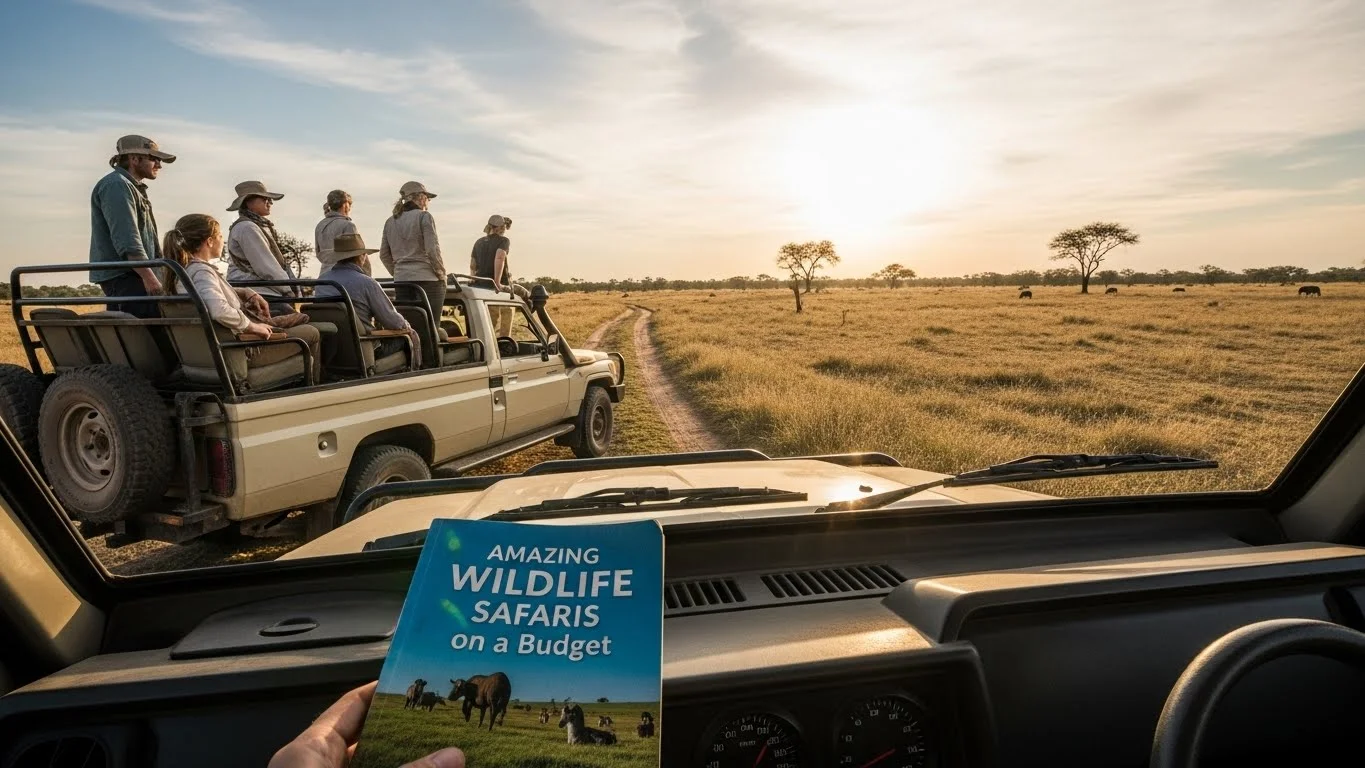
A wildlife safari is an adventure that allows us to observe animals in their natural habitat. Imagine driving through expansive savannahs, hearing the distant roar of a lion, or watching a herd of elephants cross a river. For me, it felt like stepping into a documentary, and I couldn’t believe I was actually experiencing it. Safaris can be done in various ways, from open-top vehicles to walking tours, and each offers a unique perspective on wildlife.
Types of Safaris
When I first started planning my safari, I was surprised by the variety of options available. Here are some of the types I discovered:
- Game Drives: These are the classic safaris, usually taken in a 4×4 vehicle. They’re perfect for spotting animals at different times of the day.
- Walking Safaris: If you’re up for an adventure, walking safaris let you experience the wilderness up close. I found this type to be exhilarating, as it requires quietness and attentiveness.
- Boat Safaris: For those who love water, boat safaris offer a unique view of aquatic wildlife. I was amazed at the different creatures we encountered along the riverbanks.
- Camping Safaris: These are ideal for budget travelers like me. Spending the night under the stars while listening to the sounds of the wild was unforgettable!
Popular Safari Destinations
When I set out to plan my safari, I quickly learned that certain countries are famous for their wildlife experiences. Here are some popular destinations I found:
- Kenya: Known for the Great Migration and the Maasai Mara, Kenya offers stunning vistas and diverse wildlife.
- Tanzania: Home to Serengeti National Park and Ngorongoro Crater, it’s a bucket-list destination for many adventurers.
- South Africa: With Kruger National Park and several private reserves, South Africa caters to all types of safari-goers.
- Namibia: Known for its unique landscapes, like deserts and salt pans, Namibia also offers a chance to see rare species.
- Botswana: Renowned for its eco-tourism and exclusive experiences, Botswana provides a more tranquil safari experience.
Planning Your Budget Safari
Setting a Budget
When I started planning my safari, the first step was setting a realistic budget. It’s easy to get carried away with excitement, but I quickly realized that planning ahead was crucial. I broke down my budget into several categories: travel, accommodations, food, and activities. I also set aside a little extra for unexpected expenses. This helped me stay focused and avoid overspending.
When to Go for the Best Deals
Timing can significantly impact the cost of a safari. I discovered that visiting during the shoulder seasons, typically just before or after peak tourist times, can lead to substantial savings. For instance, going in the early rainy season often means fewer crowds and better rates. I took advantage of this during my trip, and it made for a more intimate experience with the wildlife.
How to Find Affordable Packages
Finding affordable safari packages isn’t as daunting as it seems. Online travel agencies, local tour operators, and social media platforms can be excellent resources. I found that reading reviews and seeking recommendations from fellow travelers helped me identify trustworthy companies. Sometimes, directly contacting lodges can lead to discounts or special offers that websites might not advertise. I even stumbled upon a last-minute deal that allowed me to save a bit more!
With these insights, I felt empowered to tackle planning my budget safari. I learned that the adventure doesn’t have to be expensive; it just requires some thoughtful planning and a sense of adventure. In the next sections, I’ll share some of my favorite budget safari destinations and tips to make the most of this incredible experience.
Top Budget Safari Destinations
Kenya
Kenya has a special place in my heart when it comes to budget safaris. The country is packed with national parks and reserves where you can see the Big Five: lions, elephants, buffalo, leopards, and rhinos. I remember visiting the Maasai Mara, especially during the Great Migration. Even if I didn’t splurge on luxury lodges, I found affordable tented camps that provided a genuine safari experience. The thrill of waking up to the sounds of wildlife just outside my tent was unforgettable. Plus, there are plenty of budget-friendly options for game drives, which are often just as exhilarating as the more expensive ones.
Tanzania
Tanzania is another gem for budget travelers. The Serengeti and Ngorongoro Crater are must-see locations, but I was pleasantly surprised to find that there are numerous budget safari options available. I opted for a camping safari, which allowed me to immerse myself in nature without breaking the bank. I loved the sense of community among the campers, sharing stories and experiences over the campfire after a long day of exploring. The landscapes and wildlife were absolutely breathtaking, and I felt like I was part of something truly special. Read Interesting article: Eco-Friendly Wildlife Safaris: Travel Sustainably on a Budget
South Africa
South Africa offers a variety of safari experiences suitable for different budgets. I recommend visiting Kruger National Park, where entrance fees are relatively low compared to private reserves. We spent our days driving around in our rental vehicle, spotting wildlife without the high costs of guided tours. The park is large, so you can easily find your own way around and still witness incredible wildlife encounters. I’ll never forget the excitement of watching a cheetah sprint across the open plains.
Namibia
Namibia might not be the first destination that comes to mind for budget safaris, but it definitely surprised me. The stunning landscapes, from the iconic red dunes of Sossusvlei to the wildlife-rich Etosha National Park, are worth every penny. I found that many campsites in Namibia are reasonably priced, and some even offer affordable lodging options. Driving through the country’s dramatic scenery while spotting wildlife along the way was an adventure like no other. Plus, I felt a deep connection to the land and its beauty during my travels.
Botswana
Botswana is known for its exclusive eco-tourism, but there are still budget-friendly options for the savvy traveler. The Okavango Delta is breathtaking, and while some lodges can be pricey, I discovered that camping within the delta can be an incredible compromise. As I set up my tent, I felt like I was truly part of the wilderness. The wildlife viewing was superb, especially during the night when the sounds of the animals surrounded us. I found that using local guides often enhanced my experience, as they shared invaluable insights and stories about the wildlife.
Accommodation Options for Budget Travelers
Camping Safaris
Camping safaris are a fantastic way to connect with nature on a budget. I can’t stress enough how much I enjoyed sleeping under the stars, with nothing but a thin layer of canvas between me and the wild. Many parks offer designated campsites with basic facilities. I found that cooking my meals together with fellow travelers made the experience even more enjoyable. The camaraderie and shared stories over dinner created lasting memories!
Budget Lodges and Hostels
Another option to consider is budget lodges and hostels. I remember stumbling upon a cozy lodge that offered dormitory-style accommodations at a fraction of the price of luxury lodges. The owners were welcoming, and I loved chatting with other guests from around the world. It felt like a little community of adventurers. Sometimes, these lodges even offer free or discounted tours, which can help save even more money.
Homestays and Local Guesthouses
Homestays and local guesthouses can be a unique way to experience a destination while keeping costs low. I had the pleasure of staying with a local family during my time in Tanzania, and it truly enriched my experience. They shared traditional meals with me and gave me insight into their daily lives. It was like stepping into another world, and I left feeling like I had made new friends. Supporting local families also felt good, knowing that my money was going directly to the community.
Transportation Tips for Budget Safaris
Public Transport vs. Private Transfers
Transportation was one of my biggest concerns when planning my budget safari. I discovered that using public transport can be a great way to save money. In many countries, buses and shared taxis offer affordable options to get from one place to another. I remember taking a local bus from Nairobi to Maasai Mara, which was not only economical but also a fantastic way to meet locals and fellow travelers. The ride was a bit bumpy, but the views of the landscape made it all worthwhile.
However, if you prefer more direct routes, private transfers are an option. While they are generally more expensive, I found that sharing the cost with other travelers can make them more affordable. I once teamed up with a few people from my lodge, and we hired a driver to take us around the park. This way, we had the flexibility to stop wherever we wanted without the hassle of public transport schedules.
Self-Drive Safari Options
If you’re feeling adventurous, self-driving can be an exciting way to explore. I decided to rent a car in South Africa, and it was one of my best decisions. Having the freedom to explore at my own pace was liberating. I could choose my routes and stop whenever I spotted wildlife. Plus, it often turned out to be cheaper than guided tours, especially if you’re traveling with friends. Just make sure you have a reliable map or GPS, as some areas can be tricky to navigate.
In my experience, driving through Kruger National Park while spotting lions and elephants was a thrill like no other. Just remember to familiarize yourself with the rules of the park and drive safely, as wildlife can cross the road unexpectedly!
Group Tours and Shared Rides
Group tours can be a budget-friendly option, especially if you’re traveling solo. I participated in a group safari in Tanzania, which allowed me to meet wonderful people while splitting costs for the guide and vehicle. It was a fantastic way to connect with other wildlife lovers and share the experience. We all came from different backgrounds, but our passion for nature brought us together.
There are many tour operators that offer shared rides, which can be a fun way to enhance your wildlife safari experience. I remember one evening where we all shared our best animal sightings over a campfire, making the adventure feel even more special. Just be mindful of the group size; too many people can sometimes detract from the experience.
Essential Gear for Budget Safaris
Clothing and Footwear
Choosing the right clothing and footwear is crucial for a comfortable safari experience. I learned the hard way that lightweight, breathable fabrics are best for the heat of the day, while layers are essential for the cooler nights. I always packed a good pair of hiking boots—they were my best friends while trekking through national parks. I also recommend wearing neutral colors to blend in with the environment; it’s not just about aesthetics; it helps avoid disturbing wildlife.
Sun protection is another must. A wide-brimmed hat and sunglasses kept me comfortable, especially during long drives. Don’t forget insect repellent, too! I had a couple of close encounters with mosquitoes, and I can tell you that prevention is the best cure.
Photography Equipment
Capturing the incredible moments during a safari was important for me. I recommend bringing a decent camera with a zoom lens to get those close-up shots of wildlife without disturbing them. I used a DSLR, but even smartphones can do wonders nowadays with the right settings. I was thrilled with the photos I took—each one tells a story of my adventure.
Don’t forget extra batteries and memory cards; you don’t want to miss an amazing shot because you ran out of space! I also carried a small tripod for stability, especially during low-light conditions. These little extras made a big difference in the quality of my photos.
Camping Gear
If you’re planning a camping safari, having the right gear is essential. I invested in a lightweight tent that was easy to set up and pack away. A good sleeping bag is also crucial for comfort at night. I remember one night when the temperatures dropped, and I was grateful for my warm sleeping bag!
A portable stove and basic cooking gear can be a delightful addition, too. Cooking meals with fellow travelers around a campfire created an atmosphere of camaraderie and adventure. I also packed reusable utensils and containers to minimize waste. It felt good to do my part for the environment while enjoying delicious meals in stunning settings.
Food and Dining on a Budget
Local Street Food
Food is an integral part of any travel experience, and I found that trying local street food was a delightful way to immerse myself in the culture. From delicious samosas in Kenya to spicy biltong in South Africa, the options were endless and very affordable. Eating where the locals eat not only saved me money but also introduced me to flavors I might not have experienced otherwise.
One memorable day, I stumbled upon a bustling market in Tanzania where I tried a variety of snacks. I felt a sense of adventure as I ventured outside my comfort zone, and I was never disappointed! Just remember to choose busy stalls with a lot of locals—it’s usually a sign of tasty and safe food.
Self-Catering Options
If you’re camping or staying in a lodge with cooking facilities, self-catering can save a lot of money. I often visited local markets to buy fresh produce and ingredients. Preparing my meals gave me a sense of satisfaction and a chance to experiment with local recipes. Plus, cooking together with friends I met along the way created lasting memories and friendships.
Cooking also allowed me to adjust my meals to my tastes and dietary preferences. I remember making a hearty vegetable stew one night that warmed us up after a long day of exploration. There’s something magical about sharing a meal under the stars after a day filled with wildlife adventures!
Dining at Affordable Restaurants
While I enjoyed street food and self-catering, I found that occasionally dining at affordable local restaurants was a treat. These spots often serve delicious, traditional meals without the hefty price tag. I remember dining at a small family-owned restaurant in Namibia where I enjoyed a local specialty called bobotie. The atmosphere was warm and inviting, and I felt like I was part of the community.
As I traveled, I made it a point to ask locals for food recommendations. Their suggestions led me to some hidden gems that I would have never found on my own. It’s a great way to experience the local culture and taste the authentic flavors of each region.
Frequently Asked Questions
What is a wildlife safari?
A wildlife safari is an adventure that allows individuals to observe animals in their natural habitat, often experienced through various methods such as game drives, walking tours, or boat safaris.
What types of safaris are available?
There are several types of safaris, including game drives in 4×4 vehicles, walking safaris for a closer wilderness experience, boat safaris for viewing aquatic wildlife, and camping safaris which are great for budget travelers.
Which countries are popular for wildlife safaris?
Popular safari destinations include Kenya, Tanzania, South Africa, Namibia, and Botswana, each offering unique wildlife experiences and landscapes.
How can I set a budget for my safari?
Setting a budget involves breaking down costs into categories such as travel, accommodations, food, and activities, and allocating extra funds for unexpected expenses to avoid overspending.
When is the best time to go on a budget safari?
Visiting during the shoulder seasons, just before or after peak tourist times, can lead to substantial savings, as these times generally have fewer crowds and better rates.
How can I find affordable safari packages?
Affordable safari packages can be found through online travel agencies, local tour operators, and social media, along with recommendations from fellow travelers and direct contact with lodges for potential discounts. Read Interesting article: Experience Wildlife Safaris on a Budget: Tips & Tricks
What accommodation options are available for budget travelers?
Budget travelers can consider camping safaris, budget lodges and hostels, or homestays with local families, which offer unique experiences and support the local community.
What transportation options are available for budget safaris?
Transportation options include using public transport for savings, private transfers shared with other travelers for convenience, or self-driving for flexibility and adventure.
What essential gear should I bring on a budget safari?
Essential gear includes lightweight clothing, hiking boots, a good camera with extra batteries, camping gear like a lightweight tent and sleeping bag, and cooking equipment for camping safaris.
How can I save money on food while on a safari?
Travelers can save money by trying local street food, opting for self-catering in lodges or camps, and dining at affordable local restaurants to experience authentic flavors without overspending.