
Traveling on a budget can be thrilling, but it also comes with its share of challenges, especially when it comes to scams. Let’s explore how to navigate the world of travel while keeping our hard-earned money safe.
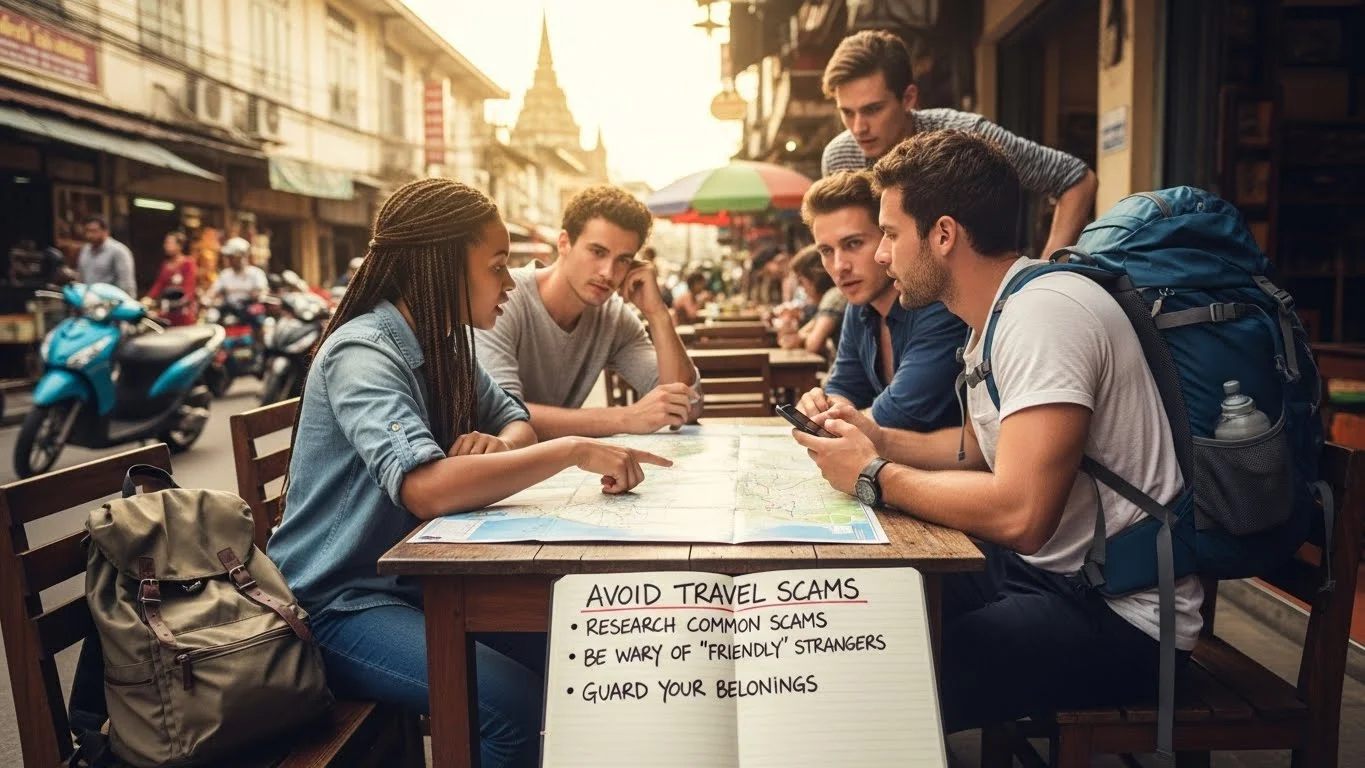
Understanding Travel Scams
As someone who’s spent a good amount of time traveling as a backpacker, I’ve seen firsthand how easy it is to fall victim to scams. It’s a real bummer when you’re trying to enjoy new experiences, and suddenly, you find yourself in a tricky situation. Understanding the landscape of travel scams is the first step in protecting ourselves. I remember the first time I encountered a scam; it was eye-opening and a little embarrassing, but those experiences taught me valuable lessons.
Types of Common Travel Scams
There are countless scams out there, each one more creative than the last. Here are some of the most common ones I’ve encountered:
- Fake Tour Guides: Some people pose as official guides and offer overpriced tours. They often target tourists who seem lost or confused.
- Currency Exchange Scams: I once saw someone lose out on a significant amount of money because they didn’t check the exchange rate before exchanging cash at a sketchy kiosk.
- Overpriced Transportation: Whether it’s taxis or shuttle services, it’s not uncommon for unsuspecting travelers to be charged double or even triple the normal fare.
- Accommodation Scams: I’ve read stories of travelers booking a “cheap” hotel online only to find it doesn’t exist or is in terrible condition.
- Street Vendor Scams: Vendors can sometimes trick tourists into paying far too much for simple items. I’ve been there, and it’s frustrating!
How Scams Target Backpackers
As backpackers, we often find ourselves in vulnerable situations. We’re usually on the move, juggling our backpacks and navigating unfamiliar environments. This makes us prime targets for scammers. I’ve noticed that we often appear enthusiastic but somewhat naive, which can attract con artists. When we’re busy taking in the sights or trying to find our way, it’s easy to overlook warning signs. I remember feeling overwhelmed while trying to communicate in a foreign language; this sense of disorientation can make anyone susceptible to trickery.
Additionally, many of us are on tight budgets, which can lead to desperation. I once tried to save money by opting for the cheapest option available, only to end up in a sketchy situation. Scammers thrive on this willingness to cut corners, offering solutions that seem too good to be true. From my experience, it’s crucial to maintain a balanced approach to budget travel without compromising safety. For further insights on staying safe while traveling, check out Solo Travel Safety: Your Ultimate Guide for Backpackers.
Preparing for Your Trip
Before heading off on an adventure, preparation is key. I can’t stress enough how much research can save you from potential scams and mishaps.
Researching Destinations
Knowing where you’re going can make a world of difference. I always spend time researching my destination before I arrive. This includes reading travel blogs, checking forums, and looking at recent traveler reviews. I remember visiting a city where I read about a particular scam beforehand, and it helped me avoid a sticky situation. It’s about arming ourselves with information so we can recognize red flags when they pop up.
Choosing the Right Accommodation
Accommodation is another area where scams can sneak in. I used to rely solely on online booking platforms which can sometimes lead to disappointment. Now, I always check multiple sources. Reading recent reviews is essential; I pay attention to comments about safety and the honesty of the staff. Sometimes, a little extra cash for a reputable place can save you a big headache later on.
Understanding Local Culture and Customs
Lastly, immersing myself in the local culture has been a game-changer. Understanding the customs and social norms can help me spot scams more easily. For instance, in some countries, haggling is expected, while in others, it’s frowned upon. When I took the time to learn a few key phrases or customs, it not only made my interactions smoother, but it also showed locals that I respected their culture, which often made them more inclined to help me rather than take advantage.
In my experience, knowledge is power. The more we know about where we’re going, the better equipped we are to navigate the complexities of travel. I’ve learned that being prepared doesn’t just enhance the travel experience; it also keeps us safe and our finances intact. Let’s move on to some practical tips for identifying scams before they can trip us up on our adventures.
Identifying Common Scams
Having traveled extensively, I’ve run into a variety of scams that can catch even the savviest travelers off guard. It’s one thing to read about scams, but experiencing them firsthand really opens your eyes. I want to share some key scams that I’ve encountered so we can all stay alert and dodge these pitfalls.
Fake Tour Guides
One of the most memorable scams I faced involved a charming “tour guide” in a bustling market. He approached me with a friendly smile and offered a guided tour of the area, claiming he was an official representative. I remember feeling tempted by the idea of having someone show me around, but something didn’t sit right. After some hesitation, I politely declined and walked away. Later, I learned that many travelers had fallen for similar scams. They ended up paying a hefty price for a subpar experience. My takeaway? Always do your research on legitimate tours before agreeing to anything. If someone approaches you, don’t be afraid to ask questions or walk away if it feels off.
Overpriced Transportation Services
I once landed in a new city and, after a long flight, I was eager to get to my hostel. A taxi driver approached me immediately, offering a ride for what seemed like a reasonable price. However, after a short ride, I realized he had taken a longer route and charged me double what I should’ve paid. I felt so frustrated and a little foolish. Now, I recommend using ride-sharing apps or asking locals about fair taxi rates before hopping in a cab. It’s always better to have a clear understanding of costs upfront.
Currency Exchange Scams
Currency exchange can be a minefield. I remember exchanging money at an airport kiosk, and the attendant handed me a stack of bills without explaining the rates. It wasn’t until later that I discovered I’d been charged a hefty fee. I’ve learned the hard way to always check the exchange rates online before making any transactions. Also, look for reputable exchange services or withdraw cash from ATMs that offer reasonable rates. It’s amazing how a little knowledge can save you a lot of cash.
Accommodation Scams
When it comes to accommodation, I’ve had both great and terrible experiences. I vividly recall booking a “great deal” online, only to arrive at a rundown hotel that barely resembled the pictures. It taught me the importance of reading recent reviews and doing thorough research. I recommend looking for accommodations that have a significant number of reviews, especially from travelers who have recently stayed there. Sometimes a small increase in budget can lead to a much safer and more pleasant stay.
Street Vendor Scams
Street vendors can be a mixed bag. I love trying local foods from street stalls, but I’ve also had moments where I was charged way too much for a simple snack. I remember buying a drink from a vendor, and when I looked around, I noticed others were paying far less. It made me realize how crucial it is to understand the prices of common items in the area. I’ve learned to ask locals about typical costs or even to walk around a bit before making a purchase to get a sense of what’s reasonable.
Budgeting Wisely
Budgeting is a fundamental aspect of any travel plan, especially for us backpackers. I’ve had my share of financial misadventures, and over time, I learned how crucial it is to set a realistic budget. Let’s dive into some strategies that have worked for me.
Setting a Realistic Travel Budget
When planning my trips, I always start by outlining my total budget. I consider transportation, accommodation, food, activities, and a little extra for unexpected expenses. I remember the first time I traveled without a solid budget; I ended up overspending and regretting it later. Now, I allocate specific amounts for each category, which helps me stay on track. I often use apps to track my spending in real time. This way, I can adjust as needed and ensure I don’t run out of funds before the trip is over.
Using Local Currency Effectively
Using local currency can save you money, but it can also lead to confusion. I’ve learned to familiarize myself with the currency of my destination before I arrive. This includes understanding the denominations and the exchange rate. I’ve made a habit of carrying a small amount of local currency for small purchases, which can help avoid currency conversion fees when using credit cards. It’s amazing how much easier it can make transactions when you’re not fumbling with coins or bills!
Finding Affordable Dining Options
Food is one of the highlights of travel for me, and I love trying local cuisine. However, dining out can quickly eat into your budget. I’ve found that asking locals for recommendations often leads to discovering hidden gems—places that serve delicious food at a fraction of the price of tourist traps. I also enjoy shopping at local markets and preparing some meals myself. Not only is it budget-friendly, but it also adds an authentic touch to my travel experience.
Staying Safe While Traveling
Safety is a top priority when we travel, and I’ve learned that being proactive can make all the difference. Whether it’s in a bustling city or a quiet village, staying alert gives me peace of mind. Here are some strategies I find effective in keeping myself safe during my adventures. For more tips, check out Essential Solo Travel Safety Tips for Budget Backpackers.
Staying Aware of Your Surroundings
I can’t stress enough how important it is to be aware of my surroundings while traveling. I remember one time I was exploring a crowded market, completely mesmerized by the sights and sounds. I got so caught up in the experience that I didn’t notice how close I was to some pickpockets. Fortunately, I noticed them just in time and adjusted my bag. Since then, I make it a point to regularly scan my environment. I try to find a balance between enjoying the moment and being alert. Whether it’s keeping my bag close or being cautious when someone approaches me, staying aware has helped me avoid sticky situations.
Using Technology for Safety
In our digital age, technology can be a great ally for safety. I’ve downloaded various travel apps that help with navigation and even have offline maps handy. This way, I avoid looking too lost or vulnerable when I’m in an unfamiliar place. I also use apps to share my location with friends or family back home, which gives me added comfort. When I’m traveling alone, I find it reassuring to know that someone knows where I am. Besides, I’ve discovered that many apps offer safety features, like emergency contacts and alerts, which can be invaluable in a pinch.
Emergency Contacts and Resources
Having a plan in case something goes wrong can ease a lot of stress. I always compile a list of emergency contacts, including local authorities, my country’s embassy, and even nearby hospitals. I remember a trip where a friend lost her wallet, and having the embassy’s contact information on hand made it easier to resolve the situation. I also ensure that I have travel insurance, which is a lifesaver when unexpected events occur. Knowing that I have support in case of emergencies allows me to focus on enjoying my travels rather than worrying about what could happen.
Tips for Avoiding Scams
Over the years, I’ve picked up some valuable tips that have helped me steer clear of scams while traveling. These small actions can make a significant difference in our experiences.
Trust Your Instincts
One of the best pieces of advice I can give is to trust your instincts. If something feels off, it probably is. I recall a time in a foreign city where a stranger approached me with an offer that seemed too good to be true. I hesitated and ultimately walked away, and I later learned that others had fallen for the same trick. It’s easy to get swept up in the excitement of travel, but listening to that little voice inside can help prevent unpleasant situations. If you feel uncomfortable or unsure, don’t hesitate to remove yourself from the situation.
Asking Locals for Advice
Locals often have the best insights about their areas, including which places to avoid. I’ve made it a habit to strike up conversations with residents, whether it’s at a café or while waiting for public transport. They can provide valuable tips and recommendations that can enhance my trip and keep me safe. I remember asking a store owner for restaurant suggestions, and he not only directed me to a great spot but also warned me about a nearby area known for scams. Building these connections can make my travel experience richer and safer.
Documenting Important Information
Keeping a record of essential information can be a lifesaver. I keep a note on my phone with details like the address of my accommodation, emergency contacts, and important identification numbers. In the event of a lost wallet or phone, having easy access to this info can speed up the recovery process. I also recommend taking pictures of important documents, like my passport and travel insurance, and storing them in a secure place online. It’s a simple step that can save a lot of headaches if something goes wrong.
Using Reputable Travel Apps and Websites
When it comes to planning and booking, I’ve learned to stick with reputable travel apps and websites. I remember once using a lesser-known site to book a hostel, only to find out it was a scam. After that experience, I turned to well-reviewed platforms, especially those with strong customer service. I also check for reviews and ratings before making any reservations. This extra step has helped me avoid unpleasant surprises and ensure that I’m making safe choices when traveling.
Resources for Budget Backpackers
As a backpacker, I’ve discovered that having the right resources at my fingertips can make all the difference. Whether it’s finding a place to stay or getting advice on safety, the following resources have been invaluable to me on my travels. You can also explore Family Travel Safety: How to Backpack on a Budget Safely for additional tips.
Travel Forums and Communities
Online travel forums are a goldmine for budget backpackers. I’ve spent countless hours on platforms like Lonely Planet’s Thorn Tree and Reddit’s travel communities, where I’ve found tips from fellow travelers who have been in similar situations. I remember posting a question about safe neighborhoods in a city I was planning to visit, and I received so many helpful responses. These communities are not only informative but also supportive, making it easier to connect with other travelers who share similar experiences.
Guides and Blogs on Travel Safety
Blogs dedicated to travel safety are another resource I frequently turn to. I follow several travel bloggers who focus on budget traveling and share their experiences with scams and safety tips. Their firsthand accounts and practical advice have helped me avoid pitfalls. For instance, I found a blog post detailing a common scam in a city I was visiting, which allowed me to navigate the area with confidence. I recommend checking recent posts for updates, as scams and local conditions can change quickly.
Government Travel Advisories
Before I head out on a new adventure, I always check for government travel advisories. These advisories provide crucial information about safety concerns and areas to avoid in various destinations. I recall a trip where the advisory specifically highlighted a region known for scams; being aware of this helped me plan my itinerary to stay clear of trouble. It’s a straightforward step that can save you from unexpected situations.
What to Do If You Encounter a Scam
Despite all the precautions we take, sometimes scams can still catch us off guard. Here’s what I’ve learned to do if I find myself in such a situation.
Reporting the Scam
If I ever fall victim to a scam, my first instinct is to report it. Many cities have local authorities or tourist police departments that take scams seriously. I remember a time when I witnessed a scam happening to another traveler; I reported it to local authorities, which not only helped that person but also raised awareness about the issue. Reporting scams can sometimes lead to action against scammers and help protect future travelers.
Seeking Assistance from Local Authorities
When I’ve been in a situation where I felt threatened or unsafe, I’ve learned that it’s essential to seek assistance from local authorities. Whether it’s the police or a local tourist information center, they can often provide guidance and support. I remember losing my wallet in a busy market once, and the local police were incredibly helpful in filing a report and giving me advice on how to proceed. It’s good to know that there are people who can help, even when the situation feels overwhelming.
Protecting Yourself in the Future
After encountering a scam, I always take some time to reflect on what happened. Analyzing the situation helps me recognize warning signs for future travels. I often journal about my experiences, noting what I learned and how I could have reacted differently. This practice not only helps me grow but also serves as a reminder to share these experiences with fellow travelers. Learning from our experiences can be one of the best defenses against scams in the future.
Final Thoughts
Traveling on a budget shouldn’t mean compromising our safety or enjoyment. By staying informed, preparing thoroughly, and trusting our instincts, we can navigate the world with confidence. I’ve learned that the key to a fulfilling travel experience lies in being proactive and aware. Every adventure brings its own challenges, but with the right mindset and resources, we can turn potential pitfalls into valuable lessons. Let’s continue exploring the world while keeping ourselves and our finances safe!
Frequently Asked Questions
What are some common types of travel scams?
Common types of travel scams include fake tour guides, currency exchange scams, overpriced transportation, accommodation scams, and street vendor scams.
How do travel scams specifically target backpackers?
Backpackers often appear vulnerable while navigating unfamiliar environments, making them prime targets for scammers. Their enthusiasm and tight budgets can lead to poor decision-making, increasing their susceptibility to scams.
What are some tips for preparing for a trip to avoid scams?
Preparing for a trip involves researching destinations, choosing the right accommodation, and understanding local culture and customs. This knowledge helps travelers recognize potential scams and avoid pitfalls.
How can travelers identify common scams during their journey?
Travelers can identify common scams by being aware of fake tour guides, overpriced transportation services, currency exchange scams, accommodation scams, and street vendor scams. Researching the area beforehand can also help recognize red flags.
What budgeting strategies can help prevent financial issues while traveling?
Setting a realistic travel budget, using local currency effectively, and finding affordable dining options are essential budgeting strategies. Tracking spending in real time can also help travelers stay within their budget.
What safety measures should travelers take while exploring new places?
Travelers should stay aware of their surroundings, use technology for safety, and have a list of emergency contacts and resources. These measures can help ensure safety during their adventures.
What should travelers do if they encounter a scam?
If travelers encounter a scam, they should report it to local authorities and seek assistance from local police or tourist information centers. Reflecting on the experience can also help recognize warning signs in the future.
How can travelers use technology to enhance their safety?
Travelers can use travel apps for navigation, share their location with friends or family, and access safety features like emergency contacts and alerts, which can provide reassurance and assistance in unfamiliar locations.
What resources are available for budget backpackers?
Budget backpackers can utilize online travel forums, guides and blogs on travel safety, and government travel advisories to gather valuable information and tips for their trips.
What is the importance of trusting your instincts while traveling?
Trusting your instincts is crucial while traveling. If something feels off or too good to be true, it is often best to walk away. This practice can help prevent unpleasant situations and protect travelers from scams.