
Backpacking abroad is an exhilarating adventure, but it comes with the responsibility of understanding cultural etiquette. Navigating local customs can turn your trip from ordinary to extraordinary! For those looking to enhance their travel experiences, I recommend checking out Master Cultural Etiquette: Essential Tips for Backpackers.
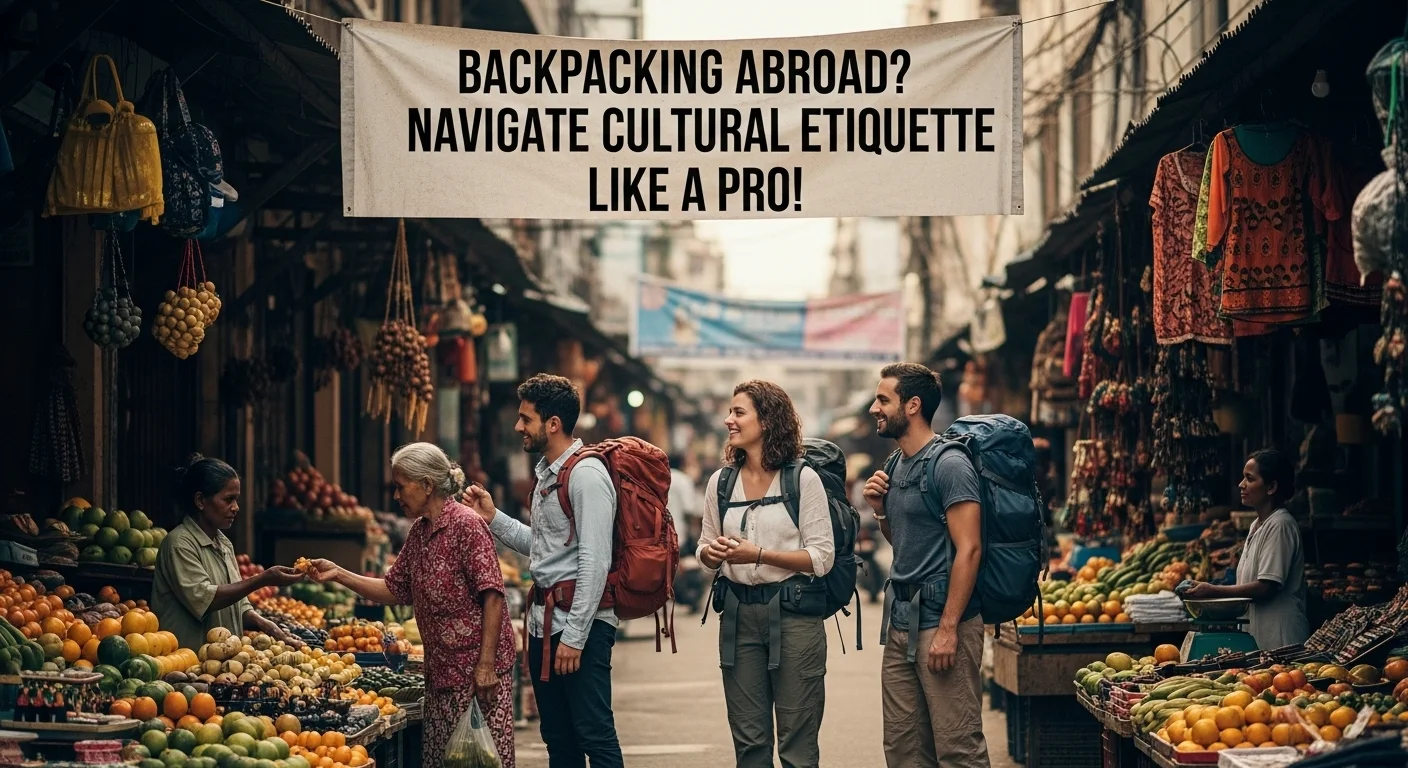
Understanding Cultural Etiquette: Why It Matters
When I first began my journey as a backpacker, I quickly realized that understanding cultural etiquette was essential. It’s not just about knowing the dos and don’ts; it’s about showing respect and appreciation for the diverse cultures we encounter. Each place we visit has its own set of customs, traditions, and social norms. By embracing these, we not only enhance our travel experiences but also create meaningful connections with the locals.
The Role of Cultural Etiquette in Travel
Cultural etiquette plays a significant role in how we interact with people from different backgrounds. I remember my first trip to Thailand, where I learned the importance of the “wai” greeting—a slight bow with hands pressed together. It was a small gesture, but it opened doors to genuine conversations with the locals. Understanding the nuances of greeting customs can create a welcoming atmosphere and foster mutual respect. In my experience, when you show that you care about local customs, it often leads to a warmer reception and a deeper understanding of the culture.
Consequences of Ignoring Local Customs
Ignoring cultural etiquette can lead to misunderstandings and uncomfortable situations. I once witnessed a fellow traveler inadvertently offend a shop owner in Morocco by pointing with a finger instead of using the whole hand. The look of surprise and disapproval on the owner’s face was a stark reminder of how small actions can have big consequences. I’ve learned that being aware of local customs not only helps avoid faux pas but also enriches our experiences. When we respect traditions, we pave the way for authentic interactions and often find ourselves invited into the lives of locals in ways we never expected.
Preparing for Your Trip: Research and Resources
Preparation is key to ensuring a smooth and enriching travel experience. Before I embark on any trip, I dive into research about the cultural norms of my destination. It’s fascinating how much you can learn with just a little effort! To further assist in your journey, you might want to explore Your Guide to Personalized Cultural Experiences Without Breaking the Bank.
Identifying Cultural Norms of Your Destination
One of the first things I do is research the specific customs of the country I’m visiting. I like to look for information on social norms, religious practices, and cultural taboos. For instance, in some cultures, maintaining eye contact is a sign of confidence, while in others, it might be considered disrespectful. I’ve found online resources, travel blogs, and forums to be incredibly helpful in gathering this information. Knowing what to expect can greatly enhance our interactions and help us navigate complex social situations.
Useful Apps and Guides for Cultural Awareness
In today’s digital age, there’s an app for just about everything, including cultural etiquette! I recommend using apps like Culture Trip or TripAdvisor, which offer insights into local customs and etiquettes. These apps are great because they’re easy to navigate and often provide tips specific to different regions. Additionally, I like to download language translation apps, which can come in handy when I’m trying to communicate basic phrases or understand local signs. Having these tools at my fingertips has made my travels smoother and more rewarding.
Reading Local Literature and Viewing Media
Another fantastic way to learn about a culture is through its literature and media. I make it a point to read books, watch films, or listen to music from the destination I plan to visit. This not only gives me a sense of the cultural landscape, but it also helps me understand the values and beliefs of the people. For example, after reading Khaled Hosseini’s “The Kite Runner,” I felt a deeper connection when I visited Afghanistan. I appreciated the nuances of their culture, which led to more meaningful conversations with locals. Exploring local literature and media can truly open our eyes and hearts to the world around us.
General Cultural Etiquette Tips for Backpackers
While each culture has its unique customs, there are some general tips that apply almost universally. I’ve picked up a few of these along my travels, and they have served me well. Additionally, if you’re interested in exploring cultural heritage sites, I suggest checking out Top 10 Must-Visit Cultural Heritage Sites for Backpackers.
Greetings and Communication Styles
In many cultures, greetings can set the tone for an interaction. I’ve learned that a simple smile goes a long way. It’s often the first step to breaking the ice. In some countries, proper greetings involve more than just saying hello; they may require a handshake, hug, or even a bow. I remember being in Japan and feeling a bit out of place at first, but once I learned to bow slightly during greetings, I felt more comfortable and accepted. Always pay attention to the local customs surrounding greetings, as they can vary widely.
Body Language and Non-Verbal Cues
Body language can also differ greatly across cultures. I once made the mistake of standing too close to someone in a conversation while in Italy, only to realize later that personal space is highly valued there. I’ve learned to observe how locals interact with each other, which has helped me adjust my own body language accordingly. Being mindful of non-verbal cues can really enhance our understanding and connection with others.
Personal Space and Touching Norms
Understanding personal space is crucial when traveling. In some cultures, people may stand closer together during conversations, while in others, maintaining a certain distance is the norm. On one occasion, I was in Brazil, where I noticed that people were very tactile, often touching each other during conversations. It felt strange at first, but I soon embraced it and realized it was part of their warm and friendly nature. Being adaptable to these differences has made my experiences richer.
Dining Etiquette Across Cultures
Dining customs can also vary widely around the world. I’ve experienced everything from the formality of a French dinner to the casual style of sharing meals in India. In France, I learned the importance of saying “bon appétit” before eating, while in India, I discovered that accepting food with both hands is a sign of respect. Each culture has its unique dining rituals, and embracing these can lead to unforgettable culinary experiences.
Country-Specific Cultural Etiquette
While general cultural etiquette tips are helpful, diving deeper into specific regions can truly enhance our travel experiences. Each country has its own unique customs that can sometimes surprise us. I’ve found that understanding these nuances can significantly improve our interactions with locals and enrich our journey.
Backpacking in Asia
Asia is a vast continent with diverse cultures, and it’s fascinating to explore the varying customs you’ll encounter. I’ve traveled through different countries in Asia, and each one has taught me invaluable lessons about cultural respect.
Japan: Bowing and Gift Giving
In Japan, bowing is a traditional greeting that shows respect. I remember the first time I visited, feeling a bit awkward, but I soon learned that the depth of the bow can signify the level of respect you are showing. A slight bow is sufficient for casual greetings, while a deeper bow is reserved for more formal situations. Another important aspect of Japanese culture is gift giving. When presented with a gift, it’s customary to receive it with both hands, which I found incredibly respectful. I once gave a small souvenir to a host, and I was touched by the gracious way it was accepted, reinforcing the value of thoughtfulness in their culture.
India: Accepting Food and Hospitality
India’s rich tapestry of customs is mesmerizing. I remember being invited to a local home, and I was initially unsure about how to accept food graciously. I learned that accepting food with both hands is a sign of respect, and refusing food can be seen as impolite. I wanted to honor their hospitality, so I eagerly accepted, and it turned into one of the most memorable meals of my travels. Sharing food is a significant part of social interaction, and I found that being open to trying local dishes helped forge strong connections with the people I met.
Backpacking in Europe
Europe is a blend of history, art, and diverse cultural practices. Each country offers its own unique customs that are worthwhile to understand.
France: Dining Customs and Politeness
Dining in France is an experience in itself. From my observations, meals are often leisurely and social. I learned that it’s polite to greet the staff when entering a restaurant, and saying “bonjour” goes a long way. One thing that struck me was the emphasis on manners; I remember the first time I forgot to say “merci” after a meal, and the server’s reaction reminded me of how crucial politeness is in French culture. Also, never rush through a meal—taking your time shows appreciation for the food and company, which I found to be a refreshing change from the fast-paced dining back home.
Germany: Punctuality and Formality
Punctuality in Germany is almost sacred. I discovered this the hard way when I arrived late to a gathering. The surprised looks I received made me realize how significant time is in their culture. I quickly adjusted my schedule to be on time for everything. Additionally, I noticed that Germans appreciate formalities, especially when meeting someone for the first time. A firm handshake and direct eye contact are expected, and it’s a simple way to show respect. Learning these small details has greatly improved my interactions in Germany and made me feel more at ease during my trips.
Backpacking in South America
South America is vibrant and full of life, with customs that reflect the warmth of its people. My time there was filled with colorful experiences and valuable lessons.
Brazil: Greetings and Personal Interactions
In Brazil, greetings are exuberant and often involve hugs and kisses on the cheek, which took me by surprise. Initially, I felt hesitant, but once I embraced the customs, I felt instantly welcomed. I recall meeting locals who greeted me with such warmth; it made me feel like part of the community. It’s also common for conversations to be animated, with lots of gestures and laughter. I found this engaging and enjoyable, and it taught me that being open and expressive can enhance our travel experiences.
Argentina: Dinner Etiquette and Time Expectations
Argentinians have a unique approach to dining. I learned that dinners often start late, around 9 PM or even later, which was quite different from what I was used to. At first, I struggled with the late dining culture, but I soon found that it allowed more time for socializing. Sharing meals with locals was a highlight of my trip; I was often invited to join family dinners, which were filled with laughter and stories. It felt like an honor to partake in their traditions, and I came away with a deeper appreciation for their approach to life and community.
Backpacking in Africa
Africa is rich in culture and diversity, with each country showcasing unique traditions. Understanding local customs can truly enhance the experience of exploring this beautiful continent.
Morocco: Dress Codes and Hospitality
In Morocco, dressing modestly is essential, especially in rural areas. I remember packing a variety of clothing but realized that wearing long pants and sleeves was not just a personal choice but a sign of respect. The locals were welcoming, and I appreciated how my efforts to blend in were noticed. Moroccan hospitality is also remarkable; being offered mint tea is a universal gesture of welcome. I embraced these customs and felt a deep connection with the people I met, making my time there unforgettable.
Kenya: Greetings and Respect for Elders
In Kenya, I learned that greetings are an essential part of daily life. A simple “Jambo” (hello) can open doors to friendly conversations. I also noticed the profound respect given to elders; it’s customary to address older people first. I took care to observe these customs when interacting with locals, which helped me forge connections and gain insights into their way of life. Embracing these practices allowed me to appreciate the depth of their culture, and it made my travels feel even more rewarding.
Common Cultural Faux Pas to Avoid
As I’ve traveled, I’ve made a few mistakes along the way, and I’ve seen others do the same. These cultural faux pas can lead to awkward situations or even offend the locals. Understanding what to avoid can truly enhance our travels and help us connect better with the people we meet.
Mistakes in Dining Etiquette
Dining etiquette varies widely around the world, and making a mistake can sometimes feel embarrassing. I recall a time dining in China where I unknowingly stuck my chopsticks upright in my rice. A local friend quickly told me that this resembles incense used at funerals, which is a big no-no! I learned to rest my chopsticks on the side of the bowl instead. It’s essential to familiarize ourselves with the dining customs of each culture, whether it’s knowing how to properly use utensils or understanding expectations around sharing food. I’ve found that asking locals for advice can clear up any confusion and lead to a more enjoyable meal.
Inappropriate Clothing Choices
Clothing is another area where I’ve seen travelers stumble. I remember a trip to Thailand where I saw someone wearing shorts at a temple. The locals were not only surprised but also quite offended. Each culture has its own dress codes, especially in religious or sacred spaces. I’ve learned to dress modestly in such situations, ensuring I cover my shoulders and knees. Before traveling, I always check the local customs regarding clothing to avoid any unintended disrespect. This not only helps me fit in but also shows that I care about the culture I’m visiting.
Using Offensive Gestures
Gestures can be tricky since what seems innocent to us can mean something completely different in another culture. I once made a thumbs-up gesture in a Middle Eastern country, only to find out it can be considered offensive. It was a wake-up call for me to be mindful of my body language and gestures. I recommend doing a bit of research beforehand to understand common gestures and their meanings. This small step can prevent misunderstandings and help foster more positive interactions.
Misunderstanding Local Laws and Customs
Every country has its laws and customs, and not knowing them can lead to serious trouble. I vividly recall a friend who unknowingly took photos of military installations in a country where it was strictly prohibited. Thankfully, nothing happened, but it highlighted the need to be aware of local laws. I always make it a point to read up on the legalities of the places I visit, especially regarding photography, alcohol consumption, and public behavior. This not only keeps us safe but also shows respect for the host country’s regulations.
Building Cultural Sensitivity as a Backpacker
As backpackers, we often find ourselves in situations where cultural sensitivity is essential. I’ve learned that being open-minded and respectful goes a long way in building connections with locals. Here are some strategies that have helped me foster cultural sensitivity during my travels.
Engaging with Locals Respectfully
Engagement is key to understanding a culture. I love to strike up conversations with locals, whether at a market or a café. I’ve found that approaching people with genuine curiosity and respect often leads to meaningful interactions. When I traveled to Vietnam, I made an effort to learn a few basic phrases in Vietnamese. This not only impressed the locals, but it also opened doors to deeper conversations. I recommend taking the time to listen and learn about their experiences—people often appreciate when we take an interest in their lives.
Participating in Cultural Activities
One of the best ways to immerse ourselves in a culture is by participating in local activities. I’ve joined cooking classes, traditional dance lessons, and even community festivals during my travels. For example, in Peru, I took part in a local festival where I learned traditional dances and customs. These experiences are not only fun but also enrich our understanding of the culture. I encourage fellow travelers to seek out these opportunities; they often lead to unforgettable memories and friendships!
Learning Key Phrases in the Local Language
Language can be a bridge or a barrier during our travels. I’ve experienced firsthand how learning a few key phrases can create a sense of connection. Simple greetings, “thank you,” and “please” can go a long way in showing respect. I remember when I was in Greece; I learned how to say “Kalimera” (good morning), and the locals responded with huge smiles. It broke the ice and made my interactions much warmer. I always try to learn a few basic phrases before visiting a new country, and it’s a habit I believe every traveler should adopt. It not only helps with communication but also demonstrates a willingness to engage with the culture on a deeper level.
Frequently Asked Questions
Why is understanding cultural etiquette important when backpacking abroad?
Understanding cultural etiquette is essential because it shows respect and appreciation for the diverse cultures encountered during travel. Embracing local customs enhances travel experiences and creates meaningful connections with locals.
What role does cultural etiquette play in interactions with locals?
Cultural etiquette significantly influences how we interact with people from different backgrounds. For example, learning specific greeting customs, like the “wai” in Thailand, can foster mutual respect and lead to genuine conversations.
What are the consequences of ignoring local customs?
Ignoring local customs can lead to misunderstandings and uncomfortable situations. Small actions, like pointing with a finger instead of using the whole hand in Morocco, can unintentionally offend locals and create awkward encounters.
How can I prepare for understanding cultural norms before traveling?
Preparation involves researching the specific customs of the destination, including social norms, religious practices, and cultural taboos. Online resources, travel blogs, and forums can provide valuable insights to enhance interactions.
Are there any useful apps for learning about cultural etiquette?
Yes, apps like Culture Trip and TripAdvisor offer insights into local customs and etiquettes. Additionally, language translation apps can help communicate basic phrases or understand local signs, making travels smoother.
How can local literature and media help with cultural understanding?
Reading books, watching films, or listening to music from a destination can provide a sense of the cultural landscape and help understand the values and beliefs of the people, leading to more meaningful conversations with locals.
What are some general cultural etiquette tips for backpackers?
General tips include being mindful of greetings and communication styles, observing body language and non-verbal cues, understanding personal space, and being aware of dining etiquette across cultures.
Can you give examples of country-specific cultural etiquette?
In Japan, bowing is a traditional greeting that shows respect, while in India, accepting food with both hands is a sign of respect. In France, it is polite to greet the staff when entering a restaurant and to take time while dining.
What common cultural faux pas should I avoid?
Common faux pas include mistakes in dining etiquette, inappropriate clothing choices, using offensive gestures, and misunderstanding local laws and customs. Being aware of these can help avoid awkward situations and foster better connections.
How can I build cultural sensitivity as a backpacker?
Building cultural sensitivity involves engaging with locals respectfully, participating in cultural activities, and learning key phrases in the local language. These practices enhance understanding and create memorable experiences during travels.