
Backpacking through Brazil is an adventure filled with vibrant culture, breathtaking landscapes, and unforgettable experiences. For budget travelers, this diverse country offers countless opportunities to explore without breaking the bank. Read Interesting article: Backpacking Etiquette: Communicating with Locals Effectively
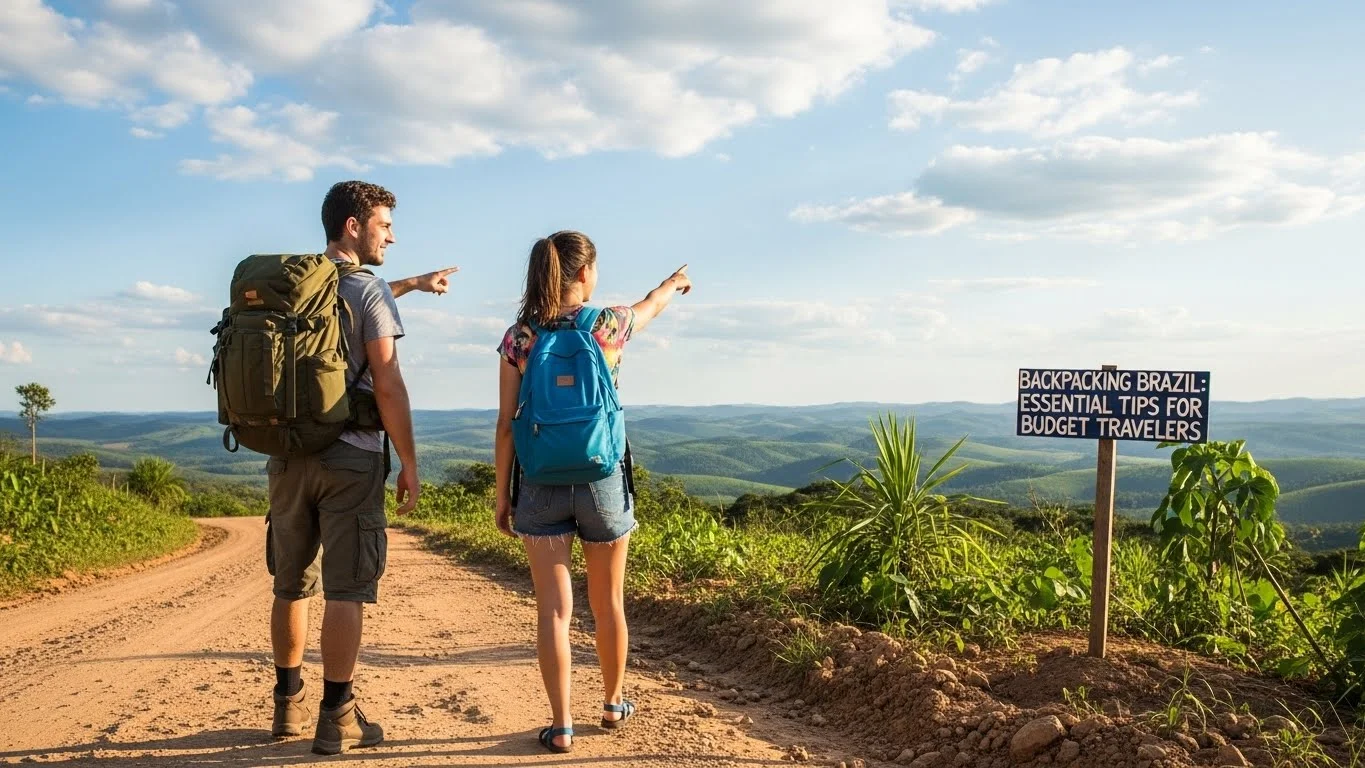
Overview of Backpacking in Brazil
The Appeal of Brazil for Budget Travelers
When I first thought about backpacking in Brazil, I was overwhelmed by the sheer beauty and diversity this country has to offer. From the stunning beaches of Rio de Janeiro to the lush Amazon rainforest, Brazil is a paradise for any traveler. What truly captured my heart, though, was the warmth of the Brazilian people and their passion for life. It’s a place where you can find a mix of urban excitement and natural wonders, all while keeping your expenses low.
As a budget traveler, I found that Brazil offers a plethora of affordable accommodations, delicious street food, and free or inexpensive attractions. Whether you’re wandering through local markets in São Paulo or hiking the trails in Chapada Diamantina, you’ll discover that every corner of Brazil has something to offer without costing a fortune. I believe that the key to enjoying Brazil on a budget lies in knowing where to go and how to navigate the local scene. For tips on effective communication while traveling, check out Mastering Communication Styles When Backpacking Abroad.
Basic Travel Requirements
Before embarking on your Brazilian adventure, it’s important to familiarize yourself with the basic travel requirements. Depending on your nationality, you may need a visa to enter Brazil. For many travelers, a tourist visa is easily obtainable, but always check the specific regulations that apply to your country. I remember spending some time researching this before my trip, and it paid off, as I was able to breeze through customs without any hiccups.
Another essential aspect is to have a valid passport with at least six months of validity left. Additionally, consider purchasing travel insurance that covers health emergencies, theft, and cancellations. It’s a small price to pay for peace of mind, and I can personally vouch for the benefits of having that safety net when traveling abroad.
How to Plan Your Itinerary
Planning your itinerary is one of the most exciting parts of preparing for a backpacking trip in Brazil. With so much to see and do, I found it helpful to narrow down my must-visit destinations before hitting the road. Brazil is vast, so think about what interests you most — whether it’s beaches, historical sites, or hiking opportunities. I personally found that breaking my itinerary down into regions helped me stay organized and made the most of my time.
Start by deciding how long you plan to stay in Brazil. If it’s a couple of weeks, consider focusing on a specific region, like the Southeast or the Northeast. You can visit iconic cities like Rio de Janeiro and Salvador, or explore the stunning natural beauty of the Pantanal wetlands or the Amazon rainforest. I recall spending a week in Rio, soaking in the vibrant culture, then heading to the Iguazu Falls, which was an absolute highlight of my trip.
Once you have your destinations set, use a combination of travel guides, blogs, and apps to map out your journey. I found that reading personal blogs gave me a genuine perspective on each place’s unique vibe and the best budget-friendly options available. I also recommend checking out local public transport options, as they can save you a lot of money compared to taxis and rideshares.
The key is to remain flexible. You might discover places through fellow travelers or locals that aren’t on your original list, and sometimes the best experiences come from spontaneity. I remember chatting with a fellow backpacker who recommended a hidden beach near Salvador, which turned out to be one of my favorite parts of the trip!
Finally, don’t forget to consider your travel style. Are you a slow traveler who enjoys savoring each location, or do you prefer to hop from one place to another quickly? I tend to lean towards the slower side, allowing myself to take in the surroundings and really connect with the places I visit. This approach helped me build meaningful connections with locals, which enriched my experience in Brazil even further.
When to Visit Brazil
Best Time for Backpacking
When I was planning my backpacking adventure in Brazil, one of the first things I wanted to figure out was the best time to visit. The truth is, Brazil has a diverse climate that varies significantly from region to region. However, a good rule of thumb is to aim for the dry season, which generally runs from May to September. During this time, I found the weather to be more pleasant for hiking and exploring. I recall wandering through the streets of Rio de Janeiro with the sun shining, and it made all the difference in my experience.
That said, if you’re looking to immerse yourself in the lively atmosphere of the Brazilian summer, visiting from December to March can also be a great option. It’s the peak tourist season when festivals and beach activities abound. I remember celebrating New Year’s Eve on Copacabana Beach—what an unforgettable experience! Just be prepared for larger crowds and higher prices during this time.
Weather Considerations
As I traveled through Brazil, I quickly learned that the weather can be unpredictable, especially in places like the Amazon, where humidity and rain can be heavy even during the dry season. I packed layers, and I recommend you do too. Lightweight, breathable clothing is essential for the heat, but I also found that a light rain jacket came in handy when the skies turned gray unexpectedly.
In the south, winters can be quite chilly, especially in cities like Curitiba or Porto Alegre. I recall shivering a bit when I underestimated the temperature and ended up wearing every layer I packed. Being prepared for varied weather conditions made my trip much more enjoyable, and staying comfortable allowed me to make the most of each destination.
Seasonal Festivals and Events
One of the highlights of my journey was experiencing Brazil’s vibrant festivals. The most famous, of course, is Carnival, which occurs in February or March, depending on the year. I was lucky enough to be in Salvador during this time, and the energy was contagious. The streets were filled with music, dancing, and colorful costumes. I’ve never felt so alive! If you can time your trip to coincide with Carnival, I wholeheartedly recommend it; just be sure to book accommodations well in advance. For insights on experiencing these events sustainably, read Budget Backpacking: Discover Cultural Festivals Sustainably.
Aside from Carnival, there are many other festivities worth checking out. The Festa Junina in June celebrates rural culture with traditional food, music, and dance. I stumbled upon a local celebration during my travels, and it turned out to be one of my favorite experiences. Joining in the dancing and tasting the delicious food made me feel like a part of the community. There’s always something happening in Brazil, so keep an eye on local calendars!
Top Destinations for Budget Backpacking
Rio de Janeiro
Rio de Janeiro is a must-visit on any backpacking itinerary. I was instantly captivated by the city’s stunning beaches, like Copacabana and Ipanema. The energy here is infectious, and I found myself spending hours just soaking up the sun. Besides the beaches, I highly recommend hiking up to the Christ the Redeemer statue. The views from the top are absolutely breathtaking. Even if you’re on a budget, the hike is free, and the experience is priceless.
São Paulo
São Paulo is often overlooked, but I found it to be a treasure trove of culture and art. The street art scene is phenomenal, and I spent a day wandering through neighborhoods like Vila Madalena, snapping photos of the vibrant murals. The food scene is also worth exploring. I discovered many affordable restaurants serving delicious Brazilian dishes. I particularly enjoyed the local coxinha—a tasty chicken croquette that made for a great snack on the go!
Salvador
Salvador has a rich African influence that makes its culture unique. I remember attending a Capoeira performance, which was captivating to watch. The historic Pelourinho district is a UNESCO World Heritage site, filled with colorful colonial buildings and lively music. The best part? Many of the events and attractions are free or low-cost, making it easy to explore without spending a lot. I was able to immerse myself in the local culture while keeping my budget intact.
Foz do Iguaçu
The Iguaçu Falls are one of the most breathtaking sights I’ve ever seen. The sheer power of the waterfalls left me in awe. There are plenty of budget-friendly tours and options for visiting the national park. I opted for the walking trails that let me get up close to the falls, and it was worth every step. I recommend bringing a picnic to enjoy while soaking in the views—it’s a great way to save money while experiencing nature!
Florianópolis
Florianópolis, or “Floripa” as the locals call it, is a beautiful island known for its stunning beaches and laid-back vibe. I spent days exploring the various beaches, from the popular Praia Mole to the more secluded Lagoinha do Leste. The local seafood is delicious and affordable, especially if you find a small eatery by the beach. The island offers many hiking trails, too, so I was able to combine my love for nature with relaxation.
Amazônia Region
The Amazon rainforest was one of the highlights of my trip. I took a guided tour that offered affordable options for backpackers. Observing the diverse wildlife and learning about the ecosystem made me appreciate nature in a whole new way. I remember sitting on a riverboat, watching the sunset paint the sky in vibrant colors. It was a peaceful moment that reminded me of the beauty of exploration. Just be sure to bring insect repellent—believe me, you’ll need it!
Accommodation Options for Budget Travelers
Hostels vs. Guesthouses
When I started looking for places to stay in Brazil, it quickly became clear that there is a wide range of accommodation options for budget travelers. Hostels are my go-to choice, and I found many that offered affordable rates and a vibrant atmosphere. I loved the social aspect of staying in a hostel; it’s a great way to meet fellow travelers and share stories over breakfast. Some hostels even organize events, like city tours or group dinners, which helped me connect with others and discover hidden gems in the city.
Guesthouses are another fantastic option, especially if you prefer a quieter environment. I stumbled upon a charming guesthouse in Salvador, where the owner treated us like family. The personal touch made my stay memorable, and I appreciated the local tips they shared. Whether you choose a hostel or a guesthouse, I recommend reading reviews and checking for amenities like free breakfast or kitchen access, as these can help you save money during your stay.
Camping and Outdoor Options
If you’re a nature lover like me, consider camping as a budget-friendly accommodation option. Brazil has numerous national parks and beaches where camping is permitted. I found a beautiful spot near Chapada Diamantina National Park, surrounded by stunning landscapes and the sounds of nature. Camping not only saved me money but also added a unique experience to my trip. Waking up to the sunrise over the mountains was a sight I’ll never forget!
However, it’s essential to ensure you have the right gear and know the local regulations before setting up camp. I learned the hard way that not all areas allow camping, so I always checked beforehand. Additionally, I packed a lightweight tent and sleeping bag, which made it easy to move from one beautiful location to another.
Airbnb and Couchsurfing
For those looking for a slightly different experience, Airbnb and Couchsurfing can be excellent alternatives. I used Airbnb in Florianópolis, where I found a cozy apartment close to the beach at a fraction of the price of a hotel. It felt great to have a little more space and a kitchen to prepare my meals, which saved me money on dining out.
Couchsurfing, on the other hand, offers a chance to stay with locals for free. I decided to try it in São Paulo and was lucky enough to be hosted by a friendly couple who showed me around their city. They introduced me to local foods and shared their favorite spots, which added a personal touch to my travels. If you’re open to it, Couchsurfing can provide genuine insights into Brazilian culture and make your experience even more special.
Transportation Tips in Brazil
Budget Airlines and Domestic Flights
As I traveled across Brazil, I quickly realized that the country is vast, and flying can be a time-efficient way to cover long distances. I found several budget airlines that offered affordable domestic flights. Booking in advance helped me snag some great deals. For instance, I flew from Rio to Salvador for a fraction of what I expected to pay! Just keep an eye on the baggage policies, as some low-cost carriers charge extra for checked luggage.
Long-Distance Buses
If flying doesn’t suit your travel style or budget, long-distance buses are another popular and economical option. I took several bus rides throughout Brazil, and I was pleasantly surprised by the comfort and convenience. The buses often have reclining seats, air conditioning, and even onboard snacks. I remember a scenic ride from Foz do Iguaçu to Curitiba, where I enjoyed stunning views of the countryside. It’s also a good way to meet locals and other travelers along the way.
Public Transportation in Major Cities
In cities like Rio de Janeiro and São Paulo, public transportation is often the best way to get around. I relied heavily on the metro system, which was affordable and efficient. I found it helpful to download a transportation app that provided real-time information on routes and schedules. This way, I was able to navigate the cities with ease, allowing me to spend more time exploring and less time figuring out how to get from point A to B.
Renting a Bike or Scooter
For a fun and active way to see the sights, I highly recommend renting a bike or scooter in beach towns like Florianópolis. I spent a day cycling along the coast, stopping at various beaches and enjoying the fresh air. It was a fantastic way to cover more ground while still feeling connected to the surroundings. Many places offer affordable rentals, and it’s a great way to explore at your own pace. Just remember to wear sunscreen and stay hydrated!
Food and Dining on a Budget
Street Food Favorites
One of the best parts of traveling in Brazil was indulging in the street food. I couldn’t get enough of the coxinha, a delicious chicken-filled pastry that I found on almost every corner. It was cheap, tasty, and perfect for on-the-go snacking. I also enjoyed pão de queijo, a cheesy bread roll that was a delightful treat during my travels. Exploring local street food markets became a highlight of my experience, and I loved trying new dishes without spending much.
Bargain Restaurants and Buffets
While street food is amazing, I also sought out local restaurants that offered affordable meals. I discovered “por kilo” buffets, where you pay based on the weight of your food. This was perfect for trying a variety of dishes without overspending. I remember filling my plate with rice, beans, and a mix of local vegetables and proteins for a satisfying meal. It felt good to eat well and stick to my budget!
Local Markets and Grocery Stores
Shopping at local markets and grocery stores is another great way to save money on food. I often bought fresh fruits and snacks to enjoy during my adventures. In Salvador, I visited a bustling market where I picked up a few ripe mangos and some nuts for a healthy snack while exploring the city. Cooking some of my meals in hostel kitchens also helped me save money and gave me the chance to experiment with local ingredients.
Frequently Asked Questions
What are some affordable accommodation options for budget travelers in Brazil?
Budget travelers can choose from hostels, guesthouses, camping, Airbnb, and Couchsurfing. Hostels offer a vibrant atmosphere and social interactions, while guesthouses provide a quieter environment. Camping is great for nature lovers, and Airbnb can offer more space at a lower price. Couchsurfing allows travelers to stay with locals for free, providing genuine cultural insights.
What is the best time to visit Brazil for backpacking?
The best time for backpacking in Brazil is generally during the dry season, which runs from May to September. However, if you want to experience the lively atmosphere of summer, visiting from December to March is also an option, although it may come with larger crowds and higher prices.
What are some must-visit destinations in Brazil for budget backpackers?
Must-visit destinations include Rio de Janeiro for its stunning beaches and Christ the Redeemer statue, São Paulo for its vibrant street art and food scene, Salvador for its rich culture and history, Foz do Iguaçu for the breathtaking waterfalls, and Florianópolis for its beautiful beaches and hiking trails.
How can I save money on food while traveling in Brazil?
You can save money on food by indulging in street food favorites like coxinha and pão de queijo, visiting bargain restaurants and “por kilo” buffets, and shopping at local markets and grocery stores for fresh fruits and snacks. Cooking in hostel kitchens is another way to save money.
What transportation options are available for budget travelers in Brazil?
Budget travelers can use budget airlines for domestic flights, long-distance buses for economical travel, and public transportation in major cities like Rio de Janeiro and São Paulo. Renting a bike or scooter in beach towns is also a fun and affordable way to explore.
What should I know about the weather when backpacking in Brazil?
The weather in Brazil can be unpredictable, especially in the Amazon with heavy humidity and rain. It’s advisable to pack layers, including lightweight clothing and a light rain jacket. In the southern regions, winters can be chilly, so preparation is key.
Are there any seasonal festivals worth experiencing while in Brazil?
Yes, experiencing Brazil’s vibrant festivals is a highlight. Carnival, occurring in February or March, is the most famous, filled with music and dancing. Other festivals include Festa Junina in June, which celebrates rural culture with traditional food and dance.
How can I plan my itinerary for backpacking in Brazil?
Planning your itinerary involves narrowing down must-visit destinations based on your interests, such as beaches, historical sites, or hiking. It’s helpful to break the itinerary down by regions and remain flexible to discover spontaneous destinations through fellow travelers or locals.
What are some tips for navigating public transportation in Brazil?
Utilize the metro systems in cities like Rio de Janeiro and São Paulo, which are affordable and efficient. Download transportation apps for real-time information on routes and schedules, making it easier to navigate the cities and explore without wasting time.
What basic travel requirements should I be aware of before going to Brazil?
Travelers should check if they need a visa based on their nationality and ensure their passport is valid for at least six months. It is also recommended to purchase travel insurance that covers health emergencies, theft, and cancellations for peace of mind.