
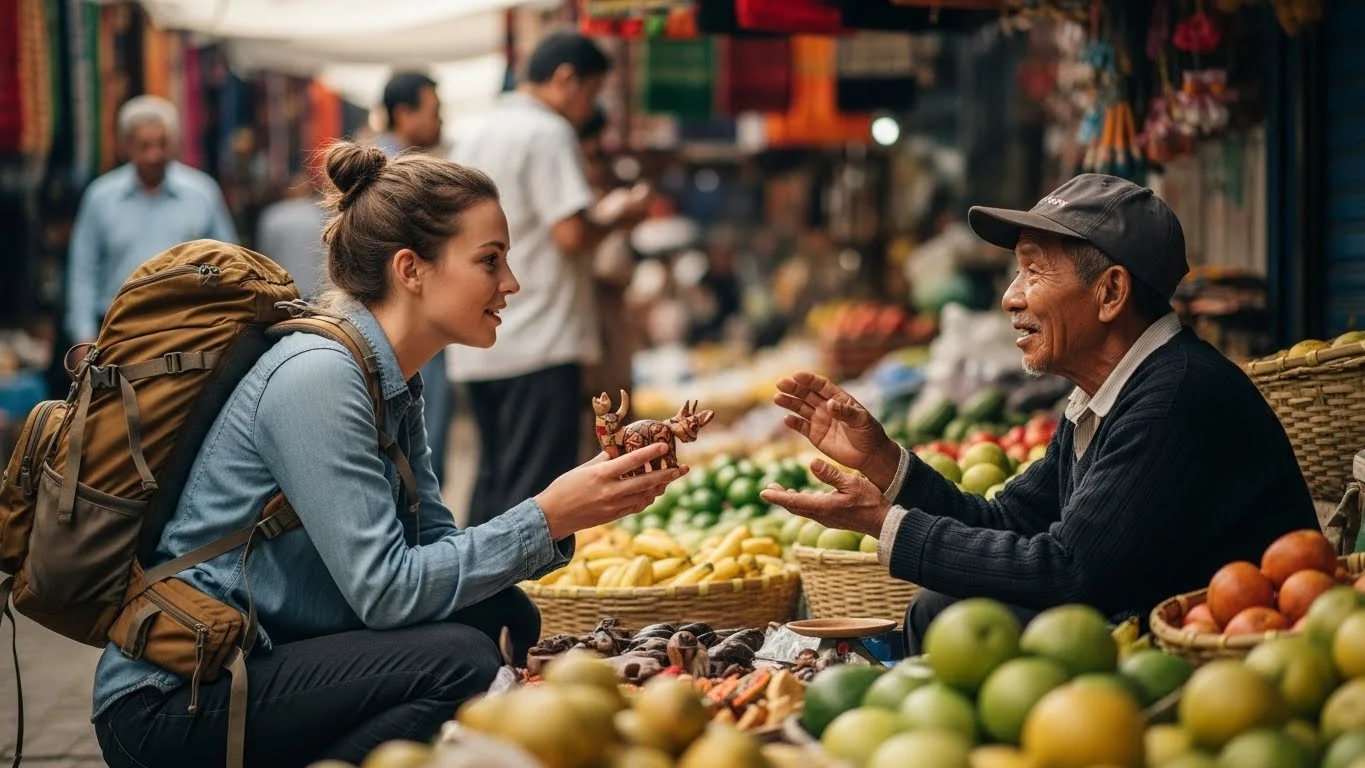
Backpacking is not just about exploring new places; it’s about connecting with the people who live there. Good communication with locals can enhance our travel experience, making it richer and more memorable. Backpacking Abroad? Navigate Cultural Etiquette Like a Pro!
Understanding Backpacking Etiquette
When I first started backpacking, I quickly learned that etiquette goes far beyond following travel rules; it’s about being respectful and aware of cultural differences. Every destination has its own set of unwritten rules, and understanding these can make our interactions with locals smoother and more enjoyable. The essence of backpacking etiquette is rooted in cultural sensitivity, which helps us build connections rather than barriers.
Importance of Cultural Sensitivity
Cultural sensitivity is crucial for effective communication while backpacking. I remember my first trip to Thailand, where I was eager to immerse myself in the local culture. I made a conscious effort to learn about their customs and traditions. For instance, I discovered the significance of the “wai,” a traditional Thai greeting involving a slight bow and pressed palms. This small gesture opened doors to friendly conversations and made me feel welcomed. By showing that I respected their culture, I found that locals were more open and willing to engage with me.
Understanding cultural norms helps us avoid misunderstandings that could lead to uncomfortable situations. For example, in some countries, direct eye contact can be seen as disrespectful, while in others, it’s a sign of confidence. I learned that being observant and adapting to the environment can make a significant difference in how locals perceive us. I always try to educate myself about the local culture before I arrive; it’s a small step that leads to big rewards. Cultural Communication Etiquette for Budget Travelers
General Backpacking Etiquette Tips
There are a few general etiquette tips I’ve picked up along the way that can help enhance our backpacking experience. Here’s what I recommend:
- Be Polite: Simple phrases like “please,” “thank you,” and “excuse me” can go a long way. I make it a point to use these words in any language I can, and locals often appreciate the effort.
- Ask Before Taking Photos: I’ve learned that not everyone wants their picture taken. It’s always best to ask for permission, especially in more remote or traditional communities.
- Respect Local Customs: If you’re visiting sacred sites, dress appropriately. For example, when I visited temples in Bali, I made sure to wear a sarong, as it’s a sign of respect.
- Keep Noise Levels Down: In many cultures, being loud can be seen as rude. I try to be mindful of my volume, especially in public transport or quiet areas.
- Leave No Trace: This mantra is important for any backpacker. I always clean up after myself to show respect for the environment and the communities I visit. It feels good to know I’m leaving the place as beautiful as I found it.
These tips might seem basic, but they form the foundation of respectful and meaningful interactions. I’ve found that locals respond positively when I show that I care about their customs and values. It’s like building a bridge where both sides can connect and share stories.
As we navigate through different cultures, we can enhance our experiences significantly by being aware of how we present ourselves and interact with the people around us. Learning about etiquette isn’t just about following rules; it’s about fostering genuine connections and understanding the essence of the places we visit. I’ve discovered that every interaction, no matter how small, can be a rich opportunity for learning and growth.
Effective Communication with Locals
Verbal Communication Skills
When I think about my travels, one of the most rewarding aspects has been the moments of genuine connection with locals. Effective communication is key, and I’ve learned that even a little effort can go a long way. One of the first things I do is try to learn key phrases in the local language. It’s amazing how a simple “hello,” “thank you,” or “how are you?” can break down barriers. I remember being in Italy and learning to say “grazie” and “per favore.” The smiles I received in return were priceless and made me feel so much more connected to the people around me.
Learning Key Phrases in Local Languages
Taking the time to learn some basic phrases shows locals that I respect their culture and language. I often use language-learning apps or even just Google Translate to help me with pronunciation. During a trip to Japan, I was thrilled to learn how to say “sumimasen” when I wanted to get someone’s attention. The locals appreciated my effort, and it led to some wonderful conversations. Even if my pronunciation wasn’t perfect, they seemed delighted that I tried. I believe that showing genuine interest in their language fosters a sense of camaraderie.
Using Simple and Clear Language
When speaking with locals, I’ve found that using simple and clear language is crucial. Sometimes, I get caught up in trying to sound clever or sophisticated, but I’ve learned that clarity is more important. I try to avoid slang or complex phrases. Instead, I focus on being straightforward. For instance, when asking for directions, I keep my questions simple: “How do I get to the bus station?” This makes it easier for the other person to understand and respond. Plus, it saves us both time, and I often get better directions!
Non-Verbal Communication
Verbal communication is just one part of the equation; non-verbal communication plays a huge role as well. I’ve noticed that body language and gestures can convey a lot, sometimes even more than words. Being aware of my own body language is just as important as understanding the signals from others.
Body Language and Gestures
In my travels, I’ve learned that body language varies from culture to culture. For instance, a thumbs-up can mean “great job” in some places, but it’s considered rude in others. I make it a point to observe how locals communicate non-verbally. When I was in Greece, I noticed that people often used hand gestures to emphasize their points. I tried to mimic some of these gestures, and it not only helped me communicate better but also brought smiles to their faces. It’s like an unspoken language that can bridge gaps.
Respecting Personal Space
Another crucial aspect of non-verbal communication is understanding personal space. In some cultures, people stand close during conversations, while in others, it’s important to keep a certain distance. I remember traveling to Brazil and feeling a bit surprised by how closely people stood to one another while chatting. At first, I felt a bit uncomfortable, but then I realized it was a normal part of their culture. I learned to adapt, and it helped me connect with the locals on a different level.
Engaging with Local Communities
How to Approach Locals
Engaging with locals can sometimes feel daunting, especially if you’re shy or unsure of how to start a conversation. I’ve been there, and I can say that taking the initiative can lead to some truly rewarding experiences.
Starting Conversations
When I want to start a conversation, I often look for common ground. I’ve found that asking about local recommendations works like a charm. In Vietnam, I approached a street vendor and asked what their favorite dish was. This simple question sparked a lively exchange, and before I knew it, I was sitting down with them enjoying a delicious bowl of pho. It was a beautiful example of how curiosity can lead to connection.
Asking for Help or Directions
Another great way to engage with locals is by asking for help or directions. I’ve noticed that most people are more than willing to assist. When I was lost in Barcelona, I approached a couple enjoying their coffee. They not only helped me find my way but also shared some insider tips on what to see. This approach made me feel more connected to the city and its people.
Participating in Local Customs
Being active in local customs is another fantastic way to engage with communities. It opens doors to experiences I might not have considered otherwise.
Understanding Local Norms and Values
Before visiting a new place, I try to do a little research on local norms and values. This helps me navigate social situations with more ease. For instance, I learned that in many Middle Eastern cultures, sharing a meal is a sign of friendship. When invited to a local’s home in Jordan, I felt honored and made sure to embrace their customs, including eating with my right hand only. This gesture showed my respect for their traditions.
Involving Yourself in Community Activities
Participating in community activities, like local festivals or workshops, has been one of the highlights of my travels. In Thailand, I joined a community cooking class that not only taught me how to cook authentic dishes but also allowed me to meet local families. It was an enriching experience where I learned about their values and traditions while making new friends. These kinds of engagements make travel feel more personal and memorable. Mastering Communication Styles When Backpacking Abroad
Building Trust and Rapport
The Role of Listening in Communication
One of the most important aspects of effective communication is listening. I’ve learned that when we genuinely listen, we create a space for meaningful dialogue. During my travels, I’ve found that people appreciate when I take the time to hear their stories and experiences. It’s not just about hearing the words; it’s about understanding the emotions behind them. I remember sitting in a small café in Morocco, listening to a local storyteller share tales of his ancestors. I could see the passion in his eyes, and it made me feel connected to his culture in a way that words alone couldn’t convey.
Active listening involves nodding, making eye contact, and showing that I’m engaged in the conversation. I often ask open-ended questions that encourage the other person to share more. For example, instead of asking, “Did you like this place?” I might say, “What do you love most about living here?” This approach not only enriches my understanding but also builds trust, as the other person feels valued and respected.
Showing Appreciation and Gratitude
Expressing appreciation can significantly enhance our interactions with locals. I’ve found that simple gestures of gratitude can leave a lasting impression. When someone goes out of their way to help me, I make it a point to acknowledge their kindness. Saying “thank you” is universal, but I like to take it a step further by sharing why I’m grateful. For instance, after receiving directions from a local in Paris, I told them how their help made my day so much easier and more enjoyable.
Thank You in Local Languages
Using the local language to express thanks can be a game changer. I remember my trip to Brazil, where I learned to say “obrigado” for men and “obrigada” for women. The joy on the faces of the locals when I used their language was priceless. It’s a small effort that shows respect and fosters goodwill. I always try to learn how to say thank you in the language of the country I’m visiting, and it often leads to smiles and warmth in our interactions.
Giving Compliments Appropriately
Compliments can go a long way in building rapport, but I’ve learned to be mindful of how I deliver them. In some cultures, compliments can be seen as overly forward or insincere if not done carefully. I remember complimenting a woman in India on her beautiful sari, and she responded with a smile, sharing the story behind it. It was a reminder that genuine compliments can open doors to deeper conversations, but I always gauge the context and the person before I speak.
Handling Language Barriers
Using Translation Apps and Tools
Language barriers can feel intimidating, but I’ve found that technology can be a helpful ally. There have been countless times when I relied on translation apps during my travels. I remember trying to order food in a tiny restaurant in Vietnam where English wasn’t spoken. I quickly pulled out my phone and used a translation app to communicate my order. The locals were amused and impressed, and it turned into a fun interaction as we both tried to understand each other. These apps make it easier to bridge communication gaps and can even lead to unexpected friendships.
Finding English-Speaking Locals
While I always aim to learn the local language, I also realize that not everyone speaks it. In many places, I’ve been fortunate to meet locals who speak English, especially in tourist areas. I’ve learned to approach these conversations with an open mind, recognizing that they can provide valuable insights into their culture. For example, I was exploring a market in Istanbul when I struck up a conversation with a vendor who spoke English fluently. He not only helped me with my purchases but also shared fascinating stories about the city’s history. These interactions remind me that language barriers can often be overcome with a little curiosity and friendliness.
Dining Etiquette When Communicating with Locals
Understanding Local Dining Customs
Sharing a meal is one of the most intimate ways to connect with locals, and I’ve learned that understanding dining customs is essential. In many cultures, meals are a time for bonding and sharing stories. I remember visiting a family in Italy, where I was welcomed with open arms and a delicious homemade pasta dish. They took the time to explain the significance of each dish, and it turned into a delightful evening of laughter and storytelling. Being aware of dining etiquette, such as when to start eating or how to use utensils, can make a huge difference in how locals perceive us.
Polite Table Manners
Practicing good table manners is crucial when dining with locals. I’ve come to realize that what’s considered polite can vary significantly from one culture to another. In Japan, for example, I learned that it’s respectful to say “itadakimasu” before a meal and “gochisosama deshita” after finishing. These small phrases show gratitude for the food and the effort that went into preparing it, and locals appreciate when visitors honor their customs.
Ordering Food and Asking Questions
When it comes to ordering food, I’ve found that asking questions can lead to delightful discoveries. Instead of just ordering what’s popular, I like to ask locals for their recommendations. On a trip to Thailand, I asked a street vendor what their favorite dish was. They enthusiastically recommended a local specialty that I would have never tried otherwise. This not only enriched my dining experience but also sparked a conversation about the ingredients and preparation methods, making the meal even more enjoyable.
Respecting Local Traditions and Beliefs
Understanding Religious and Cultural Practices
One of the most rewarding aspects of backpacking is diving deep into the rich tapestry of local traditions and beliefs. I’ve often found that embracing these practices not only enriches my travel experience but also shows my respect for the culture. For instance, when visiting a Buddhist temple in Cambodia, I was astounded by the reverence people showed during prayer. I took my time to observe the rituals, from the way they offered flowers to the respectful bows. This experience opened my eyes to a world that many tourists often overlook. By understanding these customs, I felt a deeper connection not only to the place but also to its people.
I remember attending a local festival in Mexico where the community celebrated the Day of the Dead. I was initially hesitant, not wanting to intrude on such a sacred occasion. However, after speaking with a local family, I was invited to join the festivities. They explained the significance of honoring their ancestors and how it’s a celebration of life. Participating in this event gave me a profound appreciation for their beliefs, and I left with newfound knowledge and respect for their traditions.
Being Mindful of Dress Codes
Dress codes can vary dramatically from one culture to another, and I’ve learned that being mindful of what I wear can speak volumes about my respect for local customs. In many countries, modesty is a key aspect of dress, especially in religious or traditional settings. I’ve made it a habit to research dress codes before my trip. For example, during my time in Morocco, I ensured I wore loose-fitting clothing that covered my arms and legs. This not only helped me blend in but also showed my appreciation for their cultural norms.
On another occasion, while visiting a shrine in India, I was required to remove my shoes before entering. Initially, I was surprised, but I quickly realized it was a sign of respect. I tried to adapt and even learned that many locals often carry a pair of flip-flops in their bags specifically for such situations. This small act of being respectful created a memorable experience, allowing me to engage more deeply with the culture.
Tips for Backpackers on Communicating with Locals
Dos and Don’ts of Communication
As I’ve navigated through various cultures, I’ve picked up some dos and don’ts that can make a significant difference in how we communicate with locals. First, I always try to greet people warmly and with a smile; this simple gesture can set a positive tone for the interaction. On the flip side, I’ve learned to avoid making assumptions or generalizations about a culture based on stereotypes. Instead, I approach every interaction with an open mind and a willingness to learn.
Another important tip is to be patient. I remember trying to communicate with a local artisan in a bustling market in India. Our conversation was slow, with lots of gestures and an occasional laugh. It took time, but the connection we built was worth it. I’ve found that patience fosters understanding and creates a more enjoyable experience for both parties.
Utilizing Local Resources: Guides and Community Centers
When I’m in a new city, I’ve discovered that local resources can be incredibly helpful for enhancing communication. Community centers often provide valuable insights into cultural norms and can connect you with locals who are eager to share their experiences. I once visited a cultural center in Peru, where I met residents who organized workshops on traditional crafts. This not only helped me learn more about their culture but also provided opportunities for meaningful interactions.
Additionally, I’ve found hiring local guides to be one of the best ways to bridge communication gaps. They can offer insider knowledge and help facilitate conversations. During my travels in Kenya, I teamed up with a local guide who not only spoke the language fluently but also had deep ties to the community. His presence opened many doors, allowing me to engage with locals in ways I wouldn’t have been able to alone.
Making the Most of Your Interactions
To truly make the most of my interactions, I focus on being present and engaged. I try to put away my phone and immerse myself in the moment, whether I’m sharing a meal or exploring a market. I’ve learned that active engagement often leads to spontaneous conversations and unforgettable memories. I remember one afternoon in Thailand when I joined a group of locals playing a traditional game. I felt a little awkward at first, but the laughter and camaraderie that followed made it one of my favorite memories of the trip.
Final Thoughts
Backpacking is more than just visiting new places; it’s about building connections and truly understanding the world around us. By respecting local traditions, embracing effective communication, and engaging with communities, we can create lasting memories and friendships. Each encounter teaches us something new and enriches our travel experiences. So, the next time you set off on an adventure, remember that it’s the people you meet along the way who will leave the most profound impact on your journey.
Frequently Asked Questions
“`htmlWhat is the essence of backpacking etiquette?
The essence of backpacking etiquette is rooted in cultural sensitivity, which helps build connections with locals rather than barriers. Understanding unwritten cultural rules enhances interactions and creates a more enjoyable travel experience.
Why is cultural sensitivity important while backpacking?
Cultural sensitivity is crucial for effective communication. It helps avoid misunderstandings and shows respect for local customs, leading to more positive interactions with locals. Learning about a destination’s culture before arrival can significantly enrich the travel experience.
What are some general backpacking etiquette tips?
General etiquette tips include being polite, asking for permission before taking photos, respecting local customs, keeping noise levels down, and leaving no trace. These basic actions help create respectful and meaningful interactions with locals.
How can learning key phrases in the local language enhance communication?
Learning key phrases in the local language shows respect for the culture and often leads to friendlier interactions. Even simple greetings can break down barriers and create a sense of camaraderie with locals.
What role does non-verbal communication play when interacting with locals?
Non-verbal communication, such as body language and gestures, conveys significant meaning and can often bridge gaps in verbal communication. Being aware of and adapting to different cultural norms regarding personal space and gestures can enhance interactions.
How can travelers engage effectively with local communities?
Travelers can engage effectively by starting conversations about local recommendations, asking for help or directions, and participating in local customs or community activities. This approach fosters genuine connections and enriches the travel experience.
What are some ways to show appreciation and gratitude to locals?
Expressing appreciation can enhance interactions. Simple gestures like saying “thank you” in the local language or sharing why you are grateful can leave a lasting impression and foster goodwill.
What are some dining etiquette practices to be aware of when communicating with locals?
Understanding local dining customs, practicing polite table manners, and asking locals for food recommendations can enhance the dining experience. These practices show respect and can lead to deeper conversations about local cuisine.
How can travelers handle language barriers while communicating?
Travelers can handle language barriers by using translation apps and tools or by finding English-speaking locals. These methods can facilitate communication and often lead to interesting interactions and insights into local culture.
What is the significance of respecting local traditions and beliefs while backpacking?
Respecting local traditions and beliefs enriches the travel experience and demonstrates appreciation for the culture. Engaging in local customs and understanding their significance can create memorable interactions and a deeper connection with the community.
“`