
Who says you need a fortune to enjoy exquisite wine and culinary delights? Backpacking offers a thrilling way to explore affordable wine and food experiences around the globe. For more insights, check out our article on Top 10 Affordable Wine and Dine Experiences for Backpackers.
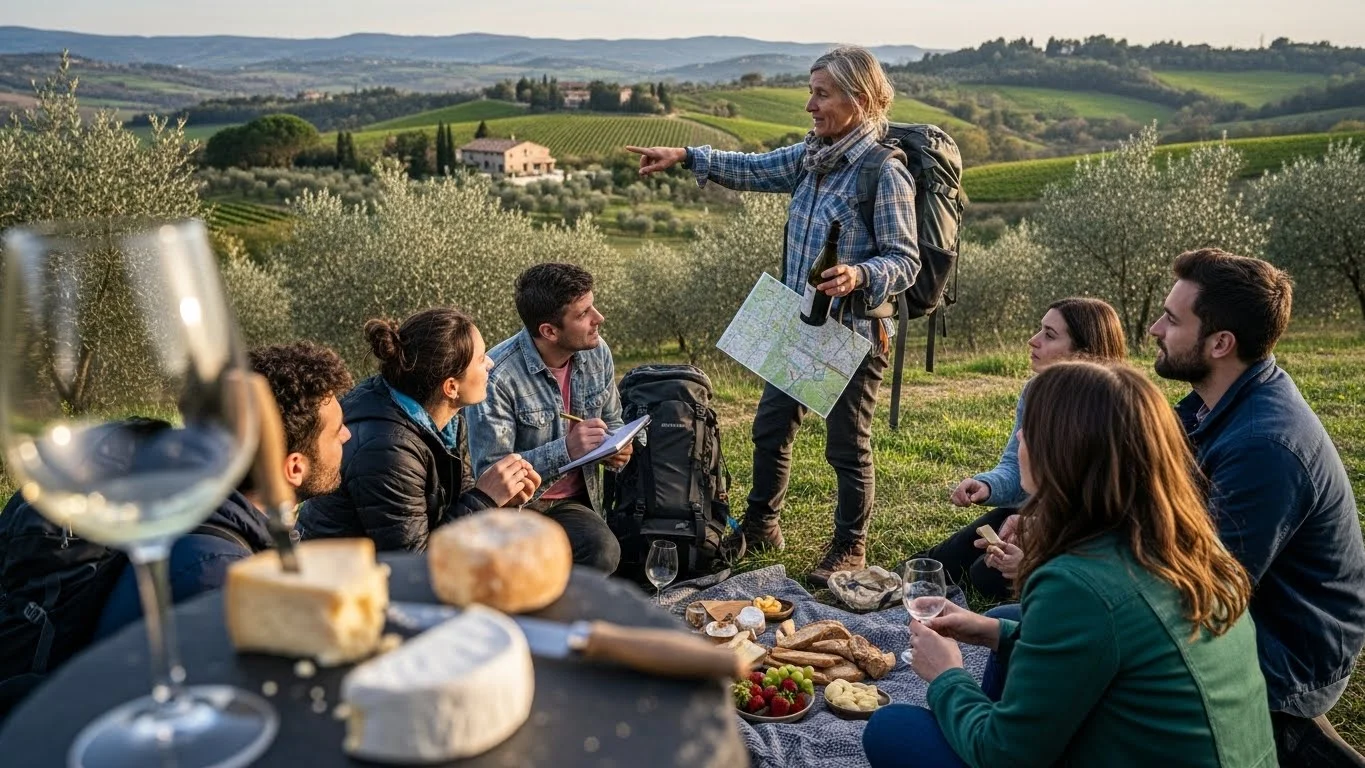
Overview of Backpacking and Culinary Experiences
What is Backpacking?
Backpacking, for me, is more than just a way to travel; it’s a liberating experience that allows us to connect with the world around us. It’s about packing light, hitting the road, and immersing ourselves in new cultures and landscapes. When I first started backpacking, I was amazed at how easily I could navigate through different countries using just a map and a sense of adventure. The thrill of discovering hidden gems, from quaint villages to bustling markets, made every trip unforgettable. Whether it’s hiking through mountains or wandering along city streets, backpacking encourages spontaneity and exploration.
The Appeal of Wine and Food Experiences
There’s something truly special about tasting local wines and dishes that reflect the culture of the place I am visiting. I remember my first trip to a vineyard in California; it was like stepping into a postcard. The rolling hills, the sun-drenched grapes, and the warm hospitality of the staff made for an experience I cherish. Wine and food experiences add a rich layer to our travels, turning simple meals into cherished memories. I’ve learned that indulging in local cuisine not only satisfies our taste buds but also deepens our understanding of a region’s history and traditions.
Exploring culinary delights on a budget is achievable. Whether through wine tastings or street food markets, I’ve found that affordable options abound. Taking part in food and wine experiences while backpacking allows us to enjoy the richness of different cultures without breaking the bank. From my experience, these adventures can be both enriching and delicious, making each trip a feast for the senses. For more ideas, see our guide on Unforgettable Wine and Food Pairings on a Budget.
Top Affordable Wine Regions to Explore
California Wine Country
California’s Wine Country, especially regions like Napa Valley and Sonoma, is often celebrated for its world-class wines. But it doesn’t have to be expensive! I’ve discovered that many wineries offer complimentary tastings or affordable tours. Some lesser-known vineyards provide a more intimate experience without the hefty price tag. I remember stumbling upon a small family-owned vineyard where the owner passionately shared stories about his wines, and those moments felt more special than any high-end tasting I had attended. Be sure to check for special events like harvest festivals, which often feature tastings at a fraction of the usual cost.
Oregon’s Willamette Valley
Oregon’s Willamette Valley is another hidden gem. Known for its Pinot Noir, the valley boasts stunning landscapes and a friendly atmosphere. On my visit, I was welcomed by winemakers who were eager to share their craft. Many wineries have picnic areas, so I packed a simple lunch and enjoyed it with a glass of wine overlooking the vineyards. In my opinion, this was a perfect way to soak in the beauty of the area while keeping my expenses low. Plus, the community often hosts events where you can taste multiple wines from various producers, making it a budget-friendly way to experience the region.
South Africa’s Stellenbosch
If you’re looking for a wine region with breathtaking views and rich history, Stellenbosch in South Africa should be on your list. I was initially drawn by the stunning mountains surrounding the vineyards. What I found was a treasure trove of wine experiences that cater to all budgets. Many wineries offer affordable tastings and even food pairings, and I remember enjoying a delightful wine and cheese pairing for under $10. The warm friendliness of the locals made my experience even more enjoyable, and I loved learning about their unique wine-making techniques.
Italy’s Tuscany Region
Tuscany is synonymous with fine wine and delicious food. While some may think it’s out of reach, I’ve found that exploring the smaller towns can lead to affordable yet incredible culinary experiences. Visiting local markets in towns like Montepulciano or Montalcino, where I could sample local cheeses and cured meats, was a highlight of my trip. Additionally, many wineries offer tastings paired with homemade local dishes at reasonable prices. The charm of Tuscany is in its simplicity, and indulging in a rustic meal while sipping Chianti can be one of the most memorable experiences of your travels.
Spain’s La Rioja
La Rioja is a must-visit for wine lovers on a budget. Known for its rich reds, this region offers an array of affordable wine experiences. During my visit, I discovered that many wineries offer free tours and tastings, especially in the smaller towns. I was pleasantly surprised by how welcoming everyone was. I jumped into a local food festival that was happening, where I could taste traditional tapas paired with local wines, all without spending a fortune. The vibrant culture and delicious offerings made my time in La Rioja not only affordable but also incredibly enjoyable.
Budget-Friendly Food Experiences
Street Food Markets
One of my favorite parts of traveling is diving into local street food markets. There’s just something magical about wandering through stalls filled with sizzling dishes and delicious aromas. I remember my trip to Bangkok, where the street food scene was vibrant and alive. I tried everything from Pad Thai to mango sticky rice for just a few dollars. These markets not only offer an array of flavors but also give us a chance to mingle with locals and other travelers alike. I’ve learned that street food is often where you can find the best and most authentic dishes, all while sticking to a budget. Just be sure to choose busy stalls, as they are likely to have fresher ingredients and a quicker turnover.
Local Restaurants and Bistros
While street food is fantastic, I also love exploring local restaurants and bistros, especially those that are off the beaten path. I found that these places often reflect the true culinary heart of the area. During my travels in Lisbon, I stumbled upon a tiny bistro run by a family who served traditional Portuguese dishes. The prices were incredibly reasonable, and the food was made with love. Sitting at a small table, surrounded by locals enjoying their meals, made for an authentic experience. I always recommend asking locals for their favorite dining spots; they often know the best hidden gems that offer great food without the touristy price tag.
Cooking Classes on a Budget
Another option I discovered is taking cooking classes while traveling. It might sound counterintuitive for budget-conscious travelers, but I’ve found many affordable classes that not only teach you how to cook local dishes but also include market visits. I remember taking a class in Florence, where we started our day at a local market, selecting fresh ingredients, and then heading back to a cozy kitchen to learn how to prepare a traditional pasta dish. The experience was not only fun and educational, but it also provided a delicious meal at the end that I wouldn’t have experienced otherwise. Plus, I left with recipes that I could recreate back home, keeping my travel memories alive through food.
Wine and Food Pairing Events
Wine and food pairing events can often feel exclusive, but I’ve found many affordable options. Some wineries or local restaurants host these events, where you can enjoy a meal paired with specially selected wines. I remember attending a pairing dinner in Mendoza, Argentina, where the price was surprisingly reasonable, and the food was exceptional. It was fascinating to learn how each dish complemented the wine, enhancing both flavors. Look for smaller venues or local organizations that run such events, as they tend to be more intimate and budget-friendly. In my experience, these events not only celebrate the local cuisine and wines but also create an enjoyable atmosphere for meeting fellow travelers. You can explore more about such events in our article on Top 10 Affordable Culinary Festivals to Experience Worldwide.
When to Visit for Best Experiences
Seasonal Considerations for Wine Tasting
Timing is everything when it comes to wine tasting. I’ve learned that visiting during the harvest season, typically from September to October in many regions, can be a thrilling experience. The energy is palpable, and many wineries offer special tours and tastings during this time. I remember visiting Napa Valley during the harvest, and the excitement of seeing grapes being picked was unforgettable. However, shoulder seasons, like spring and fall, often provide a perfect balance of pleasant weather and fewer crowds. This means more personalized attention from staff, which can enhance your tasting experience without the hustle and bustle of peak tourist times.
Food Festivals Around the World
Food festivals are another fantastic way to dive into local culture and cuisine. From my experience, attending a food festival is like getting a crash course in a region’s culinary traditions. I once visited a cheese festival in France that brought together local dairymen and cheesemakers. I had the chance to taste varieties I’d never even heard of, all while chatting with passionate locals. Many regions hold annual food festivals that celebrate their unique flavors and dishes. I recommend checking local tourism websites ahead of your trip to see if any festivals coincide with your travel dates. These events are often free to enter, and food is available at various price points, making them an ideal way to sample a variety of dishes without breaking the bank.
Planning Your Backpacking Trip
Budgeting for Wine and Food Experiences
Budgeting is crucial for any backpacking trip, especially when it comes to indulging in wine and food experiences. I usually set aside a specific amount for these activities before I travel, which helps me to prioritize what I want to do. I’ve found it helpful to research costs ahead of time, looking up average prices for tastings, meals, and classes. Additionally, I tend to keep an eye out for any special deals or packages offered by wineries and restaurants, as they can provide significant savings. Also, consider using apps that offer discounts or loyalty programs; they can help stretch your budget further while allowing you to enjoy a variety of experiences.
Choosing Accommodations: Hostels vs. Guesthouses
Choosing the right place to stay can greatly impact your budget and overall experience. I’ve stayed in both hostels and guesthouses, and each has its pros and cons. Hostels often have shared kitchens, which allow us to prepare some of our meals and save money. On the other hand, guesthouses can provide a more homey atmosphere and sometimes include breakfast, which is a nice bonus. I typically look for places that are centrally located, making it easier to explore local dining options without needing to rely heavily on transportation. I think the key is to choose accommodations that not only fit our budget but also enhance our travel experiences.
Transportation Options in Wine Regions
Getting around wine regions can be a bit tricky, but I have found several options that work well. Renting a bicycle is one of my favorite ways to explore smaller wine regions. It’s eco-friendly, gives us the freedom to stop wherever we want, and allows us to connect with the surroundings more intimately. In places like Bordeaux, I’ve pedaled from vineyard to vineyard, enjoying the scenery while working off some of the calories from all the delicious food and wine! Alternatively, many regions offer public transport or shuttle services between wineries, which can be both convenient and cost-effective. I always recommend doing a bit of research on local transportation options to find what works best for your itinerary.
Safety Tips for Backpackers
Staying Safe While Wine Tasting
Safety is always on my mind while exploring new places, especially when indulging in wine tastings. I remember one trip where I got a little too carried away with the delightful flavors and ended up feeling a bit tipsy. From my experience, it’s crucial to pace yourself and know your limits. I usually set a personal guideline of tasting just a couple of wines at each stop and drinking plenty of water in between. This helps me stay hydrated and enjoy the entire experience without feeling overwhelmed.
Another tip I learned the hard way is to always have a designated driver or use public transportation when exploring wine regions. Many wineries offer shuttle services or partner with local transport companies, which take the stress out of navigating after a few tastings. I remember feeling relieved knowing I could relax and enjoy my wine without worrying about getting back safely. It’s essential to prioritize safety not just for yourself but also for fellow travelers on the road.
Lastly, I always keep my belongings secure while at tastings or events. I’ve seen people leave purses and bags unattended while they chat or take photos, which can be risky. I prefer to carry a small, secure backpack or a crossbody bag that I can keep close. This way, I can focus on enjoying the experience rather than worrying about losing my valuables.
Food Safety in Local Markets
When it comes to food, especially street food or local markets, I’ve learned to be a bit cautious. While I love diving into new culinary experiences, I also want to ensure that what I’m eating is safe. I usually follow a few simple rules. First, I always look for stalls that are busy and bustling with locals. If a place is popular among the locals, it’s a good sign that the food is fresh and delicious. I remember coming across a small taco stand in Mexico City that had a long line. The tacos were not only mouthwatering, but I also felt confident in the freshness of the ingredients.
Next, I try to avoid foods that have been sitting out for too long or that look a bit questionable. If it doesn’t seem right to me, I move on. I also pay attention to how vendors handle their food. Cleanliness is key, and I feel more comfortable eating from places where the vendors wear gloves and keep their stations tidy.
Lastly, I’ve found that sticking to cooked foods is often a safer bet. Dishes like grilled meats or hot, freshly made pastries are generally more reliable than raw items. During my travels in Southeast Asia, I discovered a delightful dish called banh mi, a Vietnamese sandwich filled with meats and fresh veggies. I always made sure the ingredients were freshly prepared right in front of me, which added to my peace of mind while enjoying this tasty treat.
Essential Packing List for Backpacking
Travel Gear for Food and Wine Enthusiasts
For those of us who love food and wine, packing the right gear can make a world of difference. I always pack a reusable water bottle to stay hydrated and reduce waste. It’s easy to refill at most places, and it saves money. I also bring a lightweight backpack that’s easy to carry around during tastings and strolls through markets. Having a bag that can hold my essentials while keeping my hands free is a game-changer.
When it comes to food, I’ve found that bringing along a portable utensil set is incredibly handy. Whether it’s for enjoying a picnic at a vineyard or sampling street food, having my own fork and knife makes me feel more prepared. Additionally, I like to pack a small cloth bag for any snacks or goodies I might want to bring back home. It’s a great way to keep things organized and avoid plastic bags.
Lastly, I always include a travel journal. Not only is it a perfect way to capture my thoughts and experiences, but it also allows me to jot down tasting notes for the wines I try. This has become a cherished keepsake from my adventures, and I often enjoy looking back at my notes to remember the flavors and pairings I discovered. Plus, it can help me recreate those memories by trying to find similar wines back home.
Recommended Accessories for Tasting Tours
In addition to my basic gear, I have a few favorite accessories that enhance my wine tasting experiences. A good quality corkscrew is essential for those impromptu picnics or wine bottle purchases at local markets. I learned the hard way when I bought a bottle of wine in Italy but had no way to open it. Having my own corkscrew has saved me from that awkward moment many times since then!
Another accessory I recommend is a wine preservation system. If you’re like me and enjoy taking home a bottle or two, it’s helpful to have a way to keep that wine fresh for later. I once brought home a fantastic bottle from a small vineyard, and I wished I had a way to preserve it longer than just a couple of days. Investing in a small vacuum pump or similar gadget has allowed me to savor my wine purchases for weeks after my travels.
Lastly, a good camera or smartphone is a must! Capturing those picturesque vineyard views, delicious meals, and even the fun moments at markets enhances my memories. I’ve found that taking photos while traveling allows me to relive those experiences and share them with friends and family. Plus, who doesn’t love a good food and wine photo to inspire future adventures?
Frequently Asked Questions
What is backpacking?
Backpacking is a way to travel that involves packing light and immersing oneself in new cultures and landscapes. It encourages spontaneity and exploration, allowing travelers to discover hidden gems and connect with the world around them.
How can one enjoy wine and food experiences on a budget?
Affordable wine and food experiences can be found through wine tastings, street food markets, and local dining options. Many wineries offer complimentary tastings or affordable tours, and local street food markets provide delicious options without breaking the bank.
What are some recommended affordable wine regions to explore?
Some top affordable wine regions include California’s Wine Country, Oregon’s Willamette Valley, South Africa’s Stellenbosch, Italy’s Tuscany Region, and Spain’s La Rioja. Each region offers unique wine experiences that cater to budget-conscious travelers.
What are the benefits of attending food festivals while traveling?
Food festivals provide an excellent opportunity to dive into local culture and cuisine, offering a chance to taste a variety of dishes and learn about culinary traditions. Many festivals are free to enter, making them a budget-friendly way to experience local flavors.
What safety tips should backpackers keep in mind while wine tasting?
Backpackers should pace themselves, know their limits, and stay hydrated while wine tasting. It’s important to have a designated driver or use public transportation when exploring wine regions and to keep belongings secure during tastings or events.
How can travelers ensure food safety while eating at local markets?
To ensure food safety, travelers should choose busy stalls frequented by locals, avoid food that has been sitting out for too long, and pay attention to vendors’ cleanliness. Sticking to cooked foods is also a safer choice.
What should backpackers pack for food and wine experiences?
Backpackers should pack a reusable water bottle, a lightweight backpack, a portable utensil set, a small cloth bag for snacks, and a travel journal to capture tasting notes and experiences.
What accessories can enhance wine tasting experiences?
Useful accessories for wine tasting include a good quality corkscrew, a wine preservation system for bottles taken home, and a camera or smartphone to capture memorable moments and picturesque views.
When is the best time to visit wine regions for tastings?
The best time to visit wine regions for tastings is during the harvest season, typically from September to October, or during shoulder seasons like spring and fall, which offer pleasant weather and fewer crowds.
How can one budget for wine and food experiences during a backpacking trip?
Travelers can budget for wine and food experiences by setting aside a specific amount before traveling, researching average costs for tastings and meals, and looking for special deals or discounts offered by wineries and restaurants.