
Backpacking isn’t just about exploring new places; it’s also about tasting the local flavors. Eating local can enhance your travel experience without draining your wallet. Let’s dive into how we can savor authentic cuisines while keeping our budget in check.
Understanding Local Cuisine: The Importance of Eating Local
When I travel, one of my favorite adventures is exploring local cuisine. I believe that food is a reflection of culture, and every bite tells a story. Eating local not only introduces us to traditional dishes but also connects us with the community. It’s a way of immersing ourselves in the culture, creating unforgettable experiences. Plus, local foods are often fresher and more affordable than imported options, making them an excellent choice for budget travelers like us. Discover Affordable Local Eats in Popular Destinations can guide you on where to find these delights.
Benefits of Eating Local While Backpacking
I’ve found that eating local not only saves money, but it also enhances my overall travel experience. When I try a dish that’s specific to a region, it feels like I’m tasting the essence of that place. I remember my trip to Thailand, where I indulged in street food like Pad Thai and Som Tum. Not only were they delicious, but they also cost just a few dollars. Eating like a local allows us to experience the culture authentically and creates lasting memories. It’s also a great way to support the local economy, which is something I think is important as travelers. Budget Backpacking: How to Connect with Locals for Portraits can help you engage with the community.
Environmental Impact of Local Food Choices
From my experience, choosing local foods helps reduce our collective carbon footprint. Transporting food across long distances contributes to greenhouse gas emissions, and I’ve noticed that local foods are typically grown and eaten in the same area. By opting for local meals, we not only enjoy fresh ingredients but also contribute to sustainability. I remember visiting a small village in Italy where the local farmers sold their produce at a nearby market. Knowing that I was supporting those farmers felt rewarding and made my meal taste even better.
Budgeting for Food: How Much to Expect
As I started backpacking, I quickly realized that budgeting for food was crucial. It’s easy to overspend if we don’t keep track of our meals. I’ve learned to set a daily food budget, which helps me enjoy local dishes without guilt. Each destination has its own food price range, and understanding that can make a big difference in planning our trip.
Average Daily Food Costs in Popular Backpacking Destinations
I’ve traveled to various destinations, and food costs can vary significantly. For example, in Southeast Asia, I’ve spent as little as $10 a day and enjoyed delicious meals! In contrast, cities like Paris or Tokyo can push that daily budget to $50 or more. I recommend researching food prices in advance to tailor your budget accordingly. Websites and travel blogs often provide useful insights into local food costs.
Currency Exchange Tips for Travelers
Currency exchange can be a bit tricky, especially when it comes to budgeting for food. I always try to exchange some money before arriving at my destination to avoid unfavorable rates at airport kiosks. Using local ATMs can also be a good option, but I recommend checking with my bank about fees. Keeping small bills on hand is helpful too; many street vendors appreciate it, and it makes transactions smoother.
Setting a Food Budget Before You Go
Before embarking on my trips, I like to establish a food budget. I usually allocate around 20-30% of my total travel budget for food. This gives me flexibility while ensuring I can enjoy local specialties. I write down my daily budget and keep track of what I spend using a simple app on my phone. This way, I can adjust as necessary—if I splurge one day, I can save the next. It’s all about balance!
Finding Local Eateries: Where to Eat
Once I’ve set my budget, the next step is finding places to eat. I find joy in discovering local eateries that offer authentic experiences. Here are some of my favorite options:
Street Food: A Delicious and Affordable Choice
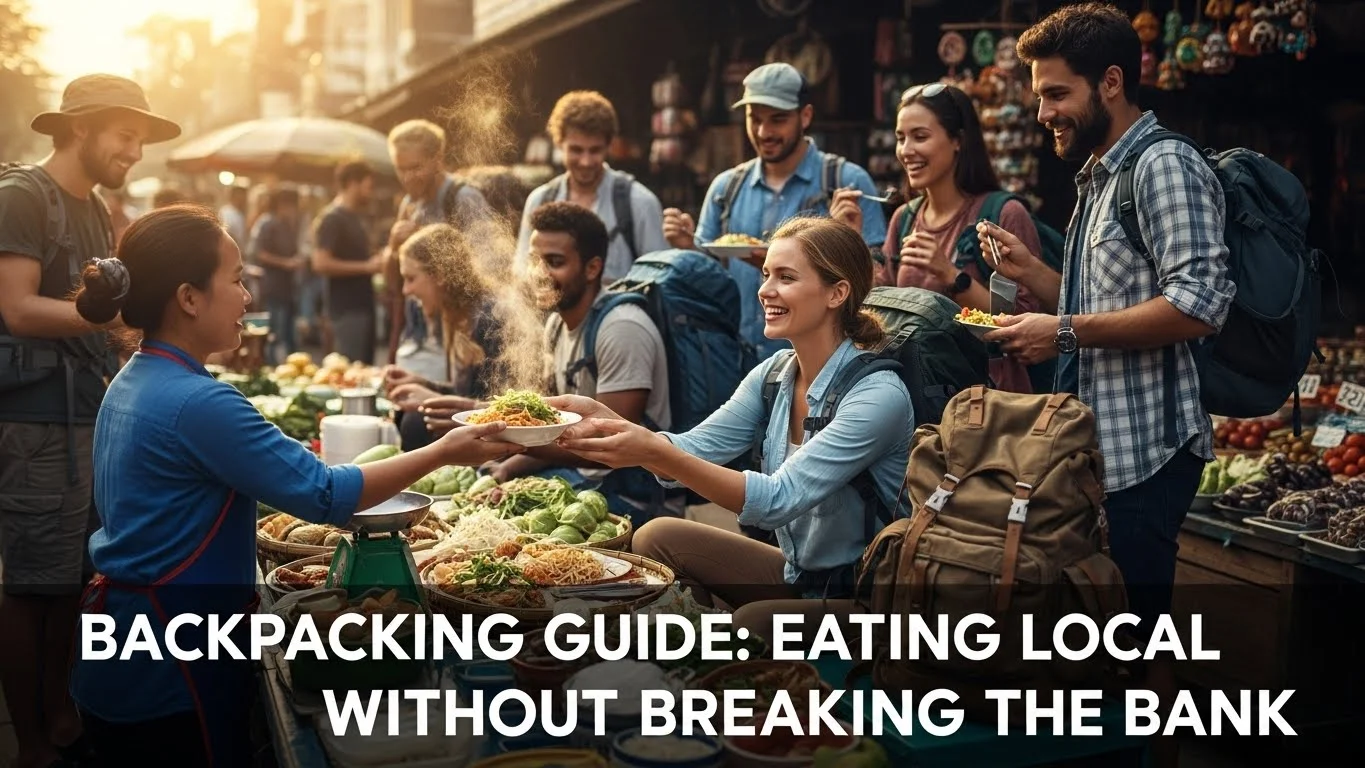
Street food has become one of my go-to options while traveling. It’s often the cheapest way to eat and can be incredibly delicious. I recall walking through the streets of Bangkok, sampling skewers, spring rolls, and mango sticky rice—each dish was a delight. The great thing about street food is that you can often find something new at every corner. Just be sure to choose stalls that are busy, as this usually indicates freshness and quality.
Local Markets: Shopping for Fresh Ingredients
Visiting local markets is one of the highlights of my trips. I love the vibrant colors, the bustling atmosphere, and the opportunity to interact with locals. While in Mexico, I visited a market where I could buy fresh fruits, tortillas, and spices. I even learned how to make guacamole from a friendly vendor! Markets often have food stalls where you can enjoy meals on the spot, making it an affordable and authentic experience.
Small Family-Owned Restaurants: The Heart of Local Cuisine
Whenever I can, I seek out small family-owned restaurants. These places often serve home-cooked meals that reflect the local culture. I remember dining in a tiny eatery in a village in Greece, where the owner prepared traditional dishes from her grandmother’s recipes. It was intimate and rewarding. Plus, these restaurants usually offer reasonable prices compared to larger tourist spots.
Food Halls and Hawker Centers: A Culinary Experience
Food halls and hawker centers are fantastic places to explore various local dishes in one spot. I’ve enjoyed bustling food courts in Singapore, where I could try everything from Hainanese chicken rice to chili crab. These centers often have hundreds of options at different price points, making it easy to stick to a budget. The experience of trying multiple dishes from different stalls is a culinary adventure I always cherish. Capturing Cultures: Engaging Locals for Stunning Portraits will give you tips on how to connect with the locals.
Understanding Local Food Culture
As I dove deeper into my travels, I realized that understanding local food culture is essential for truly experiencing a place. Each region has its signature dishes, traditions, and dining customs that reflect its history and values. Learning about these elements enriches our travel experience and makes it more memorable.
Popular Local Dishes to Try in Various Regions
One of the joys of backpacking is the chance to taste dishes I wouldn’t find back home. I remember visiting India and being introduced to thali, a platter filled with various small servings of different dishes. It was a feast for the senses! Each region has its own specialties. For example, in Italy, I couldn’t resist trying risotto and pasta dishes that vary from region to region. In Japan, I made it a point to try ramen from different cities, each offering a unique broth and texture. I think that trying local dishes not only satisfies my hunger but also gives me insight into the culture and traditions of the place.
Dining Etiquette and Customs Around the World
Adapting to local dining customs has been an adventure in itself. I remember my first meal in Japan, where I was unsure of how to use chopsticks properly. Thankfully, locals were friendly and offered tips! In many cultures, certain customs signify respect, like saying “bon appétit” in France before starting a meal or removing shoes in homes in parts of Southeast Asia. I always make it a point to learn a few basic etiquette rules before visiting a new country. This not only shows respect for the culture but also enhances my dining experience. Knowing how to behave at the table can make a significant difference in how locals perceive us as travelers.
How to Approach Locals for Recommendations
One of my favorite ways to discover hidden gems is by asking locals for food recommendations. I often strike up conversations with shopkeepers or fellow diners. I remember a wonderful experience in Barcelona when I asked a barista for a nearby place to try tapas, and she pointed me to a small, bustling bar just around the corner. It turned out to be one of the best meals I had during that trip! I find that locals are usually more than happy to share their favorites. It’s a great way to connect and learn more about the culture. Plus, it often leads to places that aren’t in the guidebooks, giving us a more authentic experience.
Cooking Your Own Meals: A Cost-Effective Alternative
While eating out is a big part of the travel experience, I’ve also found cooking my own meals can be a fun and budget-friendly alternative. There’s something rewarding about preparing a meal with local ingredients, and it can often save money in the long run.
Finding Accommodation with Kitchen Facilities
When planning my trips, I always look for hostels or guesthouses that offer kitchen facilities. It’s amazing how many options are out there! I’ve stayed in places where I could whip up breakfast or prepare a full dinner with fresh ingredients from nearby markets. Having a kitchen allows for flexibility, especially on days when I want to relax and enjoy a quiet meal. I remember cooking a simple pasta dish with fresh tomatoes and basil I bought at a local market in Italy. It was not only delicious but also a lovely way to unwind after a day of exploring.
Essential Cooking Gear for Backpackers
When I cook while traveling, I don’t want to carry around a ton of gear. A few essential items make a world of difference. I always pack a lightweight travel pot, a small cutting board, and a sturdy knife. I also bring a few spices and condiments in small containers to flavor my dishes. These essentials allow me to create simple, tasty meals without adding too much weight to my backpack. I’ve found that even preparing a quick stir-fry or a hearty soup can be a delightful way to engage with the local cuisine.
Simple Recipes Using Local Ingredients
Once I have my ingredients, I love experimenting with local flavors. For example, I learned to make a simple curry using fresh vegetables and spices from local markets in Thailand. It’s a straightforward recipe that requires minimal cooking but offers a burst of flavor. Another dish I often prepare is a fresh salad with whatever produce is in season. I’ve enjoyed making salads with vibrant tomatoes, cucumbers, and local cheese, drizzled with olive oil and vinegar. These easy recipes not only showcase local ingredients but also create a comforting taste of home while I’m on the road.
Tips for Eating Local on a Budget
Over the years, I’ve picked up a few tricks for enjoying local cuisine without breaking the bank. Traveling on a budget is all about balance, and I’ve learned that with some planning and creativity, I can savor amazing meals while keeping expenses low. Here are some of my favorite tips for eating local on a budget.
Timing Your Meals: When to Eat for the Best Prices
Timing can make a huge difference in food costs. I’ve discovered that eating during off-peak hours can lead to significant savings. For instance, many restaurants offer lunch specials or discounts that are not available during dinner service. I often opt for a late lunch, where I can enjoy a full meal at a fraction of the dinner price. Additionally, in some countries, dining out early can help avoid crowds and provide a more relaxed atmosphere. I remember being in Spain, where I enjoyed a delightful lunch around 2 PM—much cheaper than the dinner prices and fewer tourists around!
Using Apps to Find Deals and Discounts
In this digital age, I find that my smartphone is an invaluable tool while traveling, especially for finding food deals. There are several apps designed to help travelers discover local eateries, and many even offer discounts or deals. I’ve used apps like Yelp and TripAdvisor to scout out affordable dining options and read reviews from fellow travelers. In some countries, I found apps specifically for food discounts—like “EatWith” in certain cities, which connects travelers with local hosts offering meals at reasonable prices. I believe that downloading a few of these before leaving home can really pay off!
Participating in Local Food Tours for Better Insights
While this might seem counterintuitive for budget travelers, I’ve found that joining a local food tour can be a wise investment. Not only do these tours often provide generous samples of various dishes, but they also offer insights into the local food culture that I wouldn’t have discovered on my own. I remember taking a food tour in Istanbul, where I tasted everything from kebabs to baklava. The guide shared stories about the origins of the dishes and the best places to eat them afterwards. Plus, the cost of the tour was reasonable compared to what I would have spent trying to piece together meals on my own. It’s a fantastic way to learn while saving money on meals!
Safety Considerations: Eating Local Safely
While the excitement of trying new foods is one of the best parts of travel, I’ve learned that it’s essential to prioritize safety when it comes to eating local. Navigating food safety can be tricky, especially in foreign countries. Here’s what I keep in mind to ensure I enjoy my meals without any unpleasant surprises.
Identifying Clean and Safe Eating Establishments
One of the first things I do when scouting for a place to eat is to look for signs of cleanliness. I tend to trust spots that have a higher foot traffic—especially among locals—because busy restaurants usually have a faster turnover, which means fresher food. I also pay attention to the overall cleanliness of the establishment, including the dining area and the staff’s hygiene. In certain countries, I’ve noticed that some restaurants display health inspection ratings, which can be a helpful indicator of food safety. I remember a street vendor in Vietnam who had a clean setup and a long line of happy customers. It turned out to be one of the best meals I had on that trip!
Understanding Food Allergies and Dietary Restrictions Abroad
If you have food allergies or dietary restrictions, communicating these can be a bit more challenging while traveling. I’ve found it helpful to learn a few key phrases in the local language or have them written down to show to restaurant staff. For example, when I was in Thailand, I learned how to say “no peanuts” and “no dairy” in Thai. This small effort made dining out less stressful. Additionally, I always carry a card with my allergies written in the local language just in case. It’s a simple precaution that gives me peace of mind.
What to Do in Case of Foodborne Illness
Unfortunately, foodborne illness can happen, no matter how careful we are. I always travel with a small health kit that includes basic medications for stomach issues, like antacids or anti-nausea tablets. If I ever experience symptoms of food poisoning, I make sure to stay hydrated, as it’s crucial to replenish lost fluids. I’ve also learned that seeking medical help is a good idea if symptoms persist. In some countries, pharmacies are quite helpful, and I’ve found that pharmacists can provide advice or over-the-counter remedies. I always prioritize my health so that I can continue to enjoy my travels and local cuisines to the fullest.
Frequently Asked Questions
1. Why is eating local cuisine important while backpacking?
Eating local cuisine is important because it reflects the culture of the place, connects travelers with the community, and offers an immersive cultural experience. Local foods are often fresher and more affordable than imported options, making them a great choice for budget travelers.
2. How can eating local food save money?
Eating local food can save money as traditional dishes are often cheaper than those found in tourist spots or imported options. Additionally, street food and local markets typically offer delicious and affordable meals.
3. What are some benefits of choosing local foods?
Choosing local foods enhances the travel experience by allowing travelers to taste the essence of a region, support the local economy, and reduce carbon footprints associated with transporting food over long distances.
4. How can travelers budget for food expenses?
Travelers can budget for food expenses by setting a daily food budget, researching food prices in advance, and allocating around 20-30% of their total travel budget for food. Keeping track of spending using a budgeting app can help maintain balance.
5. What types of eateries should backpackers look for?
Backpackers should look for street food stalls, local markets, small family-owned restaurants, and food halls or hawker centers. These options often provide authentic experiences at reasonable prices.
6. What are some tips for enjoying local cuisine on a budget?
Some tips for enjoying local cuisine on a budget include timing meals during off-peak hours for discounts, using apps to find food deals, and participating in local food tours for insights and generous samples of various dishes.
7. How can travelers ensure they eat safely while trying local foods?
To eat safely, travelers should look for clean and busy eating establishments, pay attention to hygiene, and be cautious about food preparation methods. Understanding local health inspection ratings can also help identify safe places to eat.
8. What should someone do if they have food allergies while traveling?
If someone has food allergies, they should learn key phrases in the local language to communicate their restrictions or carry a card with their allergies written down. This helps ensure safer dining experiences abroad.
9. What steps can travelers take if they experience foodborne illness?
If travelers experience foodborne illness, they should stay hydrated, travel with a basic health kit containing medications for stomach issues, and seek medical help if symptoms persist. Pharmacies in some countries can provide helpful advice or remedies.
10. What are essential cooking items for backpackers who want to prepare their own meals?
Essential cooking items include a lightweight travel pot, a small cutting board, a sturdy knife, and a few spices and condiments in small containers. These items make it easier to prepare simple meals with local ingredients while traveling.