
Backpacking is more than just a hobby; it’s an adventure that connects us with nature while allowing us to explore new horizons on a budget. Let’s dive into the world of affordable hiking adventures for nature lovers!
Understanding Backpacking and Hiking
What is Backpacking?
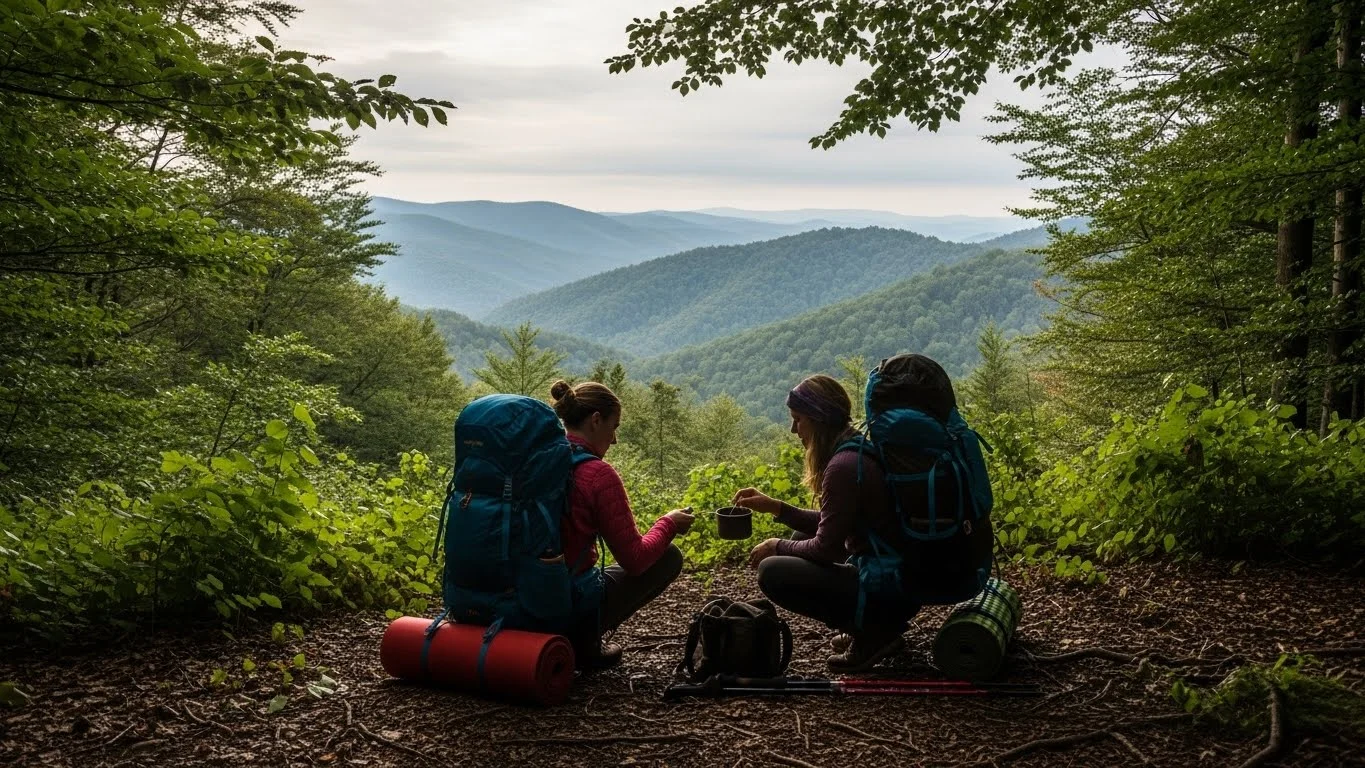
Backpacking is an exciting blend of hiking and camping, where you carry all your gear on your back as you venture into the great outdoors. I remember my first backpacking trip, feeling the thrill of the wild as I hiked with my pack snug against my back. It’s about self-sufficiency and exploration—navigating trails, setting up camp, and sleeping under the stars. For me, it was all about the freedom and the connection to nature. Each step I took felt like a mini-adventure, with new sights and sounds at every turn.Difference Between Hiking and Backpacking
While hiking can range from day hikes to multi-day treks, backpacking usually involves overnight stays in nature. I’ve often found that hiking is like a taste test of the outdoors, where you can enjoy a beautiful trail for a few hours and return home. Backpacking, on the other hand, brings a deeper experience. You pack everything you need, including food, water, and sleeping gear. I’ve discovered that backpacking allows for more exploration off the beaten path, often leading to hidden gems that day hikers might miss. The main difference for me lies in the preparation and mindset. Hiking can be spontaneous, while backpacking requires more planning—like figuring out the best spots to camp and ensuring you have enough supplies for your adventure. I’ve learned to embrace the challenge, as it often leads to some of my most memorable experiences in nature.Essential Gear for Affordable Backpacking
Backpacks: Choosing the Right One
The backpack is your lifeline when you’re out in the wilderness. I’ve tried various styles and sizes, and I’ve found that a good backpack can make or break your experience. I recommend looking for something lightweight, comfortable, and with enough capacity to hold all your gear. A 50-70 liter pack is usually a safe bet for multi-day trips. Remember to check for adjustable straps and a hip belt, as I learned the hard way that comfort is key on long hikes. When I was shopping for backpacks, I made the mistake of choosing one solely based on looks. After a couple of long hikes, I regretted my decision! I’ve found that it’s worth investing in a pack that suits your body type and hiking style. If you can, try it on and walk around the store with it loaded to get a feel for how it fits.Sleeping Gear: Tents vs. Hammocks
Choosing between a tent or a hammock can be a tough decision. I’ve camped in both, and each has its pros and cons. Tents provide shelter from the elements and insects, while hammocks are lightweight, easy to set up, and offer a unique experience sleeping in the trees. I remember my first night in a hammock; I felt like a kid again, swaying gently under the stars. If you’re on a budget, consider using a tarp for shelter or borrowing equipment. I found that some outdoor stores offer rental services for gear, which can save a lot of money. Just make sure whatever you choose is suitable for the weather conditions you’ll encounter.Cooking Equipment for Budget Travelers
Eating well on the trail doesn’t have to be expensive! I’ve learned that you can create delicious meals with minimal gear. A lightweight camp stove is a great investment, and I often pack dehydrated meals for convenience. For me, cooking is part of the adventure, and I love experimenting with easy recipes that only require hot water. You can also bring along some basic cooking utensils—like a pot, spoon, and a lightweight cutting board. I like to prepare some meals at home and pack them in resealable bags to save space and reduce waste. I remember making a big batch of chili before one trip and sharing it with friends around the campfire; it was a highlight of the adventure!Clothing Essentials for Different Climates
Clothing can make all the difference when you’re out in nature. I’ve faced everything from scorching heat to sudden rainstorms on my hikes, and I’ve learned the value of layering. Choosing moisture-wicking and quick-drying fabrics can help keep you comfortable. For cooler weather, I recommend packing a lightweight, insulated jacket that won’t take up too much space in your pack. When I travel, I try to pack versatile clothing that can be mixed and matched. Items like a lightweight rain jacket and a hat are in my go-to gear. I’ve even worn the same base layers for multiple days with a little freshening up. It’s amazing how a good set of clothes can keep you happy on the trail! In my experience, being prepared with the right gear can make your backpacking adventure enjoyable and affordable. It’s all about striking the right balance between comfort, function, and budget.Budgeting Your Backpacking Trip
Estimating Costs: Transportation, Food, and Lodging
When planning a backpacking trip, I’ve learned that budgeting is just as crucial as packing the right gear. I remember my first trip where I didn’t keep track of my expenses—it ended up costing me a lot more than I anticipated! Now, I like to break down my costs into three main categories: transportation, food, and lodging. For transportation, I often look for the best deals on gas or public transportation. I’ve found that carpooling with friends can significantly reduce costs, plus it adds to the fun! If I’m heading to a national park, I check if they offer any deals for entry fees or parking. Sometimes, I’ll even look for local shuttles that can take me to the trailheads. Read Interesting article: Affordable Transportation Hacks for Budget Solo Travel Food can be another area where you can save quite a bit. I try to plan my meals ahead of time, making a grocery list to avoid impulse buys. I’ve had success with meal prepping, where I prepare easy-to-cook meals before the trip. This way, I save money compared to buying food on the trail or at expensive convenience stores. Lodging can vary depending on my destination. I sometimes camp at official campgrounds, which are usually much cheaper than hotels. I’ve also found that some parks offer discounts for group camping, which is a great way to save money if you’re traveling with friends. Keeping a budget spreadsheet or using an app has helped me stay on track. I can estimate my total costs and adjust my plans to ensure I don’t overspend. Read Interesting article: Top Budgeting Hacks for Solo Female Backpacking TripsFinding Affordable Gear and Supplies
Finding affordable gear can feel like a treasure hunt, but I’ve discovered some great strategies over the years. I often check out local thrift stores and online marketplaces where you can find gently used gear at a fraction of the retail price. I’ve gotten some of my favorite items this way—a backpack, a sleeping bag, and even some cooking equipment! Another option is to look for seasonal sales. I like to sign up for newsletters from outdoor retailers to stay in the loop on discounts. There are usually great sales during the off-season, and I’ve snagged some fantastic deals that way. Renting gear is also a smart choice, especially if you’re just starting out or trying out new activities. Some outdoor stores offer rental services at reasonable prices. I once rented a tent and a backpack for a weekend trip, and it saved me money while allowing me to test the gear before making a purchase. If you have friends who are into backpacking, don’t hesitate to ask them if you can borrow gear. I’ve done this plenty of times, and it’s also a great excuse to catch up with friends before an adventure!How to Save on Travel Expenses
Travel expenses can add up quickly, but I’ve found several ways to keep costs down. First off, I try to choose destinations that aren’t too far from home. This not only saves on gas but also allows for more spontaneous trips. I remember a weekend where we decided to explore a local state park instead of traveling hours away, and it turned out to be one of my favorite adventures! Flexibility with travel dates can also help. If I can, I avoid traveling during peak seasons when prices are higher. I’ve discovered that hiking during the weekdays tends to be less crowded and more affordable. Plus, I get the added bonus of enjoying nature in peace! Accommodations can be another area to save. If I’m not camping, I look for budget-friendly options like hostels or campgrounds that offer cabins. I’ve met some amazing people at hostels, and it feels great to share stories with fellow travelers. Finally, I always keep an eye out for free activities around my destination. Many national and state parks have free events or guided hikes, which can enhance our trip without costing a penny. I love learning from park rangers and participating in these activities—it adds a richer dimension to my experiences in nature. By budgeting wisely and being resourceful, I’ve managed to enjoy incredible backpacking adventures without breaking the bank. It’s all about being creative and making the most of the resources available to us.Planning Affordable Hiking Adventures
Choosing Hiking Destinations on a Budget
Selecting the right hiking destination can make a huge difference in your overall experience, especially when we’re trying to keep costs low. I remember the thrill of discovering local trails that are often overlooked. Sometimes, the best adventures are right in our backyard! I’ve found that state parks and national forests usually offer breathtaking views without the hefty price tag associated with more popular locations. When I plan a trip, I like to explore websites or apps that focus on user reviews and descriptions of trails. This helps me find hidden gems that are both budget-friendly and less crowded. Websites like AllTrails or even local hiking blogs often highlight affordable places to hike that many people miss. I also recommend checking for any free days or events in national parks, where you can enjoy the beauty without paying for entry. Additionally, I’ve learned to consider the time of year when choosing a destination. Some areas may have off-season prices that make them more affordable. For example, hiking in the fall can often mean fewer crowds and stunning scenery as the leaves change color. I’ve experienced some of my best hikes during these quieter times, where nature felt like it was all mine.Best Times to Hike: Off-Peak Considerations
Timing can truly impact not just the cost of your trip, but also the quality of your experience. I’ve often opted to hike during weekdays rather than weekends, which can make a world of difference in terms of crowds. Many trails are much quieter during the week, allowing for a more peaceful connection with nature. On a recent hike, we encountered only a few fellow adventurers, which allowed for deep conversations and a much more immersive experience. If you have flexibility, I suggest avoiding peak seasons for popular trails. I’ve found that hiking in the shoulder seasons—spring and fall—not only helps save on costs but also offers beautiful weather and scenery. The trails are less crowded, and sometimes even local accommodations like cabins or lodges offer discounts during these times. Also, consider the time of day you hit the trails. I love embarking on early morning hikes to catch the sunrise. Not only is it a magical experience, but we often have the trails to ourselves. This can make for great photo opportunities and a truly serene start to the day.Finding Free or Low-Cost Campsites
Camping doesn’t have to break the bank, and I’ve discovered several ways to find free or low-cost campsites that make my adventures more affordable. One of my favorite strategies is to look for dispersed camping areas. These are usually free sites located in national forests or Bureau of Land Management (BLM) lands. I’ve had some incredible nights under the stars in these spots, away from the hustle and bustle of crowded campgrounds. When searching for these locations, I often use apps like Campendium or Freecampsites.net, which provide user-generated information about free camping options. I’ve found those hidden gems that I wouldn’t have discovered otherwise! Just be sure to check the local regulations, as some areas may require permits or have specific rules regarding camping. Another great option is to look for state parks that offer affordable camping rates. I’ve encountered many state parks with well-maintained facilities and beautiful scenery at a fraction of the cost of commercial campgrounds. I usually book in advance, especially during peak seasons, to ensure I secure a spot. Finally, I recommend checking out organizations like the National Park Service or local visitor centers. They often have information on low-cost camping options and can provide insights into lesser-known trails and sites that are worth exploring.Backpacking Hacks for Nature Lovers
Meal Prepping for Hiking Trips
Meal prepping has become a game-changer for me when it comes to backpacking. I’ve learned that having a plan for meals not only saves money but also makes my trips more enjoyable. I love spending a Sunday afternoon preparing meals that are easy to pack and require minimal cooking on the trail. Some of my favorite options include pasta dishes, rice and beans, or even hearty soups. I often freeze meals in resealable bags, which I can then toss into my backpack. As they thaw during the day, they’re ready to heat up for dinner. I remember one trip where I packed a delicious quinoa salad; it was refreshing and packed with nutrients after a long day of hiking. I also like to bring along some snack options that keep me energized. Trail mix is a must—sometimes, I’ll even make my own with nuts, seeds, and dried fruit. I discovered that having healthy snacks readily available helps keep my energy levels up and saves money compared to buying snacks on the trail.Using Technology to Enhance Your Adventure
In this digital age, I’ve found that technology can be a helpful ally in my backpacking adventures. My go-to tool is a GPS app that allows me to track my hikes and explore new trails. I’ve used apps like Gaia GPS and Komoot, which offer offline maps—perfect for areas with limited cell service. They provide peace of mind knowing I can navigate confidently without getting lost. Another tech hack I love is using my smartphone for photography. I’ve captured some stunning moments on the trail with just my phone. I remember one sunrise that took my breath away; I was so glad I had my camera ready. Plus, sharing those moments with friends and family later adds another layer of joy to the experience. I also rely on apps to help me find weather updates and trail conditions. Knowing what to expect can make a big difference in planning my day. I’ve avoided rainstorms and unnecessary challenges by checking forecasts beforehand, allowing for a more enjoyable journey.Water Filtration Solutions for Backpackers
Staying hydrated while backpacking is essential, and I’ve learned the importance of having a good water filtration solution. I used to carry heavy gallons of water, but then I discovered lightweight filters that allow me to drink directly from rivers or lakes. I often use a portable water filter pump or a filtration bottle; both options have served me well. I remember a hike where we stumbled upon a beautiful mountain stream. Instead of hauling extra water, I was able to fill my bottle and filter it right there. It was refreshing and saved a lot of weight in my pack! Just be sure to research the area beforehand to ensure the water source is safe and free of contaminants. Having a reliable way to filter water not only saves space but also significantly cuts down on costs. I’ve noticed that investing in a good filtration system can save money in the long run, as buying bottled water on the trail can add up quickly.Multi-Use Tools for Efficiency
When it comes to backpacking, space and weight are always considerations. I’ve found that multi-use tools can be lifesavers in these situations. A good multi-tool can serve various purposes, from cooking to gear repairs, which helps lighten my load. I remember using a multi-tool to fix my stove on a trip, and it was invaluable. Another great option is a cooking pot that can double as a bowl. I’ve found pots with lids that can be used for cooking pasta and then serve as a bowl for eating. It’s a simple way to cut down on the number of items in my pack while still enjoying hearty meals. I also recommend packing a lightweight camp towel that can serve multiple purposes, from drying dishes to being used as a blanket on cooler nights. These little hacks make a big difference when you’re trying to stay organized and efficient while enjoying the beauty of nature.Frequently Asked Questions
What is backpacking?
Backpacking is an exciting blend of hiking and camping, where you carry all your gear on your back as you venture into the great outdoors. It involves self-sufficiency and exploration, navigating trails, setting up camp, and sleeping under the stars.
How does hiking differ from backpacking?
Hiking can range from day hikes to multi-day treks, while backpacking typically involves overnight stays in nature. Backpacking requires more planning, as you need to pack everything necessary for your adventure, including food, water, and sleeping gear.
What essential gear do I need for affordable backpacking?
Essential gear for affordable backpacking includes a lightweight and comfortable backpack, sleeping gear (either a tent or hammock), cooking equipment, and appropriate clothing for different climates.
How can I budget for my backpacking trip?
Budgeting for a backpacking trip involves estimating costs for transportation, food, and lodging. It’s helpful to keep a budget spreadsheet or use an app to track expenses and adjust plans as needed. Read Interesting article: 10 Essential Travel Hacks for Budget Backpacking Adventures
Where can I find affordable backpacking gear?
You can find affordable backpacking gear at local thrift stores, online marketplaces, during seasonal sales, or by renting equipment from outdoor stores. Borrowing gear from friends is also a good option.
What are some tips for saving on travel expenses while backpacking?
To save on travel expenses, choose destinations that are close to home, avoid peak seasons, look for budget-friendly accommodations, and seek out free activities at your destination.
What are some good strategies for meal prepping before a backpacking trip?
Meal prepping involves preparing easy-to-pack and minimal-cooking meals in advance. Options like pasta dishes, rice and beans, and healthy snacks can keep you energized while saving money.
How can technology enhance my backpacking experience?
Technology can enhance your backpacking experience through GPS apps for navigation, using smartphones for photography, and checking weather updates and trail conditions to plan your hikes effectively.
What are some effective water filtration solutions for backpackers?
Effective water filtration solutions include lightweight filters that allow you to drink directly from natural water sources. Portable water filter pumps or filtration bottles are great options to stay hydrated without carrying heavy water.
Why are multi-use tools beneficial for backpacking?
Multi-use tools are beneficial for backpacking because they can serve various purposes, helping to lighten your load. Items like cooking pots that double as bowls or lightweight camp towels can increase efficiency and organization during your trip.