
Backpacking Japan offers an unforgettable adventure filled with rich culture, delicious food, and stunning landscapes. Join me as we explore the essential aspects of traveling through this beautiful country in 2023!
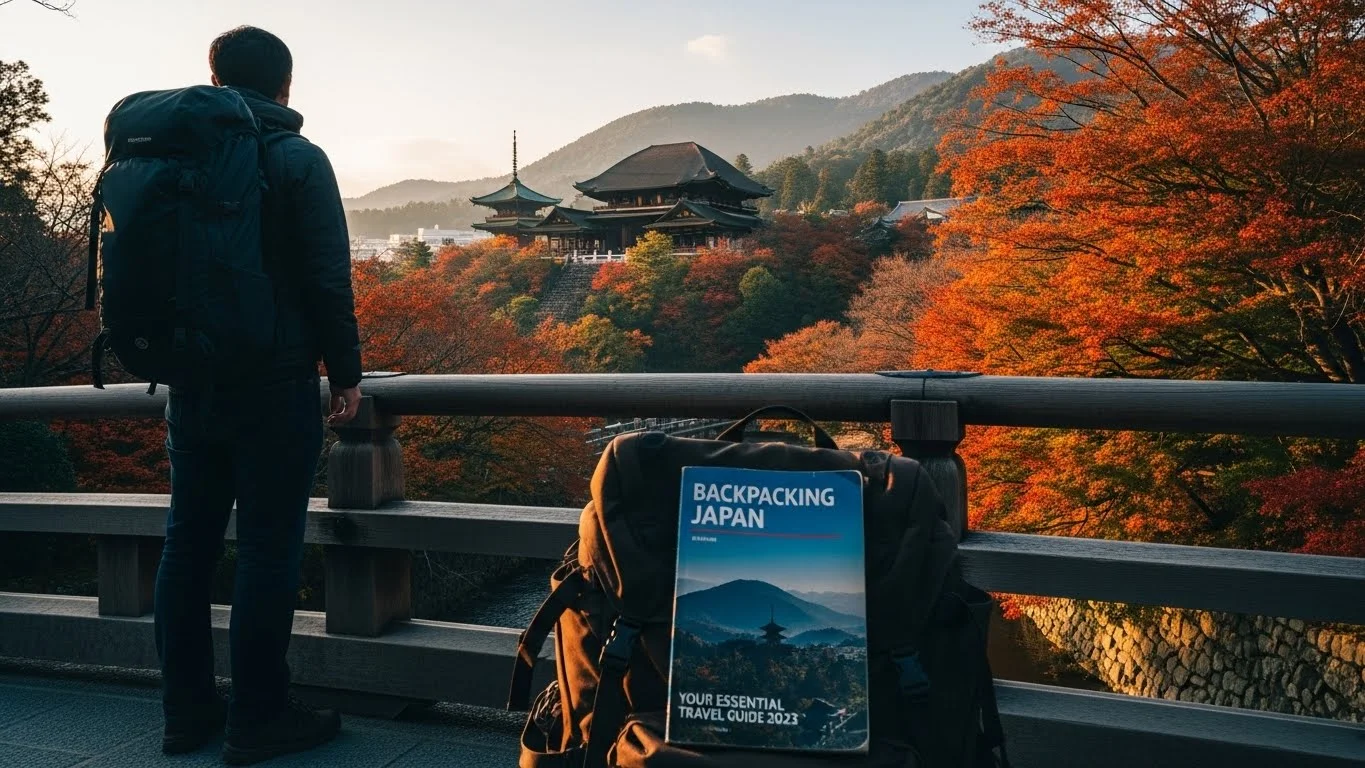
Overview of Backpacking in Japan
Why Choose Japan for Backpacking?
When I first considered backpacking, Japan wasn’t at the top of my list. However, after reading countless stories and seeing photos of its landscapes, vibrant cities, and rich traditions, I decided to go for it. Japan is a unique country where ancient culture meets modern innovation. From serene temples to bustling streets, it offers a diverse experience that can satisfy every type of traveler.
One of the things I found most captivating was the contrast between the ultra-modern cities like Tokyo and the historic charm of places like Kyoto. You can explore cutting-edge technology one moment and then stroll through a traditional tea house the next. This blend of the old and the new is what makes Japan stand out, and I believe it’s a primary reason to choose it for your backpacking trip. Additionally, understanding backpacking etiquette can enhance your interactions with locals.
Benefits of Backpacking in Japan
Backpacking in Japan comes with a range of benefits that can enhance your travel experience. First, the country is incredibly safe. I felt at ease exploring cities, even late at night. The locals are friendly and willing to help, even if there’s a language barrier. I remember getting lost in Osaka, and a kind shop owner went out of his way to guide me to my destination.
Japan is also known for its cleanliness. Public places, including transportation, are impeccably maintained. I appreciated how this made my backpacking experience more enjoyable and stress-free. Plus, the public transportation system is one of the best in the world. The trains are punctual, and navigating the subway systems was straightforward, making it easy to hop from one city to another.
Another advantage is the affordability of budget accommodation options. During my travels, I discovered numerous hostels and capsule hotels that provided comfortable stays without breaking the bank. These accommodations also offered opportunities to meet fellow travelers, share stories, and even make lasting friendships. For effective communication with fellow backpackers, consider mastering communication styles.
When to Visit Japan
Best Seasons for Backpacking
Deciding when to visit Japan can significantly impact your experience. I’ve learned that each season brings its unique charm. Spring (March to May) is famous for cherry blossoms, which create breathtaking landscapes. I remember sitting under a blooming sakura tree in Ueno Park, feeling the petals drift down like pink snow. It was magical.
Summer (June to August) is lively, with numerous festivals and events. However, be prepared for heat and humidity. I found the rainy season in June to be quite wet, but it didn’t stop me from enjoying the lush greenery and colorful hydrangeas. Autumn (September to November) is another popular time to visit as the foliage transforms into vibrant hues of red and gold, creating stunning backdrops for your adventures.
Winter (December to February) brings a different allure, especially if you enjoy skiing or snowboarding. I experienced the beauty of snow-covered mountains in places like Hakuba, which was a delight for any winter sports enthusiast.
Festivals and Events to Experience
Japan is home to a plethora of festivals throughout the year. I was fortunate to experience the Gion Matsuri in Kyoto, one of the most famous festivals in Japan. The vibrant parades, traditional clothing, and local delicacies made it an unforgettable experience. Each festival has its unique character, showcasing local traditions and community spirit.
Additionally, there are seasonal events, like the Sapporo Snow Festival in February, featuring impressive ice sculptures and snow activities. I highly recommend checking the festival calendar before your trip to align your travel dates with these vibrant celebrations.
Weather Considerations
The weather in Japan can vary greatly depending on when and where you visit. I found that the coastal areas often have milder temperatures, while the mountainous regions can get quite chilly. It’s essential to pack accordingly. I learned the hard way to bring layers, as temperatures can fluctuate throughout the day, especially in spring and autumn.
Be mindful of typhoon season, which usually occurs in late summer and early autumn. It can bring heavy rains and strong winds, so it’s wise to keep an eye on weather forecasts during this time. I experienced a brief downpour during my visit, but it quickly passed, and I was back to enjoying the sights.
Getting to Japan
Major Airports and Transportation Options
Japan is well-connected internationally, with major airports like Narita and Haneda in Tokyo and Kansai International Airport in Osaka. I flew into Narita, and the Narita Express train took me directly to the city center, making my arrival smooth and stress-free. I recommend booking your transport in advance, especially during peak travel seasons, to save time and ensure availability.
For those traveling from other Asian countries, budget airlines offer affordable options to fly into Japan. Once you land, the efficient public transport system will take you wherever you need to go, whether it’s the bustling streets of Tokyo or the historic sites of Kyoto.
Visa Requirements for Travelers
Before I traveled to Japan, I made sure to check the visa requirements based on my nationality. Many countries enjoy visa exemptions for short stays. I found it straightforward to enter, as I had all my documentation ready. It’s always best to check the latest requirements on the official government website or consult your local Japanese embassy to avoid any surprises.
Transportation Within Japan
Rail System: Japan Rail Pass
One of the highlights of backpacking in Japan is undoubtedly the rail system. I quickly learned about the Japan Rail Pass, which is a fantastic option for travelers. It allows unlimited travel on most trains across the country for a set number of days. I decided to get a pass for seven days, and it was one of the best decisions I made during my journey.
With the pass in hand, I hopped on the Shinkansen, or bullet train, which was an experience in itself. I remember the first time I boarded one; the train glided out of the station at lightning speed. It felt like I was in a scene from a movie! The views from the window were breathtaking, especially when we passed Mount Fuji. I had my camera ready, capturing the moment as we zoomed past.
I also found that the rail system is incredibly user-friendly. Even as a non-Japanese speaker, I was able to navigate the train schedules and platforms with ease. Stations had signs in English, and I appreciated the clear announcements. It made traveling between cities like Tokyo, Kyoto, and Hiroshima seamless.
Subways and City Trains
Once I arrived in the cities, the subway and city trains became my go-to for getting around. I remember my first ride on the Tokyo Metro; it was like stepping into a different world. The trains were clean, punctual, and, surprisingly, quite spacious compared to what I expected. I felt a little overwhelmed at first, but soon enough, I got the hang of it.
One tip I found useful was to download a subway app on my phone. It helped me plan routes and figure out connections without having to consult a map constantly. Plus, many stations have helpful information desks where I could ask for assistance, which I appreciated during my early travels.
Using city trains in places like Osaka and Kyoto was also enjoyable. Each city had its own charm, and riding the trains allowed me to see different neighborhoods and local life. I often spotted little cafes and shops from the train windows that I later returned to explore. It felt like I was becoming part of the community, even if just for a moment.
Buses and Alternative Transport
While trains were my primary mode of transport, I also found the bus system to be convenient, especially in rural areas or places that weren’t accessible by train. I recall taking a scenic bus ride to Nara, where I encountered friendly deer roaming freely around the parks. The bus was comfortable, and the ride gave me a chance to see the beautiful countryside of Japan.
For shorter distances, I often opted for bicycles. Many cities have bike rental services, making it easy to explore at my own pace. I remember cycling along the Philosopher’s Path in Kyoto, surrounded by cherry blossoms and the gentle sound of water flowing in the nearby canal. It was a perfect way to soak in the beauty of the city while getting some exercise.
If you’re looking for a unique experience, I suggest trying a Rickshaw ride in places like Asakusa. I took one during my visit to Senso-ji Temple, and the guide shared fascinating stories about the area as we rolled through the streets. It felt like traveling back in time and added an extra layer of enjoyment to my exploration.
Where to Stay: Budget Accommodation Options
Hostels: Best Picks in Major Cities
Finding budget accommodation in Japan is easier than I initially thought. Hostels have become a popular choice for backpackers, offering a range of options from dormitory-style rooms to more private accommodations. I stayed at several hostels during my trip, and they all had a friendly atmosphere that made it easy to meet fellow travelers.
One of my favorites was K’s House in Tokyo. It had a warm, welcoming vibe and was conveniently located near a subway station. I enjoyed chatting with other guests in the common area, sharing travel tips and experiences. Plus, the staff was incredibly helpful in providing recommendations for local attractions and dining options.
In Kyoto, I discovered a quaint hostel called Piece Hostel. It was clean, modern, and had a great lounge area where guests could gather. I even joined a communal dinner one night, which allowed me to taste some homemade Japanese dishes while connecting with other travelers from around the world. These experiences made my stay even more memorable.
Capsule Hotels: Unique Experiences
If you want to experience something truly unique, I recommend trying a capsule hotel. I was curious about them, so I decided to book a night at The Millennials in Tokyo. The concept is simple yet fascinating: small, pod-like beds stacked in a shared space. It felt futuristic, and I loved how it maximized space while providing privacy.
What surprised me the most was how comfortable the capsules were. Each one had a TV, charging ports, and even a little light, making it cozy for a good night’s sleep. I enjoyed the communal aspects of the hotel, such as the lounge area and co-working space, where I met other travelers and shared stories over coffee.
Capsule hotels are not only a unique place to stay but also quite affordable. I found them to be a fun and memorable part of my Japan experience, and it’s something I would recommend to anyone looking for a different kind of accommodation.
Couchsurfing and Homestays
For those looking to immerse themselves in local culture, Couchsurfing can be a fantastic option. I decided to try it out during my stay in Osaka. I was connected with a friendly host who took me around the city, showing me hidden gems that I wouldn’t have found on my own. I loved the personal touch and the chance to experience the city from a local’s perspective.
Additionally, homestays offer another way to connect with Japanese culture. I spent a night in a traditional ryokan in Kyoto, where I experienced the beauty of tatami mats and futon beds. The hospitality was unmatched, and I even enjoyed a traditional kaiseki meal prepared by my host. It was a beautiful opportunity to learn about Japanese customs and daily life.
Whether you prefer hostels, capsule hotels, or unique homestays, Japan offers a rich variety of budget accommodation options that enhance the backpacking experience and create lasting memories.
Top Backpacking Destinations in Japan
Tokyo: The Bustling Metropolis
Tokyo is a city that never ceases to amaze. When I first arrived, I was immediately captivated by the neon lights and the blend of traditional and modern architecture. There’s so much to see and do that it’s hard to know where to start! I found myself wandering through the bustling streets of Shibuya, where the famous crossing felt like an exhilarating dance of humanity. It’s a place where you can feel the energy of the city pulsing beneath your feet.
One thing I made sure to do was visit the iconic Tokyo Tower and grab a view from the observation deck. The skyline at sunset was nothing short of breathtaking. I also loved exploring neighborhoods like Akihabara, known for its electronics shops and anime culture, and Harajuku, where the fashion scene is vibrant and eclectic. Each area has its own distinct flavor, and I felt like I stumbled upon hidden gems at every turn.
Kyoto: Embrace Tradition and Culture
Kyoto is often touted as the cultural heart of Japan, and I can completely see why. Stepping into this city felt like entering a different era. I spent my days visiting stunning temples, like Kinkaku-ji, the Golden Pavilion, which glistened against a backdrop of lush greenery. Walking through the Arashiyama Bamboo Grove was another highlight; the towering stalks swayed gently in the breeze, creating a serene atmosphere that I still cherish.
What truly made my time in Kyoto special were the traditional tea ceremonies I experienced. Participating in one allowed me to appreciate the art of tea-making and the deep cultural significance behind it. It was a beautiful way to connect with the past and immerse myself in the local customs. I felt a sense of peace as I sipped matcha, surrounded by the tranquil ambiance of a tea house.
Osaka: Food Capital of Japan
Osaka quickly became one of my favorite cities, primarily because of its fantastic food scene. Known as the food capital, I found myself indulging in a culinary adventure. Street food stalls in Dotonbori were a feast for the senses; the sights, sounds, and, of course, the delicious smells made it impossible to resist trying everything. Takoyaki (octopus balls) and okonomiyaki (savory pancakes) became my go-to treats, and I loved how each vendor offered their unique twist on these classics.
Aside from the food, I enjoyed exploring Osaka Castle, which provided an insight into Japan’s history. The surrounding park was a great spot to relax and soak in the local atmosphere. I remember making new friends while sharing a picnic on the grass, and we exchanged stories about our travels and favorite foods. This city has such a welcoming vibe that it’s hard not to feel at home.
Hiroshima: History and Resilience
Hiroshima was a destination I felt compelled to visit, not only for its historical significance but also for its message of peace. I toured the Hiroshima Peace Memorial Park and Museum, which profoundly impacted me. It was a moving experience to learn about the events of August 6, 1945, and to see the Atomic Bomb Dome, a haunting symbol of resilience. I left feeling a sense of hope, inspired by the city’s commitment to promoting peace and understanding.
I also discovered the beauty of Miyajima Island, just a short ferry ride away. The iconic floating torii gate of Itsukushima Shrine is stunning, especially with the backdrop of the sea and mountains. I spent hours hiking up Mount Misen, where the panoramic views were worth every step. The blend of nature and culture on the island made it an unforgettable part of my journey.
Nara: Temples and Nature
Nara is a small but enchanting city that I visited as a day trip from Kyoto. It’s famous for its friendly, free-roaming deer in Nara Park, and I found myself giggling when one approached me, eager for a snack. Nara is home to some incredible temples, including Todai-ji, which houses a giant Buddha statue. Standing in that massive hall, I felt a sense of awe at the artistry and craftsmanship that went into creating such a monumental sculpture.
Exploring the serene gardens surrounding the temples was a highlight; it felt like stepping into a painting. I took my time wandering through the paths, soaking in the tranquility. Nara is often overlooked, but I believe it deserves a spot on any backpacker’s itinerary for its beauty and charm.
Okinawa: Beaches and Relaxation
If you’re looking for a change of pace, I highly recommend heading to Okinawa. Known for its beautiful beaches and laid-back vibe, I found it to be the perfect place to unwind after bustling city adventures. The crystal-clear waters and white sandy beaches felt like a tropical paradise. I spent my days snorkeling among colorful coral reefs and enjoying the local cuisine, which has a distinctly different flavor than mainland Japan.
One of my favorite experiences was visiting the Okinawa Churaumi Aquarium, where I saw massive whale sharks gliding gracefully through the water. The marine life was so diverse and vibrant; I could have spent hours just watching. Okinawa’s unique culture, influenced by its history, adds another layer of richness to your travels. I learned about traditional crafts and even tried my hand at pottery, which was a fun way to connect with local artisans.
Frequently Asked Questions
Why should I choose Japan for backpacking?
Japan offers a unique blend of ancient culture and modern innovation, with serene temples and bustling cities. The contrast between ultra-modern areas like Tokyo and historic places like Kyoto creates a diverse experience for all types of travelers.
What are the benefits of backpacking in Japan?
Backpacking in Japan is advantageous due to its safety, cleanliness, and excellent public transportation system. Budget accommodation options are also available, allowing travelers to meet others and share experiences.
When is the best time to visit Japan for backpacking?
The best seasons for backpacking in Japan are spring (for cherry blossoms), summer (for festivals), autumn (for vibrant foliage), and winter (for snow sports). Each season has its charm, making it essential to choose based on your interests.
What are some notable festivals to experience in Japan?
Japan hosts numerous festivals throughout the year, such as the Gion Matsuri in Kyoto and the Sapporo Snow Festival in February. Each festival showcases local traditions and offers a vibrant atmosphere for visitors.
What are the major airports in Japan?
Key international airports in Japan include Narita and Haneda in Tokyo, and Kansai International Airport in Osaka. These airports offer convenient access to various cities and attractions in the country.
What is the Japan Rail Pass and why is it beneficial?
The Japan Rail Pass allows unlimited travel on most trains across the country for a set number of days. It is beneficial for backpackers as it provides an affordable and convenient way to navigate Japan’s extensive rail system.
What types of budget accommodation are available in Japan?
Budget accommodation options in Japan include hostels, capsule hotels, and Couchsurfing. Hostels offer friendly atmospheres and opportunities to meet other travelers, while capsule hotels provide a unique experience with modern amenities.
What cities are must-visit destinations for backpackers in Japan?
Must-visit cities for backpackers include Tokyo for its vibrant atmosphere, Kyoto for its cultural heritage, Osaka for its food scene, Hiroshima for its historical significance, Nara for its temples and nature, and Okinawa for its beautiful beaches.
How is the public transportation system in Japan?
Japan’s public transportation system is known for its efficiency, cleanliness, and punctuality. The rail system, including subways and city trains, is user-friendly, making it easy for travelers to navigate between cities and within urban areas.
What unique experiences can I have in Japan?
Unique experiences in Japan include participating in traditional tea ceremonies, trying a rickshaw ride, and visiting local markets. Engaging in these activities allows travelers to connect deeply with Japanese culture and traditions.
Read Interesting article: Travel Insurance Hacks: Save Money While Backpacking