
Backpacking on a budget can be one of the most rewarding experiences, allowing you to explore new places without breaking the bank. I’ve gathered some tips and secrets that helped me find incredible deals and make the most of my adventures. Read Interesting article: Budget Backpacking: Best Free Experiences to Enjoy
Understanding the Backpacking Lifestyle
What is Backpacking?
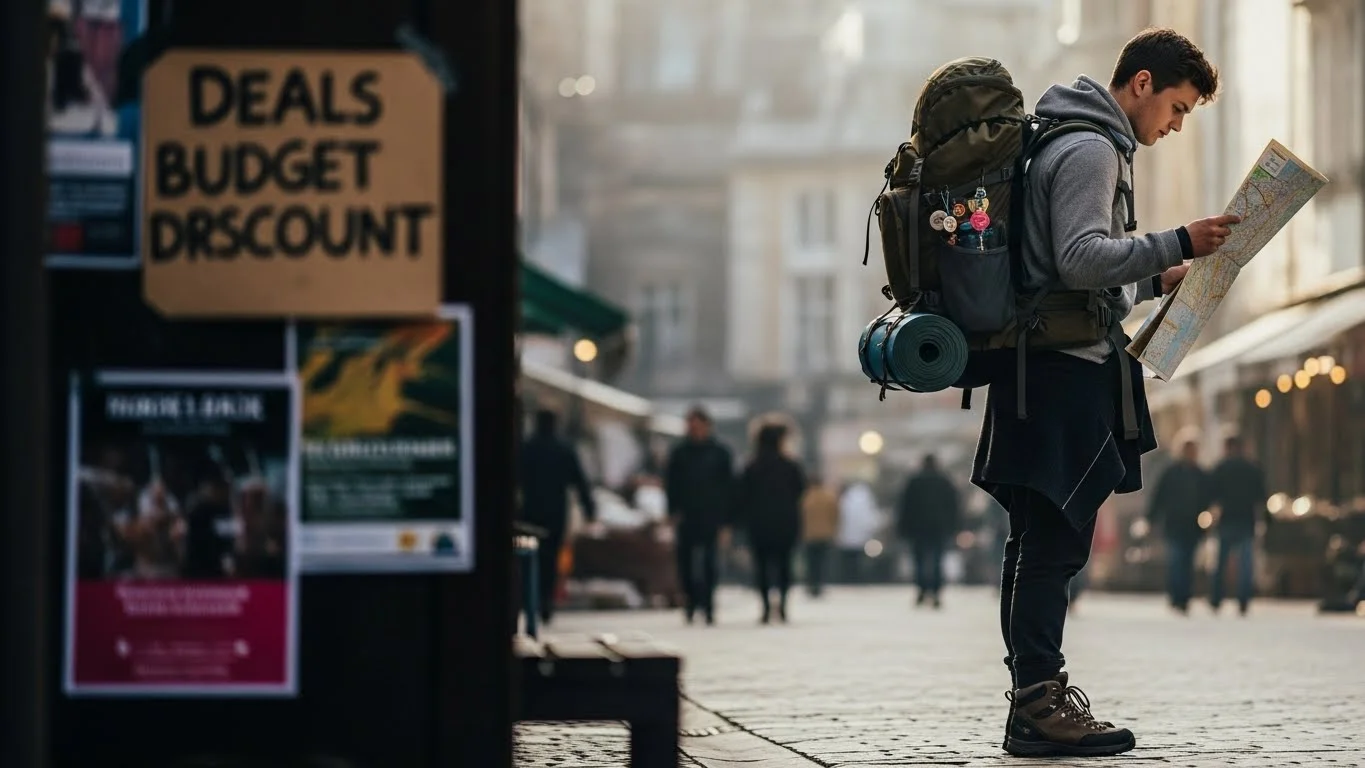
Backpacking, in my experience, is more than just traveling with a pack on your back; it’s about immersing yourself in new cultures, meeting fellow travelers, and embracing the unexpected. When I first started backpacking, I was drawn to the freedom it offered. I could choose my path, go wherever the wind took me, and stay for as long or as short as I wanted. The thrill of wandering from one place to another, often with little more than a map and my backpack, opened my eyes to the beauty of the world around me.
The Appeal of Budget Travel
One of the greatest joys of backpacking is discovering that you don’t need a hefty bank balance to travel. I remember my first trip where I spent weeks exploring Southeast Asia on a shoe-string budget. Budget travel allows us to stretch our dollars further, giving us the chance to experience more while spending less. It encourages creativity—whether it’s finding the best deals on accommodations or seeking out local eateries instead of tourist traps. The thrill of finding a hidden gem can be just as rewarding as visiting a famous landmark. Read Interesting article: 10 Hidden Gems for Budget Backpacking Adventures
Planning Your Backpacking Trip
Choosing Your Destination
Choosing the right destination is key to a successful backpacking trip, especially on a budget. I’ve learned that some places are inherently cheaper than others. Countries in Southeast Asia, Eastern Europe, and parts of Central America often offer great value for travelers. When picking a destination, I consider not just the cost of living but also what experiences I want to have. Do I want to hike through jungles, relax on beaches, or dive into vibrant city life? The more aligned my destination is with my interests, the more rewarding my trip will be.
Best Times to Travel for Discounts
Timing can be everything when it comes to finding budget deals. I’ve found that traveling during shoulder seasons—just before or after peak tourist times—can save you a lot of money. For example, visiting Europe in late April or early September typically means fewer crowds and lower prices for flights and accommodations. I remember booking my flight to Italy in early May, and I was pleasantly surprised by how much cheaper it was compared to summer prices.
Traveling Off-Season: Pros and Cons
Traveling off-season has its perks and downsides. On the plus side, I’ve enjoyed quieter attractions, better availability of accommodations, and reduced prices. However, I’ve also faced challenges, like unpredictable weather or limited services. For instance, I visited a beach town in the off-season and found several restaurants closed, which limited my dining options. It’s essential to research your destination and weigh the pros and cons before committing to off-season travel.
Finding Budget Accommodations
Hostels vs. Hotels: Which is Cheaper?
When I first started backpacking, I quickly discovered that hostels are often the most budget-friendly option. They typically offer dormitory-style accommodations, which can be a great way to meet other travelers. I’ve had some of my best travel stories come from late-night chats in hostel common areas! While hotels can be comfortable, I’ve found them to be pricier, especially in popular tourist destinations. If you’re looking for a social experience and a lower cost, hostels are definitely the way to go.
Camping and Outdoor Options
Camping is another fantastic way to save money while enjoying nature. I remember pitching my tent under the stars in national parks, which not only saved me money but also gave me a unique experience. Many parks and campgrounds offer affordable rates, and some even let you camp for free! Just make sure to check the regulations and prepare properly for the outdoors.
Utilizing Couchsurfing and Home Exchanges
Couchsurfing opened up a whole new world for me while traveling. This community connects travelers with locals willing to offer a free place to stay. It’s not just about saving money; it’s about the connections you make. I’ve shared meals and stories with hosts who have given me insights into their culture that I would have never found in a guidebook. Home exchanges are another great option if you have a place to swap. This way, you can enjoy a home-like environment while saving on accommodation costs.
Discount Accommodation Websites and Apps
There are numerous websites and apps that focus on budget accommodations. I often find great deals on platforms like Hostelworld, Booking.com, and Airbnb. These sites often have last-minute deals, especially if you’re flexible with your travel plans. I’ve snagged some amazing places at a fraction of the original price simply by being open to change and checking these sites regularly. Read Interesting article: Budget Backpacking: Best Travel Passes for Frugal Travelers
Transportation on a Budget
Finding Cheap Flights
When it comes to traveling on a budget, finding cheap flights can feel like the Holy Grail. I’ve spent countless hours scouring the internet for the best deals, and I’ve learned a few tricks along the way. First and foremost, flexibility is key. I remember booking a flight to Thailand where the prices varied dramatically depending on the day of the week. I often use flight comparison websites to find the best deals. Websites like Skyscanner and Google Flights allow you to see prices over a month, helping you pinpoint the cheapest days to fly.
Additionally, I’ve found that flying on weekdays, especially Tuesdays and Wednesdays, can save a good chunk of change compared to weekend flights. Also, don’t forget to consider nearby airports. Sometimes, a short bus or train ride can lead to significant savings on airfare. Signing up for airline newsletters has also helped me catch flash sales that I might have missed otherwise.
Using Trains and Buses: Best Practices
Once I land in a new country, public transportation is often my go-to. Trains and buses are not only budget-friendly but also provide a unique way to experience the local culture. I had a memorable ride on a train through the hills of Italy, with breathtaking views of vineyards and quaint villages. To make the most of train travel, I recommend booking tickets in advance, as prices can soar closer to the travel date.
For buses, companies like Flixbus offer incredibly low fares across Europe and beyond. I’ve often found myself hopping on a bus for just a few dollars, allowing me to stretch my budget while still seeing new places. A travel pass for unlimited rides over a certain period can also be a good deal if you plan to move around a lot.
Ridesharing and Carpooling Options
Ridesharing apps like BlaBlaCar have changed the way I think about getting from one place to another. I remember a time in France when I needed to travel between two cities that didn’t have a direct train. I found a ride through BlaBlaCar that not only saved me money but also gave me the chance to chat with a local who shared some amazing tips about hidden gems in the area. It’s a fantastic way to make travel more social and budget-friendly.
As an alternative, I’ve also used ridesharing apps like Uber or Lyft for short distances. They can be a bit pricier than public transport, but when split between friends, they can still be a cost-effective option, especially late at night when buses aren’t running.
Getting Around Locally for Less
Once I arrive at my destination, figuring out how to get around without spending too much is crucial. I’ve found that walking is often the best way to explore a new place. Not only does it save money, but it also allows me to stumble upon charming streets, local markets, and unique boutiques that I might miss while riding in a vehicle. I love wandering through neighborhoods, soaking in the atmosphere, and snapping photos along the way.
Biking is another fantastic option, especially in cities that are bike-friendly. I’ve rented bicycles in places like Amsterdam and Berlin, which not only saved me money but also provided a bit of exercise. Many cities even have bike-sharing programs that offer affordable rates for short-term rentals. If public transport is necessary, I usually buy a multi-day pass, as it often pays for itself after just a few rides.
Eating on a Budget While Traveling
Street Food vs. Restaurants
One of my favorite parts of traveling is exploring the local food scene, and I’ve discovered that street food can be a delicious and inexpensive option. I remember trying amazing tacos from a street vendor in Mexico City for just a couple of dollars. Eating where the locals eat not only saves money but also provides an authentic taste of the culture.
While I do enjoy the occasional sit-down meal, I’ve learned to balance my dining experiences by mixing upscale restaurants with street food and local diners. This way, I can enjoy a variety of flavors without overspending. I try to look for places that are buzzing with locals, as this usually indicates good food at reasonable prices.
Grocery Shopping Tips
Another way I save money on food while traveling is by shopping at local grocery stores. I’ve found that preparing a few meals myself can cut down on costs significantly. Often, I’ll buy fresh fruits, bread, and cheese for a simple picnic lunch. I remember picnicking in a park in Prague, surrounded by stunning architecture, while enjoying a meal that cost me only a few dollars. Plus, it’s a fun way to try local products and ingredients!
While grocery shopping, I keep an eye out for deals and discounts, especially on local specialties. I also enjoy visiting markets; they’re often lively and provide a glimpse into the local culture. I love bartering a bit and chatting with vendors; it makes the experience feel even more rewarding.
Cooking Your Own Meals
If I’m staying in a hostel or a rental with a kitchen, I take advantage of it by cooking my own meals. I’ve found that even making a simple breakfast can save a lot—think oatmeal, eggs, or toast. I remember making pasta in an Italian hostel, which was not only fun but also a great way to connect with other travelers who joined in. Cooking can be a social activity, and it’s a fantastic way to unwind after a day of exploring.
When I plan my meals, I keep it simple and budget-friendly. I often rotate between a few recipes that require minimal ingredients, which makes shopping easier and cooking quicker. Plus, it feels good to have a home-cooked meal when you’re on the road!
Activities and Attractions: Saving Money
Free and Low-Cost Attractions
One of the best ways to explore a new destination without overspending is to seek out free and low-cost attractions. I’ve been amazed at how many incredible experiences I’ve had without spending a dime! For instance, walking tours often take place in cities worldwide, offering insights into the history and culture of the area. I remember joining a free walking tour in Barcelona, where the guide shared fascinating stories about the architecture and local legends. It was a fantastic way to learn while also getting my bearings in the city.
Many cities also have beautiful parks, beaches, and hiking trails that are completely free to enjoy. I love spending afternoons in public parks, soaking up the sun, or exploring scenic trails. In my travels, I’ve stumbled upon amazing viewpoints that offered stunning vistas without a ticket price. I often check local tourism websites to find lists of these hidden gems.
Discount Passes and City Cards
In my experience, many major cities offer discount passes or city cards that can save you a lot of money on attractions. These passes frequently include entry to multiple sights, often at a fraction of the regular price. I once purchased a city pass in London that granted me access to popular attractions like the Tower of London and Westminster Abbey, plus free public transportation for a couple of days. Not only did it save me money, but it also allowed me to skip long lines at various venues.
Before buying a pass, I recommend reviewing which attractions you truly want to visit. Sometimes, if you only plan to see a few sights, the pass may not be worth it. However, if you have a packed itinerary, these cards can be a game-changer.
Group Discounts and Deals
Traveling with friends or fellow backpackers? I’ve found that group discounts can really help stretch our budget. Many attractions, tours, and even transportation options offer reduced rates for groups. When I traveled with a few friends through Thailand, we managed to get a significant discount on a day trip to an island by booking as a group. It felt great knowing we were saving money while enjoying an unforgettable adventure together.
Additionally, if you’re staying in hostels, ask the staff about group deals or tours they may offer. They often have insider information and can help arrange outings that provide a great experience at a lower cost. I’ve had staff members suggest off-the-beaten-path activities that turned out to be some of the highlights of my trips.
Using Technology to Your Advantage
Apps for Finding Deals and Discounts
Embracing technology can make a significant difference in how we budget for travel. I rely heavily on apps that help me find deals and discounts. For flights, I use Hopper, which tracks prices and predicts the best time to book. I love how it sends me notifications when prices drop, allowing me to snag great fares without constantly checking myself.
For accommodations, I often turn to apps like HotelTonight for last-minute deals. I remember finding a beautiful room in Paris for half the regular price just by being flexible and booking on the same day. There are also apps like GetYourGuide that offer discounts on tours and activities, allowing me to experience unique local adventures without overspending.
Social Media and Travel Forums for Tips
Social media is another treasure trove of travel tips and budget advice. I follow various travel influencers and bloggers who share their insights on budgeting, the best places to eat, and hidden gems in cities. I’ve often found recommendations for affordable restaurants and activities that I would have missed otherwise.
Travel forums, like those found on Reddit or Lonely Planet, are also great resources. I’ve posted questions about destinations I was planning to visit and received first-hand advice from fellow travelers. It’s reassuring to connect with others who share my passion for exploring the world on a budget!
Setting Price Alerts for Flights and Accommodations
Setting price alerts has been a game-changer for me when planning my trips. I typically use Skyscanner and Kayak to track prices for flights and accommodations. When I decide on a destination, I set alerts to notify me when prices drop. This way, I can move quickly when I see a great deal. I remember planning a trip to Greece and getting an alert for a flight that was significantly cheaper than I had previously seen. I jumped on that opportunity and saved a chunk of money!
Taking advantage of these tools not only makes the planning process more efficient but also helps keep my budget on track. It’s incredible how technology can assist us in our travels, making the entire experience smoother and more enjoyable.
Frequently Asked Questions
What is backpacking?
Backpacking is more than just traveling with a pack; it involves immersing oneself in new cultures, meeting fellow travelers, and embracing the unexpected. It offers freedom in choosing paths and experiences.
How can I travel on a budget?
Traveling on a budget involves being creative in finding deals on accommodations, seeking local eateries, and choosing destinations that offer great value, such as Southeast Asia or Eastern Europe.
When is the best time to travel for discounts?
Traveling during shoulder seasons, just before or after peak tourist times, can save money. For example, visiting Europe in late April or early September often results in fewer crowds and lower prices.
Are hostels cheaper than hotels for backpackers?
Yes, hostels are often the most budget-friendly option compared to hotels, as they provide dormitory-style accommodations, allowing for social interactions among travelers at a lower cost.
What are some tips for finding cheap flights?
To find cheap flights, remain flexible with travel dates, use flight comparison websites like Skyscanner, consider flying on weekdays, and sign up for airline newsletters for flash sales.
How can I save money on food while traveling?
Save money on food by eating street food, grocery shopping, and cooking your own meals in hostels or rentals. Preparing simple meals can significantly reduce dining costs.
What are some ways to find free or low-cost attractions?
Look for free walking tours, visit public parks and beaches, and check local tourism websites for lists of free attractions to enjoy without overspending.
How can I utilize technology to save on travel costs?
Use apps to find deals on flights and accommodations, follow travel influencers on social media for tips, and set price alerts on platforms like Skyscanner and Kayak to track price drops.
What are discount passes or city cards?
Discount passes or city cards allow access to multiple attractions at a reduced price and often include public transportation. They can save money if you plan to visit several sights.
Are there benefits to group travel discounts?
Yes, traveling with friends can lead to group discounts on attractions and tours. Many activities offer reduced rates for groups, making it easier to stretch your budget while enjoying experiences together.