
Backpacking on a budget opens up a world of adventure without emptying your wallet. With the right tips, you can explore new places and create unforgettable memories, all while keeping your finances in check. You can also explore heritage sites that offer unique experiences without breaking the bank.
Understanding Backpacking on a Budget
What is Backpacking?
Backpacking, in my experience, is more than just traveling with a backpack. It’s a way of exploring the world, embracing spontaneity, and immersing oneself in different cultures. When I first tried backpacking, I loved how it forced me to step out of my comfort zone. The thrill of navigating public transportation, meeting fellow travelers, and discovering hidden gems was exhilarating. It’s about the journey, not just the destination, and I’ve learned that the less I have, the more I experience. Backpacking on a budget simply means doing all of this while being mindful of my spending. It’s about maximizing experiences without breaking the bank.
Benefits of Backpacking on a Budget
Choosing to travel on a budget has its perks, and I’ve come to appreciate them immensely. For starters, it encourages creativity. You find ways to enjoy a destination without spending a fortune. I’ve learned to seek out local eateries instead of tourist traps, often leading to some of the most memorable meals. Plus, there’s a sense of camaraderie among budget travelers. I remember bonding over shared experiences in hostels, swapping stories, and even tips on the best places to visit. Traveling on a budget also means I’m often more engaged with locals and their cultures. It pushes me into areas where tourists rarely go, giving me a richer, more authentic experience. I always look for ways to explore local cultures during my travels.
Essential Budgeting Tips for Backpackers
Setting a Daily Budget
When I started backpacking, setting a daily budget was a game changer. It helped me stay accountable and plan my spending wisely. I typically break down my budget into categories: accommodation, food, activities, and transportation. For example, if I allocate $40 a day, I might decide to spend $15 on lodging, $10 on meals, and save the rest for activities or a little treat for myself. Sticking to this daily budget keeps me grounded, and I often feel a sense of accomplishment when I do. I usually check in with myself every few days to see if I’m on track or if I need to adjust my spending in areas.
Tracking Expenses
Tracking expenses might sound tedious, but I’ve discovered it to be incredibly useful. I use simple apps on my phone to log my daily expenses. It allows me to visualize where my money is going. I recall a trip where I was shocked to find that I spent more on coffee than I had intended. By keeping track, I can quickly spot any spending leaks and adjust accordingly. Plus, it’s satisfying to look back at my trip and see where I made smart choices!
Finding Affordable Destinations
Some places are inherently more budget-friendly than others. I’ve learned to do my research before heading out. Countries in Southeast Asia, for instance, offer a wealth of experiences for a fraction of the cost compared to Western Europe. I remember wandering through the markets in Vietnam, where I could have a delicious meal for under $2. To find affordable destinations, I often look for travel blogs and forums where fellow backpackers share their experiences. There are also budget travel websites that highlight cheap flights and accommodation options. If you’re flexible with your travel dates, you can snag great deals!
Accommodation Options for Budget Backpackers
Hostels: The Backpacker’s Haven
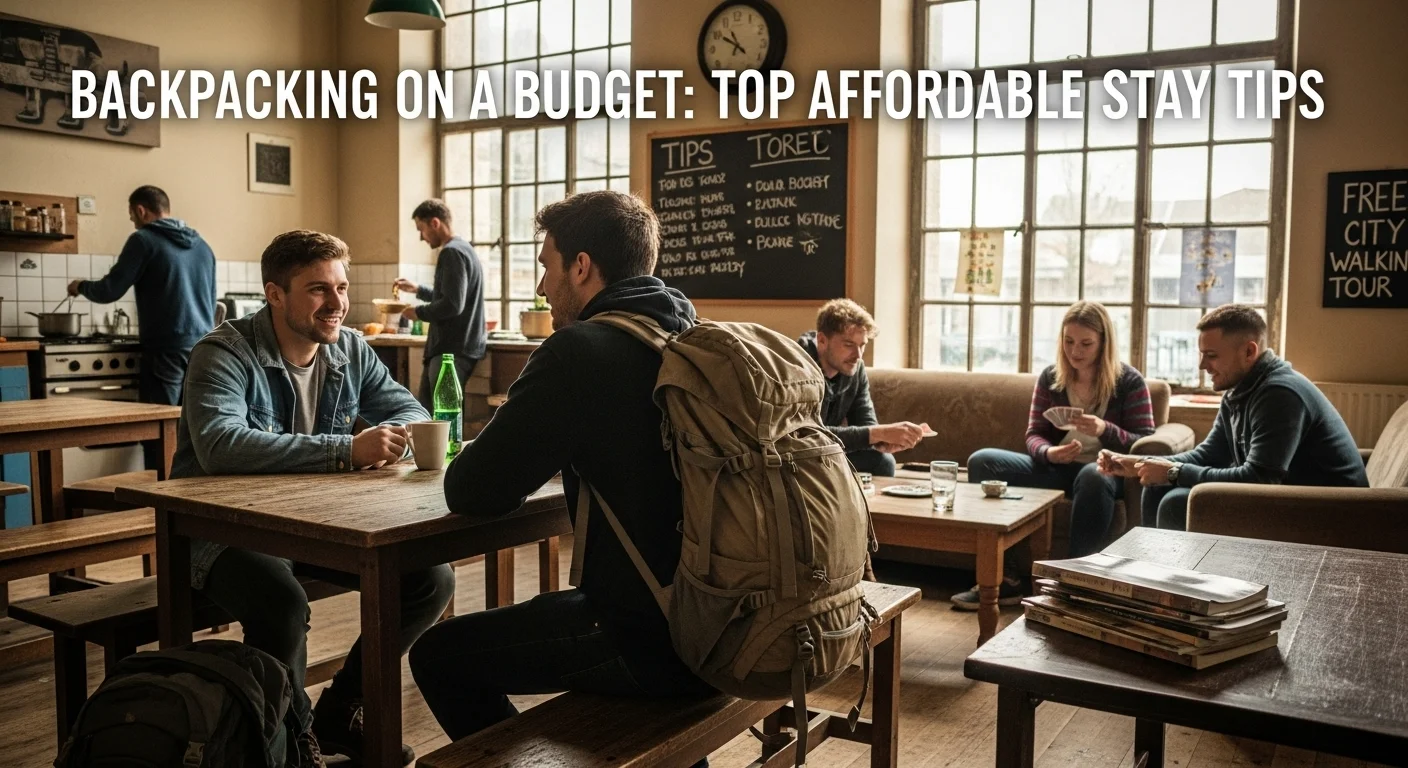
Hostels are often seen as the go-to accommodation for budget travelers, and for good reason. My first hostel experience was eye-opening. I loved the social atmosphere and the opportunity to meet travelers from all walks of life. Many hostels offer dormitory-style accommodations, which are typically much cheaper than hotels. I often choose hostels with kitchens so I can save money on food by cooking some of my meals. Plus, hostels frequently organize events or excursions, which can be a fun way to explore the area without spending a lot.
Couchsurfing: Free Lodging with Locals
Couchsurfing was something I was initially hesitant about, but it turned out to be one of my favorite ways to find accommodation. It’s a platform that connects travelers with locals who are willing to offer a free place to stay. I remember my first couchsurfing experience in Spain, where my host took me to local spots and introduced me to his friends. It wasn’t just a place to sleep; it was a cultural exchange. I feel that couchsurfing not only saves money but enriches the travel experience in unexpected ways.
Camping: Embracing Nature
If you’re a nature lover, camping can be a fantastic option. I’ve spent many nights under the stars, and it’s an experience like no other. National parks often have campgrounds that are budget-friendly. I find that camping allows me to disconnect from the hustle and bustle and connect with nature. It also gives me the chance to explore hiking trails and wildlife. Just make sure to check regulations about camping in certain areas.
Budget Hotels and Motels
Sometimes, you may want a bit more privacy than hostels or couchsurfing provide. In those cases, I recommend looking for budget hotels or motels. I often check sites that compare prices to find the best deals. While I usually prefer hostels, I’ve had some great stays at budget hotels that offered comfortable beds and essential amenities. I’ve found that reading reviews helps ensure that I’m choosing a place that meets my needs without overspending.
Booking Accommodation: Timing and Strategies
Best Time to Book for Discounts
From my experience, timing can make a huge difference when it comes to booking accommodation. I’ve discovered that booking your stay well in advance often leads to the best deals. For example, planning my trips several months ahead allowed me to take advantage of early bird discounts and promotional offers. However, I’ve also learned that waiting until the last minute can sometimes yield surprising bargains, especially if you’re flexible about where you stay. I remember a time in Barcelona when I found a last-minute deal on a great hostel simply because I was willing to accept a shared room. It’s all about finding that sweet spot and being open to different options.
Using Booking Platforms Effectively
There are so many booking platforms out there that I sometimes feel overwhelmed by the choices. However, I’ve found that using a few trusted sites can streamline the process. Websites like Hostelworld, Booking.com, and Airbnb have been my go-tos. I like to filter the results based on my budget and read reviews from other travelers. One trick I’ve learned is to use incognito mode when searching; sometimes, prices can fluctuate based on your browsing history. It’s a small tip, but it has saved me a few bucks here and there!
Comparing Prices and Reviews
Once I’ve found a couple of options that look promising, I always take the time to compare prices and read reviews. I’ve learned that some places may look great in photos but don’t always live up to expectations. I often check multiple sites and cross-reference reviews to ensure I’m making an informed decision. For me, reading about other travelers’ experiences can highlight potential red flags or confirm that I’m making the right choice. I remember staying at a hostel that was lauded for its friendly staff and clean facilities, and it truly lived up to the hype. Taking the time to compare pays off, making my trips more enjoyable.
Tips for Saving on Accommodation
Staying Longer for Discounts
One strategy I’ve adopted is to stay longer in one place whenever possible. Many hostels and budget hotels offer discounts for extended stays. I remember booking a week in a cozy hostel in Thailand, and not only did I save money, but it also allowed me to immerse myself in the local culture. I had more time to explore, meet people, and even participate in a cooking class. Plus, the staff often became familiar faces, making my stay even more enjoyable.
Utilizing Loyalty Programs and Rewards
If you tend to use the same booking platforms or hotel chains, signing up for loyalty programs can be really beneficial. I’ve signed up for a few programs and have earned points that I can redeem for free nights or discounts on future stays. It’s a simple way to make my travel budget stretch further. I once booked a couple of nights in a budget hotel and ended up with enough points for a free night during my next trip. It felt like a little bonus that I didn’t see coming!
Finding Special Offers and Promotions
Every now and then, I come across special promotions or flash sales that can significantly reduce my accommodation costs. I regularly check my favorite booking sites for any ongoing deals. Sometimes, I’ve found last-minute deals that pop up for specific dates or locations. Signing up for newsletters from these platforms can also keep you in the loop about upcoming sales. I once scored an amazing deal on a boutique hotel in Portugal because I was subscribed to their newsletter. It felt great to treat myself without overspending.
Essential Gear for Backpacking on a Budget
Choosing the Right Backpack
Your backpack is your lifeline when traveling, and choosing the right one is essential. I learned this the hard way during my first trip when I picked a stylish but impractical backpack. It was uncomfortable and didn’t have enough compartments for organization. Now, I always go for a backpack with good support, ample storage, and easy access. I remember investing in a 50-liter backpack that served me well on multiple trips. It’s spacious enough for all my gear but compact enough to carry easily. Finding the right backpack can make a world of difference in how enjoyable my travels are.
Budget-Friendly Sleeping Gear
Comfort is key when you’re on the road, and I’ve found that investing in budget-friendly sleeping gear is worth it. A lightweight sleeping bag and a travel pillow can make all the difference, especially in hostels or when camping. I often carry a compact sleeping bag that’s suitable for various climates. I also bring along a travel pillow that rolls up into a tiny bundle. These items not only provide comfort but also save me on accommodation costs by allowing me to camp or find budget options.
Multi-functional Clothing and Accessories
When it comes to packing clothes, I’ve discovered that multi-functional items are my best friends. I tend to bring clothing that can serve multiple purposes, like a dress that can double as a beach cover-up. Layering is also a great strategy I’ve adopted, allowing me to adjust to different weather conditions without overpacking. I always remember to pack a lightweight rain jacket, as it has saved me from getting soaked more than once. By choosing versatile clothing, I can travel lighter and save space for souvenirs!
Making the Most of Your Stay
Cooking Your Own Meals
One of the greatest joys of backpacking on a budget is the ability to cook my own meals. Hostels with kitchens have become my best allies during my travels. I remember my stay in Budapest, where I shared a spacious kitchen with fellow travelers. We took turns cooking meals, and it became a delightful social experience. Not only did I save money, but I also got to taste different home-cooked dishes from around the world. I often plan my meals based on local ingredients from nearby markets, which not only keeps costs down but also makes the food fresh and delicious. Plus, nothing beats the satisfaction of sitting down to a meal I prepared myself after a day of exploring!
Free Activities and Sightseeing
Exploring a new city doesn’t have to cost a fortune. I’ve learned that many cities offer free or low-cost activities that provide rich experiences. Walking tours, for instance, have been a favorite of mine. I remember joining a free walking tour in Lisbon, where I not only learned about the city’s history but also met some amazing people. Many museums have free entry days or discounted rates during certain hours, so I always check their websites in advance. Additionally, exploring parks, hiking trails, and local neighborhoods is a fantastic way to immerse myself in the culture without spending a dime. I find that sometimes the best experiences come from simply wandering and getting lost in a new place.
Networking with Other Travelers
Connecting with other travelers has enriched my backpacking experience tremendously. I often find that sharing tips and advice with fellow backpackers leads to discovering hidden gems and unique experiences. From hostel common areas to cafes, I’ve met some amazing people who have shared their stories and travel hacks with me. I remember a night in a hostel in Berlin when a group of us gathered to share our travel plans and recommendations. Someone suggested a local beer garden that turned out to be one of the highlights of my trip. Networking not only helps in discovering great places but also opens doors to friendships that can last a lifetime! If you’re considering climbing during your travels, check out essential training tips for budget backpacking climbers to prepare.
Safety Tips for Budget Backpackers
Staying Safe in Hostels
While hostels are a great way to save money, I’ve realized that staying safe is paramount. I always choose hostels that have good security measures in place, like lockers for my belongings and 24/7 front desk service. When I check in, I make it a point to familiarize myself with the layout and the emergency exits. I also try to secure my valuables, like my phone and passport, in a locked drawer or in a money belt when I’m not in my room. I’ve learned that being aware of my surroundings and trusting my instincts is crucial. If something doesn’t feel right, I don’t hesitate to seek help or move to another place.
Managing Your Belongings
Keeping track of my belongings while traveling can be a challenge, but I’ve developed some handy strategies. I often use packing cubes to keep my clothes organized and easy to access. When I’m out and about, I carry a smaller daypack with essentials like my wallet, phone, and a water bottle. I’m cautious about how I carry my bag, often opting for a crossbody style that allows me to keep one hand on it at all times. I also make it a habit to take inventory of my belongings before I leave a place, ensuring I haven’t left anything behind. It may sound simple, but these little checks can prevent a lot of stress!
Emergency Contacts and Resources
Having a plan in case of emergencies is something I’ve learned to prioritize. I always keep a list of important contacts, such as local emergency services, my country’s embassy, and any contacts I might need in the area. I recommend downloading helpful apps that can assist with translations or finding nearby hospitals. I’ve found that knowing how to reach out for help can make a significant difference if something goes wrong. Additionally, I always share my travel itinerary with a family member or a close friend back home, so someone knows where I am in case of an emergency.
Final Thoughts on Budget Backpacking
Frequently Asked Questions
What is backpacking on a budget?
Backpacking on a budget involves exploring the world with a focus on maximizing experiences while being mindful of spending. It allows travelers to create unforgettable memories without breaking the bank.
What are the benefits of backpacking on a budget?
Backpacking on a budget encourages creativity in finding affordable ways to enjoy destinations, fosters camaraderie among budget travelers, and leads to more authentic cultural experiences by engaging with locals.
How can I set a daily budget for backpacking?
Setting a daily budget involves breaking down your spending into categories like accommodation, food, activities, and transportation. For example, if you allocate $40 a day, you might spend $15 on lodging and $10 on meals, adjusting as necessary.
What are some affordable accommodation options for budget backpackers?
Affordable accommodation options include hostels, couchsurfing, camping, and budget hotels or motels. Hostels often provide social atmospheres and kitchen facilities, while couchsurfing allows for free stays with locals.
When is the best time to book accommodation for discounts?
Booking accommodation well in advance often leads to the best deals due to early bird discounts. However, last-minute bookings can also yield surprising bargains if you are flexible with your options.
How can I effectively use booking platforms for finding accommodation?
Using trusted booking platforms like Hostelworld, Booking.com, and Airbnb can streamline the accommodation search. Filtering results based on budget and reading reviews can help ensure you make informed decisions.
What tips can help save on accommodation costs?
To save on accommodation costs, consider staying longer in one place to receive discounts, utilizing loyalty programs for points and rewards, and keeping an eye out for special offers and promotions.
What essential gear should I consider for budget backpacking?
Essential gear for budget backpacking includes a practical backpack with good support, budget-friendly sleeping gear like a lightweight sleeping bag and travel pillow, and multi-functional clothing that allows for versatile packing.
How can I make the most of my stay while backpacking?
Making the most of your stay can involve cooking your own meals in hostel kitchens, participating in free activities like walking tours, and networking with other travelers to discover hidden gems.
What safety tips should I follow while backpacking on a budget?
Safety tips for budget backpackers include choosing hostels with good security measures, managing belongings carefully, and having a list of emergency contacts and resources readily available.