
Backpacking on a budget opens up a world of adventure and self-discovery, especially when traveling solo. It’s about exploring new places without breaking the bank, allowing for unforgettable experiences without financial stress. For more insights, check out 10 Essential Backpacking Tips for Budget Solo Travelers.
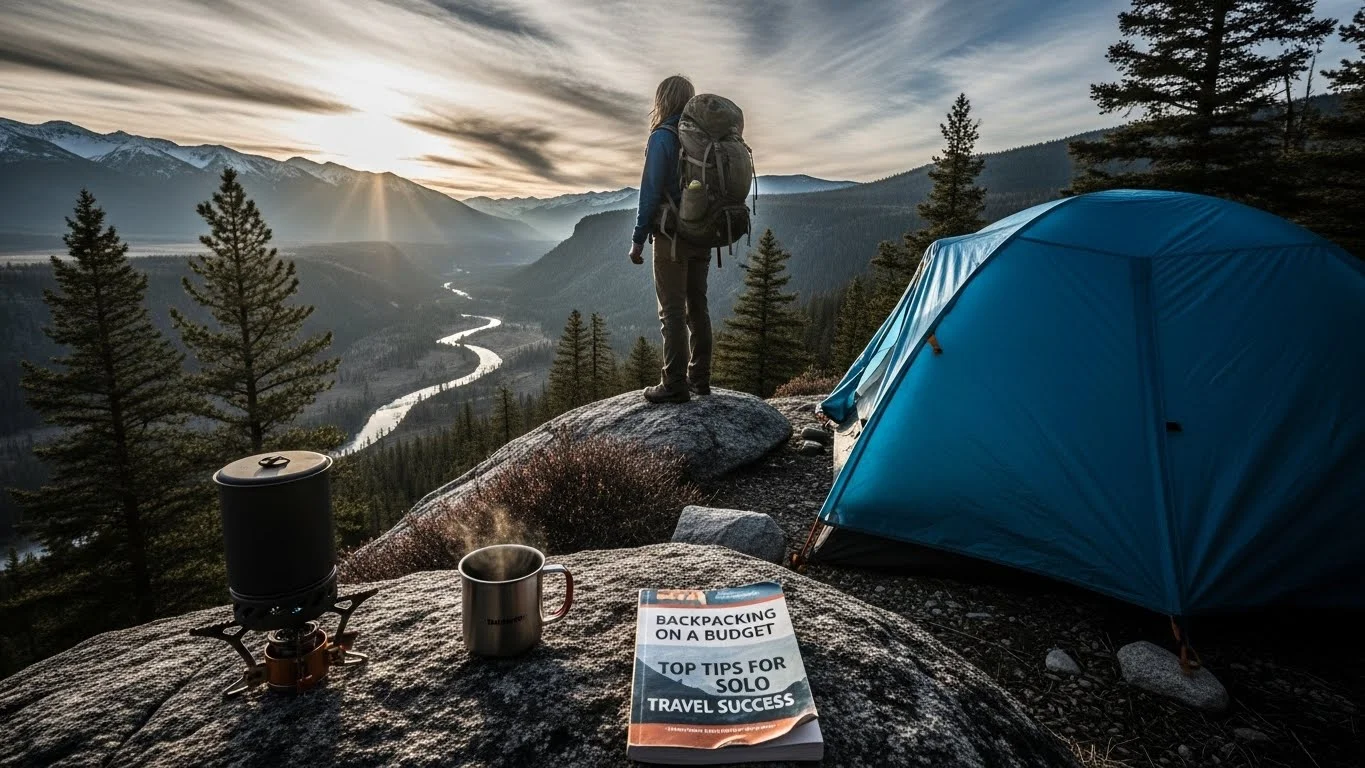
Understanding Budget Backpacking
What is Backpacking?
When I first heard about backpacking, I imagined a rugged traveler roaming through remote landscapes with nothing but a small pack and a thirst for adventure. To me, backpacking is more than just a travel style; it’s a way of life. It’s about exploring the world at your own pace, embracing spontaneity, and often, traveling with limited resources. Unlike traditional vacations, backpacking encourages you to immerse yourself in the local culture, meet new people, and discover hidden gems that you might miss on a guided tour. My first backpacking trip took me to Southeast Asia, where I learned the true meaning of freedom and adventure.
Benefits of Solo Travel
Traveling solo is one of the most empowering experiences I’ve ever had. It allows you to connect with yourself and the world around you in a way that is often difficult when traveling with others. For me, the biggest benefit of solo travel is the freedom to do whatever I want, whenever I want. I can wake up at sunrise to catch a view, take a spontaneous detour, or spend hours conversing with locals. I also found that solo travel pushes you out of your comfort zone, helping you to develop confidence and independence. I remember standing at the foot of a beautiful mountain in Bhutan, feeling both small and immensely powerful, knowing that I made it there on my own terms.
Why Choose Budget Travel?
Choosing budget travel isn’t just about saving money; it’s about making travel accessible and enjoyable. When I decided to travel on a budget, I discovered a new way to experience the world. Budget travel forces you to be resourceful and creative. I learned how to find affordable places to stay, eat, and explore. Plus, traveling on a budget means I can extend my trips, allowing me to see more places and meet more people. I’ve found that the most memorable experiences come from unexpected adventures, like sharing a meal with locals or getting lost in a bustling market. This way of traveling has taught me that sometimes less is more.
Essential Budgeting Tips for Backpacking
Setting a Daily Budget
One of the first things I do before any trip is create a daily budget. This helps me track my spending and ensures I have enough for the entire journey. I usually start by estimating my costs for accommodation, food, transportation, and activities. For instance, in Thailand, I found that I could comfortably travel on $30 a day, which included a bed in a hostel, street food, and local transportation. By setting a daily budget, I can make choices that align with my financial goals while still enjoying my travels. I recommend keeping it flexible, too; sometimes, you might want to splurge on a unique experience, and that’s okay!
Tracking Expenses
Tracking expenses is crucial when backpacking on a budget. I used to rely on memory, but I quickly realized that it’s easy to lose track of spending when you’re on the go. I found that using a simple app on my phone makes this process a breeze. Every time I buy something—whether it’s a coffee or a ticket to a museum—I log it. This practice not only keeps me accountable but also helps me identify areas where I can save money. I remember one trip where I was surprised by how much I spent on drinks. By tracking my expenses, I could make adjustments and allocate more funds for experiences I really valued.
Finding Affordable Destinations
When planning my travels, I’ve learned to prioritize destinations that offer great value for money. Countries in Southeast Asia, Eastern Europe, and Central America often provide a rich travel experience without the hefty price tag. I remember landing in Vietnam, where I could stretch my budget further than I had anticipated. A delicious meal could cost just a couple of dollars, and the local transport was incredibly cheap. Researching affordable destinations can save you a lot while still allowing for unforgettable experiences. I recommend looking for countries that have favorable exchange rates and a lower cost of living. This way, you can enjoy your travels without constant worry about your finances. Also, consider checking out Top 10 Cultural Festivals for Solo Travelers on a Budget for unique experiences.
Choosing the Right Gear
Backpacks: Types and Features
Choosing the right backpack can make or break your backpacking experience. I remember when I first started; I didn’t realize how important it was to invest in a good backpack. There are two main types: internal frame and external frame backpacks. Internal frame backpacks are more popular among travelers because they’re designed to hug your body closely, providing better balance and comfort. I found that this made all the difference on long hikes. On the other hand, external frame backpacks are bulkier and offer more space, but they can feel awkward when navigating crowded areas.
When selecting a backpack, consider the size. I typically go for a pack that’s around 50-70 liters for longer trips, which gives me enough space for my essentials without overpacking. Features like adjustable straps, padded hip belts, and ventilation systems are also crucial for comfort. I once went on a multi-day trek with a poorly fitted backpack, and it was exhausting! My advice? Try on different packs in a store, load them up, and walk around to find the best fit for you.
Essential Packing List
Creating an essential packing list can help you avoid overpacking while ensuring you have everything you need. I learned this the hard way during my first backpacking trip, where I packed way too much and ended up carrying extra weight. I recommend sticking to the basics. Here’s what I typically include:
- Clothing: A few versatile outfits that can be layered, a lightweight rain jacket, and a good pair of hiking shoes.
- Toiletries: Travel-sized essentials like toothpaste, soap, and a quick-dry towel.
- First Aid Kit: Basic medical supplies, including band-aids, antiseptic wipes, and any personal medications.
- Tech Gear: A universal charger, portable power bank, and a small camera for capturing memories.
It’s also wise to consider the climate and activities you’ll be doing. I’ve found that rolling clothes instead of folding them saves space and minimizes wrinkles. Plus, packing cubes can help keep everything organized. Remember, you can always buy what you need on the road if you forget something!
Budget-Friendly Gear Options
When I first started backpacking, I thought I needed the most expensive gear to have a great experience. However, I quickly discovered that there are plenty of budget-friendly options that perform just as well. For backpacks, brands like Osprey and REI have great outlets where you can find last season’s models at a fraction of the price. I snagged a fantastic backpack during a sale, which became my trusty travel companion.
For sleeping gear, consider a lightweight sleeping bag and a compact sleeping pad. I found that brands like Therm-a-Rest offer affordable options without sacrificing comfort. Additionally, thrift stores can be treasure troves for outdoor gear. I once found a barely-used tent that served me well for several trips. Don’t underestimate the power of online marketplaces too; many travelers sell their gear at discounted prices after they return home. This way, you can get high-quality items without breaking the bank.
Accommodation Options for Budget Travelers
Hostels: Pros and Cons
Staying in hostels has become a staple for budget backpackers like myself. The first time I booked a hostel, I was a bit nervous, but it turned out to be one of the best decisions I made! Hostels offer affordable accommodation, often with shared rooms that can keep costs down. They also provide a fantastic opportunity to meet fellow travelers. I’ve made some great friends during late-night chats in common areas or shared kitchens.
However, there are some cons to consider. Not all hostels are created equal; some can be noisy or lack privacy. I usually read reviews on sites like Hostelworld to ensure I’m choosing a comfortable place. Also, it’s good to be aware that shared bathrooms can sometimes be less than ideal. Despite these drawbacks, the community atmosphere and affordability make hostels a top choice for me.
Couchsurfing and Homestays
Couchsurfing has been a game-changer for my travel experiences. It’s a platform that connects travelers with locals who offer free accommodation, allowing for a more authentic experience. I remember staying with a wonderful family in Turkey who not only provided a place to sleep but also introduced me to their culture and favorite local spots. It felt like being welcomed into someone’s home, and I learned so much from them.
Homestays are another great option, where you can stay with a family for a small fee. They often include meals, which can help save on food costs. I found this especially beneficial in countries like India, where the food was not only delicious but also gave me a taste of local life. The key to a successful couchsurfing or homestay experience is to communicate openly and respectfully with your host.
Camping and Outdoor Options
If you’re open to a bit of adventure, camping can be an incredible way to save money while experiencing nature up close. I’ve camped in national parks and even on beaches, where I enjoyed stunning sunrises and starry nights. All you need is a lightweight tent and some basic camping gear. Many campsites are budget-friendly, and some even offer free camping in designated areas.
Before heading out, I recommend checking local regulations regarding camping and any associated fees. I also found that some parks allow you to camp for free if you’re willing to hike in a bit. This adds an element of adventure and often leads to quieter, more secluded spots. Plus, cooking over a campfire while sharing stories with friends is an experience I cherish.
Transportation on a Budget
Public Transport Systems
One of the best ways to save money while traveling is to utilize public transport. I remember my first experience with the subway system in Tokyo. It was a little intimidating at first, but once I got the hang of it, I found it to be incredibly efficient and affordable. Public transport can take you almost anywhere you want to go, and it often provides a unique glimpse into daily life. I’ve learned to embrace buses, trams, and trains as my primary means of getting around. In many cities, the cost of a single ride is just a fraction of what you’d spend on a taxi. Plus, it’s a lot more fun to share a space with locals and fellow travelers. Just be sure to research the routes and schedules ahead of time, so you’re not caught off guard!
Budget Airlines and Train Travel
When planning my trips, I often look for budget airlines that can help me hop from one country to another without breaking the bank. I’ve flown with several budget carriers, and while they may not offer the same level of comfort as traditional airlines, the savings can be significant. I once booked a flight from Spain to Italy for just $30! I’ve also discovered that trains can be a fantastic option, especially in regions like Europe. Train travel allows you to see the countryside while getting to your next destination. Many countries offer rail passes that can save you money if you plan to travel extensively by train. I found the Eurail Pass to be a game-changer for my travels across Europe; it made hopping between cities so easy!
Walking and Biking as Alternatives
Walking and biking are two of my favorite ways to explore a new city. Not only are they budget-friendly, but they also allow for a more personal experience with the surroundings. I remember wandering through the streets of Amsterdam on a rented bike, feeling the wind on my face as I navigated the canals. It was exhilarating! Many cities are bike-friendly, with paths and rental programs widely available. Walking is equally rewarding; I often set out on foot to discover hidden cafes, street art, and local shops that I might have missed otherwise. I believe that some of my most memorable travel moments have happened during a simple stroll down an unfamiliar street.
Eating on a Budget While Traveling
Street Food vs. Restaurants
One of the joys of traveling is trying local cuisine, and I’ve found that street food often provides the most authentic and affordable options. I remember my first bite of pho from a street vendor in Vietnam; it was an explosion of flavor, and it only cost me a couple of dollars! Street food not only fills your stomach but also allows you to engage with local culture. That being said, I also enjoy dining in small local restaurants. These often offer more variety and the chance to try different dishes without a hefty price tag. It’s all about finding a balance—trying street food during the day and perhaps enjoying a sit-down meal in the evening.
Grocery Shopping Tips
Another way I’ve saved money while traveling is by shopping at local grocery stores. I’ve found that picking up snacks, fruits, and simple meals can cut costs significantly. In many countries, I’ve enjoyed fresh bread, cheese, and local meats for a picnic in the park. I love visiting markets and seeing what’s in season. Often, I’ll prepare my own meals when staying in hostels with kitchen facilities. This not only saves money but also allows me to experiment with local ingredients, making for a fun cooking adventure!
Cooking Your Own Meals
Cooking while traveling can be a rewarding experience. I remember staying at a hostel in Greece where I shared cooking duties with fellow travelers. We prepared a communal meal with fresh ingredients from a local market. It was a fantastic bonding experience, and we enjoyed delicious homemade dishes while sharing travel stories. If you have access to a kitchen, I recommend trying your hand at cooking some local favorites. Not only does it save money, but it also gives you a deeper appreciation for the culture. Plus, cooking can be a fun way to unwind after a long day of exploring!
Free and Low-Cost Activities
Exploring Nature and Parks
Nature has always been my go-to for free entertainment. I love hiking and exploring parks, whether it’s a national park or a local green space. I remember spending an entire day hiking in the mountains of Colombia, surrounded by stunning landscapes and vibrant wildlife. Many parks have free entry, and even those that charge a small fee are often worth the investment. Nature immerses you in beauty, and I feel more connected to the places I visit when I spend time outdoors.
Free Walking Tours
Free walking tours have become a favorite of mine in almost every city I visit. Most of the time, they operate on a tip-based system, which means you can pay what you feel the tour was worth. I’ve discovered amazing local insights and hidden gems through these tours. One of my best experiences was in Prague, where the guide shared fascinating stories and history I would never have learned on my own. Plus, it’s a great way to meet fellow travelers and make new friends!
Cultural Experiences and Festivals
Many cities host free cultural events and festivals, which can be an incredible way to immerse yourself in the local culture. I’ve attended street fairs, art exhibits, and music festivals that didn’t cost a dime. I remember wandering through a vibrant festival in Mexico, where I danced, sampled local delicacies, and learned traditional crafts. Checking local event calendars and forums can keep you informed about what’s happening during your travels. Engaging with the culture makes the journey more memorable and often leads to experiences you can’t put a price on. For more on this, see Solo Travel: Must-See Cultural Experiences on a Budget.
Frequently Asked Questions
What is budget backpacking?
Budget backpacking is a way of exploring new places without significant financial strain, allowing for unforgettable experiences and self-discovery while traveling, often solo.
What are the benefits of solo travel?
Solo travel offers the freedom to make your own choices, connect with yourself and the world, and develop confidence and independence by stepping out of your comfort zone.
How can I set a daily budget for backpacking?
To set a daily budget, estimate your costs for accommodation, food, transportation, and activities. Keeping it flexible allows for spontaneous splurges when desired.
Why is tracking expenses important while backpacking?
Tracking expenses helps you stay accountable for your spending and identify areas where you can save money, ensuring you can allocate funds for experiences that matter most to you.
What types of backpacks are recommended for backpacking?
Internal frame backpacks are popular for their balance and comfort, while external frame backpacks offer more space but can feel bulkier. Choosing the right size and features is crucial for comfort.
What essential items should I include in my packing list?
Your essential packing list should include versatile clothing, travel-sized toiletries, a basic first aid kit, and tech gear like a universal charger and portable power bank.
What are the pros and cons of staying in hostels?
Hostels are affordable and allow for social interaction with fellow travelers, but they may lack privacy and can be noisy. Reading reviews can help you find a suitable hostel.
How can I save money on transportation while traveling?
Utilizing public transport, looking for budget airlines, and considering train travel are great ways to save money while traveling. Walking and biking are also budget-friendly alternatives.
How can I eat on a budget while traveling?
Eating on a budget can be achieved through street food, grocery shopping for snacks and simple meals, and cooking your own meals when you have kitchen access in hostels.
What free or low-cost activities can I do while traveling?
Free activities include exploring nature and parks, participating in free walking tours, and attending cultural events and festivals, which offer a rich experience without a financial burden.