
Backpacking can be one of the most exhilarating experiences, but safety should always come first. Let’s explore how we can keep ourselves safe while enjoying the great outdoors without breaking the bank. For more information, check out our guide on Backpacker Safety Essentials.
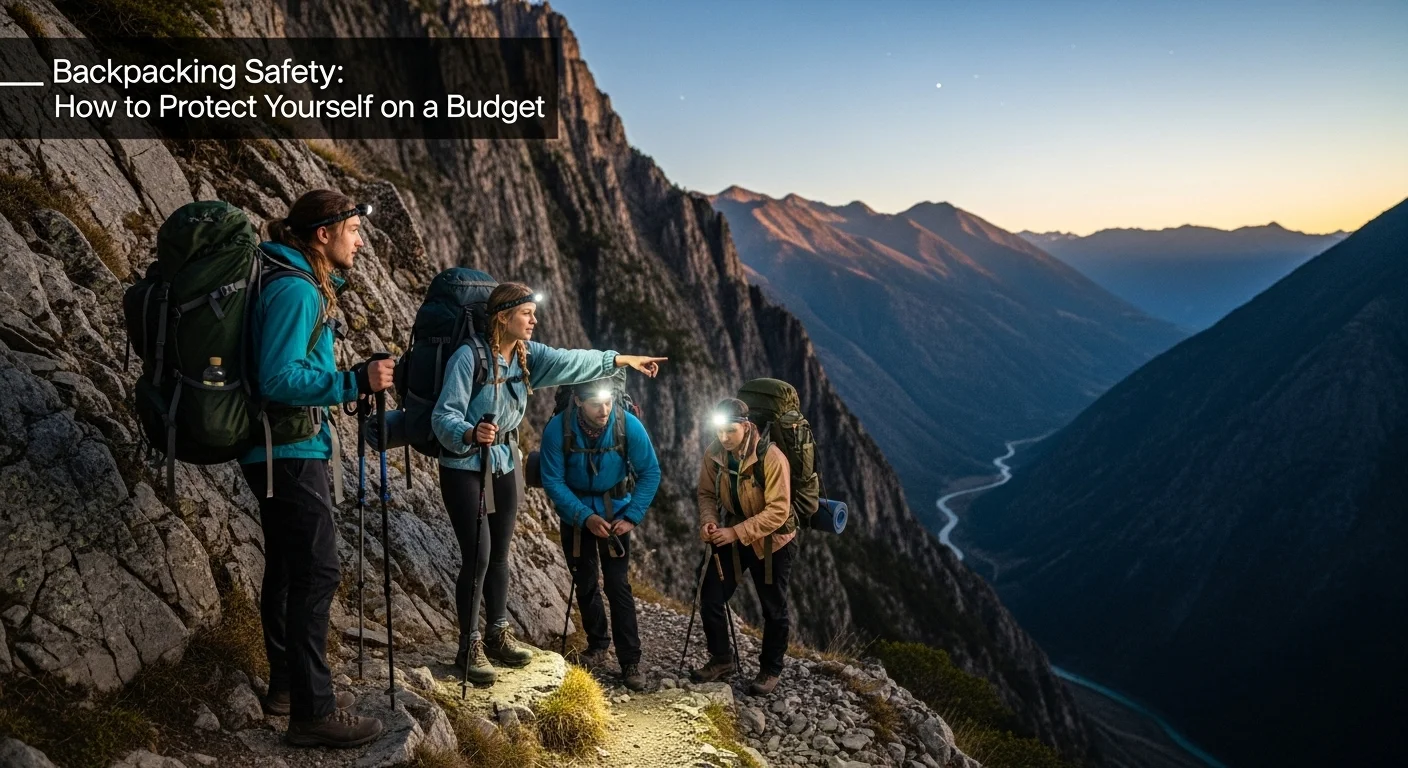
Understanding Backpacking Safety
Importance of Safety While Backpacking
When I first decided to go backpacking, I was all about the adventure. I wanted to explore lush forests, climb breathtaking mountains, and sleep under a blanket of stars. But what I quickly learned is that while the thrill of adventure is intoxicating, safety is paramount. Backpacking safety isn’t just about avoiding physical harm; it’s about ensuring that our experiences are joyful and worry-free. Being prepared and informed can greatly reduce risks and enhance our journey. I always remind myself that a little caution can go a long way in making the trip memorable for all the right reasons.
Common Risks and Challenges in Backpacking
As I chatted with fellow backpackers and scoured forums, I discovered an array of risks that can come with our beloved outdoor adventures. Some of the most common include:
- Getting Lost: It’s easy to take a wrong turn, especially when the trails look similar. I remember a time when I strayed from the marked path and ended up wandering for hours, my heart racing as the sun began to set.
- Weather Changes: Nature can be unpredictable. I once packed for a sunny day only to be caught in a sudden downpour. Having the right gear and knowledge about the weather can save you from discomfort and potential danger.
- Wildlife Encounters: While spotting wildlife can be thrilling, it also poses risks. I’ve encountered bears and snakes, which reminded me to always respect their space and know how to react.
- Injuries: Whether it’s a twisted ankle or a cut, injuries can happen. Having a basic understanding of first aid can make all the difference in those critical moments.
Understanding these risks allows us to prepare better. It’s not about letting fear control our adventures; it’s about being smart and taking proactive steps to mitigate those risks. For more tips, check out Essential Safety Measures for Budget Backpackers.
Essential Safety Gear for Budget Backpackers
Backpacking Backpack: Features to Look For
Choosing the right backpack can be a game changer. I remember my first backpack—it was too heavy and had no proper support. Now, I look for a few essential features: a comfortable harness, sufficient storage, and weather-resistant materials. It’s worth investing in a good backpack that fits well; it can prevent back pain and fatigue on long hikes.
First Aid Kit: What to Include
No one wants to imagine getting hurt while out in the wild, but I’ve learned the hard way that having a well-stocked first aid kit is essential. Here’s what I always include:
- Adhesive bandages of various sizes
- Antiseptic wipes or cream
- Pain relievers like ibuprofen or acetaminophen
- Gauze pads and medical tape
- Antihistamines for allergic reactions
- A small pair of scissors and tweezers
It’s easy to find compact first aid kits online that won’t break the bank, and I always add personal items like any necessary medications. This small investment brings peace of mind on the trails.
Personal Safety Devices: Budget-Friendly Options
In my experience, it’s always wise to carry personal safety devices. I’ve found that even simple items can make a big difference. A whistle can attract attention in emergencies, and a durable flashlight is indispensable for navigating dark areas. I always carry a small pocket knife for various tasks—it’s versatile and can come in handy. Another option I’ve seen is personal alarms that can emit a loud sound to deter unwanted attention. These devices don’t have to be expensive to be effective.
Clothing and Footwear for Safety
The right clothing and footwear can significantly impact our safety and comfort on the trail. I learned early on that wearing layers is crucial. They can keep us warm when it’s chilly and can easily be removed when the sun shines down. Breathable, moisture-wicking fabrics are a must, and I’ve discovered that a good pair of hiking boots is worth the investment. They provide support and protection against uneven terrain and prevent injuries. For me, I always recommend breaking in new footwear before hitting the trails to avoid blisters.
Backpacking safety isn’t just about having the right gear; it’s about being informed and prepared. I’ve found that taking these steps not only protects us but also allows us to fully enjoy the beauty of nature without constant worry. So, let’s get out there and make some amazing memories, safely! For essential tips, don’t forget to read Top 10 Safety Tips Every Backpacker Must Know.
Planning Your Backpacking Trip Safely
Researching Your Destination
Before I set foot on the trail, I always make it a point to research my destination thoroughly. I can’t stress how much this has helped me avoid potentially dangerous situations. I look into the terrain, weather patterns, and any specific wildlife in the area. Websites, blogs, and local park ranger stations often provide valuable insights. I remember planning a trip to a national park and discovering that certain trails were closed due to recent landslides. Had I not done my homework, I might have ended up on a closed path, putting myself in danger. Taking the time to research not only keeps us safe but also enhances our experience by allowing us to anticipate the beauty and challenges ahead.
Choosing Safe Routes and Trails
When it comes to selecting a trail, I always consider my skill level and physical fitness. I’ve learned the hard way that just because a trail looks enticing doesn’t mean it’s suitable for everyone. I once decided to tackle a more challenging hike than I was prepared for, and let’s just say, it wasn’t my finest moment. I felt overwhelmed, and it dampened my enjoyment. Now, I always choose routes that match my abilities and those of my companions. Checking trail reviews and maps has become an essential part of my planning process. I also pay attention to warnings about steep terrain or areas prone to rockslides or flooding.
Understanding Local Laws and Customs
Understanding the local laws and customs of the area I’m visiting is something I’ve come to prioritize. Each place has its own regulations regarding camping, fires, and even wildlife interactions. I remember going to a national forest where campfires were strictly prohibited due to fire hazards. Had I ignored that rule, I could have faced hefty fines and, more importantly, have put the forest at risk. It’s also good to familiarize myself with any cultural customs that may apply, especially in areas with indigenous communities. Respecting local cultures not only shows appreciation but also contributes to a safer and more enriching experience.
Creating a Backpacking Itinerary
One of the best habits I’ve adopted is creating a detailed itinerary before heading out. This isn’t just a checklist; it’s a way to ensure that my friends and I stay on track and can share our plans with someone back home. I include start and end points, estimated hiking times, and any notable landmarks along the way. I learned this the hard way during a trip when I didn’t inform anyone of my plans. After a long day on the trail, I got back late, and it was a stressful moment for my family who hadn’t heard from me. Now, I always leave my itinerary with a trusted friend or family member. It’s a simple step that offers peace of mind for everyone involved.
Travel Insurance: Is It Worth It?
Types of Travel Insurance for Backpackers
When I first started backpacking, I didn’t think much about travel insurance. I figured I was young and healthy; what could possibly go wrong? But after hearing stories from fellow travelers about unexpected medical emergencies and trip cancellations, I changed my perspective. Now, I always look into different types of travel insurance. There are plans that cover everything from medical emergencies to lost equipment. I learned that some policies even include coverage for adventure activities like hiking, which is essential for us outdoor enthusiasts. It’s comforting to know that I’m protected, no matter what the trail throws my way.
How to Choose Affordable Travel Insurance
Finding affordable travel insurance can seem daunting, but I’ve found that shopping around really pays off. There are numerous comparison websites that help me evaluate different options. I always read the fine print, looking for hidden fees or exclusions. For me, it’s essential to balance cost and coverage—there’s no point in saving a few bucks if I’m not adequately protected. I also keep an eye out for plans that cater specifically to backpackers, as they often understand our unique needs better.
What to Look for in a Policy
Choosing the right travel insurance policy can be overwhelming, but I focus on a few key elements. First, I check the medical coverage limits—this is crucial if I find myself in an emergency. Next, I look for trip cancellation coverage in case I have to reschedule my plans unexpectedly. It’s also essential to know what activities are covered under the policy. I’ve learned that some insurers have specific exclusions for high-risk activities, so it’s crucial to ensure that my adventurous spirit is protected. Finally, I always read reviews to see what others have experienced with the insurance provider to ensure they are reliable and responsive in emergencies.
Staying Safe While on the Trail
Group Hiking vs. Solo Backpacking
As someone who has ventured out both solo and in groups, I can tell you that each has its own set of joys and challenges. Hiking in a group can be a wonderful experience; there’s something about sharing the beauty of nature with others that enhances the adventure. However, it comes with its own safety dynamics. I’ve found that communication is key when hiking with a group. It’s essential to keep everyone informed about the plan, pace, and any concerns along the way. I remember one trip where we lost track of a member who lagged behind to take photos. Thankfully, we regrouped, but it highlighted the importance of staying connected. On the other hand, solo backpacking can be incredibly freeing, allowing for a personal connection with nature. Yet, I’ve learned to be extra cautious in this scenario. When I’m alone, I make sure to stick to well-traveled paths and inform someone about my itinerary. I also carry a whistle and a personal alarm for emergencies, just in case I need to attract attention. Ultimately, whether I’m with a group or solo, I make sure to be mindful of my surroundings and prepared for anything that comes my way.
Staying Aware of Your Surroundings
Staying aware of my surroundings has become second nature during my hikes. I make it a point to look up from my trail map and take in the sights around me. I’ve realized that being present can help me notice changes in the environment, such as shifting weather patterns or unusual noises that might signal wildlife nearby. I remember one hike where I spotted a mother deer and her fawn because I was tuned in to my surroundings. It was a moment of sheer joy that I might’ve missed had I been lost in my thoughts. Additionally, I think it’s important to take breaks to assess my surroundings. When I rest, I often scan for landmarks or trails that can guide me back if I get turned around. I carry a lightweight compass as a backup, even if I primarily rely on my phone’s GPS. It’s a simple reminder that sometimes technology can fail us, and knowing how to navigate traditionally can be a lifesaver.
Wildlife Safety Tips
Encountering wildlife can be one of the most thrilling aspects of backpacking, but it also demands respect and caution. I remember my first close encounter with a bear. I was hiking along a serene trail when I spotted one rummaging through some bushes. I froze, my heart racing. What I learned that day was invaluable: it’s crucial to make noise while hiking to avoid surprising wildlife. I’ve since adopted the habit of talking or singing softly, which can help alert animals to my presence without startling them. I’ve also learned the importance of food storage. Keeping food properly sealed and away from camping areas is vital. I once camped near a site with inadequate food storage, and I woke up to a raccoon rummaging through my gear. Now, I always use bear canisters or hang my food in a tree, ensuring it’s at least 10 feet off the ground and 4 feet from the tree trunk. Respecting wildlife and understanding how to coexist is essential for a safe and enjoyable trip.
Emergency Procedures: What to Do in Case of an Incident
Despite our best efforts, emergencies can happen, so being prepared is key. I’ve found that knowing basic emergency procedures can make a world of difference. During one hike, a friend twisted her ankle, and I was grateful I had taken a wilderness first aid course. I quickly assessed her injury, applied a splint, and we were able to make our way back to the trailhead with my help. I always carry a small emergency kit that includes a flashlight, a multi-tool, and extra food and water. It’s a comfort to know that I’m ready for unexpected situations. Additionally, I familiarize myself with the route to the nearest help center or ranger station before I set out. I also keep a list of emergency contacts saved on my phone, just in case I need to reach someone for help. Having a plan and being equipped to handle emergencies not only keeps me safe but also eases my mind during hikes.
Communicating and Navigating on a Budget
Using Smartphone Apps for Safety
Smartphone apps have become my best friends in the backcountry. I rely on several apps to enhance my hiking experience and keep me safe. One of my favorites is a GPS navigation app that works offline. I remember getting lost on a trail once, and having that app available saved me from wandering too far off course. These apps often include trail maps, elevation profiles, and even user reviews, which can be incredibly useful. I also like to use weather apps to keep tabs on changing conditions, ensuring I’m not caught unprepared.
Offline Navigation Tools and Maps
While I love tech, I also believe in old-school navigation skills. Maps and compasses are essential tools that I always carry, especially when I’m heading into remote areas. I’ve learned that relying solely on my phone can be a mistake; batteries die, and signals can drop unexpectedly. I remember one hike where my phone lost charge, and I was grateful I had a physical map to guide me. Plus, studying the map before the trip helps me familiarize myself with the area, making me feel more confident and prepared.
Staying Connected: Budget-Friendly Communication Options
Staying connected with loved ones while backpacking is important, especially in case of emergencies. I’ve found that simple text messages can often go through even when cell service is spotty. I usually send a quick message to my family or friends when I start a hike and when I finish. Additionally, investing in a portable charger has been a game-changer for me. It allows me to keep my devices charged without needing a power outlet. For those planning multi-day trips, satellite phones or personal locator beacons can be worth considering, although they can be pricier. It’s all about finding the right balance for your budget and peace of mind.
Safe Accommodation Options for Backpackers
Choosing Budget Hostels and Campsites
Finding safe accommodation is crucial for backpackers like us. I’ve had some great experiences staying in budget hostels, especially those that cater to outdoor enthusiasts. They often provide useful amenities like gear storage and local advice. When selecting a hostel, I look for reviews that mention safety and cleanliness. I remember one hostel where the staff was incredibly helpful, providing tips on local trails and ensuring I felt secure during my stay. When camping, I opt for designated campsites that have good reviews and are known for being safe. These sites usually have established protocols for managing wildlife, adding an extra layer of security.
Reading Reviews and Recommendations
Reading reviews has become a habit of mine. I rely heavily on platforms like TripAdvisor or travel blogs to gauge the safety of accommodations. I often look for comments about the area surrounding the hostel or campsite, as a good neighborhood can make a huge difference. A few years ago, I almost booked a campsite that had great amenities but was located in a sketchy area. Thankfully, a quick read-through of the reviews opened my eyes to the potential risks, and I chose a safer option instead. Trusting the experiences of fellow travelers is an invaluable resource.
Safety Tips for Staying in Shared Accommodations
Staying in shared accommodations can be a fantastic way to meet fellow travelers, but it does come with its own set of safety considerations. I always lock up my belongings and use a travel lock for my backpack. It’s also wise to keep important items like my passport and wallet close. I’ve found that getting to know my roommates can be a good way to gauge the atmosphere. I remember one time sharing a room with a group of friendly hikers, and we felt much safer sticking together. Additionally, I make it a point to have an emergency plan in mind, just in case something unexpected happens during my stay.
Food Safety While Backpacking
Keeping Your Food Safe on the Trail
Food safety is often overlooked when backpacking, but it’s something I take seriously. I always pack my food in airtight containers to minimize contamination and keep critters away. I recall a trip where I had some snacks poorly stored, and I ended up sharing them with some ants. It’s crucial to keep everything organized and clean. I’ve found that using bear-proof canisters not only keeps my food safe from animals but ensures that I don’t attract unwanted attention while camping.
Water Purification Methods
Staying hydrated is essential, but I’ve learned the importance of water purification. I always carry a reliable water filter or purification tablets. There was a time when I relied on boiling water, which took longer than expected, especially when I was thirsty after a long hike. Now, I prefer using a portable filter; it’s quicker and simpler. I make sure to fill my water bottles at natural sources and keep an eye out for signs of contamination, such as dead animals or muddy water. Having clean water has made my trips much more enjoyable and safe.
Dealing with Food Allergies or Restrictions
Food allergies or restrictions can complicate backpacking, but I know how to navigate them. I always pack my own meals to ensure I have safe options that meet my dietary needs. When planning meals, I try to include lightweight, non-perishable items that are easy to prepare. On one trip, I forgot to check the ingredients of a pre-packaged meal and ended up with a reaction. Since then, I’ve made it a rule to read labels thoroughly and even bring snacks that are naturally allergen-free. It’s essential to prioritize our health, especially while adventuring.
Emergency Preparedness for Backpackers
Creating an Emergency Contact Plan
Having an emergency contact plan is crucial for any backpacking trip. I always share my itinerary with a trusted friend or family member, including my planned route and expected return time. This way, if something goes wrong, they know where to start looking for me. I remember a hike where my friend and I got separated during a storm. Luckily, we had shared our plans, and our friends knew where to send help. Clear communication can really make a difference in emergencies.
Essential Items for Emergency Situations
Besides a basic first aid kit, I carry a few essential items that can make a huge impact during emergencies. I always have a whistle, signaling for help if needed. I also pack extra food and water, a multi-tool, and a lightweight blanket for warmth. I remember a chilly night when I lost my way, and having that blanket was a lifesaver. I’ve found that being prepared can turn a potentially dangerous situation into a manageable one.
Knowing Local Emergency Numbers
Before setting off on a trip, I make it a point to know local emergency numbers. I usually jot them down in my notebook or keep them saved on my phone. This became especially relevant during a trip in a remote area where cell service was spotty. Knowing who to contact in case of an emergency gives me peace of mind. I always recommend checking with local authorities about what numbers to call for various emergencies, as they can differ from place to place.
Final Thoughts
Backpacking is one of the most rewarding experiences, and with the right preparation, we can enjoy it safely and affordably. I’ve learned that being informed and taking proactive steps can turn potential risks into manageable challenges. From understanding safety gear to planning our trips thoughtfully, every detail counts. Whether exploring solo or with friends, embracing the beauty of nature while respecting our limits will lead to unforgettable memories. So, let’s strap on our packs, keep safety in mind, and hit the trails!
Frequently Asked Questions
What is the importance of safety while backpacking?
Safety is paramount in backpacking as it ensures that our experiences are joyful and worry-free. Being prepared and informed can greatly reduce risks and enhance the journey, allowing us to focus on enjoying nature without constant worry.
What are common risks and challenges in backpacking?
Common risks include getting lost, weather changes, wildlife encounters, and injuries. Understanding these risks helps in preparation and mitigates potential dangers during the adventure.
What essential safety gear should budget backpackers consider?
Budget backpackers should consider a comfortable backpack, a well-stocked first aid kit, personal safety devices like whistles and flashlights, and appropriate clothing and footwear for safety and comfort on the trail.
How can I research my backpacking destination safely?
Before heading out, research the terrain, weather patterns, and local wildlife. Use resources like websites, blogs, and local park ranger stations to gather information and avoid potentially dangerous situations.
What should I include in a backpacking itinerary?
A backpacking itinerary should include start and end points, estimated hiking times, notable landmarks, and be shared with someone back home for safety. This ensures that plans are clear and can help in emergencies.
Is travel insurance necessary for backpackers?
Travel insurance is recommended as it covers unexpected medical emergencies, trip cancellations, and lost equipment. It provides peace of mind while enjoying outdoor activities.
What are the safety considerations for group hiking versus solo backpacking?
Group hiking requires good communication to keep everyone informed and safe, while solo backpacking demands extra caution, such as sticking to well-traveled paths and informing someone of your plans.
How can I keep my food safe while backpacking?
Pack food in airtight containers to minimize contamination and use bear-proof canisters to prevent wildlife encounters. Keeping everything organized and clean is essential for food safety on the trail.
What should I include in my emergency kit while backpacking?
Your emergency kit should contain a basic first aid kit, a whistle, extra food and water, a multi-tool, and a lightweight blanket for warmth. Being prepared can help manage unexpected situations effectively.
How can I ensure safety when staying in shared accommodations?
Lock up your belongings, use a travel lock for your backpack, and keep important items close. Getting to know your roommates can help gauge safety, and having an emergency plan is wise.