
Backpacking can be one of the most thrilling experiences, but it also comes with its share of risks, especially when it comes to scams. Let’s dive into how we can outsmart the tricks that often target travelers like us. Read Interesting article: Avoid Travel Scams: Essential Tips for Budget Backpackers
Understanding Travel Scams: An Overview
What Are Travel Scams?
Travel scams are deceptive schemes designed to trick travelers into losing money, personal information, or both. They can take many forms, from fake tour guides to seemingly innocent street vendors offering too-good-to-be-true deals. I’ve found that scams often prey on our excitement and unfamiliarity with a new location, making it crucial for us to stay aware and informed.
Why Backpackers Are Targeted
Backpackers, in particular, are frequent targets for scammers. Often, we’re traveling on a budget, which might make us more susceptible to offers that seem like great deals. Additionally, as backpackers, we usually carry our belongings with us, making us potential victims for pickpockets and other thieves. I remember my first backpacking trip; I was so focused on seeing the sights that I didn’t fully grasp the importance of being cautious. It’s a lesson I learned the hard way, and I’ve vowed to share my experiences to help others avoid similar pitfalls. Read Interesting article: Top Scams Targeting Backpackers: Stay Safe While Traveling
Common Types of Travel Scams to Avoid
Fake Tour Guides and Services
One of the most common scams I’ve encountered is the fake tour guide. These individuals often approach us in popular tourist areas, offering guided tours at a fraction of the price. While some may indeed be legitimate, others can lead us into uncomfortable situations or even dangerous areas. I once ended up following a “guide” who took me on a wild goose chase, and I lost my way. It taught me to always do my homework beforehand or rely on trusted recommendations.
Currency Exchange Scams
Currency exchange is another area where scams thrive. I’ve seen cases where exchange booths offer rates that seem too good to be true, only to hit us with hidden fees. I remember exchanging currency at a kiosk that had an eye-catching rate, but when I did the math later, I realized I was shortchanged significantly. Now, I prefer to use ATMs that dispense local currency, as they generally provide better rates and are more reliable.
Accommodation Scams
When booking accommodations, it’s easy to fall into traps set by scammers. I once booked a room through a website that looked reputable, only to arrive at a place that didn’t exist! To avoid this, I learned the importance of checking multiple sources for reviews and using well-known booking platforms. It’s frustrating to think about how close I came to losing money and sleep over that experience.
Transportation Scams
Transportation scams can be particularly tricky, especially in unfamiliar cities. From overpriced taxi rides to phony shuttle services, I’ve seen it all. I once hopped into a cab that charged me double the fare because I didn’t know the local rates. Now, I always make sure to ask locals or check online for typical pricing before I get into any vehicle.
Street Vendor Scams
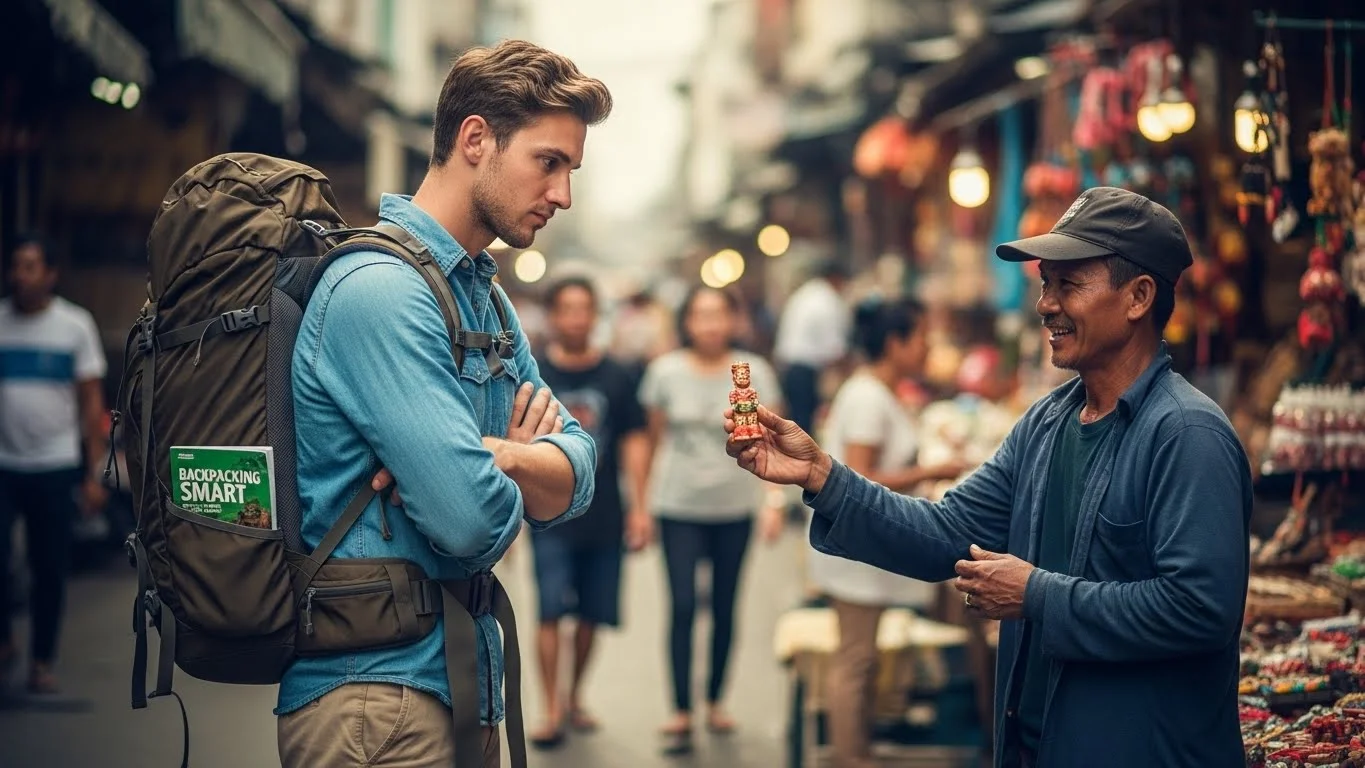
Street vendors can offer some of the best local food and souvenirs, but they can also be a source of deception. I’ve encountered vendors who switch items or inflate prices when they see me as a tourist. I learned to ask for prices upfront and to be cautious when accepting unsolicited help from strangers. Trust me, it’s better to be safe than sorry when it comes to street food and markets!
ATM and Credit Card Scams
Finally, ATM and credit card scams are rampant in tourist areas. Skimming devices can be placed on ATMs, capturing our card information. I remember using an ATM that looked a bit off, and luckily, I had a gut feeling to walk away. Now, I only use ATMs located inside banks and always cover my PIN when entering it. It’s a small precaution that can save us a lot of headaches.
As backpackers, our adventures are meant to be memorable and enriching. By staying aware of these common scams and learning from our experiences, we can make our travels safer and more enjoyable. I’ve certainly grown wiser with each trip, and I hope sharing my journey helps you navigate the exciting yet sometimes tricky world of backpacking!
How to Identify Potential Scams
Recognizing Red Flags
Identifying scams can sometimes feel like a daunting task, but I’ve learned to recognize certain red flags that signal trouble. For instance, if someone approaches you too aggressively, or if their offer seems way too good to be true, that’s a classic sign to be cautious. I remember walking through a bustling market when a vendor insisted I try their product without giving a clear price. My gut told me something was off, and I politely declined. Trusting my instincts helped me dodge what could have been an uncomfortable situation. It’s always best to be alert and use our intuition; if something feels wrong, it probably is.
Researching Destinations Before You Go
Before embarking on a trip, I always dive deep into researching my destination. This includes reading reviews, checking travel forums, and even connecting with fellow travelers who have been there. I find that familiarizing myself with common scams specific to the area really helps. For example, on my last trip to Southeast Asia, I came across a blog that highlighted popular scams in major cities. This knowledge kept me one step ahead. Knowing what to watch out for not only empowers us but also enhances our travel experience.
Using Trusted Resources and Apps
In our digital age, there are countless resources at our fingertips to help us stay safe while traveling. I’ve come to rely on certain apps and websites that provide real-time information about local scams and safety tips. For instance, apps like TripAdvisor and Google Maps not only help in navigating but also allow us to read recent reviews from other travelers. I once avoided a scammy tour company simply because I checked their ratings on an app before booking. It’s amazing how much a little foresight can save us from potential headaches!
Essential Safety Tips for Backpackers
Staying Aware of Your Surroundings
One of the most vital lessons I’ve learned is to always stay aware of my surroundings. I’ve been in crowded places where it’s easy to get distracted and lose focus. Keeping my belongings close and being aware of who’s around me has saved me from several close calls. I recommend taking a moment to step back and observe your environment, especially in busy markets or tourist hotspots. It’s a simple practice that can make a significant difference.
Travel Insurance: Why You Need It
Travel insurance has become a non-negotiable part of my travel planning. I can’t stress enough how important it is to have coverage, especially as backpackers who might find ourselves in unpredictable situations. I once had to use my travel insurance when my backpack was stolen. What a relief it was to know I had some financial protection! I always recommend reviewing policy details carefully to ensure it covers theft, cancellations, and any unexpected medical emergencies. It gives me peace of mind to know I’m covered no matter what happens.
Securing Your Belongings
Securing my belongings has become second nature to me while backpacking. I learned this the hard way after a close call with a pickpocket in a crowded square. Now, I use a combination of anti-theft bags and strategies like wearing my backpack on my front in crowded areas. I also invest in locks for my zippers to deter opportunistic thieves. Taking these precautions might seem excessive, but it’s better to be safe than sorry. Plus, it allows me to enjoy my travels without constantly worrying about my stuff!
Keeping Emergency Contacts Handy
Having emergency contacts easily accessible is something I now prioritize before every trip. I keep a list of important numbers in my phone, including local emergency services, my country’s embassy, and even a few trusted contacts back home. I remember feeling panicked during my first trip abroad when I got lost in a city without knowing who to call. Now, I make sure to have these contacts written down in addition to my phone, just in case I lose it. It’s a small effort that can provide a lot of comfort.
Best Practices to Dodge Scams
Using Cash Wisely
Managing my cash wisely while traveling has been crucial. I often find that using cash helps me avoid situations where my credit card details could be compromised. I try to use local currency as much as possible and only take out what I need for the day. I once encountered a scammer who tried to distract me while their accomplice slipped into my bag, but luckily, I had only a small amount of cash on me. It’s a good strategy to keep larger amounts secured in a safe place and only carry what I’ll need for the day.
Communicating Clearly with Locals
Clear communication with locals has not only enhanced my travel experiences but also helped me avoid scams. I’ve found that asking straightforward questions can clarify prices, services, and anything else I might be unsure of. During a recent trip, I asked a local restaurant owner about their menu, and they were more than happy to help me navigate through it. Plus, engaging with locals often leads to genuine recommendations and insights that make my travel experience richer.
Booking Accommodations and Tours in Advance
Booking accommodations and tours in advance is another practice I’ve adopted. It might seem daunting, but it’s worth it to avoid scams later on. I remember my first backpacking trip when I arrived in a city without a reservation and ended up in a questionable hostel. Now, I always read reviews and book through trusted platforms. This not only ensures I have a place to stay but also offers peace of mind knowing I’m staying somewhere vetted by others.
Trusting Your Instincts
Finally, trusting my instincts has been my best ally while traveling. If something feels off, I’ve learned to listen to that inner voice. I once felt uneasy during a tour that seemed too rushed and chaotic, and I decided to leave. In hindsight, it was the right choice. I feel that we all have that gut feeling for a reason, and it’s essential to pay attention to it. Our safety comes first, and it’s perfectly okay to walk away from a situation that doesn’t feel right.
Resources for Backpackers
Online Communities and Forums
One of the best resources I’ve found while backpacking is connecting with online communities and forums. Platforms like Reddit, Facebook groups, and travel-specific forums have been invaluable for gathering firsthand information from fellow travelers. I remember joining a Facebook group dedicated to backpacking in Southeast Asia. The tips and warnings shared by other members helped me avoid scams and made my trip much smoother. These communities often discuss current scams, safety tips, and hidden gems that can enhance our journey. Plus, it’s always comforting to know we’re not alone out there; we can share experiences and support each other!
Travel Blogs and Vlogs
Travel blogs and vlogs have also played a significant role in my planning process. I love watching travel vloggers who share their adventures and provide updates on scams they’ve encountered. One particular vlogger I follow shared a story about getting scammed by an unlicensed taxi service in a popular tourist spot. Their experience opened my eyes to the importance of using legitimate transportation options. Blogs often contain detailed accounts and practical tips, including local insights that guide us away from potential pitfalls. I frequently find myself bookmarking posts that outline common scams and how to avoid them, making my travel prep much more efficient.
Mobile Apps for Safety
In our tech-savvy world, mobile apps are essential for staying safe on our travels. I’ve downloaded several apps that keep me informed about local safety issues and scams. For instance, apps like Safety Map and Sitata provide real-time alerts about unsafe areas or known scams in specific locations. I once used a safety app while exploring a new city, and it directed me away from a neighborhood that had recently been flagged for pickpocketing incidents. Having this information at my fingertips has been a game-changer and allows me to feel more secure as I navigate unfamiliar territory.
Case Studies: Real-Life Scam Experiences
Stories from Fellow Backpackers
Hearing stories from fellow backpackers can be both eye-opening and educational. I remember chatting with a traveler at a hostel who had just returned from a trip to South America. She recounted an experience where she was approached by someone claiming to be a police officer, who then demanded to see her passport and wallet. Fortunately, she had done her research and recognized that legitimate officers don’t typically ask for money or personal items. Her quick thinking saved her from a potentially dangerous situation. Stories like hers remind me of the importance of vigilance and staying informed about local customs and scams.
Lessons Learned from Travel Scam Incidents
Every scam story I hear often comes with valuable lessons. I once met a couple who had fallen for a common hotel scam where they were offered a “special rate” that turned out to be significantly higher than what they could have booked online. Their experience taught me to always double-check prices on reputable booking platforms, even when approached directly. They emphasized the importance of patience and doing a bit of homework before making any financial commitments. These lessons from others can help shape our own travel strategies and prevent us from making similar mistakes.
Final Thoughts
As backpackers, we embark on journeys filled with excitement, adventure, and discovery. But the reality is, we also need to be prepared to face some challenges along the way, including the risk of scams. Throughout my travel experiences, I’ve come to realize that staying informed and cautious is just as important as the joy of exploring new places. I often think about my own journey and the lessons I’ve learned, and I want to share that wisdom with others.
Traveling smart means understanding the landscape of potential scams and adopting strategies to protect ourselves. For instance, I’ve made it a habit to always have a backup plan. Whether it’s knowing where the nearest bank is, having a list of emergency contacts, or keeping an extra copy of my important documents, these little precautions have proven invaluable during my travels. I remember a time when my wallet was stolen while I was exploring a bustling market. Thankfully, I had kept a separate stash of cash hidden and had my cards safely locked away. It’s those moments that highlight just how important it is to be prepared.
I’ve also found that striking up conversations with locals can be a game-changer. Not only do they provide insights into the culture and must-see spots, but they can also offer crucial information about common scams in the area. I once met a friendly local who warned me about a taxi service that charged tourists triple the normal fare. That simple conversation saved me from a frustrating and costly experience. Engaging with the community can open doors to richer experiences and safer travels.
As we prepare for our adventures, let’s not forget the importance of trusting our instincts. There have been times when I’ve felt uneasy about a situation, be it a mysterious offer or a suspicious-looking person. Listening to that gut feeling has kept me safe more times than I can count. It’s a reminder that we hold the power to steer our journeys, and sometimes that means saying no to something that doesn’t feel right.
Ultimately, traveling is about creating memories and connecting with the world around us. By arming ourselves with knowledge and staying vigilant, we can minimize the risks and maximize the joy of our adventures. I firmly believe that the more we learn from each other by sharing experiences, the safer we all become as travelers. So, let’s keep the conversation going, share our stories, and support one another on this incredible journey we call backpacking. Safe travels, everyone!
Frequently Asked Questions
What are travel scams?
Travel scams are deceptive schemes designed to trick travelers into losing money, personal information, or both. They can take many forms, including fake tour guides and street vendors offering unrealistic deals.
Why are backpackers targeted by scams?
Backpackers are often traveling on a budget, making them more susceptible to offers that seem like great deals. Additionally, they usually carry their belongings with them, making them potential victims for pickpockets and thieves.
What types of travel scams should I be aware of?
Common travel scams include fake tour guides, currency exchange scams, accommodation scams, transportation scams, street vendor scams, and ATM and credit card scams.
How can I identify potential scams?
Recognizing red flags, such as aggressive approaches or offers that seem too good to be true, is crucial. Researching your destination and using trusted resources and apps can also help you identify potential scams.
What precautions should I take regarding my belongings while backpacking?
Securing your belongings is essential. Use anti-theft bags, wear your backpack in front in crowded areas, and invest in locks for your zippers to deter thieves.
Why is travel insurance important for backpackers?
Travel insurance provides financial protection in unpredictable situations, such as theft or cancellations. It gives peace of mind knowing you are covered for unexpected events during your travels.
How can I manage my cash wisely while traveling?
Using cash helps avoid situations where credit card details could be compromised. Carry only what you need for the day and keep larger amounts securely stored away.
What are some best practices to avoid scams when booking accommodations?
Booking accommodations in advance through trusted platforms and reading multiple reviews can help avoid scams. Always double-check prices to ensure you’re getting a fair deal.
How can communication with locals enhance my travel experience?
Clear communication with locals can clarify prices and services, helping you avoid scams. Engaging with them often leads to genuine recommendations and valuable local insights.
What role do online communities and travel blogs play in avoiding scams?
Online communities and travel blogs provide firsthand information and updates on scams encountered by fellow travelers. They can offer tips and warnings that help you navigate your journey more safely.