
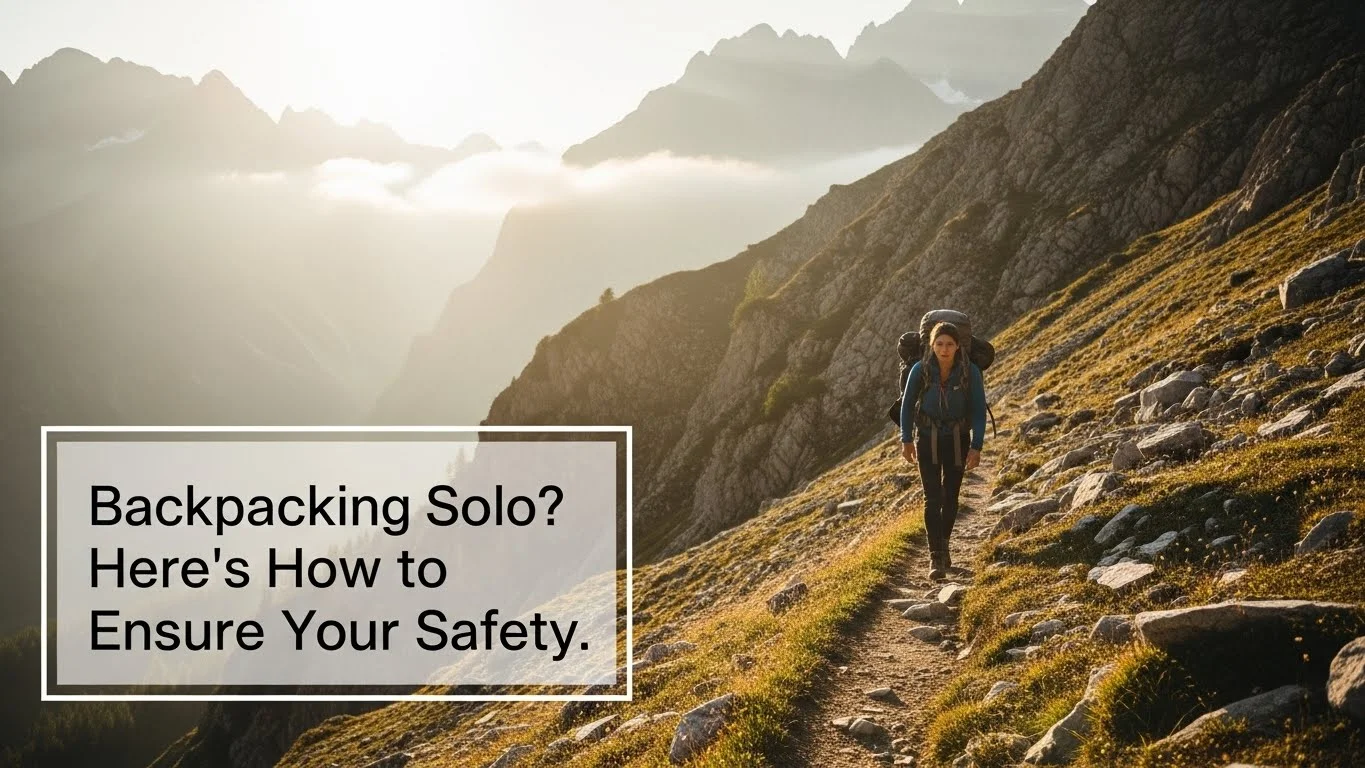
Backpacking solo can be one of the most liberating experiences of your life. However, ensuring your safety while exploring new places is crucial. Let’s dive into how you can enjoy your adventure without compromising your well-being. Read Interesting article: Top Safety Strategies for Budget Solo Travelers
Understanding Solo Backpacking
What is Solo Backpacking?
When I think of solo backpacking, I picture the freedom of wandering through lush forests, bustling markets, and serene beaches, all by myself. It’s not just about the places I visit; it’s about the journey, the self-discovery, and the thrill of navigating the world solo. Solo backpacking means taking a trip where you are your own guide, making choices based on your interests and desires. This way of traveling allows for a unique perspective on both the destinations and myself. I get to connect deeply with the places I visit, often more than I would in a group. Each moment becomes a personal adventure, filled with the excitement of the unknown.
Benefits of Solo Backpacking
One of the greatest benefits I’ve experienced while backpacking alone is the flexibility it offers. You get to decide where to go, what to see, and how long to stay—all without having to compromise with others. I’ve found that this freedom often leads to unexpected discoveries, whether it’s a hidden café or a breathtaking view that wasn’t on my itinerary. Furthermore, solo backpacking helps build confidence. When I navigate new cities or overcome challenges alone, I learn to trust myself and my instincts. It’s empowering to know that I can handle whatever comes my way.
Another aspect I cherish is the opportunity to meet new people. When I travel solo, I tend to be more open to conversations with locals and fellow travelers. I remember my last trip when I struck up a chat with a barista in a small café; her recommendations led me to some of the most amazing experiences in the city. There’s a certain magic to forging connections while on your own, and those moments often become the highlights of my travels.
Common Misconceptions About Solo Travel
Despite all the wonderful aspects of solo backpacking, I’ve noticed some common misconceptions that can deter people from embarking on their own adventures. One of the biggest myths is that solo travel is lonely. I used to think that if I traveled alone, I would miss out on the companionship and fun of sharing experiences. However, I quickly realized that solitude can be incredibly enriching. It’s a chance to enjoy your own company and reflect on your thoughts. In fact, I often find my most profound moments of joy when I’m alone with nature or exploring a new culture.
Another misconception is that solo travelers are more likely to face danger. While it’s true that safety is a consideration, I believe with proper preparation and awareness, anyone can travel safely alone. I’ve learned to trust my instincts, stay alert, and make wise choices about where I go and when. It’s all about striking a balance between being adventurous and being cautious. Read Interesting article: How to Stay Safe While Solo Backpacking on a Budget
Some people also think that solo backpacking requires a lot of money. In my experience, it’s quite the opposite! Traveling alone allows for more flexibility in budgeting. I’ve found great deals on accommodations and can choose to eat at local joints instead of more expensive tourist traps. It’s about making choices that fit my budget while still experiencing the rich tapestry of cultures out there.
In essence, solo backpacking is a journey of self-discovery, connection, and empowerment. It’s about embracing the world around us and the person we are at that moment. Whether you’re considering your first solo trip or you’re a seasoned traveler, understanding these aspects is key to making the most of your adventure.
Essential Safety Tips for Solo Backpackers
Research Your Destination
Before I embark on a solo backpacking trip, I make it a point to dive deep into research about my destination. Knowing the local customs, popular tourist spots, and potential risks can make a huge difference in how safe I feel. I’ve learned that reading travel blogs, watching vlogs, and checking out forums gives me a well-rounded view of what to expect. For instance, one time I discovered through a travel blog that a certain area I planned to visit was known for pickpocketing during peak tourist season. That information helped me adjust my plans and stay vigilant. I also look into local laws; understanding what’s acceptable behavior can help me avoid unintentional faux pas that might put me in a tricky situation.
Stay Aware of Your Surroundings
Staying aware of my surroundings is something I prioritize while traveling solo. I remember one evening while exploring a new city, I felt a bit disoriented. Instead of panicking, I took a moment to assess my environment. I noticed how the streets were becoming quieter and how the lighting was dimming in some areas. This awareness prompted me to change my route and head back toward the more populated areas. It’s all about trusting my instincts and being mindful of my surroundings. I also try to keep my valuables close and avoid distractions like excessive phone use when I’m out and about.
Emergency Contacts and Local Assistance
Having a list of emergency contacts is crucial for me when I’m traveling alone. I make sure to note down local emergency numbers, like the police, ambulance, and even my country’s embassy or consulate. On one trip, my phone battery died unexpectedly, and I was grateful I had a printed list with me. Additionally, I often take the time to familiarize myself with local hospitals or clinics in case of any health issues. It feels empowering to know I have a plan in place, and it eases my mind as I venture out.
Using Technology for Safety
Technology can be a great ally for solo backpackers. I’ve found several apps that help me stay safe while traveling alone. For instance, I use maps on my phone to navigate, but I also make sure to download offline maps in case I lose signal. Moreover, I’ve started using safety apps that allow friends or family to track my location in real-time. Knowing that someone back home can see where I am gives me an extra layer of security. I also take advantage of communication apps that let me stay in touch without relying on expensive international phone plans. It’s these little tech-savvy choices that can make solo traveling feel a lot safer.
Choosing Safe Destinations
Top Solo Travel-Friendly Countries
When it comes to choosing destinations for solo backpacking, I’ve found that some countries are particularly welcoming to solo travelers. For example, countries like Japan and New Zealand are often praised for their safety and hospitality. I remember wandering through the beautiful streets of Kyoto, feeling completely at ease, knowing that the culture embraced travelers like me. Similarly, in New Zealand, the locals are incredibly friendly, and I felt comfortable exploring both urban and rural areas solo. Other countries like Costa Rica and Iceland also top the list for their low crime rates and stunning scenic beauty, making them perfect for solo adventures.
Avoiding Dangerous Areas
While it’s essential to know the good spots, I’ve learned it’s equally important to be aware of areas to avoid. Every destination has neighborhoods that might not be safe for solo travelers, especially after dark. I often check travel safety websites and forums for the latest advice on places to steer clear of. On one trip, a fellow traveler warned me about a certain district known for high crime rates. That information kept me safe and allowed me to enjoy my trip without unnecessary worry. I also ask locals or my accommodation staff for their insights; they often have the best advice on which areas are safe and which are best avoided.
Understanding Local Laws and Customs
Understanding local laws and customs has saved me from potentially embarrassing situations on my travels. Each country has its own set of rules, and what might be acceptable in one place could be frowned upon in another. For example, I learned the hard way that in some countries, certain gestures or dress codes are taken very seriously. By doing my homework, I’ve avoided misunderstandings and have been able to show respect for the local culture. This not only keeps me safer but also enhances my travel experience, allowing me to connect more deeply with the people and places I visit.
Packing for Safety
Choosing the Right Backpack
Packing for a solo backpacking trip starts with selecting the right backpack. I’ve learned that a good backpack can make all the difference in comfort and accessibility. When I choose my backpack, I look for one that fits well and allows me to carry everything I need without feeling overly bulky. For me, a backpack with adjustable straps and a hip belt helps distribute the weight evenly, making it easier to navigate through crowded streets or rugged terrain.
Size is another crucial factor. I usually opt for a 50 to 70-liter pack, which offers enough room for essentials without being cumbersome. I also appreciate compartments that help me stay organized. Having a separate pocket for my valuables and a hydration sleeve makes accessing what I need on the go much easier. Over the years, I’ve realized that the right backpack isn’t just about style; it’s about functionality and how it contributes to my overall backpacking experience.
Essential Safety Gear
When I pack for safety, I always consider what essential gear I might need. A reliable first aid kit is at the top of my list. I’ve had my share of minor scrapes and bruises while traveling, and having basic supplies like band-aids, antiseptic wipes, and pain relievers has been a lifesaver. I also include any personal medications I might need, just to be on the safe side.
In addition to a first aid kit, I recommend carrying a whistle and a portable phone charger. The whistle can be a great tool for signaling for help if I ever find myself in a tricky situation, while the charger ensures my devices stay powered for navigation and emergency contacts. A multi-tool is also handy; I once used mine to fix a broken strap on my backpack, which saved me a lot of hassle. These little items can provide peace of mind, knowing I’m prepared for unexpected situations.
Travel Insurance: Why It’s Important
Travel insurance might seem like an extra expense, but I’ve learned it’s one of the smartest investments a solo traveler can make. I always purchase travel insurance before embarking on any trip. It covers unexpected events like trip cancellations, lost luggage, or even medical emergencies. I remember a trip where my flight got canceled due to bad weather, and my insurance helped cover the costs associated with rebooking. It gave me much-needed peace of mind, knowing I wouldn’t face financial strain on top of the stress of travel disruptions. Read Interesting article: Essential Solo Travel Safety Tips for Budget Backpackers
When selecting a travel insurance policy, I look for coverage that includes medical emergencies and personal liability. Additionally, I ensure the policy covers activities I plan to do, like hiking or biking. Knowing that I have that safety net makes me feel more secure as I explore new places. In my experience, being prepared with travel insurance lets me focus on enjoying my adventure instead of worrying about what might go wrong.
Accommodation Safety
Types of Accommodations: Pros and Cons
Choosing the right accommodation is another vital aspect of solo travel safety. I’ve stayed in a variety of places, from hostels to hotels, and each has its pros and cons. Hostels are a favorite of mine because they offer a chance to meet other travelers and often have a lively atmosphere. However, I’ve also encountered shared rooms where my belongings felt vulnerable. I’ve learned to use a lock for my pack and keep valuable items in a secure locker whenever possible.
Hotels, on the other hand, provide more privacy and security, but they can be pricier. I find that mid-range hotels often strike a good balance between cost and safety. They usually have better security systems in place, like keycard access to rooms and front desk staff to assist travelers. In some cases, I’ve even found boutique hotels that have a unique charm and make me feel connected to the local culture, which is a nice bonus.
How to Choose Safe Hostels
When I’m looking for a safe hostel, I pay attention to their reviews and ratings online. I prefer reading recent feedback from other solo travelers, as it gives me a clearer picture of the hostel’s atmosphere and safety measures. During one trip, I chose a hostel based on its glowing reviews, and it turned out to be a fantastic choice. The staff was incredibly helpful, and the common areas were lively without feeling chaotic.
It’s also essential to look for hostels in safe neighborhoods. I often check maps to see how close the hostel is to public transportation and local attractions. A hostel that’s a bit farther from the main tourist spots but situated in a safer area is often a better option. Additionally, I always inquire about their security policies, such as 24-hour reception and access to lockers. Knowing that my belongings are secure allows me to relax and enjoy my travels.
Staying in Touch with Friends and Family
Staying connected with loved ones while traveling solo is something I prioritize. I always share my itinerary with family or friends before I leave. It’s comforting for them to know where I’ll be, and it gives me a sense of security knowing they’re aware of my plans. I also set a regular check-in schedule using messaging apps or social media. Whether it’s a quick message or a call, those moments of connection help me feel less isolated.
In case of any emergencies, I make sure my family has copies of important information like my passport and travel insurance policy. I’ve found that having this information easily accessible can be a lifesaver if anything goes wrong. Plus, it reassures my loved ones that I’m being responsible. Being proactive about communication makes solo travel feel a lot less daunting.
Transportation Safety Tips
Public Transport vs. Private Transport
When I travel solo, I often find myself contemplating the best way to get around. Public transport can be a fantastic way to immerse myself in the local culture, but it also comes with its own set of challenges. I’ve taken buses and trains in various countries, and I’ve learned to keep my belongings secure while navigating crowded spaces. One tip I follow is to keep my daypack in front of me, especially in crowded situations. This way, I have a better grip on my belongings, and I feel a lot safer.
On the flip side, private transport options like taxis or rideshares can be more comfortable. However, I always make sure to book rides through reputable apps or established companies. I remember one time in a new city when I was uncertain about the local taxi scene. I opted for a rideshare service instead, and it made my journey much easier. Using these services gives me peace of mind as I can track my route and share my ride details with someone back home.
Using Rideshare Apps Safely
Rideshare apps have become a favorite tool of mine while traveling alone. However, I’ve learned that it’s essential to be cautious. I always double-check the car’s license plate and the driver’s name before getting in. There was a moment during one trip when I was waiting for my ride, and I noticed someone approaching who didn’t match the details in the app. I trusted my instincts and decided to wait for the right driver, which turned out to be the smartest choice. Keeping my phone handy to track the route also helps me feel more in control during the ride.
Walking Solo: Best Practices
Walking through new cities can be one of the most enjoyable aspects of solo travel, but it’s important to stay smart about it. I’ve found that sticking to well-lit and populated areas, especially at night, is crucial for my safety. I remember wandering through a beautiful cityscape one evening, and I made sure to stay within the busier streets, even if it took a little longer to reach my destination. Carrying a map or having my phone easily accessible for navigation is also something I prioritize. Being aware of my surroundings while walking gives me a sense of empowerment and keeps me alert.
Cultural Sensitivity and Interaction
Understanding Local Etiquette
One of the joys of solo backpacking is the chance to connect with different cultures. However, I’ve learned that understanding local etiquette goes a long way in ensuring respectful interactions. For instance, I remember visiting a country where greetings were formal and required a bow. I took the time to learn about these customs, and it not only helped me fit in but also made my interactions with locals much warmer. Being respectful of traditions can open more doors and create lasting memories during my travels.
How to Approach Locals Safely
Engaging with locals is often the highlight of my trips, but I always approach these interactions with an open mind and a cautious attitude. I’ve found that starting with simple greetings and smiles works wonders. While exploring a market, I struck up a conversation with a vendor who shared stories about their craft. I felt comfortable because I was in a public space, and their friendly demeanor made it easy to connect. If I feel uncertain about a situation, I trust my instincts. If a conversation feels off, it’s perfectly okay to walk away politely.
Building a Support Network While Traveling
While solo travel can feel isolating at times, I’ve discovered the importance of building a support network. I often reach out to fellow travelers I meet at hostels or cafes. Sharing experiences and tips helps me feel less alone. I remember during one trip, I met a group of solo travelers, and we formed an instant bond. We exchanged contact information and even planned to meet up in another city later on. This sense of community is invaluable, and it reassures me that even when I’m on my own, I’m not really alone.
Health and Wellness Precautions
Staying Healthy While Traveling
Health is a priority for me while I’m on the road. I’ve found that taking small steps can make a huge difference. I always carry a reusable water bottle to stay hydrated and refill it at safe drinking sources. I’ve learned the hard way that staying healthy also involves being mindful of the food I eat. I try local dishes but also pay attention to how they’re prepared. If something looks questionable, I’ve learned it’s better to play it safe and skip it.
Staying Hydrated and Eating Safely
Staying hydrated is crucial, especially when I’m trekking or exploring under the sun. I remember a hot day in a foreign city when I neglected to drink water. I ended up feeling dizzy and had to take a break. Now, I set reminders to drink water throughout the day. As for food, I opt for places where I see a lot of locals eating. It’s often a sign of good quality and freshness. Plus, trying street food has led me to some of the most delicious meals!
Dealing with Illness or Injury Abroad
Illness or injury is something I always hope to avoid, but I know it’s wise to be prepared. I carry a small first-aid kit that includes basic medications for common ailments. One time, I caught a cold while traveling, and having my go-to remedies made the situation bearable. I also research local healthcare options before arriving. Knowing where I can find a doctor or pharmacy gives me peace of mind and allows me to focus on enjoying my trip without unnecessary worries.
Self-Defense Strategies for Solo Travelers
Basic Self-Defense Techniques
While I don’t like to think about worst-case scenarios, I believe it’s essential to have some self-defense knowledge. I took a self-defense class before one of my trips, and it was eye-opening. Learning basic techniques gave me confidence in my ability to protect myself if needed. Even simple moves, like how to break free from a grip, can be incredibly empowering. I recommend finding a class in your area; it’s a practical skill that can benefit anyone, especially solo travelers.
Recognizing and Avoiding Potential Threats
I’ve learned to trust my instincts when it comes to recognizing potential threats. There have been moments when I sensed something was off in a situation, and I chose to walk away. I pay attention to body language and the vibe of the environment. If I feel uncomfortable, I don’t hesitate to remove myself. It’s all about being aware and proactive, which has kept me safe on numerous occasions.
When to Seek Help
Seeking help is never a sign of weakness; I’ve learned it’s often a smart decision. If I ever feel unsafe or find myself in a situation where I need assistance, I don’t hesitate to approach local authorities or trusted establishments like hotels. I remember getting lost in a city once and asking a police officer for directions. They were friendly and even offered me additional tips on safe areas to explore. It reinforced my belief that seeking help is not only okay but can sometimes lead to positive experiences.
Resources for Solo Backpackers
Online Communities and Forums
Online communities have been a lifeline for me as a solo backpacker. I’ve joined several forums where travelers share tips, stories, and advice. These platforms allow me to connect with others who understand the unique challenges and joys of solo travel. I often find inspiration for my next adventure or receive valuable information about my upcoming destination.
Books and Guides on Solo Travel
I love reading books and guides dedicated to solo travel. They offer practical advice and personal stories that resonate with my experiences. One book that stood out to me was “Wild” by Cheryl Strayed, which inspired me to push my limits. These resources often highlight the emotional journey of solo traveling, reminding me that I’m not alone in my feelings.
Mobile Apps for Backpackers
There are so many mobile apps that have made my travels easier. I rely on apps for navigation, translation, and even finding local events. One app I particularly enjoy is Couchsurfing, which connects travelers with locals willing to host. It has allowed me to meet incredible people and experience destinations from a local perspective. Technology can enhance our solo adventures and provide a safety net when we need it.
Final Thoughts
Solo backpacking is a powerful journey that can transform the way we see the world and ourselves. Through my experiences, I’ve discovered that with the right preparation, awareness, and open-mindedness, we can navigate new places safely and joyfully. I encourage anyone considering solo travel to embrace the adventure. Each trip becomes a chapter in our story, filled with lessons, friendships, and unforgettable memories. So, pack your bag, trust your instincts, and let the spirit of exploration guide you on this remarkable journey!
Frequently Asked Questions
What is solo backpacking?
Solo backpacking is a way of traveling where you are your own guide, making choices based on your interests and desires. It allows for self-discovery and a unique perspective on the destinations you visit.
What are the benefits of solo backpacking?
Benefits include flexibility in deciding where to go and what to see, building confidence by navigating new cities alone, and the opportunity to meet new people and forge connections with locals and fellow travelers.
Is solo travel lonely?
No, solo travel does not have to be lonely. It can be enriching, allowing for personal reflection and joy in solitude. Many solo travelers find profound moments of happiness while exploring new cultures or being in nature.
How can solo travelers stay safe?
Solo travelers can stay safe by researching their destination, being aware of their surroundings, having a list of emergency contacts, and using technology like safety apps to share their location with friends or family.
What are some safe destinations for solo backpackers?
Countries like Japan, New Zealand, Costa Rica, and Iceland are often praised for their safety and hospitality, making them ideal for solo adventures.
What should I include in my packing for safety?
Essential safety gear should include a first aid kit, a whistle, a portable phone charger, and a multi-tool. These items can help in emergencies and ensure you are prepared for unexpected situations.
Why is travel insurance important for solo travelers?
Travel insurance is important because it covers unexpected events such as trip cancellations, lost luggage, or medical emergencies, providing peace of mind while traveling alone.
How can I choose a safe hostel while traveling solo?
To choose a safe hostel, look for recent reviews from solo travelers, check the hostel’s location in a safe neighborhood, and inquire about their security measures like 24-hour reception and access to lockers.
What should I do if I feel unsafe while traveling?
If you feel unsafe, trust your instincts and remove yourself from the situation. You can seek help from local authorities or trusted establishments like hotels.
How can I stay connected with friends and family while traveling solo?
Staying connected involves sharing your itinerary with loved ones, setting a regular check-in schedule using messaging apps, and ensuring they have copies of important information like your passport and travel insurance policy.