
Backpacking in South Africa is a thrilling adventure filled with diverse landscapes, vibrant cultures, and unforgettable experiences—all on a budget! Let’s explore what makes this destination a backpacker’s paradise. Read Interesting article: Explore South Africa: Your Ultimate Budget Travel Guide
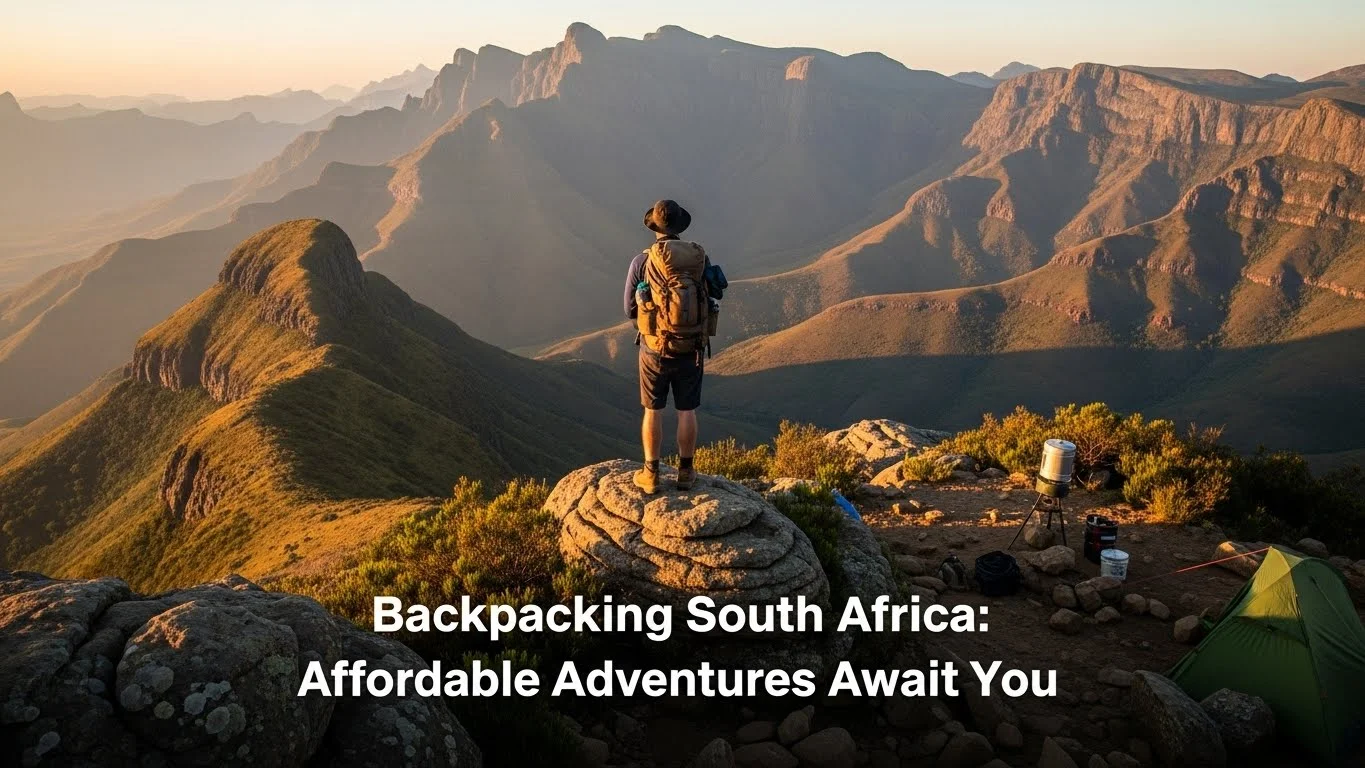
Overview of Backpacking in South Africa
The Allure of South Africa for Backpackers
When I think about backpacking, South Africa instantly comes to mind. The country offers an incredible mix of natural beauty, rich history, and warm hospitality that draws travelers from all over the globe. From breathtaking coastal views to the iconic wildlife of Kruger National Park, I felt as if every corner I turned revealed something new and exciting. The diverse landscapes—ranging from sunny beaches to rugged mountains—made it easy to find my own little piece of paradise. Plus, the affordability of traveling here makes it even more attractive for those of us looking to stretch our travel dollars.
Types of Backpacking Experiences Available
One of the things I loved most about backpacking in South Africa was the variety of experiences available. Whether you’re into adventure sports, cultural explorations, or simply soaking up the sun, there’s something for everyone. I remember meeting fellow backpackers who were diving with sharks, while others were hiking the famous Otter Trail along the Garden Route. We shared stories around the campfire, each with our unique adventures. From urban exploration in Johannesburg to serene hikes in the Drakensberg mountains, the options seemed endless. I found that I could easily create a unique and fulfilling itinerary tailored to my interests and budget. Read Interesting article: Backpacking Brazil: Essential Tips for Budget Travelers
When to Visit South Africa
Best Seasons for Backpacking
The timing of your visit can greatly influence your experience, and I quickly learned that South Africa has distinct seasons. I found that the best time to go is during the dry winter months from May to September. This period not only boasts pleasant weather, but it’s also the prime time for spotting wildlife, particularly in national parks. However, if you prefer warmer temperatures and blooming landscapes, visiting during spring (September to November) can also be magical. I remember hiking in the Cederberg mountains in spring, surrounded by wildflowers—it was simply stunning!
Weather Considerations by Region
South Africa’s weather varies significantly depending on where you are. If you’re exploring the coastal regions, like Cape Town, expect mild temperatures year-round. I remember sipping wine at outdoor cafés in the summer sun—what a treat! In contrast, the interior regions, such as Johannesburg and Pretoria, can get quite hot during summer. But no matter where you go, pack layers because evenings can get chilly, especially in the mountains. I also learned it’s wise to check the forecast for rain, particularly if you plan to hike or camp.
Festivals and Events to Experience
South Africa is a melting pot of cultures, and the festivals are a true reflection of this diversity. During my travels, I had the chance to experience the Cape Town International Jazz Festival—a vibrant celebration that brought together artists from all over the world. Attending local festivals is a fantastic way to immerse yourself in the culture, taste delicious food, and hear incredible music. There’s also the National Arts Festival in Grahamstown, which I’ve heard is a must-visit for any arts enthusiast. Planning your trip around these events can enhance your experience immensely!
Budgeting for Your Backpacking Trip
Average Costs for Accommodation
One of the biggest advantages of backpacking in South Africa is the affordability of accommodation. I found that hostels were plentiful, with dorm beds averaging around $10 to $20 per night. Many offer great amenities, including kitchens where I could whip up a meal to save money. I also discovered that camping is a popular option, with many campsites available in national parks at low rates. Just remember to book in advance, especially during peak season!
Food and Dining on a Budget
Eating on a budget doesn’t mean you have to compromise on taste. I loved trying local street food, which is both delicious and affordable. A bunny chow—hollowed-out bread filled with curry—was a delicious and satisfying meal I enjoyed for under $5. Many towns also host vibrant markets where you can sample a variety of dishes. And don’t forget about cooking for yourself! Shopping at local grocery stores can save a ton of money, allowing you to enjoy more adventures.
Transportation Options and Costs
Getting around South Africa can be done affordably with various transportation options. In cities, I found that using public transport, like the Gautrain in Johannesburg or MyCiTi buses in Cape Town, was efficient and budget-friendly. For longer journeys, I recommend checking out Greyhound or Baz Bus services, which cater specifically to backpackers. While renting a car can be pricier, it allows for more flexibility, especially if you want to explore the scenic Garden Route at your own pace.
Activities and Excursions Pricing
The variety of activities available in South Africa is staggering, and many are surprisingly affordable. I remember going on a self-guided hike in Table Mountain National Park, which was free and offered jaw-dropping views. On the other hand, guided tours, like safaris in Kruger National Park or wine tasting in Stellenbosch, can range from modest to expensive. I found that setting a budget for activities before my trip helped me prioritize what I wanted to do and kept my spending in check.
Where to Stay: Affordable Accommodation Options
Hostels and Budget Hotels
When it comes to finding a place to crash, hostels quickly became my go-to choice while backpacking in South Africa. They’re not just affordable; they’re a gateway to meeting fellow travelers. I remember checking into a hostel in Cape Town that had a vibrant communal area where people shared stories, tips, and even travel plans. Prices typically ranged from $10 to $25 per night, depending on the city and time of year. Many hostels also offer free Wi-Fi and kitchen facilities, which made it easy for me to prep my meals and save cash. Budget hotels are another option, often providing private rooms at reasonable rates. I found that booking through apps or websites focused on backpackers often yielded great deals!
Campsites and Backpacker Lodges
Campsites became one of my favorite places to stay when exploring the more rugged areas of South Africa. There’s something magical about falling asleep under the stars, and I loved waking up to the sound of birds chirping. Many national parks featured well-maintained campgrounds with basic amenities, and prices were usually around $5 to $15 per night. Backpacker lodges are another great option, particularly in popular areas like the Drakensberg. They often offer a more social atmosphere than traditional hotels, and I found it easy to make new friends while sharing a meal or planning the next day’s adventure.
Unique Stays: Homestays and Guesthouses
If you’re looking for something a little different, consider homestays or guesthouses. During my travels, I had the pleasure of staying with a local family in a small village near the Garden Route. It was a fantastic way to immerse myself in the culture and learn about daily life in South Africa. The experience was heartwarming, and I felt welcomed in a way that hotels or hostels couldn’t match. Prices for homestays can vary widely, but I found many options that were still affordable, often around $20 to $40 per night. Plus, the home-cooked meals were a delicious perk!
Top Backpacking Destinations in South Africa
Exploring Cape Town
Cape Town is often the highlight of many backpackers’ journeys, and for good reason. There’s so much to see and do! I spent an entire week just soaking up the vibrant atmosphere, and I still felt like I needed more time. The city is surrounded by stunning landscapes, from beaches to mountains, and there’s a mix of cultures that makes it unique.
Table Mountain
One of the first places I visited was Table Mountain. I decided to hike up, and let me tell you, the views from the top were worth every step! The trail was well-marked, making it accessible for most hikers. Once at the top, I sat there for hours just taking in the panoramic views of the city and coastline. It’s a popular spot, so I recommend starting early to avoid the crowds.
Cape of Good Hope
Another must-see is the Cape of Good Hope. I joined a day tour that took me through the beautiful landscapes of the Cape Peninsula. Standing at the southern tip of the Cape felt exhilarating, and the sight of the waves crashing against the cliffs was breathtaking. I also had the chance to visit the adorable African penguins at Boulders Beach—definitely a highlight of my trip!
Adventures in the Garden Route
The Garden Route is a gem for backpackers, with its picturesque landscapes and charming towns. I rented a bike in Knysna and rode along the coast, stopping at various viewpoints to snap photos. The fresh air and stunning scenery made it one of my favorite experiences.
Knysna and Plettenberg Bay
Knysna is known for its lagoon and forests, and I enjoyed a boat tour that allowed me to see the famous Knysna heads. Plettenberg Bay is another great stop, famous for its beautiful beaches and outdoor activities. I went whale watching there, which was an unforgettable experience! I felt so lucky to see these magnificent creatures up close.
Safari Experiences in Kruger National Park
No trip to South Africa would be complete without a safari, and Kruger National Park is the place to be. I opted for a budget-friendly camping safari, which allowed me to experience the wildlife without breaking the bank. Early morning and late afternoon game drives were my favorite times to see the animals.
Budget Safari Options
I discovered that there are many budget safari options available. Some companies offer shared tours, which can significantly reduce costs while still providing an amazing experience. I remember the thrill of spotting elephants, lions, and even a leopard during our drives. It’s like being in a real-life documentary!
Cultural Immersion in Johannesburg
Johannesburg might not be as popular as Cape Town, but it has its own unique charm. I spent a couple of days exploring the city’s rich history and vibrant culture. The Apartheid Museum was a must-visit, offering deep insights into South Africa’s past. It was a powerful experience that I believe everyone should have.
Visit Soweto and Apartheid Museum
A tour of Soweto was another highlight. I walked through the streets, learning about the struggles and triumphs of the people who lived there. The lively atmosphere, combined with the rich history, made it a memorable experience. Plus, I got to try local delicacies from street vendors, which was a delicious bonus!
Must-Do Activities for Backpackers
Hiking Trails and National Parks
Hiking in South Africa is an experience that I’ll never forget. The country is dotted with stunning national parks and trails that cater to all skill levels. One of my favorite hikes was the Amphitheatre in the Drakensberg Mountains. The breathtaking views at the top made every step worthwhile. I remember feeling a sense of accomplishment as I stood on the edge, looking out over the dramatic cliffs and valleys below. For those who enjoy a challenge, the Tugela Falls hike is a must-do; it’s one of the highest waterfalls in the world and the journey to get there is just as exhilarating.
Another memorable hike was in the Tsitsikamma National Park, where I explored the Otter Trail. This five-day hike offered lush forests, dramatic coastlines, and the opportunity to spot local wildlife. I met fellow travelers along the way, and we shared stories of our adventures while enjoying the beauty of nature. Hiking in these parks not only allowed me to connect with the stunning landscapes but also to bond with fellow backpackers over shared experiences.
Surfing and Water Sports
If you love the ocean like I do, South Africa is a surfer’s paradise. I tried my hand at surfing in Jeffrey’s Bay, known for its incredible waves. Surf rentals were affordable, and I took a lesson with a local instructor who was super patient. Paddling out into the waves was intimidating at first, but the thrill of catching my first wave was unforgettable! Even if surfing isn’t your thing, there are plenty of other water sports to enjoy, such as kayaking or snorkeling along the coast. I had an amazing time diving in Sodwana Bay, where the coral reefs are vibrant and teeming with marine life.
Cultural and Historical Tours
Exploring South Africa’s rich history and diverse cultures was one of the most rewarding aspects of my journey. I found that many cities offer affordable walking tours that highlight the local heritage. In Cape Town, I joined a tour that took us through the Bo-Kaap neighborhood, famous for its colorful houses and Cape Malay culture. The guide shared fascinating stories about the area’s history, which helped me appreciate the rich tapestry of cultures that make up South Africa.
I also visited Robben Island, where Nelson Mandela was imprisoned for many years. Touring the island and listening to the stories from former political prisoners gave me a deeper understanding of South Africa’s struggle for freedom. It was a powerful experience that I believe everyone should have when visiting.
Wine Tasting in the Cape Winelands
If you’re a wine lover, you absolutely must venture into the Cape Winelands. I decided to take a day trip to Stellenbosch, where I visited several vineyards. The landscapes were nothing short of magical, with rolling hills covered in grapevines. I joined a wine-tasting tour that included sampling some of the best local wines, and I found it to be both delightful and educational. The hosts were friendly and eager to share their knowledge about wine production. For me, sipping a glass of Shiraz while overlooking stunning mountains was a highlight of my trip.
Many wineries also have picnic facilities, so I packed a lunch and enjoyed it surrounded by vineyards, which felt like a scene from a movie. If you’re on a budget, consider renting a bike to explore the region; it’s a great way to enjoy the scenery and visit multiple wineries at your own pace.
Tasting Local Cuisine on a Budget
Popular South African Dishes to Try
One of my favorite parts of traveling is exploring the local cuisine, and South Africa is no exception. The country is a culinary melting pot, with influences from various cultures. I made it a point to try a variety of traditional dishes during my travels. One iconic dish I absolutely loved was bobotie, a spiced minced meat bake topped with egg custard. I remember savoring it at a cozy restaurant in Cape Town, where the flavors danced on my palate. Another must-try is biltong, a type of dried cured meat that’s perfect for snacking on during hikes.
Street Food and Local Markets
Street food in South Africa is not only delicious but also incredibly budget-friendly. I found that exploring local markets was the best way to sample different foods. At the Neighbourgoods Market in Cape Town, I enjoyed various treats—from gourmet sandwiches to mouthwatering pastries. One of my favorite street foods was koeksisters, a sweet, syrupy doughnut that was both sticky and utterly delightful. I remember treating myself to one after a long day of exploring, and it was such a satisfying reward!
Affordable Restaurants and Cafés
While street food is fantastic, I also discovered some hidden gems in the form of affordable restaurants and cafés. Many local eateries offer hearty meals without emptying your wallet. I loved visiting small family-run places where the staff greeted me with warm smiles and a sense of community. One memorable meal was at a little café in Port Elizabeth, where I enjoyed a plate of chakalaka—a spicy vegetable relish—served with pap (a cornmeal dish). It was not only filling but also a great way to connect with the local flavors. I recommend asking locals for their favorite spots, as they often lead you to the best-kept secrets.
Safety Tips for Backpackers in South Africa
Staying Safe in Urban Areas
Safety is something that I always keep in mind when traveling, and South Africa is no different. While it’s a beautiful country, I found that exercising caution, especially in urban areas like Johannesburg and Cape Town, is essential. I made it a habit to avoid walking alone at night and always kept my belongings secure. Using reputable transportation methods, such as licensed taxis or rideshare apps, helped me feel safer while exploring. I also stuck to well-lit areas and busy streets, which made a difference in my overall peace of mind.
Health Precautions and Vaccinations
Before my trip, I did a bit of research on health precautions and vaccinations. I made sure to get the recommended shots, including those for hepatitis A and typhoid, which helped me feel more secure while indulging in local cuisine. I also packed a basic first-aid kit for any minor injuries or ailments that might arise during my adventures. Staying hydrated and using sunscreen was a must, especially during my hikes!
Travel Insurance Recommendations
Travel insurance is an essential part of any trip for me, especially when backpacking in a foreign country. I opted for a plan that covered medical emergencies, trip cancellations, and theft. Knowing that I had support in case of unexpected events took a lot of stress off my shoulders. I recommend shopping around for different policies to find one that suits your needs and budget. It’s a small investment for the peace of mind it provides.
Transportation Tips for Backpackers
Public Transport Options
Getting around South Africa can be a breeze with the right knowledge. I found that public transport options, such as buses and trains, are quite affordable. In cities like Cape Town, I relied on the MyCiTi bus system, which was efficient and safe. I remember hopping on the bus to visit the V&A Waterfront, where I enjoyed stunning views of Table Mountain while keeping my travel costs low.
Renting a Car vs. Using Buses
While public transport is great, I also loved the freedom of renting a car for certain parts of my trip, especially along the Garden Route. Having my own wheels allowed me to explore at my own pace and discover hidden gems along the way. I found that rental prices were reasonable, and the scenic drives made the experience all the more enjoyable. However, if you prefer not to drive, using long-distance bus services like Baz Bus can be a fantastic option for backpackers.
Domestic Flights and Their Affordability
For longer distances, I discovered that domestic flights can be surprisingly affordable if booked in advance. I decided to take a flight from Cape Town to Durban, which saved me time and allowed me to maximize my adventures. I recommend keeping an eye on flight deals and considering budget airlines that often have promotions, making domestic travel more accessible.
Connecting with Other Backpackers
Online Platforms and Communities
One of the best parts of backpacking is connecting with other travelers. I found that social media groups and online platforms, such as Facebook and Couchsurfing, were fantastic for meeting fellow backpackers. I joined a community group before my trip, and it helped me find travel buddies and even plan meet-ups in various cities.
Hostel Events and Social Activities
Hostels are not only a place to sleep; they often organize events and social activities that facilitate meeting new people. I remember joining a pub crawl organized by my hostel in Cape Town, which was a fun way to explore the nightlife and make friends. Participating in group activities also made me feel more comfortable during my travels.
Volunteer and Work Exchange Opportunities
If you’re looking to immerse yourself more deeply into local culture and meet like-minded individuals, consider volunteer opportunities or work exchanges. I volunteered at a local wildlife rehabilitation center, which allowed me to give back while meeting other travelers who shared my passion for conservation. It was an unforgettable experience that enriched my journey and provided lasting friendships.
Final Thoughts
Backpacking in South Africa was a journey of a lifetime for me. The blend of breathtaking landscapes, rich culture, and warm-hearted people made every moment unforgettable. I encourage anyone considering this adventure to embrace the spirit of exploration and connect with the diverse experiences this beautiful country has to offer. Whether you’re hiking the majestic mountains, savoring local cuisine, or making new friends along the way, South Africa truly has something special for every backpacker. Read Interesting article: Mastering Communication Styles When Backpacking Abroad
Frequently Asked Questions
What makes South Africa a popular destination for backpackers?
South Africa is popular among backpackers due to its incredible mix of natural beauty, rich history, and warm hospitality. The diverse landscapes, from coastal views to iconic wildlife, combined with affordability, make it an attractive destination for budget travelers.
When is the best time to backpack in South Africa?
The best time to visit South Africa for backpacking is during the dry winter months from May to September, which offers pleasant weather and prime wildlife spotting opportunities. Spring (September to November) is also a great time due to warmer temperatures and blooming landscapes.
What are some budget accommodation options in South Africa?
Backpackers can find various affordable accommodation options, including hostels (average $10 to $25 per night), camping sites in national parks (around $5 to $15 per night), and budget hotels. Homestays and guesthouses are also available for those seeking cultural immersion.
How can I get around South Africa on a budget?
Backpackers can use public transport like buses and trains, which are affordable. In cities, options like the Gautrain in Johannesburg and MyCiTi buses in Cape Town are efficient. For longer journeys, Greyhound and Baz Bus services cater specifically to backpackers.
What are some must-try local dishes in South Africa?
Popular South African dishes include bobotie (a spiced minced meat bake), biltong (dried cured meat), and bunny chow (hollowed-out bread filled with curry). Street food and local markets are also great places to explore diverse culinary offerings.
What activities should backpackers not miss in South Africa?
Backpackers should not miss hiking trails like the Otter Trail and the Amphitheatre in the Drakensberg Mountains, surfing in Jeffrey’s Bay, visiting the Apartheid Museum in Johannesburg, and exploring the Cape Winelands for wine tasting.
How can I stay safe while backpacking in South Africa?
To stay safe, backpackers should exercise caution in urban areas, avoid walking alone at night, and use reputable transportation methods. Keeping belongings secure and sticking to well-lit areas can also enhance overall safety.
Are there any health precautions recommended for travelers to South Africa?
Travelers are advised to get recommended vaccinations, such as those for hepatitis A and typhoid, and to pack a basic first-aid kit. Staying hydrated and using sunscreen, especially during hikes, is also important.
What are some ways to connect with other backpackers in South Africa?
Backpackers can connect through online platforms like Facebook and Couchsurfing, join hostel events and social activities, or participate in volunteer and work exchange opportunities to meet like-minded individuals.
What are some budget-friendly options for safaris in Kruger National Park?
Budget-friendly safari options include shared tours that reduce costs while providing an amazing experience. Camping safaris are also a great way to experience wildlife without breaking the bank, allowing for memorable game drives at a lower price.