
Backpacking through history is like stepping into a living museum, where art and architecture tell stories of our past. Join me as I explore captivating destinations that blend beauty and culture, and discover how they can enrich our travel experiences. Read Interesting article: Explore Stunning Art and Architecture on a Budget Tour
Understanding the Connection Between Art and Architecture
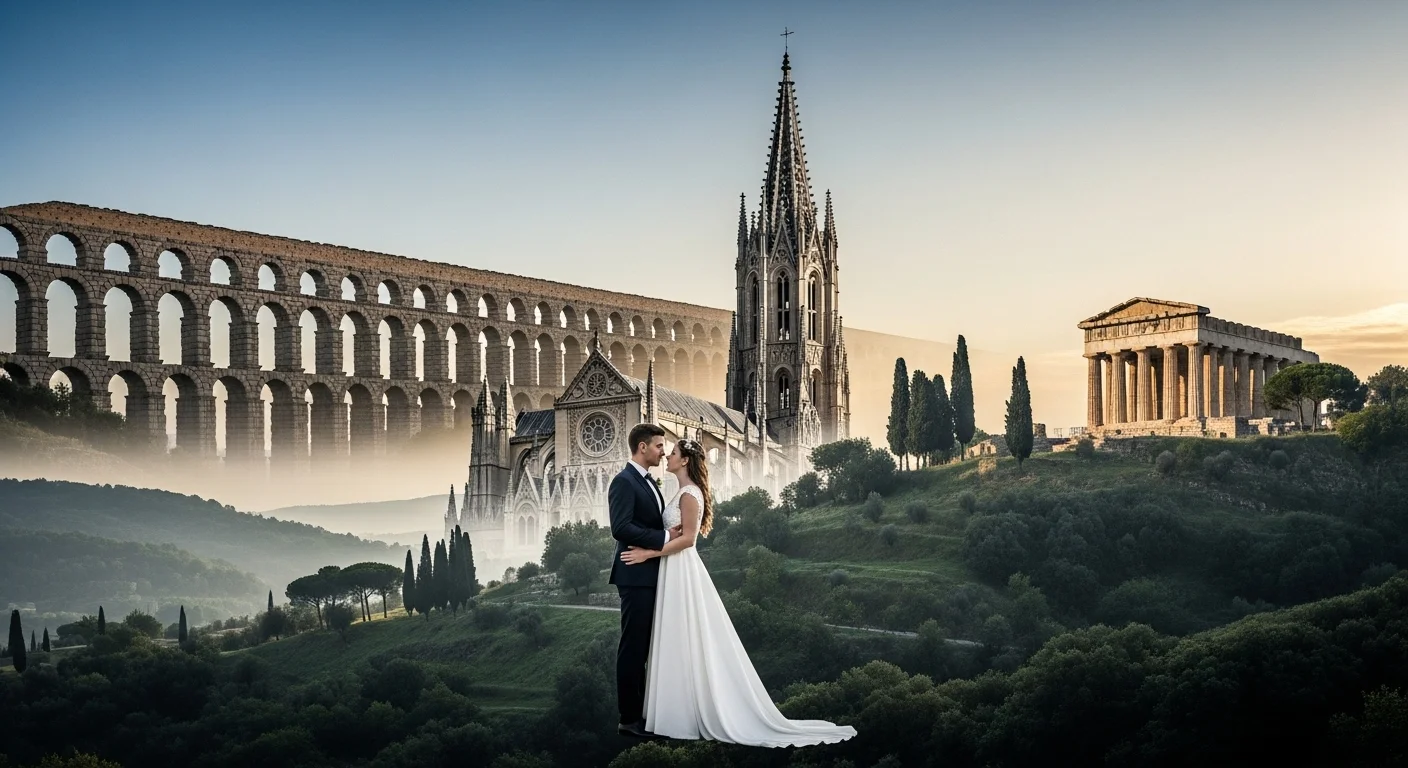
When I think about the bond between art and architecture, I realize they are two sides of the same coin. They shape our environments and influence how we perceive the world. Art is an expression of human creativity, while architecture serves a functional purpose, creating spaces where we live, work, and gather. This relationship creates an immersive experience that can transport us to different times and places when we visit remarkable sites.
Defining Art and Architecture
Art encompasses a wide range of creative expressions, from painting and sculpture to music and literature. In contrast, architecture focuses on the design and construction of buildings and structures. I’ve always found it fascinating how these two realms intersect. For example, a well-designed building isn’t just functional; it can also be a work of art. Think of the intricate details of a cathedral or the fluid lines of a modern skyscraper. They evoke emotions and provoke thought, much like a painting does. When I stand before a piece of art or architecture, I feel a connection to the artist or architect, as if they are communicating with me across the ages.
The Historical Context of Art Movements
As I’ve traveled, I’ve noticed that understanding the historical context of art movements enriches my experience. Each era reflects the values, beliefs, and innovations of its time. For instance, during the Renaissance, artists like Leonardo da Vinci and Michelangelo sought to capture human emotion and beauty, leading to breathtaking works like the Sistine Chapel ceiling. This period also saw advancements in architectural techniques, resulting in structures such as the Florence Cathedral, which features a stunning dome designed by Brunelleschi. Learning about these movements has allowed me to appreciate the layers of meaning behind what I see.
Architectural Styles Through the Ages
Architectural styles evolve with time, often influenced by cultural shifts and technological advancements. I’ve found it captivating to observe these changes during my travels. For example, the Gothic style, characterized by its pointed arches and flying buttresses, originated in 12th-century France and aimed to create awe-inspiring cathedrals that reached towards the heavens. In contrast, the Baroque style, which emerged later, emphasized drama and grandeur, as seen in the opulent designs of St. Peter’s Basilica in Vatican City.
As I walk through historical neighborhoods, I often stop to admire the details of buildings that represent different styles. The blend of different architectural influences within a single city tells a unique story about its past, revealing how art and architecture evolve together. I remember wandering the streets of Paris, where I could see the transition from Gothic to Renaissance styles in buildings like Notre-Dame Cathedral and the Louvre. Each structure stands as a testament to the era in which it was built, inviting us to reflect on the passage of time.
Another fascinating element is the use of materials. I’ve noticed how the choice of stone, brick, or wood can significantly impact a building’s character. For example, the earthy tones of adobe in Southwestern U.S. architecture contrast sharply with the sleek glass and steel of modern skyscrapers. This diversity in materials not only enhances the visual appeal but also connects us to the local environment and culture.
As I explored various cities, I discovered that some architectural styles even carry political or social significance. For example, the neoclassical architecture of government buildings often symbolizes democracy and civic virtue. I remember standing in front of the U.S. Capitol, feeling the weight of history and the ideals it represents. Understanding these layers of meaning has deepened my appreciation for the places I visit.
Ultimately, the connection between art and architecture enriches our travels, providing a glimpse into the cultures that shaped them. I’ve learned that every city has its own story to tell, woven through its artistic and architectural heritage. Whether it’s the vibrant murals of a neighborhood or the grandeur of a historic palace, these elements invite us to explore, reflect, and connect with the past. As I continue my journey through history, I’m excited to share the remarkable destinations where art and architecture come together in breathtaking harmony.
Essential Art and Architecture Destinations for Backpackers
Europe
Florence, Italy
Key Attractions: Uffizi Gallery, Florence Cathedral
When I think of Florence, I can’t help but feel a rush of excitement. It’s a city that feels like a living, breathing canvas. The Uffizi Gallery is a must-visit for anyone who appreciates fine art. Walking through its halls, surrounded by masterpieces of the Renaissance, I felt as if I were stepping into the minds of artists like Botticelli and da Vinci. Each piece tells a story, capturing a moment frozen in time. I remember standing in front of “The Birth of Venus,” feeling the beauty of the goddess springing from the sea. It was mesmerizing!
Then there’s the Florence Cathedral, with its striking dome designed by Brunelleschi. As I gazed up at its intricate façade, I couldn’t help but admire the boldness of its design and the engineering marvel that it represented. Climbing to the top of the dome provided a breathtaking view of the city, with terracotta rooftops stretching into the horizon. I felt a deep appreciation for the forward-thinking architects of the past who created such an iconic landmark.
Art and Architecture Insight: Renaissance Influence
The Renaissance period truly transformed Florence into a hub of creativity and innovation. I’ve learned that it wasn’t just about the art but also about how architecture reflected the humanistic ideals of the time. Buildings were designed to inspire, and I felt that spirit everywhere I turned. The city’s streets, lined with art and history, made me realize how art and architecture can elevate society as a whole. Read Interesting article: Heritage Tours: Affordable Destinations for Art Lovers
Barcelona, Spain
Key Attractions: Sagrada Familia, Park Güell
Barcelona is a city that pulsates with energy and creativity. The moment I set foot in La Sagrada Familia, I was in awe. Gaudí’s masterpiece is unlike any church I’ve ever seen. The towering spires and colorful stained glass create an ethereal atmosphere that is both spiritual and artistic. I remember spending hours wandering through its intricately designed interiors, feeling as if I were inside a living forest, where nature and architecture intertwine seamlessly.
Park Güell is another gem that showcases Gaudí’s distinctive style. As I strolled through the park, surrounded by colorful mosaics and whimsical sculptures, I felt like I was in a fairytale. The organic shapes and vibrant colors reflect the beauty of nature. I loved how this space invites people to relax and appreciate art in a communal setting, blending creativity with everyday life.
Art and Architecture Insight: Modernisme Movement
The Modernisme movement in Barcelona is a fascinating chapter in art history. I found it intriguing how this style sought to break away from traditional forms and embrace the new. Gaudí, along with other architects, used organic shapes and innovative materials to redefine what architecture could be. It’s a reminder that creativity knows no bounds, and it inspired me to think outside the box in my own life.
Paris, France
Key Attractions: Louvre Museum, Notre-Dame Cathedral
Paris has a way of captivating the heart, and its art and architecture are a big part of that charm. The Louvre Museum is an artistic treasure trove. I’ll never forget the thrill of seeing the Mona Lisa in person—her enigmatic smile is even more compelling up close! The vastness of the museum is overwhelming, and I found myself getting lost in the corridors, discovering works that have shaped art history. Each gallery feels like a new adventure waiting to be explored.
Notre-Dame Cathedral, though currently under restoration, still stands as a symbol of Gothic architecture. I remember wandering around its exterior, admiring the gargoyles and intricate carvings. The story of its construction and the resilience it has shown throughout history moved me deeply. It’s a testament to the craftsmanship and dedication of those who built it, and I felt grateful to witness such a magnificent work of art.
Art and Architecture Insight: Gothic and Classical Styles
Paris is a fascinating blend of Gothic and classical styles. I’ve learned how these architectural forms reflect the city’s rich history. The Gothic architecture of Notre-Dame, with its pointed arches and ribbed vaults, contrasts beautifully with the neoclassical elegance of the Palais Garnier. Each style tells a different story about the era it represents, and I find that exploring these contrasting influences adds depth to my understanding of the city. Read Interesting article: Budget-Friendly Historical Landmarks Around the World
Asia
Kyoto, Japan
Key Attractions: Kinkaku-ji, Fushimi Inari Taisha
Kyoto is a city steeped in history, and its traditional architecture is a true reflection of Japanese aesthetics. Kinkaku-ji, the Golden Pavilion, is a breathtaking sight surrounded by serene gardens. I remember sitting by the pond, watching the reflection of the temple shimmer in the water. It felt like a moment out of a painting, where nature and architecture harmonize perfectly.
Fushimi Inari Taisha, with its thousands of torii gates, offers a different kind of experience. Walking through the vibrant red gates, each one dedicated to a deity, filled me with a sense of spirituality and connection to the past. It’s a reminder of how architecture can serve not only as a physical space but also as a pathway to culture and tradition.
Art and Architecture Insight: Traditional Japanese Aesthetics
The simplicity and elegance of traditional Japanese architecture speak volumes about their cultural values. I found it fascinating how the designs emphasize natural materials and the beauty of imperfection—concepts that resonate deeply with me. The way buildings blend with their surroundings encourages a deeper appreciation for nature, and that perspective has influenced how I view my own environment.
Agra, India
Key Attractions: Taj Mahal, Agra Fort
No visit to India would be complete without experiencing the grandeur of the Taj Mahal. Standing before this magnificent structure, I was struck by its beauty and the story behind its creation. The love story of Shah Jahan and Mumtaz Mahal infuses the monument with an emotional depth that I felt as I wandered its marbled surfaces. Each detail, from the intricate carvings to the gardens surrounding it, is a testament to the artistry of Mughal architecture.
Agra Fort, another architectural wonder, showcases the might and elegance of the Mughal Empire. Walking through its massive gates and ornate halls, I could almost hear echoes of history. The fort’s design reflects a blend of military strategy and aesthetic beauty, which is something I find incredibly inspiring.
Art and Architecture Insight: Mughal Architecture
Mughal architecture is a fascinating study in grandeur and intricate detail. I learned how it represents a fusion of Islamic, Persian, and Indian styles, creating something uniquely beautiful. The emphasis on symmetry and decorative arts resonates with my appreciation for balance in design. Experiencing these structures firsthand has deepened my understanding of how architecture can represent cultural identity and history.
North America
Mexico City, Mexico
Key Attractions: Palacio de Bellas Artes, Frida Kahlo Museum
Mexico City is a vibrant tapestry of history and culture, and I was immediately struck by its rich artistic heritage. The Palacio de Bellas Artes is a stunning example of architectural beauty, blending Art Nouveau and Art Deco styles. When I walked through its grand entrance, I felt a sense of awe wash over me. The intricate stained glass and dazzling murals by famous Mexican artists like Diego Rivera and David Alfaro Siqueiros left me mesmerized. Attending a performance there was an unforgettable experience; the acoustics and atmosphere are simply magical.
Then there’s the Frida Kahlo Museum, or Casa Azul, where the iconic artist lived. I found it fascinating to explore her personal space, filled with vibrant colors and artwork that reflect her unique perspective. As I wandered through her home, I felt a connection to her spirit and the struggles she faced. Each room tells a part of her story, making it a deeply personal experience. I remember standing in her studio, where she created some of her most famous works, and feeling inspired by her resilience and creativity.
Art and Architecture Insight: Mesoamerican Influence
The influence of Mesoamerican culture in Mexico City is profound. As I delved into the history of the area, I learned how ancient civilizations like the Aztecs and Mayans shaped the art and architecture we see today. The ruins of Templo Mayor, located right in the heart of the city, are a testament to this rich heritage. Standing among the remnants of the once-great temple, I could almost hear the echoes of its past. It reminded me that art and architecture are not just about aesthetics; they also reflect the values and beliefs of a civilization.
New York City, USA
Key Attractions: The Met, Guggenheim Museum
New York City is a melting pot of art and architecture, and I was thrilled to dive into its vibrant scene. The Metropolitan Museum of Art, fondly known as The Met, is a treasure trove of artistic masterpieces. I remember spending an entire day there, wandering through galleries that span thousands of years and cultures. From ancient Egyptian artifacts to Impressionist paintings, each piece tells a story that resonated with me on a personal level. I was particularly moved by the works of Van Gogh, whose passion and emotion seem to leap off the canvas.
Another highlight was visiting the Guggenheim Museum, with its unique spiral design by Frank Lloyd Wright. Walking up the ramp felt more like an artful journey than a simple museum visit. I appreciated how the architecture itself is a work of art, enhancing the experience of viewing the contemporary exhibitions. It was a reminder of how innovative design can transform our understanding and appreciation of art.
Art and Architecture Insight: Modern and Contemporary Works
The blend of modern and contemporary art in New York City is truly inspiring. I learned that the city has been a hub for artistic movements, from Abstract Expressionism to Pop Art. This dynamic environment encourages artists to push boundaries and explore new ideas. I found it fascinating to see how architecture in the city has also evolved alongside these movements, with iconic structures like the One World Trade Center symbolizing resilience and hope. As I explored these spaces, I couldn’t help but reflect on how art and architecture can evoke emotions and provoke thought, shaping our understanding of the world around us.
Planning Your Backpacking Trip
When to Visit: Best Seasons for Art and Architecture
When planning my backpacking trips focused on art and architecture, I’ve found that timing can significantly enhance the experience. For example, visiting during spring or fall often means milder weather and fewer crowds. I remember wandering through the gardens of Kyoto in the cherry blossom season, where the beauty of the blooms perfectly complemented the traditional architecture. Similarly, exploring European cities like Florence or Barcelona during the off-peak months allowed me to appreciate the art and architecture without feeling rushed.
Another consideration is local festivals or events that celebrate art and culture. In Mexico City, for instance, the Día de los Muertos brings a vibrant display of altars and public art, making it an exciting time to visit. I recommend researching local calendars before your trip to immerse yourself in the cultural experiences that may coincide with your travels.
How to Budget for Your Artistic Journey
Budgeting for an art and architecture-focused backpacking trip can be a bit tricky, but I’ve learned some strategies that helped me stretch my dollars while still enjoying the best experiences. First, I always look for free or discounted admission days for museums and galleries. Many cities offer special days where entrance fees are waived or reduced, allowing me to explore without breaking the bank. I found that museums often have suggested donations, so I can contribute what I feel comfortable with while still enjoying the art.
Another tip is to take advantage of city passes. These passes often provide access to multiple attractions at a lower price, and they can include public transport options, which saves both time and money. I’ve used city passes in places like Paris and New York, and they helped me make the most of my visit without feeling overwhelmed by costs. Plus, walking around these cities, soaking in the architecture and atmosphere, is a fantastic way to experience the local culture firsthand.
Transportation Options: Navigating Cities
Getting around cities known for their art and architecture can vary widely, and I’ve found it important to plan my transportation in advance. In many European cities, public transportation is efficient and affordable. I often use trains or trams to reach major attractions. In contrast, cities like New York have extensive subway systems that can whisk you from one iconic spot to another, making it easy to explore. I recommend downloading apps that provide real-time transit information, as they have been invaluable for navigating unfamiliar systems.
For those times when I want to explore at my own pace, I’ve enjoyed renting a bike or using rideshare services. In places like Amsterdam, cycling is a popular way to see the city, and I found it exhilarating to pedal past canals and historic buildings. Walking is another fantastic option, especially in cities where neighborhoods are filled with art and architectural wonders just waiting to be discovered. I love taking my time to wander, allowing the streets to guide me to hidden gems that I may have missed otherwise.
Frequently Asked Questions
What is the relationship between art and architecture?
Art and architecture are two sides of the same coin, shaping our environments and influencing how we perceive the world. Art expresses human creativity while architecture serves a functional purpose, creating spaces for living, working, and gathering.
What are some key attractions to visit in Florence, Italy?
In Florence, key attractions include the Uffizi Gallery and the Florence Cathedral. The Uffizi Gallery is renowned for its masterpieces of the Renaissance, while the Florence Cathedral features a striking dome designed by Brunelleschi.
What architectural styles can be observed in Paris?
Paris showcases a fascinating blend of Gothic and classical styles. Notable examples include the Gothic architecture of Notre-Dame Cathedral and the neoclassical elegance of the Palais Garnier.
What is significant about the Modernisme movement in Barcelona?
The Modernisme movement in Barcelona sought to break away from traditional forms, embracing new styles characterized by organic shapes and innovative materials, particularly seen in the works of Antoni Gaudí.
What can travelers expect when visiting Kyoto, Japan?
In Kyoto, travelers can experience traditional Japanese architecture, as seen in Kinkaku-ji (the Golden Pavilion) and Fushimi Inari Taisha, which features thousands of torii gates. These sites reflect the city’s historical aesthetics and cultural values.
What are the highlights of visiting the Taj Mahal in Agra, India?
The Taj Mahal is celebrated for its beauty and the poignant love story behind its creation. Visitors can appreciate the intricate details of its marbled surfaces and the surrounding gardens that enhance its emotional depth.
How can visitors budget for an art and architecture-focused backpacking trip?
Visitors can budget by looking for free or discounted museum days, utilizing city passes for multiple attractions, and being mindful of public transport options to save costs while enjoying their experiences.
What transportation options are available for exploring cities known for art and architecture?
Transportation options vary by city; many European cities have efficient public transportation systems such as trains and trams, while cities like New York offer extensive subway systems. Biking and walking are also excellent ways to explore at a leisurely pace.
What are some essential art and architecture destinations in North America?
In North America, essential destinations include the Palacio de Bellas Artes and the Frida Kahlo Museum in Mexico City, as well as The Met and the Guggenheim Museum in New York City, each offering rich artistic experiences.
When is the best time to visit art and architecture sites?
The best times to visit are typically during spring or fall for milder weather and fewer crowds. Additionally, local festivals celebrating art and culture can enhance the travel experience.