
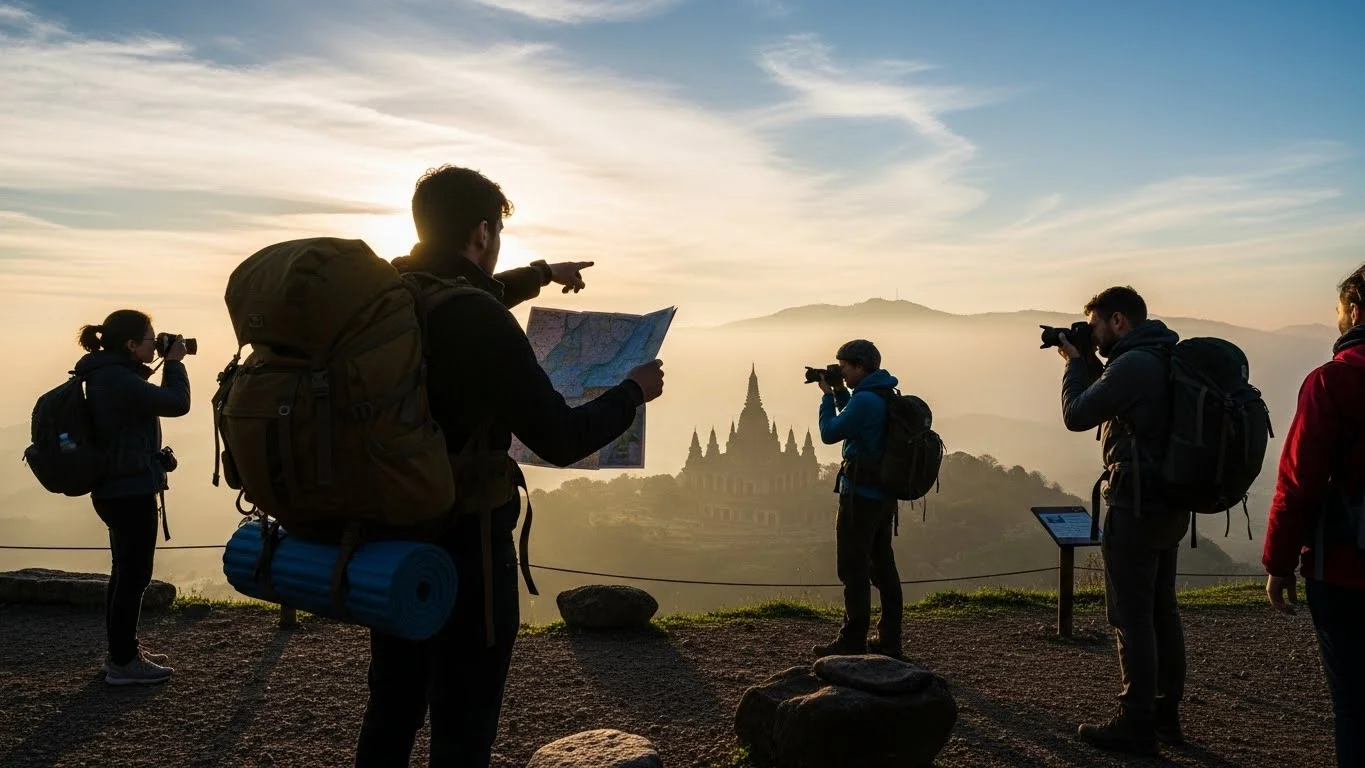
Backpacking through UNESCO World Heritage Sites offers a unique blend of adventure and cultural immersion. It’s an opportunity to explore stunning locations while valuing the importance of our global heritage. For those looking for more insights, check out Backpacking Through UNESCO World Heritage Sites: A Guide.
Understanding UNESCO World Heritage Sites
What is a UNESCO World Heritage Site?
When I first heard about UNESCO World Heritage Sites, I was fascinated by the idea that some places are recognized for their outstanding universal value. These sites are categorized by the United Nations Educational, Scientific and Cultural Organization (UNESCO) to promote and protect cultural and natural heritage around the world. From ancient ruins to breathtaking landscapes, each site tells a story that connects us to our shared human history.
To me, visiting a UNESCO site feels like stepping into a living museum. The Historic Centre of Rome, for example, is not just a collection of ancient buildings; it’s a vibrant city where history and modernity coexist. Every cobblestone street and piazza brings a piece of the past to life, and I can’t help but feel a sense of connection to those who walked there centuries ago.
Criteria for Selection
UNESCO has set specific criteria for selecting these remarkable sites, which I find quite interesting. There are ten criteria to qualify, and a site must meet at least one to be considered for inclusion. For instance, a site might represent a masterpiece of human creative genius or exhibit an important interchange of human values over time. This meticulous selection process ensures that only the most exceptional places earn this prestigious recognition.
As I explored various sites, I noticed that the diversity is staggering. Some are cultural, like the Great Wall of China, while others are natural, such as the Galápagos Islands. Each site’s uniqueness offers a different experience, which is part of what makes backpacking through them so exciting. I think it’s essential to take time to understand what makes each location special, as it enhances the overall experience.
Importance of Preservation
The preservation of these sites is crucial, and I’ve learned that it’s not just about protecting bricks and mortar or beautiful landscapes. It’s about safeguarding our collective memory and identity. When I visited Machu Picchu, I was struck by the efforts in place to maintain its integrity amidst the increasing number of visitors. I felt a responsibility to be a mindful traveler, respecting the rules and regulations designed to protect such a treasure.
Many UNESCO sites face challenges, from environmental damage to tourism overexploitation. I remember standing in front of Petra in Jordan and realizing that my visit was part of a larger conversation about sustainability and heritage conservation. It was a reminder that as travelers, we have a role in supporting these efforts. Engaging with local communities and understanding their perspectives can lead to a more enriching experience and positive impact.
Preserving these sites also ensures that future generations can experience them. I often think back to my own encounters with heritage sites—how they sparked my curiosity and taught me about different cultures and histories. I believe that if we value and protect these places, we’re not just preserving stones; we’re keeping alive the stories and lessons they hold.
Top UNESCO World Heritage Sites for Backpackers
Historic Centre of Rome, Italy
Rome is a dream for any backpacker. I spent days wandering through its historic center, marveling at the Colosseum, St. Peter’s Basilica, and the Vatican Museums. The energy of the city is electric, and the food—oh, don’t get me started! The gelato alone is worth the trip. I found that exploring on foot, especially in the early morning, made for a magical experience, with fewer crowds and cooler temperatures.
Great Wall of China, China
When I visited the Great Wall, I hiked a less touristy section, which allowed for breathtaking views and a deeper connection to the landscape. The Wall is more than just a structure; it’s an embodiment of Chinese history and ingenuity. I felt a mix of accomplishment and awe as I trekked along its ancient stones.
Machu Picchu, Peru
Machu Picchu has always been on my bucket list. I decided to hike the Inca Trail, which was challenging but the views were worth every step. Standing at the Sun Gate as the sun rose over the ruins was one of the most breathtaking moments of my life. It made me realize how important it is to experience these sites in their natural settings, soaking up the atmosphere and the history behind them.
Acropolis of Athens, Greece
The Acropolis holds a special place in my heart. As I stood beneath the Parthenon, I felt a connection to the philosophers and thinkers who once walked there. The surrounding areas are rich with history and local culture, making it easy to spend a few days exploring museums and trying delicious Greek food. For more affordable options, check out Top 10 Affordable UNESCO World Heritage Sites to Visit Now.
Stonehenge, England
Visiting Stonehenge was like stepping into a puzzle that has baffled historians for centuries. I remember feeling a sense of mystery as I stood among the stones, imagining the rituals that may have taken place there. The surrounding countryside is beautiful, providing great opportunities for hiking and reflection.
Petra, Jordan
Petra is often referred to as the “Rose City” for its stunning rock-cut architecture. Hiking through the Siq to reach the Treasury was one of the highlights of my travels. I took my time to appreciate the details and the craftsmanship. There’s so much to explore beyond the main attractions, and I found that engaging with local guides enriched my experience.
Galápagos Islands, Ecuador
The Galápagos Islands are unlike anywhere else on Earth. I had the chance to snorkel with sea lions and observe giant tortoises in their natural habitats. The islands’ ecosystems are fragile, and I was reminded of the importance of responsible tourism to protect these unique environments.
Angkor Wat, Cambodia
Angkor Wat is a true marvel. Watching the sunrise over the temple complex was surreal. I spent days exploring the ruins, each one telling a different story. I took the time to learn about the history and significance of the Khmer Empire, which made my visit even more meaningful. I believe every backpacker should experience the magic of Angkor Wat at least once.
Planning Your Backpacking Trip
Choosing Your Destinations
When I started planning my backpacking adventure, choosing the right destinations felt like both an exciting and daunting task. With so many UNESCO World Heritage Sites to choose from, I wanted to make sure I picked places that resonated with my interests. I often found myself daydreaming about the vibrant culture of Kyoto, Japan, or the breathtaking beauty of the fjords in Norway. I believe it’s essential to think about what experiences you want to have—whether it’s delving into ancient history, enjoying stunning natural landscapes, or immersing yourself in local traditions.
Also, I recommend researching the various sites beforehand. Reading blogs, watching travel vlogs, and checking social media posts helped me get a feel for what each site had to offer. Many people share their personal experiences, which gives you a glimpse of what to expect and what to avoid. I found that discovering lesser-known sites along with the famous ones created a more balanced experience. Sometimes, the hidden gems offer just as much—if not more—than the crowded hotspots. Read Interesting article: Explore UNESCO World Heritage Sites: A Budget Backpacker’s Guide
Best Time to Visit UNESCO Sites
Timing can make all the difference in your experience. I’ve learned that visiting popular sites during the off-peak season can drastically change your experience. For example, I visited Angkor Wat in Cambodia during the rainy season, and while I had to endure some downpours, the lush landscapes and fewer crowds made it all worthwhile. I felt a sense of tranquility walking among the temples without the bustling throngs.
Each destination has its own ideal travel window. I usually check weather patterns and local events before finalizing my travel dates. For instance, visiting the Great Wall of China in the fall was magical. The vibrant autumn colors added an extra layer of beauty to the ancient stones. I recommend exploring local festivals as well; they can enrich your understanding of the culture and often provide unique experiences.
Travel Itineraries and Routes
Creating a travel itinerary is a personal process. I like to map out the sites I want to visit, keeping in mind the distances between them and how much time I want to spend at each location. For me, the journey is just as important as the destination. When I backpacked through Europe, I made a point to travel by train, allowing me to soak in the scenery as I moved from one UNESCO site to another.
Flexibility is key, too. I remember when I spontaneously decided to change my route while traveling in Italy. Instead of rushing to Florence, I took a slight detour to visit the historic city of Siena. The medieval architecture and local food were incredible, and it turned out to be one of my favorite stops. I learned to embrace the unexpected, as sometimes the best memories come from unplanned adventures.
Budgeting for Your Adventure
Estimating Costs: Transportation, Accommodation, and Food
Budgeting for a backpacking trip can feel overwhelming, but I’ve found that breaking down costs into categories makes it manageable. Transportation can vary widely depending on how you choose to travel. I often use a mix of public transport and walking to keep costs down. For instance, using trains or buses to hop between countries was not only affordable but also gave me a chance to see the countryside.
Accommodation can be another significant expense. I’ve discovered that hostels and guesthouses offer a great way to save money while meeting fellow travelers. I also keep an eye out for homestays, which allow me to immerse myself in local culture. Eating out can add up, but I recommend trying local street food or small eateries. Not only are they budget-friendly, but they often provide some of the most authentic dining experiences.
How to Find Affordable Flights
Finding affordable flights has become somewhat of a sport for me. I use fare comparison websites and set alerts for price drops. Being flexible with your travel dates can help you snag great deals. I remember booking a flight to Ecuador just a day before the departure because the price dropped significantly. Low-cost airlines can also be a boon for backpackers, but I always check for hidden fees that could add up.
Hostel and Budget Accommodation Options
Hostels have been my go-to for budget accommodations. They’re not only affordable but also vibrant social hubs. I’ve had some of my best travel conversations in hostel common areas. Websites that specialize in budget options help me find places with good reviews and amenities. I also seek out places that offer free breakfast or cooking facilities, which can save money on meals.
Eating on a Budget: Local Street Food vs. Restaurants
For me, food is a huge part of the travel experience. I’ve often found that local street food is not just budget-friendly but also a window into the culture. In Thailand, for example, I enjoyed delicious pad thai from a street vendor for just a couple of dollars. Restaurants can be pricier, especially near tourist attractions, so I try to explore the neighborhoods where locals eat. This way, I not only save money but also get to try authentic dishes that aren’t on the typical tourist menu.
Transportation Tips for Backpacking
Getting Around: Public Transportation Options
One of the best parts of backpacking is the freedom to explore at your own pace, and I’ve found that using public transportation can be a game-changer. Public transit not only saves money but also gives you a genuine feel for local life. I remember taking the metro in Paris, where I could see locals going about their daily routines, and it felt like I was part of the city, even if just for a short time.
In many cities, buses and trams are reliable options. When I was in Barcelona, the tram system made it easy to navigate through the city’s different neighborhoods without the hassle of renting a car. I usually download local transportation apps to help me figure out routes and schedules. For me, it’s like having a local guide in my pocket. Plus, many cities offer day passes, which can be a budget-friendly option if you plan to explore extensively.
Walking and Biking: Eco-Friendly Choices
Walking and biking are two of my favorite ways to take in a new place. There’s something special about meandering through streets and discovering hidden gems that you might miss while zipping by in a car or bus. I often find that the best cafés or quirky shops are tucked away in less-traveled areas.
I also love renting bikes when I can, especially in cities with bike lanes like Amsterdam or Copenhagen. Riding alongside locals can be a fun way to see the sights, and it’s a great workout too! I remember pedaling through the beautiful parks in Amsterdam, enjoying the fresh air and the views. It felt refreshing and connected me to the environment in a way that driving never could.
Train and Bus Travel Between Sites
When it comes to traveling between UNESCO sites, trains and buses are often the most efficient and budget-friendly options. I’ve taken some incredible train journeys that have become highlights of my trips. For instance, the train ride through the Swiss Alps was breathtaking, with stunning views of mountains and lakes that made the journey just as rewarding as the destination.
Bus services, too, can offer affordable and comfortable travel. I remember taking a long-distance bus in Southeast Asia, where the journey turned into an adventure of its own. The bus stopped at local markets, allowing us to stretch our legs and grab snacks. Engaging with fellow travelers during these rides often leads to new friendships and shared stories, which is something I cherish about backpacking.
Staying Safe While Backpacking
Health Precautions and Travel Insurance
Health and safety are always at the forefront of my mind when I’m traveling. I’ve learned that investing in travel insurance is one of the best decisions I’ve made. It may seem like an extra expense initially, but it offers peace of mind, especially when exploring remote areas or participating in activities like hiking or snorkeling. I always check what my policy covers, particularly for medical emergencies and trip cancellations.
Additionally, I make it a habit to stay updated on health precautions for my destinations. Before my trip to Southeast Asia, I visited my doctor to discuss vaccinations and any necessary medications. I remember feeling more confident knowing I was taking steps to protect my health while enjoying the adventures ahead.
Safety Tips for Solo Travelers
Traveling solo can be incredibly rewarding, but it does come with its own set of challenges. I’ve found that being aware of my surroundings and trusting my instincts is crucial. For instance, when I was exploring a bustling market in Marrakech, I kept my belongings close and stayed alert. I also find it helpful to blend in with the locals as much as possible; wearing clothing that respects local customs can go a long way in helping me feel more secure.
Connecting with other travelers can also enhance safety. I often share my plans with fellow backpackers I meet at hostels, and we sometimes decide to explore together. There’s safety in numbers, and it’s a great way to make new friends while ensuring that I’m not wandering alone in unfamiliar areas at night.
Understanding Local Laws and Customs
Every country has its own laws and cultural customs, and I’ve learned that being informed can help avoid misunderstandings. Before traveling, I take time to research the local laws regarding photography, dress codes, and behavior at religious sites. For example, I remember feeling grateful I had read about the dress code for visiting mosques in Turkey; adhering to local customs made my experience all the more enriching.
Understanding local customs also helps me engage more meaningfully with the communities I visit. I enjoy learning a few basic phrases in the local language, which often brings smiles and goodwill from locals. It makes me feel more connected to the culture and more at home in the places I visit. I believe that respecting local laws and customs not only enhances my travel experience but also contributes to positive interactions with the communities I encounter.
Frequently Asked Questions
What is a UNESCO World Heritage Site?
A UNESCO World Heritage Site is a location recognized by the United Nations Educational, Scientific and Cultural Organization for its outstanding universal value. These sites promote and protect cultural and natural heritage around the world, telling stories that connect us to our shared human history.
How are UNESCO World Heritage Sites selected?
UNESCO has set ten specific criteria for selecting these sites, and a location must meet at least one to be considered for inclusion. The criteria include representing a masterpiece of human creative genius or exhibiting an important interchange of human values over time.
Why is the preservation of UNESCO sites important?
The preservation of UNESCO sites is essential for safeguarding our collective memory and identity. It ensures that future generations can experience these sites and learn from the stories and lessons they hold.
What are some top UNESCO World Heritage Sites recommended for backpackers?
Some top UNESCO World Heritage Sites for backpackers include the Historic Centre of Rome, the Great Wall of China, Machu Picchu, the Acropolis of Athens, Stonehenge, Petra, the Galápagos Islands, and Angkor Wat.
What should I consider when planning my backpacking trip to UNESCO sites?
When planning your trip, consider choosing destinations that resonate with your interests, researching various sites, and exploring both famous and lesser-known locations for a balanced experience.
What is the best time to visit UNESCO World Heritage Sites?
The best time to visit varies by location, but visiting during the off-peak season can enhance your experience by reducing crowds and allowing for a more tranquil atmosphere.
How can I budget for a backpacking trip?
Budgeting can be managed by breaking down costs into categories such as transportation, accommodation, and food. Consider using public transport, staying in hostels, and trying local street food to save money.
What are some transportation tips for backpacking?
Using public transportation is a budget-friendly way to explore cities. Walking and biking are also great eco-friendly options that allow for a more intimate experience with the local environment.
What health precautions should I take while backpacking?
Investing in travel insurance is crucial for peace of mind, especially for medical emergencies. Additionally, stay updated on health precautions for your destinations and consult a doctor for necessary vaccinations and medications before your trip.
What safety tips should solo travelers keep in mind?
Solo travelers should stay aware of their surroundings, trust their instincts, and connect with other travelers for safety. Researching local laws and customs beforehand can also help avoid misunderstandings and enhance the travel experience.