
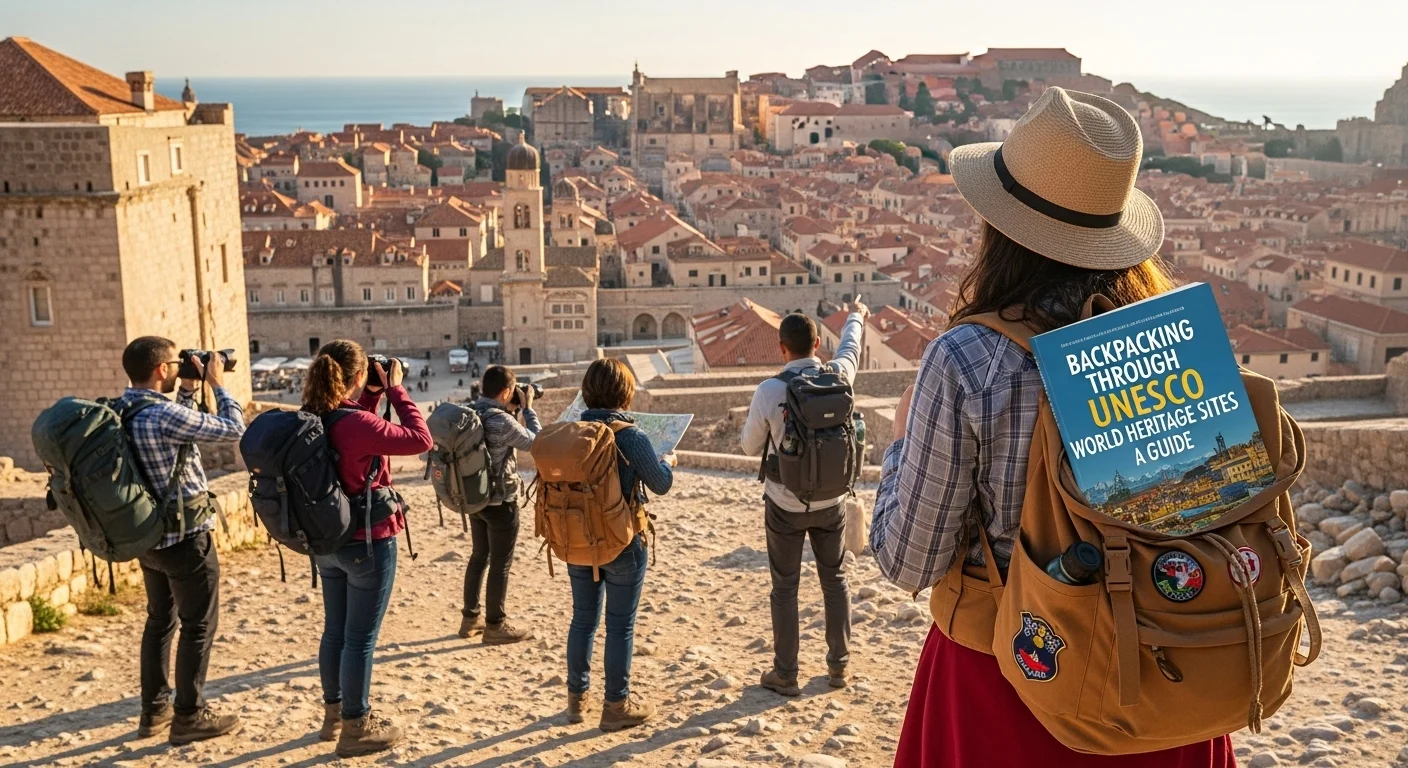
Backpacking through UNESCO World Heritage Sites is an adventure that combines exploration, culture, and history. Each site tells a story that connects us to our shared heritage, making every step of the journey worthwhile. If you’re looking for budget-friendly options, check out Top 10 Affordable UNESCO World Heritage Sites to Visit.
Understanding UNESCO World Heritage Sites
What are UNESCO World Heritage Sites?
UNESCO World Heritage Sites are places that have been recognized for their cultural, historical, scientific, or other forms of significance. To me, there’s something magical about standing in a location that’s been deemed worthy of global recognition. These sites can be anything from ancient ruins and sacred temples to natural wonders and vibrant cityscapes. Personally, I’ve often felt a sense of awe walking through places like the Great Wall of China or Machu Picchu, knowing that I’m treading the same paths that countless others have walked before me.
Criteria for UNESCO World Heritage Designation
To be designated as a UNESCO World Heritage Site, a location must meet at least one of ten criteria set by UNESCO. These include representing a masterpiece of human creative genius, exhibiting an important interchange of human values, or containing superlative natural phenomena. I remember reading about the selection process and realizing just how stringent the requirements are — it made me appreciate these sites even more. It’s not just about being beautiful; it’s about the story and the impact a site has had on humanity.
Importance of Preservation and Cultural Heritage
Preservation of these sites is crucial, not only for their historical and aesthetic value but also for the cultural identity they uphold. When we travel to these locations, we’re not just tourists; we become part of a larger narrative. I’ve often found myself reflecting on the impact of globalization and modernization on these sites. Many are vulnerable to environmental changes and human activity. It’s vital for us as travelers to be responsible stewards of these precious places. By visiting, we contribute to their preservation, and I believe it’s our duty to support local communities in maintaining their cultural heritage. For more tips on budget-friendly travel, read Explore UNESCO World Heritage Sites on a Budget.
Top UNESCO World Heritage Sites for Backpackers
Historic Centre of Rome
The Historic Centre of Rome is like stepping into a living museum. I remember my first visit, wandering through cobblestone streets, gazing at ancient ruins, and indulging in delicious gelato. The Colosseum, the Vatican, and countless piazzas are all within walking distance, making it an ideal hub for backpackers. Plus, there’s something surreal about enjoying a meal in a place that has been the heart of civilization for centuries.
Great Wall of China
Walking the Great Wall of China is an experience I’ll never forget. Spanning thousands of miles, it offers breathtaking views and a sense of connection to ancient history. I hiked a less touristy section, which allowed me to soak in the surroundings without the crowds. It felt like a personal journey through the heart of China, and I learned so much about the culture and the people along the way.
Machu Picchu, Peru
Machu Picchu is a backpacker’s dream. The trek to this Incan citadel is as rewarding as the destination itself. I remember the exhilaration of hiking the Inca Trail, surrounded by stunning landscapes and rich history. When I finally arrived at Machu Picchu, the sight took my breath away. It’s amazing how the remnants of a civilization can evoke such wonder.
Acropolis of Athens, Greece
The Acropolis stands as a testament to ancient Greek civilization. I was captivated by the Parthenon’s grandeur and spent hours exploring the ruins and reflecting on the philosophical ideas birthed in this very place. Athens is vibrant and full of life, making it easy to blend historical exploration with modern Greek culture.
Stonehenge, England
Stonehenge is one of those sites that feels mystical. I visited on a chilly morning, and the atmosphere was almost ethereal. Standing among the ancient stones, I was struck by the mysteries surrounding their origin and purpose. It’s a place that encourages contemplation and connection to the past.
Yellowstone National Park, USA
Yellowstone is not just a national park; it’s a treasure trove of natural wonders. From geysers to hot springs, the beauty of this site is awe-inspiring. I remember camping under the stars and waking up to the sounds of nature. It was a perfect blend of adventure and serenity, which I believe every backpacker should experience.
Galápagos Islands, Ecuador
The Galápagos Islands are a unique blend of nature and wildlife that can’t be found anywhere else. I found myself snorkeling with sea turtles and observing giant tortoises in their natural habitat. The islands are a reminder of the delicate balance of ecosystems, and my time there taught me the importance of conservation.
Planning Your Backpacking Trip
Best Time to Visit UNESCO World Heritage Sites
Timing your trip is crucial. Each UNESCO site has its own peak seasons, and I’ve learned the hard way that visiting during these times can lead to large crowds and higher prices. For example, I visited Machu Picchu during the dry season, which is from May to September. While the weather was perfect for hiking, it was also packed with tourists. I found that visiting during the shoulder seasons—like late April or early October—allowed me to enjoy the sites with fewer people around. I recommend checking climate patterns and local festivals, as they can enhance your experience while also affecting the number of visitors.
How to Choose Your Destinations
When selecting destinations, I often think about what type of experience I want. Do I crave history, nature, or a bit of both? For instance, if you’re keen on natural wonders, Yellowstone and the Galápagos Islands might be at the top of your list. If you’re drawn to rich history, sites like the Acropolis or the Historic Centre of Rome will captivate you. I also like to consider the accessibility of these sites. Some might be remote and require extra planning to reach. I suggest mapping out your must-see places and then looking for others nearby to create an itinerary that flows smoothly.
Budgeting for Your Trip
Budgeting is an essential part of planning a backpacking adventure. I usually start by estimating how much I intend to spend on flights, accommodations, food, and activities. When I traveled to the Great Wall, I was surprised at how affordable local eateries were compared to international chains. I also found that using public transportation instead of taxis saved me a ton of money. I try to set aside some extra funds for unexpected experiences—like a local tour or a unique meal. It’s important to have flexibility in your budget, as spontaneous adventures often lead to the most memorable moments. For more budgeting tips, check out Budget Tips for Visiting Indigenous Heritage Landmarks.
Essential Gear for Backpacking
Over the years, I’ve learned that packing the right gear can make or break your trip. I always pack a lightweight backpack, a good pair of hiking boots, and quick-dry clothing. A reusable water bottle is a must, especially in places like Yellowstone, where you can refill at various locations. I also bring a portable charger, since I often rely on my phone for maps and photos. For me, a travel journal has been invaluable; jotting down my experiences not only helps me remember the details but also adds a personal touch to my travels. Finally, don’t forget a first-aid kit—trust me, you’ll be glad to have it if you need it.
Transportation Options for Backpackers
Getting to UNESCO World Heritage Sites
Getting to UNESCO sites can vary greatly depending on the location. When I planned my trip to Stonehenge, I discovered that public transport from London was quite efficient, with buses running regularly. However, for more remote sites like those in the Galápagos Islands, I found that booking a flight to a nearby major city and then taking a smaller plane was the best option. I recommend researching transportation options beforehand to see what fits your schedule and budget. Sometimes, you may find that renting a car offers the most flexibility, especially if you’re traveling with others.
Local Transportation Tips
Once you arrive at your destination, navigating the area can be a fun adventure. In cities like Athens, I found that walking was the best way to explore. Not only did it allow me to stumble upon hidden gems, but I also got to absorb the local culture. In more rural areas, I’ve used bicycles or public transportation to reach UNESCO sites. For instance, in Rome, the metro system was a lifesaver, allowing me to hop from the Vatican to the Colosseum with ease. Always look into transportation passes, as they can save you money if you plan to do a lot of sightseeing.
Eco-Friendly Travel Options
As travelers, I believe we have a responsibility to minimize our impact on the environment. I’ve tried to incorporate eco-friendly practices into my trips whenever possible. Using public transport or biking not only reduces my carbon footprint but also lets me experience the local culture more intimately. Additionally, I seek out eco-friendly accommodations and tour options. Many places are becoming more aware of sustainability, and supporting these businesses helps promote responsible tourism. For instance, in the Galápagos, I chose a tour operator committed to conservation, which made my experience even more meaningful.
Accommodation Options
Hostels Near UNESCO Sites
When it comes to backpacking, finding a good place to stay is key. I’ve always had a soft spot for hostels, especially those located near UNESCO World Heritage Sites. They not only offer budget-friendly rates but also a chance to meet fellow travelers. I remember staying at a cozy hostel just a short walk from the Acropolis in Athens. The atmosphere was lively, and it was great to share stories with others who were just as eager to explore the city’s rich history. Many hostels also organize group activities, which can be a fun way to discover the area together. I recommend checking reviews to find ones that prioritize cleanliness and a welcoming vibe.
Campsites and Budget Lodging
If you’re looking to immerse yourself in nature while visiting UNESCO sites, campsites can be an excellent option. I had an unforgettable experience camping in Yellowstone National Park, where the nights were filled with the sounds of nature, and the views were absolutely stunning. There are often designated camping areas that provide basic amenities while allowing you to connect with the outdoors. Plus, it’s a great way to save money! I’ve also found that some places offer budget lodges or cabins that can be just as affordable as hostels, especially when split among a group. For example, I stayed in a charming cabin near Machu Picchu, which offered a unique experience and a peaceful retreat after long hikes.
Local Guesthouses and Homestays
Another option I thoroughly enjoy is staying at local guesthouses or homestays. This allows me to dive deeper into the culture of the place I’m visiting. I remember a fantastic homestay experience in a small village near the Great Wall of China. The family I stayed with welcomed me with open arms, and they shared homemade meals that were delicious and authentic. These experiences often come with insights and stories about the area that you won’t find in guidebooks. I believe that connecting with locals can enhance your travel experience, and it’s often a more affordable option too. Plus, staying in guesthouses supports local economies, which is a win-win!
What to Expect When Visiting
Guided Tours vs. Self-Guided Exploration
One of the first decisions I face when visiting a UNESCO site is whether to join a guided tour or explore on my own. There are pros and cons to both. I often lean towards self-guided exploration, as it allows me to go at my own pace and linger a little longer at places that captivate me. For instance, wandering through the ruins of the Historic Centre of Rome, I loved taking time to sit and soak in the atmosphere. However, I’ve also found guided tours to be invaluable at certain sites. When I visited Machu Picchu, I opted for a guided tour, and the insights from my guide brought the history to life in a way I couldn’t have done alone. In the end, it really depends on your personal style and the specific location.
Cultural Etiquette and Respecting Local Customs
As I’ve traveled to various UNESCO sites, I’ve learned that understanding and respecting local customs is essential. Each place has its own traditions and etiquette that can enhance your experience. For example, when visiting sacred sites, I always make sure to dress modestly and be mindful of local customs. In places like the Acropolis, I made sure to follow the guidelines provided and be respectful of the rules. I believe that showing respect not only honors the culture but also fosters a connection with the people and the place. I often feel that I leave a part of myself behind in these moments of respect and understanding.
Safety Tips for Backpackers
Safety is something I always keep in mind while backpacking, especially at popular tourist sites. I remember my visit to the Galápagos Islands, where I made sure to keep my belongings secure while exploring. I’ve learned a few tips along the way that I swear by. Carrying a money belt or a secure backpack is a must, as it keeps my valuables safe. Additionally, I try to stay aware of my surroundings and avoid isolated areas, particularly when it’s dark. I also recommend sharing your itinerary with someone back home, just for peace of mind. It’s important to enjoy your adventure while staying vigilant.
Local Cuisine and Dining Options
Must-Try Foods Near UNESCO Sites
One of the best parts of traveling for me is trying the local cuisine. Each UNESCO site usually has its own unique flavors and dishes that reflect the culture and history of the region. For example, while exploring the Historic Centre of Rome, I made it a point to indulge in traditional Roman dishes like Cacio e Pepe and Carbonara. The rich flavors and fresh ingredients were unforgettable. When I was in Greece, I couldn’t resist trying Moussaka and Souvlaki near the Acropolis, which added an extra layer of enjoyment to my time there. I believe that tasting local food is like tasting history itself, and it often brings me closer to the culture I’m experiencing.
Street Food Recommendations
Street food is another adventure in itself! I’ve found that some of the best meals come from local vendors. In Peru, while trekking to Machu Picchu, I tried street corn and tamales from a vendor in a small town — they were delicious and so affordable! In Asia, the street food scene is vibrant; I remember having mouth-watering dumplings from a stall near the Great Wall. It’s a wonderful way to eat like a local and connect with the community. I always recommend asking locals for their favorite spots; they often know the best hidden gems that aren’t in guidebooks.
Budget-Friendly Restaurants and Cafés
Finding budget-friendly dining options can be a game changer on a backpacking trip. I’ve discovered that many UNESCO site areas have cafes and restaurants that offer hearty meals without breaking the bank. For instance, in Athens, I stumbled upon a quaint taverna where I enjoyed a filling Greek salad and some freshly made bread for a fraction of the price I’d expect. I also recommend using apps or websites that focus on local eateries; they often highlight budget-friendly options that are not only affordable but also authentic.
Engaging with Local Culture
Participating in Local Festivals and Events
When I travel, I try to immerse myself in the local culture as much as possible. Participating in local festivals is one of my favorite ways to do this. For instance, I was privileged to be in Rome during the Feast of the Immaculate Conception, where the streets were filled with festivities, music, and delicious food. I felt so connected to the culture and history of the place. I believe that these events create a unique atmosphere that can’t be replicated, and they often give insight into the traditions and values of the local community.
Art and Craft Workshops
Another wonderful way to engage with the local culture is through art and craft workshops. I remember attending a pottery class in a small village near the Acropolis, where a local artisan shared their skills with us. Not only did I learn about traditional techniques, but I also got to take home a piece of my experience. Workshops like these are often a great way to meet locals and learn about their craft, providing a deeper understanding of the culture and its artistic expressions.
Community Tours and Volunteer Opportunities
Volunteering while traveling is something I feel strongly about. I’ve participated in community tours that support local initiatives, such as environmental conservation projects in the Galápagos Islands. These experiences have not only enriched my travels but also allowed me to give back to the communities I visit. I believe it’s important to leave a positive impact wherever we go, and these opportunities often lead to meaningful connections with local people.
Traveling Responsibly
Leave No Trace Principles
As travelers, it’s our responsibility to minimize our impact on the environment. I’ve adopted the Leave No Trace principles, which encourage me to respect the places I visit. This includes sticking to marked trails, packing out what I pack in, and being mindful of wildlife. I remember hiking in Yellowstone and being careful not to disturb the natural habitats. It’s a small effort that can make a big difference in preserving these beautiful sites for future generations.
Supporting Local Economies
When I travel, I try to prioritize spending my money in ways that benefit local communities. This includes eating at local restaurants, staying in guesthouses, and buying crafts from local artisans. I’ve found that these choices not only enrich my experience but also contribute to the livelihoods of the people I meet. Supporting local economies is an essential part of responsible travel, and I believe it creates a more authentic experience.
Conservation Efforts and How to Get Involved
Many UNESCO sites are under threat, and I think it’s vital for travelers to support conservation efforts. I often look for ways to get involved, whether it’s through donations to local organizations or participating in eco-tours that promote conservation. For instance, during my time in the Galápagos, I joined a tour that focused on conservation efforts, and it was incredibly rewarding to see how tourism can positively impact the environment. It’s a reminder that our travels can be a force for good.
Final Thoughts
Backpacking through UNESCO World Heritage Sites has been one of the most enriching experiences of my life. Each site is a treasure trove of history, culture, and natural beauty that invites us to explore deeper. I’ve learned that being a responsible traveler is just as important as the adventures we seek. By respecting local customs, engaging with communities, and supporting conservation efforts, we can ensure that these incredible sites are preserved for generations to come. I hope my experiences encourage you to embark on your own journey through these remarkable places. Happy travels!
Frequently Asked Questions
What are UNESCO World Heritage Sites?
UNESCO World Heritage Sites are places recognized for their cultural, historical, scientific, or other forms of significance. These sites can include ancient ruins, sacred temples, natural wonders, and vibrant cityscapes.
What criteria must a location meet to be designated as a UNESCO World Heritage Site?
A location must meet at least one of ten criteria set by UNESCO, which include representing a masterpiece of human creative genius, exhibiting an important interchange of human values, or containing superlative natural phenomena.
Why is the preservation of UNESCO World Heritage Sites important?
Preservation is crucial for maintaining the historical and aesthetic value of these sites, as well as the cultural identity they uphold. Responsible stewardship by travelers helps contribute to their preservation and supports local communities.
What are some top UNESCO World Heritage Sites recommended for backpackers?
Some top UNESCO World Heritage Sites for backpackers include the Historic Centre of Rome, the Great Wall of China, Machu Picchu in Peru, the Acropolis of Athens, Stonehenge in England, Yellowstone National Park, and the Galápagos Islands in Ecuador.
When is the best time to visit UNESCO World Heritage Sites?
The best time to visit varies by site, but generally, visiting during shoulder seasons—like late April or early October—can help avoid large crowds and higher prices. Checking climate patterns and local festivals can enhance the experience while affecting visitor numbers.
What essential gear should backpackers pack for their trips?
Backpackers should pack a lightweight backpack, hiking boots, quick-dry clothing, a reusable water bottle, a portable charger, a travel journal, and a first-aid kit to ensure a comfortable and safe journey.
What are some local transportation tips for getting to UNESCO sites?
Public transport is often efficient for reaching UNESCO sites, as seen with buses to Stonehenge from London. For remote sites like the Galápagos Islands, booking a flight to a nearby city and then taking a smaller plane is recommended.
How can travelers engage with local culture when visiting UNESCO sites?
Travelers can engage with local culture by participating in local festivals, attending art and craft workshops, and joining community tours or volunteer opportunities that support local initiatives.
What are the Leave No Trace principles?
Leave No Trace principles encourage travelers to minimize their environmental impact by respecting the places they visit, sticking to marked trails, packing out what they pack in, and being mindful of wildlife.
How can travelers support local economies while visiting UNESCO sites?
Travelers can support local economies by eating at local restaurants, staying in guesthouses, and purchasing crafts from local artisans, thereby enriching their experience while contributing to the livelihoods of the people they meet.