
Exploring the great outdoors alone can be one of the most rewarding experiences. Solo hiking not only allows for personal reflection but also connects you with nature in a unique way. Let’s dive into what makes solo hiking so special and how to get started!
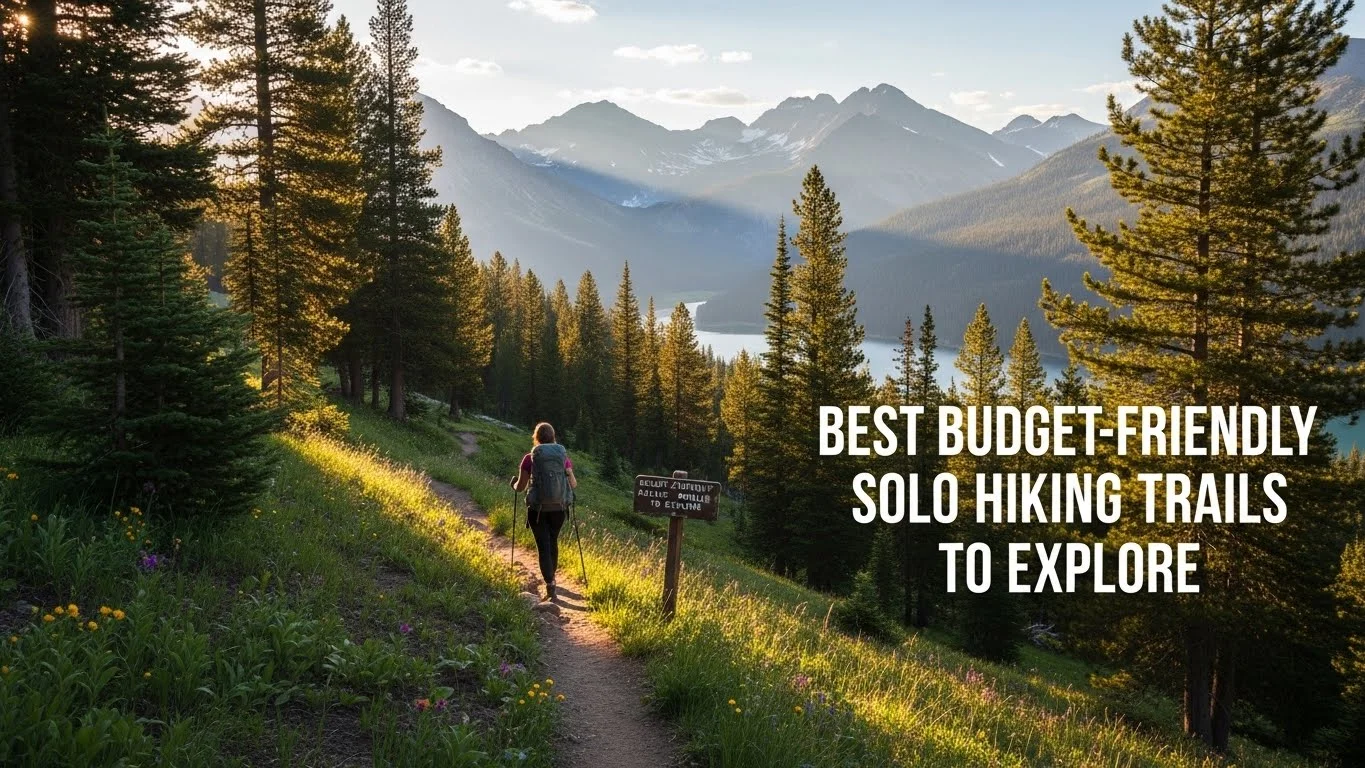
Understanding Solo Hiking
Solo hiking is an adventure where you can truly find yourself. It’s about stepping outside your comfort zone and embracing the freedom of nature. When I first started hiking alone, I was a bit apprehensive. But once I hit the trails, I discovered a sense of peace that I had never experienced before. Alone time can be therapeutic, and hiking provides the perfect backdrop for self-discovery.
Benefits of Solo Hiking
The benefits of solo hiking are numerous. For one, you set your own pace. Want to linger at a beautiful waterfall or skip a section of the trail because it’s too crowded? You can do that! I remember hiking through a stunning forest trail one afternoon, and instead of rushing, I took the time to snap pictures and really absorb the beauty around me. It was in those quiet moments that I truly appreciated my surroundings.
Another benefit is the opportunity for personal growth. Facing challenges alone, whether it’s a steep ascent or navigating your way through a tricky path, builds confidence. I’ll never forget the time I tackled a difficult climb by myself. Reaching the summit, I felt an immense sense of accomplishment. It reinforced my belief that I could take on any challenge life throws my way.
Lastly, solo hiking gives you the chance to connect with nature without distractions. I often find that when I hike alone, I’m more aware of the sounds and smells of the forest. The rustling leaves, the chirping birds, and the fresh scent of pine all become part of my experience. It’s a refreshing break from the hustle and bustle of daily life.
Essential Gear for Solo Hikers
When preparing for a solo hike, having the right gear is essential. I’ve learned through experience that being properly equipped can make all the difference. Here’s a list of must-have items that I always take with me:
- Backpack: A comfortable backpack that fits well is crucial, especially when carrying food, water, and gear. I recommend one with padded straps for extra comfort.
- Navigation tools: Always have a map and compass, even if you’re using a GPS. I once relied solely on my phone, and when I lost signal, I was grateful I had a backup plan.
- First-aid kit: You never know when a blister or scrape might occur. I always pack a small first-aid kit with the essentials.
- Water and snacks: Staying hydrated and energized is important. I like to bring electrolyte packets and trail mix for energy on the go.
- Appropriate clothing: Dress in layers and make sure to check the weather before heading out. I’ve been caught in unexpected rainstorms because I didn’t prepare!
- Headlamp or flashlight: If you’re hiking during early mornings or late evenings, a light source is essential. I can’t tell you how many times I’ve relied on my trusty headlamp.
Safety Tips for Hiking Alone
Safety is paramount when hiking alone. I take several precautions to ensure my safety and increase my enjoyment on the trail:
- Inform someone: Before I head out, I always let a friend or family member know my plans. It’s reassuring to have someone aware of my whereabouts.
- Stay on marked trails: It’s easy to get lost if you wander off the beaten path. I’ve learned to stick to trails that are well-marked and easy to navigate.
- Trust your instincts: If something doesn’t feel right, it’s okay to turn back. I’ve turned around on a few hikes when I wasn’t feeling comfortable, and it was always the right choice.
- Know your limits: It’s essential to choose trails that match your skill level. I remember feeling overconfident on a challenging trail, but it taught me to respect my abilities.
- Wildlife awareness: Be aware of your surroundings and know what animals might be in the area. I’ve seen bears at a distance but kept calm and made sure to avoid any confrontation.
Solo hiking is a journey of self-exploration and adventure. With the right mindset and preparation, it can be one of the most enriching experiences of your life. As I lace up my boots and head out on the trail, I feel that familiar thrill of excitement. There’s no doubt in my mind that every step I take alone is a step toward discovering more about myself and the beauty that surrounds us.
Top Budget-Friendly Solo Hiking Trails in the U.S.
When it comes to solo hiking, finding the right trail that won’t break the bank is crucial. I’ve come across so many beautiful trails that offer stunning views and unforgettable experiences without costing a fortune. Here are some of my favorite budget-friendly solo hiking trails across the U.S. that you might want to explore. You can also discover stunning solo hiking trails on a budget.
Appalachian Trail (Various Sections)
The Appalachian Trail is a classic for hikers. While it stretches over 2,190 miles, you don’t have to tackle it all at once. I’ve hiked several sections that are accessible and packed with breathtaking scenery. From the rolling hills of Virginia to the majestic views in Maine, there’s always something new to discover. Plus, many of these sections are free to access, making it a perfect option for budget-conscious adventurers.
Pacific Crest Trail (Short Sections)
Similar to the Appalachian Trail, the Pacific Crest Trail (PCT) runs from Mexico to Canada. If you’re looking for a more manageable hike, consider tackling shorter sections, especially around California’s Sierra Nevada. I remember hiking a section near Lake Tahoe, where the views of the mountains and lakes were absolutely stunning. The PCT is well-marked, and you can find numerous free access points along the way.
Shenandoah National Park: Old Rag Mountain
Old Rag Mountain is one of the most popular hikes in Virginia, and for good reason. The trail is challenging, but the views from the summit are worth every step. I made the trek to Old Rag on a crisp autumn day, and the vibrant colors of the leaves made the experience even more magical. The park charges a small entrance fee, but it’s well worth it for the scenery and the well-maintained trails.
Great Smoky Mountains National Park: Alum Cave Trail
One of my favorite spots in the Smoky Mountains is the Alum Cave Trail. This 5-mile round trip hike leads you to a stunning overlook with panoramic views. The trail offers a mix of challenging terrain and breathtaking beauty, making it a memorable solo hiking experience. Best of all, the park itself is free to enter, so you can enjoy the great outdoors without worrying about entrance fees.
Zion National Park: Angels Landing (Permits Required)
Angels Landing is one of the most iconic hikes in the United States. While it does require a permit, the experience is unlike any other. The trail is steep and has some narrow sections, but if you’re looking for a thrilling adventure, this is it! I’ve hiked it solo and found that the adrenaline rush combined with the breathtaking views made it one of my favorite hikes ever. Make sure to secure your permit in advance, as they can fill up quickly!
Mount Rainier National Park: Skyline Trail
If you’re looking for incredible views of Mount Rainier, the Skyline Trail is a must-hike. This 5.5-mile loop offers stunning vistas, wildflower meadows, and the chance to see wildlife. I remember hiking this trail during the wildflower bloom, and the colors were absolutely spectacular. Entrance to the park requires a fee, but the memories you’ll make are priceless.
Flatiron Mountains: Chautauqua Park
The Chautauqua Park in Colorado offers several trails, and the Flatiron Mountains are a standout. The hike is moderately challenging, but the views of Boulder and the surrounding area are breathtaking. I found myself stopping often to take in the scenery and snap photos. Plus, there’s no entrance fee to the park, making this an affordable option for solo adventurers.
Red Rock Canyon: Calico Tanks Trail
Located just outside Las Vegas, the Red Rock Canyon’s Calico Tanks Trail is a hidden gem. The trail is relatively short, around 2.5 miles round trip, and offers unique rock formations and stunning desert views. I was pleasantly surprised by how much I enjoyed this hike, especially since it was so close to the city. There’s a small entrance fee for the park, but it’s a small price to pay for the beauty you’ll encounter.
Exploring these trails has given me a deeper appreciation for nature and the joy of solo hiking. Each of these locations offers unique experiences that cater to various skill levels and interests. As I plan my next hiking adventure, I can’t wait to discover what new trails await! Whether you’re a seasoned hiker or just starting out, these budget-friendly options provide the perfect opportunity to get outside and explore on your own terms. If you’re interested in more options, check out Top 10 Solo Hiking Trails for Budget Backpackers.
Planning Your Solo Hiking Trip
How to Choose the Right Trail
Choosing the right trail for a solo hike can be a bit daunting, especially with so many options out there. I like to start by considering my own skill level and what I want from the experience. Do I want a peaceful walk in the woods, or am I looking for a challenge? I’ve learned that it’s best to choose a trail that aligns with my abilities while also pushing my boundaries just a little bit. For instance, when I first started hiking, I stuck to easy trails with well-marked paths. As I gained confidence, I began exploring more challenging routes that offered stunning views and unique experiences. I recommend checking online resources or hiking apps that provide info on trail difficulty, length, and elevation gain.
Another aspect I consider is the scenery and what I hope to see along the way. Are there waterfalls, lakes, or mountain vistas? I’ve found that having a visual goal can help motivate me as I hike. One of my favorite trails ended at a beautiful viewpoint, and knowing that kept me energized during the climb. I also pay attention to user reviews; hearing about other hikers’ experiences can help me gauge whether a trail is right for me.
Best Times to Hike Solo
The timing of your hike can significantly affect your experience. I’ve often found that early mornings are the best time to hit the trails, especially if I’m looking for solitude. There’s something magical about being out in nature as the world wakes up. The air is crisp, and the light is soft, making it perfect for photography and reflection. I remember one sunrise hike where the sky turned a brilliant shade of pink over the mountains—it was a moment I’ll never forget.
In terms of seasons, each has its pros and cons. Spring and fall offer stunning colors, while summer can provide the warmest weather for hiking. However, I’ve learned to be cautious of heat during the summer months. I keep my hikes early in the day to avoid the hottest part of the day and always carry plenty of water. Winter hikes can also be beautiful, but they require extra preparation and the right gear. I’ve had some of my most serene moments hiking through a quiet, snow-covered landscape, but I always make sure to check the conditions beforehand.
Budgeting for Your Hiking Trip
Budgeting for a solo hiking trip can be straightforward, especially if you plan ahead. I always start by calculating travel expenses, including gas or public transportation to the trailhead. I’ve learned to look for parks and trails that don’t charge entrance fees or have minimal costs. Some of my favorite hikes are in areas where I can park for free or where the only costs are the snacks I pack!
Food and gear are other important factors. I tend to pack my own meals, often opting for energy-dense snacks like trail mix, energy bars, and fruits. Preparing my food not only saves money but also allows me to customize my nutrition for the hike. Plus, there’s nothing better than sitting down to a snack at a scenic overlook that I brought myself!
Transportation Options for Trailheads
Getting to the trailhead can sometimes be a challenge, but I’ve figured out a few options that work for me. If I’m driving, I always ensure my vehicle is in good shape for the journey. I’ve had a couple of close calls on winding mountain roads, so checking my tire pressure and fuel levels is a must. If I’m traveling to a more remote area, I like to map out my route in advance to avoid getting lost.
For those who prefer not to drive, public transportation is a viable option in some areas. I’ve used buses and shuttles to reach trailheads, which can be a fun way to meet fellow hikers and share stories. Just be sure to check the schedules; I’ve learned the hard way that missing the last bus can lead to unexpected adventures! Carpooling with friends or fellow hikers is another great way to save on gas while enjoying the journey together.
Planning my solo hiking trips has become a rewarding part of the experience. Each hike is not just about reaching the destination, but also about the journey I take to get there. With a bit of preparation and the right mindset, I feel ready to tackle whatever the trail throws at me. Wherever I end up, I know it will be another opportunity for growth and connection with nature.
What to Expect on the Trails
Trail Conditions and Difficulty Levels
When I set out on a solo hike, I’ve learned that understanding trail conditions is vital. Each trail can vary significantly in terms of difficulty, terrain, and maintenance. I remember one hike where I underestimated the steepness of the trail. It was a great learning experience! Researching the trail beforehand can give you a good idea of what to expect, such as rocky paths, muddy sections, or even the presence of obstacles like fallen trees. Websites and apps often provide user feedback on current trail conditions, which I find incredibly helpful.
In my experience, it’s essential to start with trails that suit your fitness level. I’ve tackled easier hikes and gradually moved on to more challenging ones as my confidence grew. Starting small allowed me to enjoy hiking without feeling overwhelmed. There’s no shame in choosing an easy trail; the key is to enjoy the beautiful scenery and the solitude that comes with solo hiking. Listen to your body, and don’t hesitate to turn back if the trail proves too challenging.
Wildlife Encounters
One of the most exhilarating aspects of hiking alone is the chance to encounter wildlife. I’ve had some unforgettable moments, like spotting deer grazing peacefully in a meadow or watching a hawk soar overhead. However, I always approach these encounters with respect and caution. It’s essential to know what animals might be in the area, as some can be dangerous if they feel threatened. I remember a hike where I came across a black bear from a distance. I quietly kept my distance and made sure to back away slowly, allowing the bear space to move on.
Being aware of your surroundings is key. I’ve found that the more present I am in the moment, the more wildlife I notice. You can often hear them before you see them—the rustling in the bushes or the distant howl of a coyote. Bringing a pair of binoculars can enhance your experience, allowing you to observe animals without getting too close. I’ve learned it’s best to appreciate wildlife from afar, keeping both myself and the animals safe.
Weather Considerations
Weather can make or break your hiking experience. I’ve had days where the sun shone brightly, and the trails felt perfect, and other days when I got caught in unexpected rain. Checking the weather forecast is a must before heading out. I remember a solo hike where I didn’t pay attention to the forecast, and I ended up hiking in the rain. While it was refreshing at first, the trail became slippery and challenging to navigate.
Being prepared for changing weather conditions is crucial. I’ve learned to dress in layers, as temperatures can fluctuate during a hike. Having a lightweight, packable rain jacket has saved me more than once. I also make sure to carry an extra layer for warmth, especially if I’m hiking in the early morning or late afternoon when temperatures drop. Always have a plan for how you’ll handle adverse weather, whether that means cutting your hike short or finding shelter along the way. Nature is unpredictable, and being prepared helps keep the experience enjoyable.
Resources for Solo Hikers
Apps for Navigation and Safety
Technology has made solo hiking easier and safer. I rely on a few apps that have become essential tools on my hikes. For navigation, I love using apps like AllTrails or Gaia GPS, which provide detailed maps and user reviews. These apps have saved me from getting lost more times than I can count! Additionally, they often show trail conditions and elevation profiles, which help me plan my hikes better.
Safety apps can also be valuable. I’ve downloaded apps that allow me to share my location with friends or family, ensuring someone knows where I am at all times. It’s a comforting thought, especially when I’m out alone. Emergency services apps that provide information on local rescue numbers can also be lifesavers in case of an emergency.
Online Communities and Forums
Connecting with fellow hikers online has enriched my solo hiking experience. I’ve found that joining forums and social media groups dedicated to hiking can provide valuable insights and tips. Sharing experiences, asking questions, and even getting recommendations for trails has helped me discover new places to explore. I remember posting about a trail I was interested in, and the feedback I received from experienced hikers helped me prepare better.
Additionally, many local hiking clubs have online communities where members share their adventures and organize group hikes. Even if I prefer solo hiking, it’s nice to have a support network and make connections with others who share my passion for the outdoors.
Books and Guides for Hiking
There’s something special about flipping through a physical book filled with hiking stories and tips. I’ve collected several hiking guides that focus on different regions, and they’ve become my go-to resources for planning trips. These books often provide insights on trail difficulty, flora and fauna, and even local legends that make the hikes feel more connected to the place.
In addition to guides, I enjoy reading memoirs and stories from other solo hikers. These narratives inspire me and often remind me that I’m not alone in my journey. They provide motivation and advice that can be incredibly helpful when venturing into the wild on my own.
Final Thoughts
Solo hiking is more than just a physical activity; it’s a journey into self-discovery and connection with nature. Each hike I embark on teaches me something new about myself and the world around me. The freedom to explore at my own pace and the thrill of overcoming challenges alone are experiences I cherish deeply. As I lace up my boots for my next adventure, I feel a blend of excitement and calm, knowing that the trail ahead holds endless possibilities. Whether you’re just starting or are a seasoned hiker, I encourage you to embrace the beauty of solo hiking. It truly is a rewarding experience that can change your perspective on life.
Frequently Asked Questions
What is solo hiking?
Solo hiking is an adventure where individuals hike alone, providing an opportunity for personal reflection, connection with nature, and self-discovery.
What are the benefits of solo hiking?
The benefits of solo hiking include setting your own pace, personal growth through facing challenges, and a chance to connect with nature without distractions.
What essential gear should I bring for solo hiking?
Essential gear for solo hiking includes a comfortable backpack, navigation tools (map and compass), a first-aid kit, water and snacks, appropriate clothing, and a headlamp or flashlight.
What safety tips should I follow when hiking alone?
Safety tips for solo hiking include informing someone about your plans, staying on marked trails, trusting your instincts, knowing your limits, and being aware of wildlife in the area.
What are some budget-friendly solo hiking trails in the U.S.?
Some budget-friendly solo hiking trails include sections of the Appalachian Trail, short sections of the Pacific Crest Trail, Old Rag Mountain in Shenandoah National Park, Alum Cave Trail in Great Smoky Mountains National Park, and Angels Landing in Zion National Park (permits required).
How do I choose the right trail for a solo hike?
To choose the right trail, consider your skill level, what you want from the experience, the scenery you hope to see, and user reviews of the trail.
What is the best time to hike solo?
The best time to hike solo is often early in the morning for solitude, but each season offers unique benefits such as stunning colors in spring and fall, or warmer weather in summer.
How can I budget for my hiking trip?
Budgeting can be straightforward by calculating travel expenses, looking for parks with no entrance fees, preparing your own meals, and packing energy-dense snacks.
What should I know about trail conditions and difficulty levels?
Understanding trail conditions and difficulty levels is vital; researching trails beforehand helps you know what to expect in terms of terrain and maintenance.
What resources are available for solo hikers?
Resources for solo hikers include navigation and safety apps, online communities and forums for sharing experiences, and hiking guides or memoirs that provide insights and inspiration.