
Underwater photography is an exciting adventure that allows us to explore the mesmerizing world beneath the surface. With the right equipment and a bit of creativity, capturing stunning images doesn’t have to break the bank. Read Interesting article: Top 5 Budget Cameras for Stunning Underwater Photography
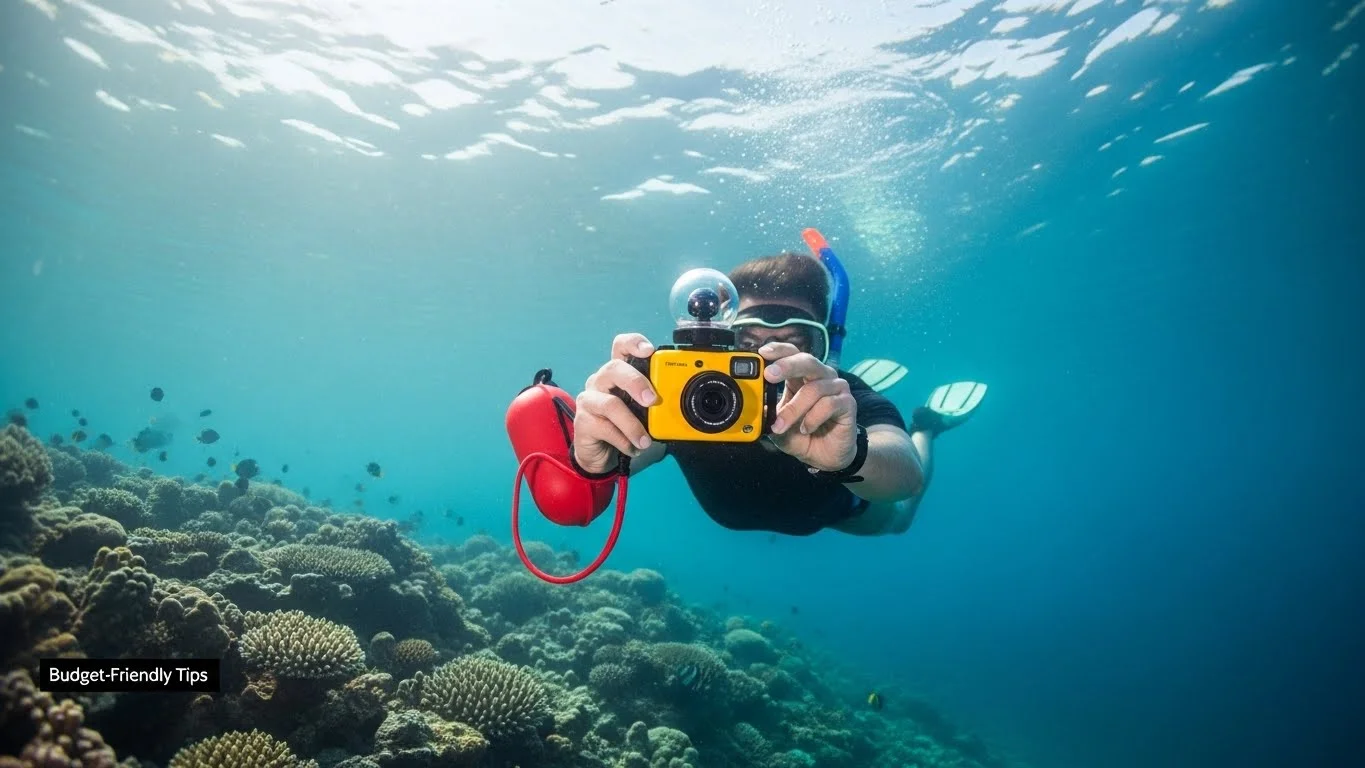
Understanding Underwater Photography
The Basics of Underwater Photography
When I first dipped my toes into underwater photography, I quickly realized that it’s not just about snapping pictures. There’s a whole world of techniques and principles to learn. The first thing I noticed was how different the underwater environment is compared to above water. Light behaves differently, colors change, and the surroundings can be unpredictable. Understanding the basics of composition, exposure, and lighting is key. I learned to focus on simple things like framing my shots, keeping my camera steady, and being aware of my surroundings. This foundational knowledge has been invaluable in improving my skills.
Importance of Choosing the Right Equipment
Choosing the right equipment is crucial in underwater photography. I remember feeling overwhelmed by the choices available when I started. From cameras to lighting, each piece of gear plays a vital role in achieving great results. I learned that while high-end equipment can yield fantastic images, there are plenty of budget-friendly options that can deliver impressive results. The goal is to find gear that fits your needs and your budget. I found that investing in the right equipment, even at a lower price point, can significantly enhance my underwater images. Read Interesting article: Essential Tips for Budget Underwater Adventure Photography
Essential Budget-Friendly Underwater Photography Equipment
Underwater Cameras
When it comes to underwater cameras, I discovered that there are many options that won’t drain your wallet. I started with a compact waterproof camera, which was easy to use and affordable. These cameras are designed to withstand underwater conditions, making them perfect for beginners. I found that models like the Fujifilm FinePix XP series or the Olympus Tough series are great for capturing vibrant underwater scenes without a steep investment. As I gained confidence, I later upgraded to a DSLR with a waterproof housing, but I still treasure those early days where everything was simpler.
Waterproof Camera Housings
If you already have a camera that you love, consider investing in a good waterproof housing. This allows you to take your existing camera underwater without the need for a new one. I remember shopping around and finding affordable housings from brands like Ikelite or Sea & Sea. These housings often come with features like buttons that replicate your camera’s functions, so you can easily adjust settings while underwater. Just make sure to test the housing in a controlled environment before your dive; I learned that lesson the hard way!
Lens Options for Underwater Photography
Lenses can significantly impact your underwater photography. I experimented with wide-angle lenses, which are fantastic for capturing the grandeur of underwater landscapes. For me, a fisheye lens opened up a whole new world of creative possibilities. However, I also found that using the right dome ports with my lenses was essential for image clarity. There are budget-friendly options available that still provide good quality, so don’t feel pressured to purchase the most expensive lenses right away. I recommend renting or borrowing different lenses to see what works best for your style.
Lighting Equipment: Strobes and Video Lights
Lighting can make or break your underwater shots. I quickly learned that natural light can be limited underwater, especially in deeper waters or murky conditions. Investing in a good underwater strobe or video light can completely transform your images. I started with a simple LED video light, which was affordable and allowed me to experiment without a large investment. Strobes are great for freezing motion and illuminating specific subjects, while video lights provide a softer, more natural look. You don’t need to purchase top-tier lights; even mid-range options can yield stunning results.
Tripods and Stabilizers for Underwater Use
Stability is crucial for getting sharp images underwater. I found that using a tripod or stabilizer can help immensely, especially in calm waters. While I didn’t want to overpack my gear, I discovered that a lightweight tripod was a great addition. There are also handheld stabilizers designed specifically for underwater use, which I found helpful for video work. Keeping your camera steady helps avoid blurry shots, and investing in a good stabilizer can be a game changer as you improve your skills.
Affordable Accessories for Underwater Photography
Filters and Lens Adapters
When I began my underwater photography journey, I quickly learned about the importance of filters. Underwater, colors can shift dramatically due to water absorption. For example, reds and oranges can disappear at just a few feet. I discovered that using color correction filters can help restore those hues, especially when shooting in deeper water. I started with a simple red filter that attached easily to my camera housing. It made a noticeable difference in the vibrancy of my images. Lens adapters can also expand your creative options, allowing you to attach different filters or even different lens types. I found this versatility to be incredibly helpful as I experimented with my shots.
Buoyancy Control Devices
One thing I didn’t think about initially was buoyancy. I remember struggling to keep my camera steady as I floated around, trying to get the perfect shot. That’s when I realized the value of buoyancy control devices. These accessories help keep your camera neutral in the water, making it easier to achieve stability while shooting. I experimented with different types, from simple buoyancy floats that attach to your camera to more complex systems. Having good buoyancy control not only improved my images but also made my overall experience underwater much more enjoyable. It felt like I had better control over my movements and could focus on capturing great shots.
Underwater Camera Bags and Cases
Protecting my gear was a priority for me. I learned the hard way about the importance of a good underwater camera bag. I once took my camera on a day trip without a proper case, and I ended up with a soaked camera after a rogue wave hit! Since then, I’ve always made sure to invest in a reliable underwater camera bag. There are many options available, from soft cases to hard-shell designs. I recommend looking for something that offers good padding and is waterproof. It’s worth it for peace of mind when you’re out diving or snorkeling. A sturdy bag not only keeps your gear safe but also makes it easier to transport everything to and from the water.
Cleaning Kits for Underwater Equipment
After each dive, I realized how important it was to take care of my equipment. Saltwater, sand, and other elements can wreak havoc on your gear. I got myself a basic cleaning kit specifically for underwater photography. It usually includes a soft brush, microfiber cloth, and a blower to remove any debris. I’ve learned that taking the time to properly clean my camera after every outing has saved me from potential damage. It’s a simple step that ensures my gear stays in top condition for years to come. I also make it a habit to rinse everything with fresh water after using it in the ocean, which has really helped prolong the life of my equipment.
Best Budget Brands for Underwater Photography
Entry-Level Cameras and Housings
Finding budget-friendly options for cameras and housings was a game changer for me. I remember being overwhelmed by the sheer number of brands and models available. However, I quickly discovered some reliable entry-level options that delivered great performance without breaking the bank. Brands like SeaLife and Canon offer solid cameras and housings that are well-suited for beginners. For instance, the SeaLife Micro 3.0 is a fantastic affordable option that’s completely waterproof and easy to use. It’s been perfect for my early dives and has helped me build confidence in my photography skills.
Mid-Range Options for Enthusiasts
As I progressed in my underwater photography journey, I started exploring mid-range options. I found that brands like Nikon and GoPro provide excellent cameras that offer more features and image quality than entry-level models. I particularly enjoyed using a GoPro for its versatility; it’s not only great for underwater photography but also for capturing everyday adventures. The ability to change settings on the fly and its compact size made it a favorite of mine. Investing in mid-range gear has allowed me to grow as a photographer while still keeping costs manageable. Read Interesting article: Explore Underwater Wildlife: Budget Backpacking Photography Guide
Affordable Lighting Solutions
Lighting is essential for great underwater photography, and I was thrilled to find brands like Ikelite and Sea & Sea offering budget-friendly lighting solutions. Their strobes and lights are known for their quality and performance. I started with a basic strobe from Ikelite, which made a huge difference in my images. It was cost-effective and provided the extra light I needed to capture stunning underwater scenes. I learned that having the right lighting can elevate your photos significantly, and I encourage anyone starting out to explore these affordable options.
Tips for Saving Money on Underwater Photography Equipment
Buying Used or Refurbished Gear
One of the best decisions I made early on was to explore the possibility of buying used or refurbished gear. I know how tempting it is to want the latest and greatest, but many photographers sell their equipment after only a few uses. I found websites dedicated to used gear, as well as local shops that offer refurbished items at a fraction of the original cost. I once snagged a gently used underwater housing that was practically brand new! Just make sure to do your research and check for any warranties or return policies. It’s a great way to save money while still getting high-quality equipment.
Utilizing Rental Services for Equipment
Renting equipment has been a lifesaver for me, especially when I wanted to try something new without a hefty price tag. Before a big dive trip, I would often rent specialized gear that I wasn’t ready to buy, like certain lenses or lighting equipment. Local dive shops and online rental services often have a wide selection of underwater photography gear available. I remember renting a high-quality strobe for a week-long diving adventure and was blown away by the difference it made in my photos. Renting can also give you the chance to test out different equipment, helping you decide what to invest in later.
Comparing Prices and Finding Discounts
It may sound simple, but I can’t stress enough how important it is to shop around and compare prices before making a purchase. I learned this the hard way after buying a camera only to find it cheaper at another store a week later. Now, I always check multiple retailers, both online and in-store. I also keep an eye out for seasonal sales, clearance events, and special discounts, especially during holidays. Signing up for newsletters from photography shops can also alert me to special promotions. This practice has saved me a good amount of money and allowed me to invest in additional accessories.
Maintenance Tips for Your Underwater Photography Gear
Cleaning and Care of Equipment
Taking care of my underwater photography gear has been essential to prolonging its life. After every dive, I’ve made it a habit to rinse my equipment with fresh water. Saltwater can be incredibly damaging, and I learned that a thorough rinse helps remove any residue. Using a soft cloth to wipe down my camera and housing has also prevented scratches and maintained their functionality. I keep a cleaning kit handy, which includes a soft brush and microfiber cloth, making the process quick and easy. Regular cleaning not only keeps my equipment in good condition but also ensures that I capture clear, vibrant images.
Storing Your Gear Properly
Proper storage has become a top priority for me. After realizing how humidity and temperature can affect my gear, I started using airtight cases for my underwater equipment. I’ve also invested in silica gel packs to help absorb moisture. When I’m not using my gear, I make sure it’s stored in a cool, dry place. I even have a designated area in my home specifically for my photography equipment. This simple step helps me avoid potential damage and keeps my gear ready for my next adventure.
Regularly Checking for Damage or Wear
I can’t emphasize enough how important it is to regularly check my equipment for any signs of damage or wear. Before each dive, I do a thorough inspection of my camera, housing, and all accessories. I look for cracks, leaks, or any loose components. I learned this lesson the hard way when I didn’t notice a tiny crack in my housing before a dive, leading to a flooded camera. Now, I take the time to ensure everything is in perfect condition, which not only gives me peace of mind but also helps avoid costly repairs or replacements later on.
Common Mistakes to Avoid in Underwater Photography
Overlooking Lighting Conditions
Lighting can make or break an underwater shot, and I’ve had my fair share of mistakes in this area. I quickly realized that I needed to be mindful of the natural light available during my dives. For instance, diving deeper means less light, which can lead to darker images. I learned to adjust my settings accordingly and consider using strobes or video lights to enhance my shots. I remember one dive where I didn’t account for the lighting and ended up with murky, flat images. Now, I always evaluate the light conditions and adjust my approach accordingly to capture the best possible photos.
Ignoring Equipment Limits
In my excitement to dive into underwater photography, I sometimes pushed my equipment to its limits. I’ve learned that it’s essential to understand the capabilities and limitations of my gear. For example, knowing the depth limits of my camera housing and the effective range of my lights has saved me from disappointing results. I make it a point to research and familiarize myself with every piece of equipment I use. This knowledge has helped me make informed decisions during my shoots and ultimately improved the quality of my work.
Neglecting to Practice Before a Dive
Practice makes perfect, and I can’t stress how vital it is to familiarize myself with my gear before heading underwater. I used to skip this step, thinking I could just wing it, but I learned that it often led to missed opportunities. I now spend time practicing my settings and techniques in controlled environments, like pools or shallow waters. This preparation helps me feel more confident and allows me to focus on creativity rather than fumbling with equipment when I’m underwater.
Final Thoughts
Underwater photography has been one of the most rewarding experiences of my life. It’s not just about capturing beautiful images; it’s about connecting with a world that feels so alien yet extraordinarily peaceful. As I’ve navigated through my journey, I’ve learned that it’s essential to embrace both the challenges and the triumphs that come with this art form. I think the key is to have fun and allow yourself to grow, both as a photographer and as a diver.
Every dive has its own story, and being able to tell those stories through images is something very special. I remember a dive where I encountered a school of fish that seemed to dance around me. I felt like I was part of their world for a brief moment. Capturing that experience was magical, and it reminded me why I fell in love with underwater photography in the first place. It’s these moments of connection that make all the effort worthwhile.
As you embark on your own underwater photography journey, remember to be patient with yourself. It’s okay to make mistakes; in fact, I believe that’s where the best learning happens. Each photo you take is a step toward improving your skills. Celebrate your successes, no matter how small, and don’t hesitate to seek inspiration from other photographers. I’ve found that sharing experiences with fellow enthusiasts has enriched my understanding and passion for this craft.
Finally, keep experimenting and pushing your boundaries. Whether that means trying out new techniques, exploring different locations, or using equipment you’ve never tested before, every experience will add to your growth as a photographer. I encourage you to dive deep, both literally and figuratively, into this fascinating world. You may discover something beautiful in ways you never expected.
So gear up, take a deep breath, and immerse yourself in the wonder of underwater photography. The ocean is waiting, and I can’t wait to see the stunning images you create!
Frequently Asked Questions
What is the importance of understanding the basics of underwater photography?
Understanding the basics of composition, exposure, and lighting is key to capturing stunning images underwater. The underwater environment is different from above water, affecting how light behaves and how colors appear.
What type of underwater camera is recommended for beginners?
For beginners, compact waterproof cameras like the Fujifilm FinePix XP series or the Olympus Tough series are recommended as they are affordable and easy to use.
How can I use my existing camera for underwater photography?
Investing in a good waterproof housing allows you to take your existing camera underwater without needing to buy a new one. Make sure to test the housing in a controlled environment before your dive.
What role do lenses play in underwater photography?
Lenses significantly impact underwater photography. Wide-angle lenses are great for capturing landscapes, and using the right dome ports with the lenses is essential for image clarity. Budget-friendly options are available, and renting can help you find what works best for your style.
Why is lighting important in underwater photography?
Lighting can make or break your underwater shots. Natural light is often limited underwater, so investing in strobes or video lights can transform your images, providing better illumination and enhancing your shots.
What are some affordable accessories for underwater photography?
Affordable accessories include filters for color correction, buoyancy control devices to stabilize your camera, underwater camera bags for protection, and cleaning kits for maintenance after each dive.
What are some budget-friendly brands for underwater photography equipment?
Brands like SeaLife, Canon, Nikon, and GoPro offer reliable budget-friendly options for cameras and housings. For lighting solutions, Ikelite and Sea & Sea provide quality equipment at a lower cost.
How can I save money on underwater photography equipment?
Consider buying used or refurbished gear, utilizing rental services for specialized equipment, and comparing prices across different retailers to find discounts and deals.
What maintenance tips should I follow for my underwater photography gear?
After each dive, rinse your equipment with fresh water, store it properly in airtight cases with silica gel packs, and regularly check for any signs of damage or wear to prolong its life.
What common mistakes should I avoid in underwater photography?
Avoid overlooking lighting conditions, ignoring your equipment’s limits, and neglecting to practice with your gear before diving to ensure you capture the best possible images.