
Compact drones have transformed the way we capture stunning aerial shots during our travels. With their lightweight design and powerful features, they allow us to explore the skies like never before. For those interested in budget-friendly options, be sure to check out the Ultimate Guide to Affordable Drones for Backpacking.
Understanding Compact Drones
What is a Compact Drone?
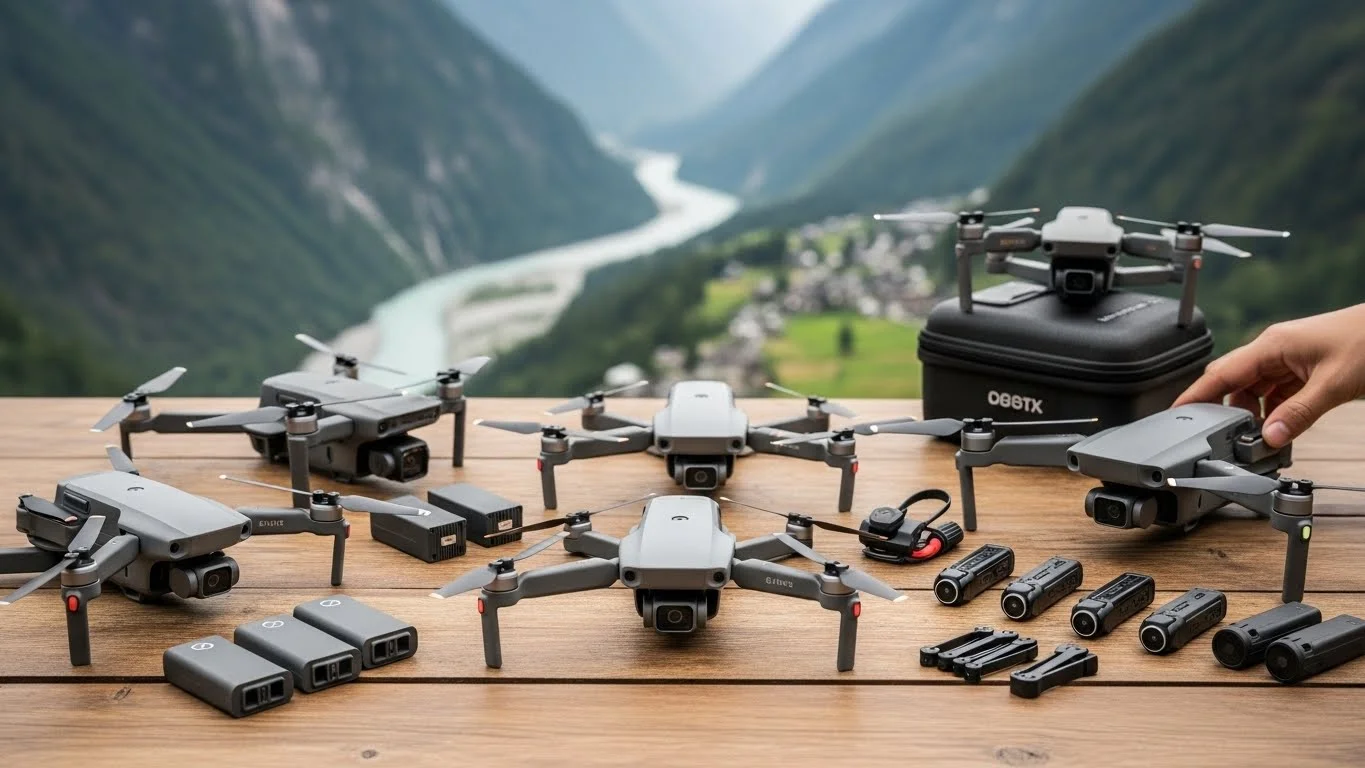
Compact drones are small, lightweight flying devices designed for easy transportation and usability without sacrificing performance. When I first got into drone photography, I quickly realized that compact drones offer a perfect blend of portability and capability. Unlike their larger counterparts, these drones can fit into a backpack or even a large pocket, making them ideal for travelers like us who want to capture breathtaking landscapes or cityscapes without the hassle of bulky equipment. I’ve found that many compact drones are designed to be user-friendly, with intuitive controls that make flying them a breeze, even for beginners.
Advantages of Compact Drones for Travel
One of the most significant advantages of using a compact drone during travel is convenience. I remember feeling overwhelmed at first, trying to figure out how to carry all my photography gear. But with a compact drone, I can easily toss it into my carry-on luggage, freeing up space for other essentials. The lightweight design also means I can hike up a mountain or walk through a bustling city without being weighed down.
Additionally, compact drones are often equipped with advanced technology that delivers stunning image quality. I’ve taken some of my best travel shots with these drones, capturing moments that would have been impossible otherwise. Whether it’s a sweeping view of a coastline or an intimate shot of a hidden waterfall, they deliver impressive results. If you’re looking for budget options, consider the Top 5 Budget Drones for Stunning Travel Photos.
Another perk is their battery efficiency. Many compact models come with longer flight times than expected, allowing for extended aerial adventures. I recall sitting on a cliff overlooking the ocean, capturing the sunset as my drone effortlessly soared, all thanks to its reliable battery life. This reliability gives me peace of mind while enjoying my travels.
Key Features to Look For
When I started researching compact drones, I quickly learned that not all models are created equal. There are several key features to consider that can significantly enhance your aerial photography experience. First, I recommend looking for a drone with a high-quality camera. A good sensor and lens can make all the difference in capturing stunning images and videos. I’ve always been drawn to drones with at least a 4K video capability. It gives my footage a professional touch that I cherish.
Next, consider the flight range and connectivity options. Drones that can maintain a solid connection with your remote or mobile device will allow you to explore further. I once had a heart-stopping moment when I lost connection with my drone, so I now prioritize models that boast reliable transmission technology. It’s also beneficial to have GPS capabilities for safe flying, especially in unfamiliar areas.
Battery life is crucial, as I’ve experienced the stress of running out of power mid-flight. Look for drones that offer at least 20-30 minutes of flight time per charge. Additionally, I like to ensure there are options for quick battery swapping or charging, which allows me to get back to flying without long waits.
Finally, consider portability features like foldable arms and lightweight materials. I’ve found that models that easily fold up save space and make it easier to carry. In my experience, compact drones can be an absolute game-changer for capturing those stunning travel shots. They open up a world of possibilities, allowing us to see our favorite destinations from a new perspective. I’ve come to appreciate the freedom that comes with flying a drone, and I believe you will too, especially when you’re out exploring. For families looking for premium options, don’t miss the Must-Have High-End Gear for Luxe Family Getaways.
Top Compact Drones for Aerial Travel Shots
DJI Mini 3 Pro
I can’t stress enough how much I love the DJI Mini 3 Pro. This drone has become a staple in my travel gear. With its impressive 4K camera and lightweight design, it checks all the boxes for someone like me who enjoys capturing stunning aerial views. The Mini 3 Pro boasts advanced features like obstacle avoidance and a range of up to 12 kilometers, which gives me the freedom to explore further without worrying about losing my drone. Plus, the battery life is exceptional, allowing for up to 34 minutes of flight time. I remember taking it to a national park, and the photos I got were breathtaking!
Autel EVO Lite+
The Autel EVO Lite+ caught my eye for its flexibility and high image quality. It has a large 1-inch CMOS sensor, which means it excels in low light conditions—perfect for those sunset shots I love to capture. What I appreciate is its adjustable aperture, giving me the ability to manipulate depth of field. When I traveled to a coastal town, I used the Lite+ to get some dramatic shots of the cliffs at dusk, and the clarity was just stunning. The flight time is around 40 minutes, so it gives me ample opportunity to experiment with different angles and compositions.
Parrot Anafi AI
The Parrot Anafi AI is another compact drone that has impressed me with its unique features. It’s lightweight and folds up nicely, which is a huge plus for travel. The 32x zoom capability is something I find incredibly useful, especially when I want to capture details from afar without disturbing the scene. I remember using it in a bustling market, where I could snap candid shots of locals without getting too close. The Anafi AI also has a 4K HDR camera, so the image quality is fantastic, even on cloudy days.
Holy Stone HS720E
If you’re on a budget, the Holy Stone HS720E is worth considering. It’s an affordable option that doesn’t skimp on features. I’ve had a great experience with its 4K camera and GPS-assisted flight features. The drone is sturdy and easy to fly, which makes it great for beginners. I once took it on a road trip and was pleasantly surprised by the quality of the footage. It’s not as compact as some higher-end models, but at around 500 grams, it’s still manageable to carry along on adventures.
DJI Mavic Air 2
The DJI Mavic Air 2 is often hailed as a go-to for travel enthusiasts, and I can see why. With its powerful camera that offers 48MP stills and 4K video at 60fps, it’s perfect for anyone looking to elevate their photography game. I took mine to a scenic overlook, and the level of detail in the images was just jaw-dropping. The Mavic Air 2 also features intelligent shooting modes, which means I can effortlessly capture cinematic shots without needing advanced skills. The flight time is approximately 34 minutes, which is fantastic for longer outings.
Camera Specifications and Image Quality
Sensor Size and Resolution
When it comes to aerial photography, the sensor size really does matter. I’ve learned that larger sensors typically produce better image quality, especially in challenging lighting conditions. In my experience, drones with at least a 1-inch sensor, like the Autel EVO Lite+, deliver significantly clearer images with more dynamic range. This means I can capture vibrant colors and intricate details in my travel photos, whether I’m shooting at sunrise or during the golden hour.
Lens Options and Focal Length
Lens options are another critical factor to consider. I’ve found that drones with variable focal lengths allow for more creative freedom. For instance, a wide-angle lens can help capture expansive landscapes, while a telephoto lens can hone in on distant subjects. I remember being able to shoot wide, sweeping vistas of mountains as well as close-ups of wildlife with the same drone. This versatility is invaluable for travel photography, where every scene has its own story to tell.
Video Recording Capabilities
I’ve always been a fan of capturing video during my travels, and the recording capabilities of compact drones have come a long way. Most models today can shoot in 4K, which is essential for achieving that cinematic quality I crave. I’ve also noticed that drones that offer higher frame rates—like 60fps—allow me to create smooth, slow-motion footage. This feature has been a game-changer for me, especially when documenting adventures like kayaking or hiking. The ability to slow down and highlight the beauty of a scene is something I cherish in my travel videos.
Flight Time and Battery Life
Average Flight Time of Top Models
One of the first things I check when considering a compact drone is its flight time. From my experience, there’s nothing more frustrating than running out of battery just as you’re about to capture that perfect shot. Most compact drones offer a range of flight times, usually between 20 to 40 minutes per charge. For instance, the DJI Mini 3 Pro boasts an impressive 34 minutes, which I have found to be more than enough for most of my adventures. I remember flying over the Grand Canyon, and knowing I had that extra time really allowed me to explore different angles and perspectives without the constant worry of landing early.
When I was using the Autel EVO Lite+, I appreciated its 40-minute flight time. It felt liberating to have that extended duration for creative exploration. I could take my time, switch between different settings, and really focus on what I wanted to capture. Of course, factors like wind speed and flying style can affect flight times, but having a drone that can last longer gives us more leeway to experiment.
Battery Charging Options
Battery charging options can also make a huge difference during travel. I’ve learned that having multiple batteries is a game-changer; that way, I can keep flying while one battery is charging. Most compact drones these days come with smart charging options, allowing batteries to be charged in sequence, which I find super convenient. The DJI Mini 3 Pro, for example, has a charging hub that can hold multiple batteries, and I often use that during layovers or downtime.
Moreover, some drones even offer fast-charging capabilities, letting you get back into the air quicker. I once found myself with a short window to grab some shots during a beautiful sunset, and I was so glad my drone had that feature. The ability to charge batteries quickly on the go is something I highly recommend looking for when choosing a drone.
Battery Maintenance Tips
Taking care of your drone’s battery can extend its life significantly. I’ve learned a few tricks along the way that I think you might find helpful. First, avoid letting the batteries drain completely before recharging them. Instead, try to keep them between 20% and 80% charged whenever possible. I remember when I first started flying drones, I didn’t think much about battery maintenance, and I ended up with significantly reduced flight times over the months.
Also, store your batteries in a cool, dry place when not in use. I keep mine in a protective case to avoid any accidental damage. During warmer months, I try to avoid exposing them to high temperatures, as heat can degrade battery capacity. I’ve found that investing in a good battery bag or case has really paid off in the long run, as it keeps them safe and organized while I’m traveling.
Lastly, regularly check the condition of your batteries. If you notice any swelling or damage, it’s best to replace them. As we all know, safety comes first, especially when it comes to flying. I’ve learned to be proactive about battery care, and it makes a real difference in my overall flying experience.
Portability and Design
Weight and Size Considerations
When it comes to travel, weight and size are paramount. I’ve found that the best compact drones are those that don’t compromise on performance while remaining lightweight and easy to carry. For me, a drone that weighs around 250 to 500 grams is ideal, as it strikes the perfect balance between portability and stability in the air. The DJI Mini 3 Pro, for example, impresses me not only with its capabilities but also with its lightweight design that makes it a breeze to carry during long hikes.
I remember trekking through the Rocky Mountains, and the last thing I wanted was a heavy drone weighing me down. A compact and lightweight drone made it so much easier to focus on enjoying the scenery rather than stressing about my gear. It’s amazing how much more I could explore when I wasn’t burdened by heavy equipment.
Foldable vs. Fixed Designs
Another design feature that I really appreciate is the foldability of a drone. I’ve had both fixed and foldable models, and I must say, foldable drones have become my go-to. The ability to collapse the arms and fit the drone into a small bag is incredibly convenient for travel. The DJI Mavic Air 2, for instance, folds up neatly, which makes it super easy to fit into a backpack alongside other gear.
On a recent trip to Europe, I had my foldable drone tucked away in my daypack, which made moving from city to city a lot more manageable. I could whip it out whenever I spotted an interesting vantage point without any hassle. I definitely recommend considering a foldable design if you plan on traveling frequently with your drone.
Carrying Cases and Accessories
Having the right carrying case can enhance your drone experience significantly. I’ve invested in a hard-shell case that not only protects my drone but also keeps my batteries and other accessories organized. When I travel, I can toss everything into one bag, making it easier to pack and unpack. There’s something satisfying about having an organized setup, especially when you’re on the go.
Additionally, I’ve found that using propeller guards and lens filters can protect my drone and enhance my photography. They don’t take up much space, and I always feel more secure knowing my drone is protected, especially in crowded or rugged areas. Carrying cases and accessories might seem like minor details, but they can make a significant difference in ensuring a smooth travel experience.
Regulations and Safety Tips for Traveling with Drones
Understanding FAA Regulations
As someone who enjoys flying my drone in various locations, I quickly learned that understanding regulations is crucial. The Federal Aviation Administration (FAA) has specific rules for flying drones in the United States that every drone operator must follow. For instance, I must always keep my drone within my line of sight, which is easier said than done when you’re trying to capture that perfect shot. I also discovered that flying above 400 feet can get you into trouble, so I make it a point to stay below that limit whenever possible.
Additionally, I registered my drone with the FAA because it weighs over 0.55 pounds. It was a simple process online, and it gives me peace of mind knowing that I’m complying with the law. I recommend checking the regulations in your local area before flying, as they may vary. It’s always better to be informed than to face potential fines or confiscation of your gear!
Local Drone Laws in Popular Travel Destinations
When I traveled to Europe, I found that each country had its own set of drone laws. For example, in some places, flying over populated areas is strictly forbidden, while others may require special permits. This was a learning experience for me, as I had to do a bit of research before my trip. I remember being in Spain, where I needed a permit to fly my drone in certain popular tourist spots. Thankfully, I had done my homework beforehand, which allowed me to enjoy capturing those stunning views without any legal hiccups.
Always check local laws and regulations before taking off. Apps and websites can provide up-to-date information on where you can and cannot fly. Understanding these laws not only keeps you out of trouble but also shows respect for the local community and environment.
Safety Tips for Aerial Photography
Safety is paramount when flying drones, especially in unfamiliar areas. I’ve learned a few essential safety tips that I think every drone enthusiast should keep in mind. First, always conduct a pre-flight check. I take a moment to inspect my drone for any damages or issues and ensure that the batteries are fully charged. I remember a time when I neglected this step, and it resulted in a less than ideal experience.
Weather conditions are vital to consider as well. I’ve been caught in unexpected winds before, and it can be nerve-wracking. I check the weather forecast and make sure it’s suitable for flying. Additionally, I avoid flying near airports, crowds, or wildlife to minimize risks and respect privacy. Keeping a safe distance from people and animals not only ensures safety but is also a responsible practice.
Editing Aerial Travel Shots
Best Software for Drone Footage
After capturing stunning aerial shots, the next step is editing, which can really enhance your travel videos. I’ve experimented with various editing software over the years and found a few that stand out. Adobe Premiere Pro is my go-to for comprehensive editing, allowing me to tweak every detail from color correction to sound design. However, if you’re looking for something more user-friendly, I recommend using apps like DaVinci Resolve or iMovie, which offer fantastic features for beginners.
Basic Editing Techniques for Stunning Results
In my experience, a few basic editing techniques can make a world of difference. I usually start by trimming clips to keep only the best shots, creating a more engaging flow. Adding transitions between clips can also help maintain the viewer’s interest. I’ve found that using slow-motion effects on breathtaking scenes, like waves crashing or birds soaring, adds a cinematic touch that leaves a lasting impression.
Color Grading and Filters
Color grading is where the magic happens. I love enhancing the colors in my footage to make them pop. Software like Adobe Lightroom can help me adjust specific colors and tones, making my travel videos feel more vibrant and true to life. I often use LUTs (Look-Up Tables) to apply a particular style quickly, which can give my videos a professional look with minimal effort.
Real-Life User Experiences and Reviews
Customer Testimonials and Ratings
Hearing from other drone users has been incredibly helpful in making my purchasing decisions. I often check reviews and testimonials to get a sense of how a drone performs in real-life situations. For example, I found a blog where someone shared their experience with the DJI Mini 3 Pro, and it confirmed my choice to invest in that model. The user highlighted its ease of use and fantastic image quality, which resonated with my own experiences.
Comparison of User Experiences Across Models
It’s fascinating to compare user experiences across different models. Some people rave about the Autel EVO Lite+ for its low-light capabilities, while others prefer the portability of the DJI Mavic Air 2. Reading these comparisons has allowed me to appreciate the unique features of each drone, helping me make more informed choices based on my specific needs and preferences.
Final Thoughts
Choosing the right compact drone can feel overwhelming, but it ultimately boils down to what fits your travel style and photography goals. I’ve learned that understanding regulations, safety practices, and editing techniques are just as crucial as finding the right model. Each adventure with my drone has taught me something new, and I’ve come to appreciate the unique perspectives and memories captured from above. I believe that with the right drone in hand, the skies truly are the limit, opening up a world of creative possibilities for all of us.
Frequently Asked Questions
What is a compact drone?
Compact drones are small, lightweight flying devices designed for easy transportation and usability without sacrificing performance. They can fit into a backpack or a large pocket, making them ideal for travelers looking to capture stunning aerial shots.
What are the advantages of using compact drones for travel?
Compact drones offer convenience, lightweight design, advanced technology for stunning image quality, and efficient battery life. They are easy to pack in carry-on luggage and allow for extended aerial adventures, making them perfect for capturing breathtaking landscapes or cityscapes.
What key features should I look for in a compact drone?
When choosing a compact drone, consider features such as a high-quality camera (preferably with 4K video capability), solid flight range and connectivity, at least 20-30 minutes of battery life per charge, and portability features like foldable arms and lightweight materials.
What are some recommended compact drones for aerial travel shots?
Some top compact drones for aerial travel shots include the DJI Mini 3 Pro, Autel EVO Lite+, Parrot Anafi AI, Holy Stone HS720E, and DJI Mavic Air 2, each offering unique features and capabilities suited for different photography needs.
How important is battery life for compact drones?
Battery life is crucial as it determines how long you can fly your drone and capture footage. Most compact drones offer flight times between 20 to 40 minutes. Longer flight times provide more opportunities for creative exploration without the stress of running out of power mid-flight.
What safety tips should I follow when flying drones?
Always conduct a pre-flight check for any damages, check weather conditions, and avoid flying near airports, crowds, or wildlife. Keeping your drone within line of sight and adhering to local regulations are also essential for safe flying.
What should I know about drone regulations while traveling?
Understanding FAA regulations and local drone laws is crucial when flying drones in different locations. Regulations can vary by country and may include restrictions on flying over populated areas or the need for special permits. Always check local laws before flying.
What are some basic editing techniques for drone footage?
Basic editing techniques include trimming clips to keep only the best shots, adding transitions between clips, and using slow-motion effects on breathtaking scenes. These techniques can enhance the flow and engagement of your travel videos.
How can I maintain my drone’s battery health?
To maintain battery health, avoid letting batteries drain completely, store them in a cool, dry place, and regularly check their condition for any damage. Keeping batteries between 20% and 80% charged can also help extend their lifespan.
What software is recommended for editing drone footage?
For comprehensive editing, Adobe Premiere Pro is recommended, while user-friendly options like DaVinci Resolve or iMovie are great for beginners. Each software offers features that can enhance your travel videos significantly.