
Budget backpacking opens up a world of travel adventures without breaking the bank. With the right travel passes, we can explore stunning destinations while keeping our expenses low. For those looking to save even more, The Ultimate Guide to Discounts on Travel Passes is an excellent resource.
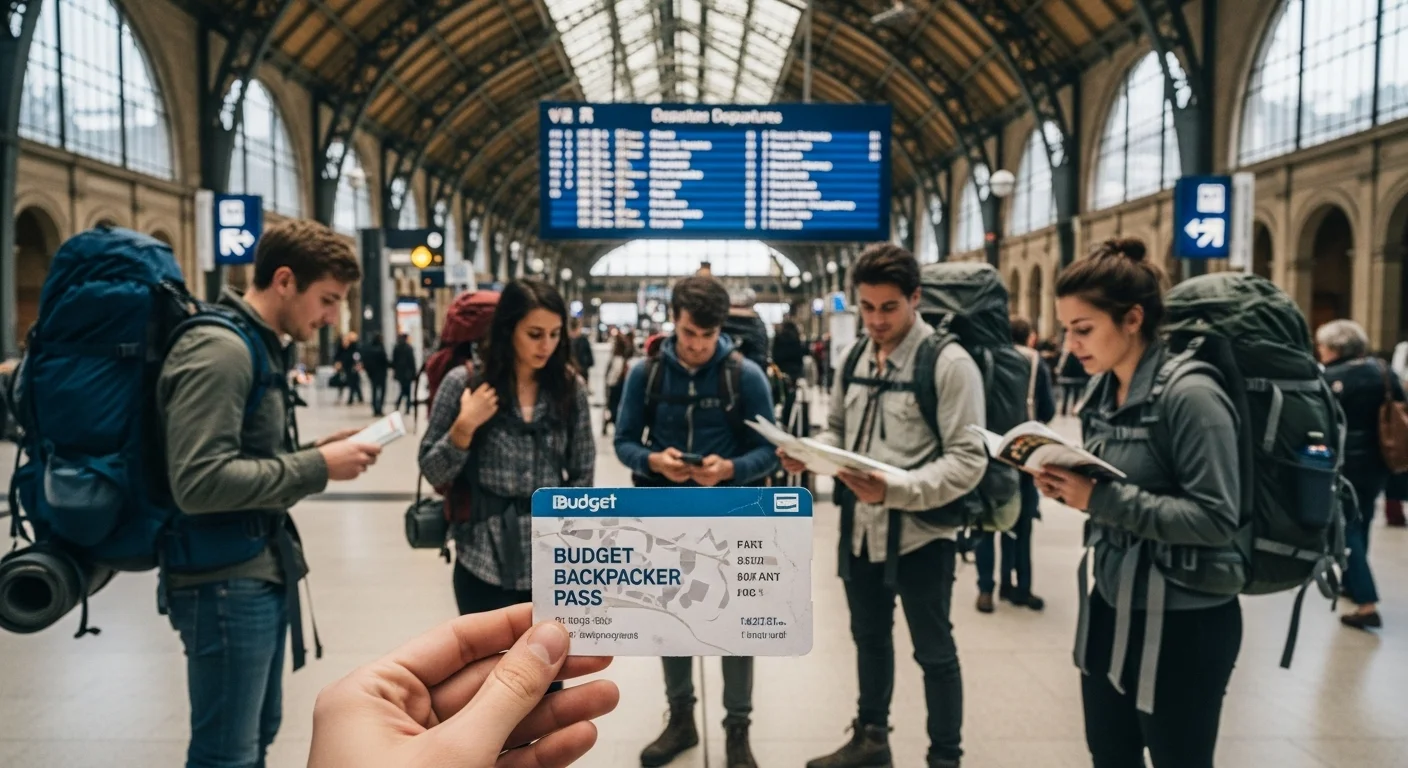
Understanding Budget Backpacking
What is Budget Backpacking?
Budget backpacking is all about traveling on a shoestring. It involves exploring new places while minimizing costs, allowing us to stretch our travel budget further. I remember my first experience of budget backpacking; I took a leap of faith and decided to explore Southeast Asia. I packed my backpack, set a strict budget, and immersed myself in the local culture without splurging on expensive hotels or fancy restaurants. Instead, I learned to embrace hostels, street food, and public transportation, all of which contributed to a rich and unforgettable experience.
Benefits of Budget Backpacking
The benefits of budget backpacking are plentiful and rewarding. For starters, it encourages flexibility and spontaneity. Without a rigid itinerary, we can change our plans on a whim, allowing us to discover hidden gems that aren’t in the guidebooks. I’ve found that some of my best travel moments came from unplanned adventures, like stumbling upon a local festival or a breathtaking viewpoint.
Another significant benefit is the opportunity to meet fellow travelers and locals. When we stay in hostels or use public transportation, we often find ourselves in environments that foster connections. I’ve made lasting friendships with people from all over the globe while sharing stories and travel tips at hostels.
Budget backpacking also instills a sense of accomplishment. Every time I navigate public transport in a foreign country or haggle at a local market, I feel empowered. It’s about learning new skills, becoming resourceful, and gaining confidence in our ability to travel independently.
Essential Tips for Frugal Travelers
To get the most out of budget backpacking, I’ve learned a few essential tips over the years. First, planning is key, but not in a way that confines us to a strict itinerary. I suggest researching our destination in advance to identify the best budget-friendly accommodation and transportation options. Websites and apps like Hostelworld and Rome2rio have been invaluable in my travels.
Another tip is to embrace the local cuisine. I’ve discovered that street food often provides the most authentic culinary experiences at a fraction of the cost of restaurants. Whether it’s enjoying a delicious bowl of pho in Vietnam or tasting tacos on the streets of Mexico, I’ve found that food is one of the most enjoyable aspects of traveling.
It’s also wise to take advantage of free activities. Many cities offer free walking tours, museums, and community events, which can enrich our travel experience without costing a dime. I remember joining a free tour in Berlin and learning about the city’s history from a passionate local guide, which was far more enriching than any museum visit.
Lastly, don’t forget the power of public transportation. Investing in local transport passes can save us money and time. I’ve often found that buses and trains are not only cheaper but also allow us to see a city from a local’s perspective. I recommend checking out transportation schedules online and planning routes in advance. For more details on the best options, check out Top 5 Travel Passes to Slash Your Transportation Costs.
Arming ourselves with these tips creates a more enjoyable travel experience while keeping our budgets in check. Budget backpacking isn’t just about cutting costs; it’s about making the most of every dollar spent and savoring the journey.
Types of Travel Passes for Budget Backpackers
Rail Passes
Rail passes are a fantastic option for budget backpackers, especially if you’re traveling through countries with extensive train networks, like those in Europe or Japan. These passes allow unlimited travel on trains for a set number of days, which can be a game-changer when it comes to exploring multiple cities or regions. I remember getting an Interrail Pass during my European adventures, which gave me the freedom to hop on and off trains without stress. It felt liberating to plan my journey as I went along, with panoramic views of the countryside zipping by as I traveled. Plus, train travel often feels more scenic and immersive than flying.
Bus Passes
Bus passes are another excellent option for budget-conscious travelers. They typically cover long-distance routes and often connect cities that trains may not service directly. I once bought a Greyhound Pass while traveling across the USA, and it allowed me to see so much of the country without spending a fortune. Buses can take a bit longer than trains, but they often provide a more intimate travel experience, where you can chat with locals or other travelers. Many bus companies now offer comfortable seating and free Wi-Fi, making the journey more enjoyable.
City Travel Passes
If you’re planning to explore a specific city, city travel passes can be a fantastic investment. These passes usually include unlimited use of public transport, along with discounts or free entry to various attractions. I discovered this when I visited Barcelona; I purchased a transport pass that included metro and bus rides, allowing me to explore the city without worrying about individual ticket prices. It also gave me access to some museums and attractions at no additional cost, which was an incredible bonus. City passes can save us both time and money, especially when we’re eager to see as much as possible in a short amount of time.
Attraction Passes
Attraction passes are designed for those who want to pack their itinerary with visits to various sites and activities. These passes often bundle several attractions for a discounted price, which can be a win-win situation. I once bought an attraction pass in London, which included entry to the Tower of London, the London Eye, and several other famous sites. It felt great knowing I was saving money while ticking off multiple items from my bucket list. Just be sure to check which attractions are included and plan your visits wisely to get the most out of your purchase.
Multi-Country Travel Passes
For those adventurous souls looking to explore several countries, multi-country travel passes can make the journey smoother and more affordable. These passes allow travel across borders with a single ticket, making it easier to hop from one country to another. I experienced this firsthand when I traveled through Southeast Asia with a regional pass that covered several countries, including Thailand and Cambodia. It allowed me to explore diverse cultures without the hassle of booking individual tickets for every leg of my trip. I recommend looking into options like the South East Asia Pass, which can save both time and money while offering the flexibility to explore at your own pace.
Top Travel Passes for Frugal Travelers
Interrail Pass (Europe)
The Interrail Pass stands out as one of the best options for backpackers in Europe. It offers unlimited train travel across 33 countries for a specified number of days. The freedom to travel spontaneously was one of my favorite aspects of this pass. I could easily change my plans, discover new cities, and meet fellow travelers along the way. It’s perfect for anyone looking to cover a lot of ground in a short amount of time while enjoying the views from the train.
Eurail Pass (Europe)
Similar to the Interrail Pass, the Eurail Pass is designed for non-European residents traveling through Europe. It also provides unlimited train travel across numerous countries. I found it particularly helpful when I wanted to explore less-visited countries and regions, which might be harder to reach by other means of transport. The flexibility it offers is invaluable, especially for those who like to travel on a whim.
Japan Rail Pass (Japan)
If you’re planning a trip to Japan, the Japan Rail Pass is a must-have for budget backpackers. It grants unlimited travel on Japan’s vast rail network, including the famous Shinkansen (bullet trains). I used this pass during my trip and was amazed by how quickly and efficiently I could travel between cities like Tokyo, Kyoto, and Osaka. Plus, it allowed me to experience the local culture at each stop, making it a fantastic investment.
Greyhound Pass (USA)
The Greyhound Pass is ideal for those wanting to see the USA on a budget. It allows unlimited travel on Greyhound buses for a set number of days. I’ve used this pass to explore both big cities and small towns, experiencing the vastness and diversity of the country. The comfort and affordability of Greyhound made it easy to connect with various places, allowing me to appreciate the local culture along the way.
Go City Pass (Various Locations)
The Go City Pass is an excellent choice for travelers who want to experience popular attractions in major cities. This pass lets you choose a set number of attractions to visit over a specific number of days, often at a discounted price. I found this pass particularly handy in locations like San Francisco and Chicago, where I could explore museums, tours, and other experiences without stressing about costs. It truly opened up opportunities for me to enjoy everything these vibrant cities offer. For more insights on maximizing these passes, check out Unlock Amazing Savings with Travel Passes: Your Guide.
Hop-On Hop-Off Bus Passes
Hop-on hop-off bus passes are perfect for those who want to get acquainted with a new city quickly. They allow unlimited rides on a designated route with stops at major attractions. I loved using this system during my travels in places like London and Sydney. It gave me the flexibility to explore at my own pace, and I could jump off whenever something caught my eye. Plus, the commentary provided insight into the city’s history and culture, enriching my experience.
How to Choose the Right Travel Pass
Determining Your Travel Itinerary
Choosing the right travel pass really starts with understanding your itinerary. I’ve learned that mapping out where I want to go, how long I plan to stay in each place, and the distances between locations can help me decide which pass is best. For instance, if I know I’ll be hopping between several cities in a short time, a rail pass might be the way to go. On my last trip to Europe, I plotted my route and found that an Interrail Pass perfectly matched my travel plans, allowing me to explore multiple countries without the stress of individual tickets.
Comparing Costs and Benefits
Another crucial step is comparing the costs and benefits of various travel passes. I once spent hours researching different options, and it paid off immensely. I found that sometimes a slightly more expensive pass offered additional perks, like free entry to popular attractions or discounts on local tours. I recently compared the Go City Pass with individual tickets for attractions in San Francisco and realized I could save a significant amount while visiting my must-see spots. By listing out the attractions I wanted to visit and checking the pass prices, I was able to make an informed choice that maximized my fun and minimized my expenses.
Understanding Validity and Restrictions
Every travel pass comes with its own set of rules, so understanding validity and restrictions is essential. I’ve made the mistake of assuming a pass would cover everything, only to find out there were limitations. For example, some passes only allow travel on certain days, while others might restrict travel during peak hours. When I traveled in Japan, I made sure to check the Japan Rail Pass restrictions, ensuring I could take the Shinkansen without any hiccups. Reading the fine print can save us from unexpected surprises, allowing us to enjoy our journey without any added stress.
Assessing Your Travel Style
Lastly, we should consider our travel style when choosing a pass. Are we the type of travelers who prefer a flexible schedule, or do we like to have a set plan? Personally, I thrive on spontaneity, so I often lean towards passes that offer unlimited travel over a given period. This was incredibly helpful when I backpacked through Southeast Asia, as it allowed me to change my plans on a whim, like taking an unexpected detour to a beach town. On the other hand, if you prefer a more structured itinerary, a pass with specific travel dates might be a better fit. Assessing our travel habits can lead us to the best options available.
Best Practices for Using Travel Passes
Planning Your Route
Once we’ve chosen a travel pass, planning our route is key. I’ve found that taking some time to figure out my must-visit spots and the best travel connections between them helps make the most of my pass. For instance, on a trip to Italy, I mapped out cities I wanted to see and checked train schedules to minimize waiting times. This not only saved me money but also allowed me to experience more in a shorter time frame. I recommend using apps that provide real-time updates on transit schedules to keep our plans flexible and enjoyable.
Maximizing Value from Your Pass
To get the most bang for our buck, I suggest maximizing the value of our travel passes. This means utilizing every aspect they offer, from unlimited travel routes to discounts on attractions. During my time in Barcelona, I made a point to use my city travel pass for both transportation and entry to museums I had on my list. By planning ahead and taking full advantage of the pass, I felt I truly got my money’s worth, all while enjoying the beautiful sights of the city.
Keeping Track of Pass Validity
It’s also crucial to keep track of the validity of our passes. I learned this lesson the hard way when I accidentally let a day lapse on my pass while I was busy exploring. Now, I always mark the first day of use and any expiration dates in my travel journal or phone calendar. This simple habit has saved me from unnecessary stress, ensuring I utilize my pass fully without worrying about running out of time.
Using Mobile Passes vs. Paper Passes
Lastly, I’ve noticed the growing trend of mobile passes, and I’ve tried both mobile and paper options. Personally, I find mobile passes incredibly convenient since they’re easily accessible on my phone. This means I don’t have to worry about losing a physical ticket while traveling. However, I still appreciate having a paper pass for backup or when Wi-Fi isn’t available. In my experience, it’s best to weigh the pros and cons of each option based on our comfort level with technology and the destination’s infrastructure.
Common Mistakes to Avoid
Underestimating Travel Time
A common mistake I’ve made is underestimating travel time, which can throw off an entire day’s plans. I remember once thinking I could zip from one city to another in just a couple of hours, only to find out that the train schedules didn’t align as I hoped. It taught me the importance of factoring in not just travel times but also the waiting periods between connections. I now always budget extra time into my plans, so I can explore more and stress less.
Not Booking in Advance
Another pitfall is not booking in advance, especially during peak travel seasons. I once found myself in a jam trying to catch a train with no available seats because I didn’t secure my ticket early enough. I’ve learned that while some passes allow for last-minute travel, booking in advance often guarantees better prices and availability. I suggest checking the availability of seats for popular routes and planning accordingly to avoid any last-minute hassles.
Ignoring Local Transport Options
It’s easy to get caught up in the convenience of travel passes and forget about local transport options. I used to rely solely on my rail or bus passes, but I’ve learned that local transport, like trams or ferries, can enhance the travel experience. On a recent trip to Amsterdam, I discovered that a short tram ride led me to hidden neighborhoods filled with charm. So, I recommend keeping an eye out for local transport opportunities to broaden our adventures.
Overlooking Discounts for Students and Seniors
Lastly, I’ve seen many travelers overlook discounts for students or seniors, which can greatly reduce costs. During my travels, I found that many attractions and transportation options offer reduced rates with valid ID. I remember getting a student discount at a popular museum, which not only saved me money but also allowed me to enjoy more experiences. Always check for available discounts before purchasing tickets or passes; it’s a simple way to stretch our budgets.
Additional Budget Travel Tips
Accommodation Options for Budget Travelers
Food on a Budget: Eating Cheap While Traveling
Free Activities and Attractions
Staying Safe While Traveling on a Budget
Resources for Budget Backpacking
Travel Blogs and Websites
Mobile Apps for Planning and Booking
Online Forums and Communities
Frequently Asked Questions
What is budget backpacking?
Budget backpacking is a way of traveling on a shoestring, allowing explorers to visit new places while minimizing costs. It encourages the use of hostels, street food, and public transportation to extend travel budgets.
What are the benefits of budget backpacking?
Benefits include flexibility and spontaneity in travel plans, opportunities to meet fellow travelers and locals, and a sense of accomplishment from navigating new environments and learning new skills.
What essential tips can help frugal travelers?
Essential tips include researching destinations for budget-friendly options, embracing local cuisine, taking advantage of free activities, and utilizing public transportation to save money and enhance the travel experience.
What types of travel passes are available for budget backpackers?
Types of travel passes include rail passes, bus passes, city travel passes, attraction passes, and multi-country travel passes. Each offers unique benefits depending on the travel itinerary and destination.
What is the Interrail Pass?
The Interrail Pass is a travel pass for backpackers in Europe that offers unlimited train travel across 33 countries for a specified number of days, allowing for spontaneous travel and exploration.
What should travelers consider when choosing a travel pass?
Travelers should consider their itinerary, compare costs and benefits, understand the validity and restrictions of passes, and assess their travel style to choose the most suitable option.
How can travelers maximize the value of their travel pass?
Travelers can maximize the value of their pass by planning their routes effectively, utilizing every aspect of the pass (like discounts on attractions), and keeping track of the pass’s validity to fully benefit from it.
What common mistakes should budget backpackers avoid?
Common mistakes include underestimating travel time, not booking in advance, ignoring local transport options, and overlooking discounts for students and seniors that can significantly reduce costs.
What resources are available for budget backpacking?
Resources include travel blogs and websites, mobile apps for planning and booking, and online forums and communities where travelers can share tips and experiences.
How does embracing local cuisine benefit budget travelers?
Embracing local cuisine, particularly street food, provides authentic culinary experiences at lower costs compared to restaurants, enhancing the travel experience while staying within budget.