
Budget backpacking is an exciting way to explore the world while experiencing unique cultural festivals. By traveling sustainably, we can enjoy these vibrant events without leaving a heavy footprint on the planet. For those interested in attending festivals specifically, check out Backpacking to Music Festivals: A Budget Traveler’s Guide.
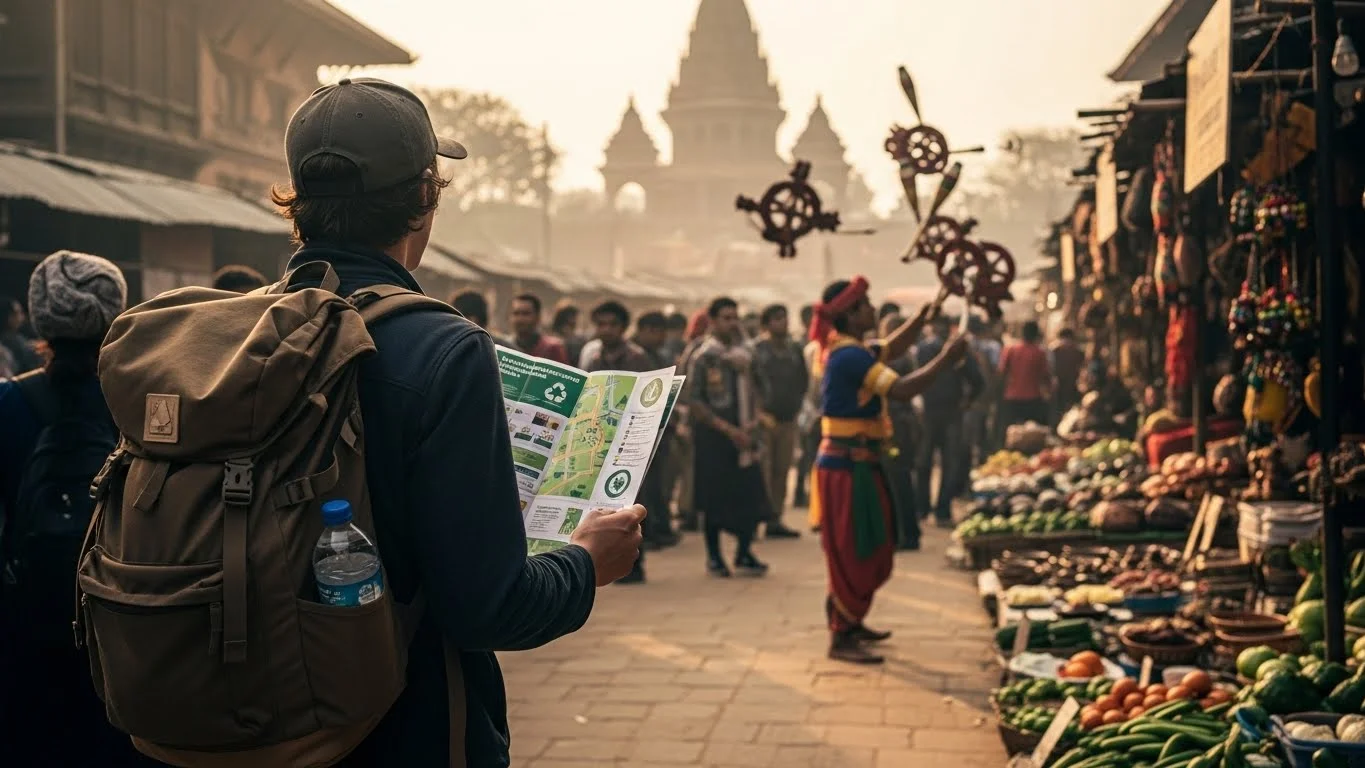
Understanding Budget Backpacking
What is Budget Backpacking?
Budget backpacking is all about exploring new places with limited funds while embracing adventure and cultural experiences. It’s a way to see the world without breaking the bank. I remember my first backpacking trip; I had just a few hundred dollars and a desire to see everything. I packed my essentials, grabbed my trusty backpack, and set off. The thrill of navigating unfamiliar streets and meeting new people was absolutely intoxicating. I found that budget backpacking allows us to immerse ourselves in local cultures, make lifelong memories, and discover hidden gems that traditional tourists often miss. If you’re looking for festivals to enrich your travel experience, consider Backpacking on a Budget: Cultural Festivals Worth Visiting.
Benefits of Budget Backpacking
There are countless benefits to budget backpacking, but for me, the most significant ones revolve around freedom and connection. First, the financial aspect allows us to stretch our travel dollars, making it possible to visit multiple destinations without feeling financially strained. I’ve learned to prioritize experiences over luxury, which has led to some of my most cherished memories.
Another advantage is the opportunity for cultural immersion. By staying in hostels, eating street food, and using public transportation, we get a real taste of local life. I’ve shared meals with families in Southeast Asia and danced with locals during festivals in South America. These interactions have enriched my travels in ways I never expected.
Finally, budget backpacking often fosters a sense of community among travelers. Whether it’s swapping stories over a campfire or sharing tips in a hostel common room, I’ve found that fellow backpackers are often open and friendly. We support each other, share resources, and create bonds that last beyond our travels.
Essential Gear for Backpackers
When it comes to packing for a backpacking trip, I’ve learned that less is more. The key is to choose versatile gear that serves multiple purposes. Here’s what I consider essential:
- Backpack: A good-quality, comfortable backpack is crucial. I usually opt for one around 50-70 liters, providing enough space for my belongings without being too heavy.
- Clothing: I stick to lightweight, quick-drying clothes that can be layered. A few t-shirts, a pair of pants, and a warm layer are usually sufficient. I recommend packing clothes that can easily mix and match.
- Sleeping Gear: A compact sleeping bag and a lightweight sleeping pad have been lifesavers during my travels, especially when I decide to camp or stay in hostels.
- Cooking Equipment: A portable stove and cooking utensils are great for preparing meals on the go. I love being able to whip up a simple meal in a hostel kitchen or at a campsite.
- First Aid Kit: I never travel without a basic first aid kit. It gives me peace of mind knowing I’m prepared for minor injuries or illnesses.
- Water Bottle and Filter: Staying hydrated is important, and I always carry a refillable bottle. A water filter or purification tablets can be invaluable in areas where clean water isn’t readily available.
Over the years, I’ve tried to be strategic about my packing. I always remind myself that if I can buy it on the road, I probably don’t need to pack it. This approach not only lightens my load but also allows for some spontaneous shopping adventures.
Ultimately, budget backpacking has taught me the value of simplicity. By focusing on the essentials and being open to new experiences, I’ve been able to explore the world in ways I never thought possible. Whether it’s joining a local festival, hiking in stunning landscapes, or simply soaking in the culture of a new city, I feel grateful for every moment of my journey. For more insights on exploring unique festivals, check out Explore Unique Festivals: Your Budget Backpacking Guide.
Choosing Sustainable Travel Practices
What is Sustainable Travel?
Sustainable travel is a concept that resonates deeply with me as I journey around the world. It’s about leaving a positive impact on the places we visit while minimizing our environmental footprint. I think of it as a way of traveling that respects both the planet and the cultures we encounter. When I first heard about sustainable travel, I was intrigued. It made me consider the choices I was making on my trips. Instead of just checking off destinations from a list, I began to think about how my travels could benefit local communities and preserve the environment.
From my experience, sustainable travel can take many forms. It involves supporting local businesses, choosing eco-friendly accommodations, and being mindful of our resources. I’ve found that when I engage in sustainable practices, my adventures become richer and more fulfilling. I remember attending a local market in a small town where I bought handmade crafts. Not only did I get a unique souvenir, but I also supported artisans trying to make a living. These experiences make me feel more connected to the places I visit.
Eco-Friendly Packing Tips
Packing for a trip can sometimes feel overwhelming, but I’ve learned that keeping it eco-friendly doesn’t have to be complicated. I try to pack items that are both practical and sustainable. For instance, I always bring a reusable shopping bag. It’s perfect for carrying groceries or souvenirs, and it helps me avoid single-use plastics. Whenever I can, I choose travel-sized toiletries that are biodegradable or come in refillable containers. I also opt for clothes made from natural materials, as they tend to be more sustainable than synthetic fabrics.
Another tip I’ve found useful is to carry a portable cutlery set and a reusable straw. I often grab takeout meals, and being able to use my own utensils instead of disposables feels good. I also pack a small cloth napkin, which comes in handy for meals on the go. These small choices make a difference, and I feel proud knowing I’m doing my part for the environment.
Transportation Options for Sustainable Travel
Transportation plays a huge role in our travels, and I’ve learned how important it is to choose eco-friendly options whenever possible. Public transportation is often my go-to choice. I love hopping on a bus or train; it gives me a chance to see the local scenery and meet people. I remember traveling across Europe by train, where the views were breathtaking and the journey itself was an adventure. Plus, trains emit less carbon compared to planes, making it a more sustainable choice.
When I find myself in a city, I often rent a bike. It allows me to explore at my own pace while reducing my carbon footprint. I’ve discovered hidden gems in cities this way—like quaint cafes or local shops tucked away from the busy tourist areas. Walking is another favorite of mine. It’s the best way to truly soak in the atmosphere of a place. I’ve explored markets, parks, and street art this way, making the journey itself just as rewarding as the destination.
For longer trips, I try to choose flights that have lower environmental impacts, and whenever I can, I offset my carbon footprint through various programs. While flying is not the most eco-friendly option, I believe it’s important to make informed choices that allow us to travel responsibly.
Top Cultural Festivals Around the World
Asia
Holi Festival (India)
The Holi Festival in India is a riot of colors and joy. I remember participating in my first Holi; it was like stepping into a vibrant painting! Everyone throws colored powders, dances, and sings together. This festival celebrates the arrival of spring and the victory of good over evil. I felt a sense of unity among the locals and other travelers, making it an unforgettable experience.
Songkran (Thailand)
Songkran, the Thai New Year, is another festival that’s close to my heart. It’s celebrated with massive water fights! When I joined in, I found it exhilarating to splash water on strangers and be splashed in return. This festival is not only about the fun; it marks a time for cleansing and renewal. I loved seeing the mix of tradition and festivity as families poured water over Buddha statues, symbolizing purification.
Africa
Timkat (Ethiopia)
Timkat is Ethiopia’s Epiphany celebration, and it blew me away with its deep spiritual significance and vibrant rituals. I was captivated by the procession of priests carrying the tabots (replicas of the Ark of the Covenant). The atmosphere was electric as people celebrated with music and dance. I felt honored to witness this unique blend of faith and culture.
Fes Festival of World Sacred Music (Morocco)
Attending the Fes Festival of World Sacred Music was a transformative experience for me. I was surrounded by the sounds of diverse musical traditions from around the globe. The festival highlights the power of music to connect people, and I found myself moved by the performances. It was a reminder of how art transcends language and cultural barriers.
Europe
La Tomatina (Spain)
La Tomatina is a festival that’s all about fun and chaos. I participated in the tomato fight in Buñol, and I have to say, it was one of the messiest and best days of my life. The sheer joy of throwing tomatoes with thousands of people was infectious! It felt like a giant, playful gathering where everyone was just there to have a good time.
Oktoberfest (Germany)
Oktoberfest in Munich is a celebration of Bavarian culture that I couldn’t miss. I loved trying out different local beers and enjoying traditional foods like pretzels and sausages. The atmosphere was filled with laughter and music, and I felt like I was part of something larger than myself. It’s a festival that brings together people from around the world, creating a sense of camaraderie.
North America
Mardi Gras (USA)
Mardi Gras in New Orleans is a feast for the senses, with colorful parades and lively music filling the streets. I was amazed by the creativity of the floats and costumes. Sharing beads with strangers and dancing to the rhythm of jazz created an unforgettable experience that highlighted the city’s rich culture.
Toronto International Film Festival (Canada)
The Toronto International Film Festival (TIFF) is a haven for film lovers. I had the chance to watch some amazing films and even attend Q&A sessions with directors. It was inspiring to see filmmakers from diverse backgrounds come together to share their stories. I felt a part of a creative community that celebrated the art of storytelling.
South America
Carnival (Brazil)
Carnival in Brazil is one of the most famous festivals in the world, and I was lucky enough to experience it in Rio de Janeiro. The energy was contagious as samba dancers paraded through the streets. I remember dancing along with locals and visitors, completely swept up in the celebration. It was a true testament to the joy of life!
Inti Raymi (Peru)
Inti Raymi, the Festival of the Sun, is a deeply-rooted cultural celebration in Peru. I found it fascinating to witness the Incan rituals and the reverence for nature. The colorful costumes, music, and dances transported me back in time. It felt like a genuine connection to the rich history and traditions of the Andes.
Planning Your Festival Itinerary
How to Choose Festivals Based on Your Interests
Choosing the right festivals to attend can be a game-changer for our travel experiences. Personally, I like to think about what excites me most—whether it’s music, food, art, or cultural traditions. For example, I’ve always loved music, so when I sought out festivals, I made sure to include events like the Fes Festival of World Sacred Music. It was such a joy to be surrounded by different musical styles and cultures. I recommend making a list of your interests and then researching festivals that align with those passions.
Another great approach is to look for festivals that offer unique experiences, such as local customs or traditional ceremonies. I remember attending Inti Raymi in Peru, which was not only visually stunning but also steeped in history. This kind of deeper engagement adds a rich layer to our travels. I often check festival calendars online and follow travel blogs for inspiration, which has led me to some hidden gems I wouldn’t have found otherwise.
Best Times to Visit Cultural Festivals
Timing can truly make or break a festival experience. I’ve found that many festivals have specific times of the year when they occur, often linked to local seasons or harvest celebrations. Researching these can save us from showing up at a destination only to find out that the festival is happening a week later! I remember planning a trip to Thailand and discovering that Songkran coincided perfectly with my travel dates. Experiencing the water festival during the hot season was a remarkable highlight of my journey.
It’s also worth noting the best times to book flights and accommodations. I’ve learned that booking early can help avoid inflated prices, especially around popular festivals. Sometimes, I even set reminders for when tickets go on sale or when to book a hostel to ensure I have a spot during busy times.
Budgeting for Festival Travel
Budgeting is an essential part of planning any trip, especially when attending festivals. I usually start by determining how much I’m willing to spend on the entire trip, which includes travel, accommodation, food, and festival tickets. I’ve learned the hard way that festivals can sometimes have steep entry fees, so it’s important to factor those into my budget.
One of my favorite tips is to look for free or low-cost events happening during the festival. Often, there are parades, street performances, and community activities that don’t require a ticket. This way, I’m still able to soak up the atmosphere without spending a fortune. I once stumbled upon a local art exhibition during Mardi Gras in New Orleans that was completely free, which added an unexpected layer to my experience.
Another practical budgeting tip is to plan meals around the festival. I often indulge in street food, which not only saves money but also lets me experience local flavors. I remember savoring delicious taco stands during a cultural event in Mexico, and it turned out to be one of the best meals of my trip. Being flexible with my budget allows me to enjoy the festival to its fullest without feeling stressed about overspending.
Accommodation Options for Backpackers
Hostels and Guesthouses
When it comes to accommodation, I’ve found that hostels and guesthouses are often the best fit for budget travelers like us. They provide not only a place to sleep but also a built-in community. I remember staying at a hostel in Barcelona where I connected with fellow travelers over shared meals and spontaneous adventures. It was such a rewarding experience to swap stories and tips with people from around the world.
Hostels often offer dormitory-style rooms, which are more affordable than private accommodations. However, if you’re looking for a bit more comfort, guesthouses can be a great option. They usually have a homely feel and provide a unique insight into local life. I once stayed at a guesthouse in Thailand run by a lovely family who shared traditional meals with us. It made my stay feel much more personal than a regular hotel ever could.
Couchsurfing and Homestays
Couchsurfing has become one of my favorite ways to travel on a budget. It allows us to stay with locals for free, and I’ve had some of my most memorable experiences this way. I remember couchsurfing in Istanbul and being welcomed into a local’s home, where we shared meals and explored the city together. It gave me a unique perspective that I wouldn’t have had otherwise.
Homestays are another fantastic option. They offer a similar experience to couchsurfing, but often come with a more structured arrangement. Staying with a family can provide cultural insights that go beyond what you’d find in guidebooks. I enjoyed a homestay in Vietnam, where I learned about traditional cooking methods and even participated in a local festival. These experiences enrich our travels and create lasting connections.
Camping and Outdoor Options
If you’re a nature lover like me, camping is an exhilarating way to save money while enjoying the great outdoors. I’ve camped in national parks and even near some festival grounds, which allowed me to be close to the action while maintaining a budget. Camping not only provides a unique experience but also connects you with nature. I remember one trip where I camped under the stars near a festival. The memories of sitting by the campfire, sharing stories with friends, and listening to the distant sounds of celebration are priceless.
For those who may not own camping gear, I’ve discovered that many places offer rental services. Additionally, some festivals even provide designated camping areas, which can be a fun and affordable way to meet fellow festival-goers. Just be sure to check specific festival guidelines regarding camping to plan accordingly.
Frequently Asked Questions
What is budget backpacking?
Budget backpacking is a way of exploring new places with limited funds while embracing adventure and cultural experiences. It allows travelers to see the world without breaking the bank and immerses them in local cultures.
What are some benefits of budget backpacking?
The benefits of budget backpacking include freedom to stretch travel dollars, opportunities for cultural immersion, and fostering a sense of community among travelers. It allows for prioritizing experiences over luxury, leading to meaningful memories.
What essential gear should I pack for a backpacking trip?
Essential gear for a backpacking trip includes a good-quality backpack (50-70 liters), lightweight and quick-drying clothing, a compact sleeping bag and pad, cooking equipment like a portable stove, a first aid kit, and a refillable water bottle with a filter.
What is sustainable travel?
Sustainable travel is about leaving a positive impact on the places visited while minimizing environmental footprints. It involves making choices that respect the planet and local cultures, such as supporting local businesses and choosing eco-friendly accommodations.
What eco-friendly packing tips can I follow?
Eco-friendly packing tips include using a reusable shopping bag, choosing travel-sized biodegradable toiletries, opting for natural fabric clothing, carrying a portable cutlery set, and bringing a cloth napkin to reduce single-use plastics.
What transportation options are best for sustainable travel?
For sustainable travel, public transportation is a great option, as it reduces carbon emissions. Biking and walking are also excellent ways to explore local areas while minimizing environmental impact. For longer trips, choosing flights with lower environmental impacts and offsetting carbon footprints is advisable.
What are some top cultural festivals around the world?
Top cultural festivals mentioned include Holi in India, Songkran in Thailand, Timkat in Ethiopia, the Fes Festival of World Sacred Music in Morocco, La Tomatina in Spain, Oktoberfest in Germany, Mardi Gras in the USA, the Toronto International Film Festival in Canada, Carnival in Brazil, and Inti Raymi in Peru.
How can I choose festivals based on my interests?
To choose festivals based on interests, consider what excites you the most, such as music, food, or cultural traditions. Research festivals that align with your passions and look for unique experiences that offer deeper engagement with local customs.
What budgeting tips should I consider for festival travel?
When budgeting for festival travel, determine your total spending limit for travel, accommodation, food, and festival tickets. Look for free or low-cost events, plan meals around street food, and be flexible with your budget to make the most of your experience.
What accommodation options are available for budget backpackers?
Accommodation options for budget backpackers include hostels and guesthouses, couchsurfing, homestays, and camping. These options provide opportunities for community interaction, cultural insights, and unique experiences while keeping costs low.