
Budget backpacking opens up a world of adventure, allowing us to explore new places while being mindful of our impact. Embracing community-based eco-tourism not only enriches our travel experiences, but it also supports the local communities we visit.
Understanding Budget Backpacking
Definition and Essentials of Backpacking
Backpacking is more than just a means of travel; it’s a lifestyle choice for many of us. I remember the first time I threw a few essentials into a backpack, ready to hit the open road. Backpacking often involves traveling light, using public transportation, and staying in budget accommodations like hostels or campsites. It’s about flexibility, spontaneity, and embracing the unexpected. Essentials for backpacking include a sturdy backpack, a sleeping bag, a portable cooking stove, and, of course, a sense of adventure. For me, the thrill of exploring unfamiliar terrains and meeting new people is what makes every trip unforgettable.
Benefits of Budget Backpacking
One of the most significant perks of budget backpacking is the ability to stretch my travel funds further. I’ve discovered that when we prioritize experiences over luxury, we often find ourselves in the most enriching situations. Budget travel fosters creativity; I’ve learned to find deals on transportation, seek out local eateries, and discover free attractions that are just as fulfilling as expensive tours. Additionally, budget backpacking allows us to connect deeply with cultures and communities. I’ve made lifelong friends from around the world, and those connections have often led me to hidden gems that I would have otherwise missed if I’d opted for a more traditional travel route. For more insights, check out Top 10 Eco-Friendly Accommodations for Budget Backpackers.
Why Choose Community-Based Eco-Tourism?
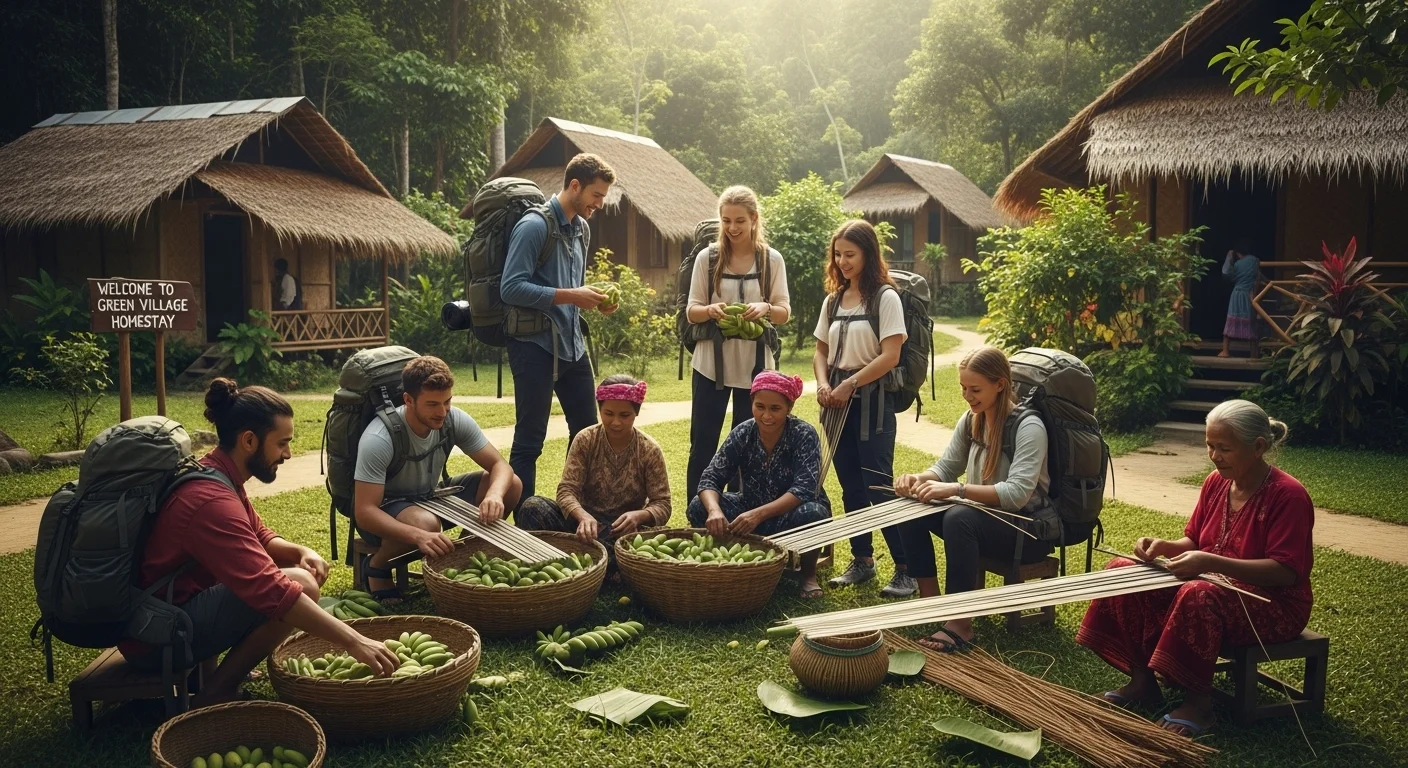
When I first learned about community-based eco-tourism, I was intrigued. This approach to travel emphasizes sustainability and responsible tourism, actively involving local communities in the tourism process. By choosing this route, I found that I was not just a visitor in these communities; I was part of something larger. Community-based eco-tourism allows us to contribute to the local economy and protect the environment. I’ve realized that when we support local businesses—like family-run lodges or artisanal markets—we help sustain traditions and create jobs for the community. This feels rewarding; it’s like giving back while also enriching our own travel experience.
Eco-tourism also encourages us to be mindful of our impact on the environment. I remember hiking through lush forests in Costa Rica, guided by locals who taught me about the delicate ecosystems we were traversing. It was a humbling experience, reminding me that my travels should leave a positive footprint. By choosing eco-friendly options like guided nature walks or conservation projects, I’ve been able to contribute to the preservation of natural habitats. It’s a beautiful cycle: I get to explore, learn, and give back all at once.
In my opinion, embracing community-based eco-tourism transforms the way we travel. Instead of merely being tourists, we become stewards of the places we visit. I’ve found that this approach leads to deeper connections with locals and a greater appreciation for their culture and lifestyle. It has changed how I see the world, making me more conscious of my choices as a traveler.
To sum it up, budget backpacking combined with community-based eco-tourism is a powerful way to explore our planet responsibly. It opens doors to new experiences while allowing us to support the very communities we visit. I believe every journey can be both enriching for us and beneficial for the places we explore. It’s a win-win that I think every traveler should consider embracing.
Key Principles of Eco-Tourism
Environmental Sustainability
When I think about eco-tourism, the first principle that comes to mind is environmental sustainability. This concept revolves around making choices that protect the environment while allowing us to enjoy its beauty. I remember hiking in the National Parks, where I learned about the importance of preserving ecosystems and minimizing our carbon footprint. Every time I choose to walk instead of drive or opt for reusable water bottles over single-use plastics, I feel like I’m making a small but significant difference. It’s about finding ways to enjoy nature while ensuring that it remains unspoiled for future generations.
One experience that stood out was visiting a conservation area where I participated in tree planting. Not only was I able to contribute to reforestation efforts, but I also learned about the local flora and fauna. It was inspiring to see how local communities and eco-tourism organizations work hand-in-hand to nurture the environment. I believe that as travelers, we have a responsibility to engage in practices that promote sustainability, such as leaving no trace and supporting conservation initiatives. It’s not just about the places we visit; it’s about the legacy we leave behind.
Community Involvement and Benefits
Community involvement is another cornerstone of eco-tourism. I’ve found that when local people are actively engaged in the tourism process, everyone benefits. For example, during my travels in Bali, I took a cooking class hosted by a local family. Not only did I learn to make traditional dishes, but I also understood the significance of their culinary practices and how they tie into the community’s culture. This experience not only enriched my understanding but also directly supported the family, allowing them to sustain their way of life.
Community-based projects can range from eco-friendly lodges owned by locals to guided tours led by community members. I appreciate that these initiatives create jobs and help preserve traditions. I’ve seen how tourism can empower local communities, allowing them to maintain their heritage while also sharing it with visitors. It truly feels rewarding to know that my travel choices contribute to the well-being of the communities I visit.
Cultural Respect and Preservation
Cultural respect and preservation are essential components of eco-tourism that I hold dear. It’s vital to approach every destination with an open mind and a willingness to learn. I’ve made it a point to research local customs and traditions before visiting a new place. This preparation has allowed me to engage with locals in a more meaningful way. I remember attending a traditional festival in Peru, where the locals welcomed us with open arms. By participating and respecting their customs, I not only learned about their culture but also built connections that I cherish to this day.
For me, cultural preservation goes hand-in-hand with eco-tourism. It’s not just about seeing the sights; it’s about understanding the stories and struggles of the people who call these places home. I often seek out experiences that promote cultural exchange, such as workshops or home stays, which help me appreciate the diversity of human experience. I believe that by respecting and preserving local culture, we can create a more enriching travel experience for ourselves and the communities we engage with.
Planning Your Budget Backpacking Trip
Setting a Budget: What to Consider
Setting a budget for my backpacking trips has always been an exciting challenge. I’ve learned to break down my expenses into key categories like transportation, accommodation, food, and activities. This helps me prioritize what’s most important for my travel experience. For instance, I might decide to splurge a little on a unique experience like a cooking class while staying in budget accommodations to balance my overall costs.
Also, I always factor in unexpected expenses. I can’t tell you how many times I’ve encountered surprise fees or needed to adjust my plans. So, I make sure to set aside a small emergency fund to cover any surprises. With careful planning, I’ve managed to travel to some amazing places without breaking the bank.
Choosing Eco-Friendly Destinations
Choosing eco-friendly destinations is another way I plan my trips. I’ve found that certain places are more dedicated to sustainable practices, and visiting these areas has been incredibly fulfilling. Researching destinations that prioritize eco-tourism has led me to some hidden gems. For example, I discovered a small coastal town in Portugal that is committed to ocean conservation. The locals had created programs to protect marine life while encouraging responsible tourism. This experience not only provided stunning scenery but also aligned perfectly with my values.
When planning a trip, I often look for places that offer eco-friendly accommodations, promote sustainable practices, and engage in conservation efforts. Those choices enrich my travels while ensuring I’m supporting places that care for the planet.
Researching Community-Based Projects
Before heading to a new destination, I spend time researching community-based projects that I can participate in. This has become one of my favorite aspects of planning. I’ve volunteered at local schools, helped with beach clean-ups, and even participated in wildlife conservation efforts. These opportunities not only allow me to contribute positively but also help me connect with locals in a meaningful way.
I usually check platforms dedicated to eco-tourism and volunteer opportunities. I remember finding a fantastic program in Kenya focused on wildlife rescue and rehabilitation. The experience was eye-opening and taught me so much about conservation. By researching these projects, I can choose activities that resonate with my values and make a genuine impact. Consider looking into Top 5 Responsible Safari Practices for Eco-Friendly Travel for more ideas.
Finding Affordable Accommodation
Finding affordable accommodation has become an art form for me. I’ve learned to explore various options beyond traditional hotels. Hostels, guesthouses, and even camping have become my go-to choices. I remember staying in a local guesthouse in Thailand, where the owners treated us like family. Not only was it budget-friendly, but it also provided an authentic experience I wouldn’t have gotten in a chain hotel.
Additionally, I often look for eco-friendly lodges that are committed to sustainability. They might be a bit pricier sometimes, but I find that the experience is worth it. By staying in places that support local communities and prioritize eco-friendly practices, I feel good about my choices.
Transportation Options for Budget Travelers
Transportation can be a significant part of our travel budget, but I’ve discovered various ways to save money while getting around. Relying on public transportation has been a game-changer for me. Buses and trains are often cheaper and provide a glimpse into everyday life in the places I visit. I remember taking a long bus ride through the mountains of Peru; it was not only affordable but also offered breathtaking views and opportunities to meet fellow travelers.
I also try to explore options like biking or walking whenever possible. It’s a great way to immerse myself in the local culture and environment. Plus, being on foot allows me to stumble upon hidden spots that I might have missed while speeding by in a vehicle. I’ve found that being flexible with my transportation choices not only saves money but also enriches my journey.
Top Destinations for Budget Backpacking and Eco-Tourism
South America: The Amazon Rainforest
When I think of the Amazon Rainforest, I can’t help but feel a rush of excitement. It’s one of the most biodiverse places on the planet, and exploring it on a budget is absolutely possible. During my visit, I chose to stay in eco-lodges that were owned and operated by local communities. These lodges offered not just a cozy place to rest, but also guided tours led by knowledgeable locals who shared their deep connection with the land. I remember one early morning, as the sun filtered through the trees, our guide taught us about the medicinal plants that the indigenous people have relied on for centuries. It was a magical experience that I wouldn’t trade for anything.
Traveling through the Amazon can be affordable if you plan wisely. I recommend looking for group tours that allow you to share costs and resources. Many lodges offer packages that include transportation, meals, and activities, making budgeting much easier. Plus, these experiences help support conservation efforts and empower local communities. It’s a win-win for adventurers like us!
Southeast Asia: Thailand’s Hill Tribes
Thailand holds a special place in my heart, especially the northern region where the hill tribes reside. These communities have rich cultures and traditions that are fascinating to explore. I remember trekking through the lush mountains, staying in simple homestays with local families. They welcomed us with open arms, sharing meals and stories around the fire. I’ll never forget the authentic Thai dishes we learned to cook together—it was a delicious blend of flavors and traditions.
Budget travelers can find affordable trekking tours that include accommodation, meals, and local guides. I noticed that many of these tours also emphasize responsible tourism, ensuring that the funds support the local tribe directly. I felt like an active participant in a cultural exchange rather than just a visitor, which made my journey even more fulfilling.
Africa: Community Projects in Kenya
Kenya is another destination that opened my eyes to the power of community-based eco-tourism. I had the opportunity to volunteer with a wildlife conservation project that focused on protecting elephants and their habitats. This experience was not only meaningful but also affordable, as many organizations offer budget-friendly lodging and meals for volunteers.
Engaging with local communities was a highlight of my time there. I remember attending community meetings where we discussed conservation strategies and how tourism could help fund local schools. Witnessing firsthand how these projects empower local folks was inspiring. I found that by participating, I was contributing to something much larger than myself—helping to preserve wildlife while supporting the local economy.
Europe: Volunteer Opportunities in Portugal
Portugal is a treasure trove of experiences for budget backpackers, especially if you’re interested in eco-tourism. I discovered various volunteer opportunities that focused on environmental conservation and cultural preservation throughout the country. One of my favorite experiences was volunteering at a vineyard in the Douro Valley. Not only did I help with grape harvesting, but I also learned about sustainable farming practices directly from the locals.
Volunteering in Portugal is often quite affordable, and in many cases, you receive free accommodation and meals in exchange for your help. Plus, this kind of immersion allowed me to build friendships with locals, giving me a deeper understanding of their culture and lifestyle. I recommend researching platforms that connect volunteers with projects in Portugal; it’s a fantastic way to blend travel with meaningful work.
North America: Indigenous Experiences in Canada
In Canada, I found incredible opportunities to engage with Indigenous communities. I was fortunate enough to participate in a cultural exchange program in British Columbia, where I learned about the traditions and histories of the First Nations people. From crafting traditional art to participating in storytelling sessions, each experience deepened my appreciation for their rich heritage.
Exploring Canada on a budget is quite feasible, especially if you look for community-led initiatives. These programs often focus on sustainability and education, allowing travelers to learn from Indigenous peoples in a respectful way. I enjoyed staying in eco-friendly accommodations that supported local businesses, and I felt proud to contribute to their efforts to preserve their culture and environment.
Engaging with Local Communities
Volunteer Opportunities in Eco-Tourism
Volunteering has become one of my favorite ways to engage with local communities during my travels. There’s something incredibly fulfilling about rolling up my sleeves and contributing to a cause that matters. I remember volunteering at a wildlife sanctuary in South America, where I helped care for injured animals. Not only did I get hands-on experience with wildlife conservation, but I also connected with passionate locals who shared their knowledge and love for the environment. These opportunities often come with affordable lodging and meals, making it an economical option for budget travelers like us.
Platforms like Workaway and WWOOF provide listings for volunteer opportunities worldwide, allowing us to choose projects that resonate with our interests. I’ve found that volunteering not only helps the community but also enriches my travel experience. Interacting with locals in this way has led to friendships and a deeper understanding of their culture. It’s a win-win situation that I wholeheartedly recommend.
Participating in Cultural Exchanges
Cultural exchanges have opened my eyes to the beauty of diversity and the richness of human experiences. I recall a time when I participated in a cultural exchange program in a small village in India. I stayed with a local family, and they welcomed me into their home, sharing their customs, food, and stories. I learned to prepare traditional meals and even joined in on local festivities. This immersive experience allowed me to see the world through their eyes, and I still carry those memories with me.
These exchanges often involve mutual learning, where travelers and locals share their cultures. I’ve found that they foster respect and understanding, breaking down barriers and building bridges between people. I believe these experiences are invaluable and can change the way we view the world.
Supporting Local Businesses and Artisans
One of the most impactful ways we can engage with local communities is by supporting local businesses and artisans. I’ve made it a point to seek out markets, handicraft shops, and eateries run by locals instead of big chains. I remember wandering through a vibrant market in Mexico, chatting with artisans about their crafts. Purchasing handmade goods not only helps sustain their livelihoods but also adds a unique touch to my travel experiences.
Whenever I buy local products, I feel a connection to the culture of the place I’m visiting. Plus, it’s a great way to take home a piece of my journey. I’ve learned that by choosing to support local businesses, we contribute to the community’s well-being and help preserve their traditions. It’s a small action that can create significant change.
Practical Tips for Eco-Friendly Backpacking
Minimalism: Packing Light and Smart
Adopting a minimalist packing approach has transformed the way I travel. I remember my early days as a backpacker when I stuffed my bag with everything I thought I might need. Over time, I realized that less is more. Now, I focus on packing versatile clothing that can be layered and mixed and matched. I always include a lightweight rain jacket and a sturdy pair of walking shoes, which have served me well on countless adventures.
Packing light not only makes traveling easier but also reduces the environmental impact of our journeys. Less weight means using less fuel when we travel, whether by bus, train, or plane. I’ve found that the freedom of not being weighed down by excess baggage allows me to focus more on the experiences that truly matter.
Staying Green: Sustainable Travel Practices
Being environmentally conscious during our travels has become a priority for me. Simple practices, like carrying a reusable water bottle and shopping bags, have made a significant difference. I remember visiting a beautiful national park where I made a conscious effort to leave no trace. It felt good to know that I was doing my part to protect the stunning landscapes I was exploring.
Additionally, opting for eco-friendly transportation options, like biking or walking, not only reduces my carbon footprint but also allows me to connect more intimately with the places I visit. I encourage everyone to think about how their travel choices can positively impact the environment.
Respecting Local Cultures and Customs
Respecting the cultures and customs of the places we visit is essential. I’ve learned that taking the time to understand local etiquette can go a long way. Before visiting a new destination, I usually do a bit of research on their customs, dress codes, and social norms. This preparation helps me to be respectful and considerate, which locals appreciate.
One unforgettable experience was attending a traditional ceremony in a small village in Indonesia. Because I took the time to learn about their customs, I was able to participate meaningfully, and the locals welcomed me with open arms. Respect fosters connections, and I believe that being aware of and honoring local traditions enriches our travel experiences.
Health and Safety Considerations
Staying Safe While Backpacking
Safety is a top priority when I’m on the road. I’ve learned to stay aware of my surroundings and trust my instincts. Carrying a money belt and keeping essential documents secure has become second nature for me. I also make it a point to stay informed about the areas I’m visiting, including any travel advisories or health warnings.
Having a reliable communication method, like a local SIM card or a portable Wi-Fi device, has proven invaluable. It not only helps me navigate unfamiliar places but also keeps me connected with family and friends back home.
Health Precautions in Eco-Tourism Destinations
Staying healthy while traveling is crucial, especially in remote eco-tourism destinations. I always ensure that I’m up to date on vaccinations and carry a basic first-aid kit. I’ve learned that being prepared can make a significant difference in my overall travel experience.
Additionally, I pay attention to food and water safety. I often opt for bottled water or use a reliable water purifier, especially in places where tap water isn’t safe to drink. Being mindful of my health allows me to fully enjoy my travels without unnecessary worries.
Travel Insurance: Why It Matters
Investing in travel insurance has become a non-negotiable part of my travel planning. I remember a trip where I lost my luggage, and having insurance made the process of getting replacements so much easier. It offers peace of mind, knowing that I’m covered in case of unexpected events, whether it’s a medical emergency or trip cancellations.
When choosing insurance, I always read the fine print to ensure that it covers the activities I plan to do, especially since some eco-tourism adventures can be a bit more adventurous. Having that safety net allows me to focus on creating memories, knowing I’m protected.
Final Thoughts
Traveling responsibly as a budget backpacker combined with community-based eco-tourism has enriched my life in countless ways. The experiences, connections, and insights I’ve gained from engaging with local communities and respecting their cultures are irreplaceable. As I continue to explore the world, I feel a responsibility to leave it better than I found it. Every small action counts, whether it’s supporting local businesses, volunteering, or practicing sustainable travel habits.
I encourage all travelers to embrace this mindset. By choosing to be mindful of our impact, we can create meaningful experiences for ourselves and positively contribute to the places we visit. Let’s embark on our adventures with open hearts and a commitment to making the world a better place, one journey at a time.
Frequently Asked Questions
What is budget backpacking?
Budget backpacking is a lifestyle choice that involves traveling light, using public transportation, and staying in budget accommodations like hostels or campsites. It emphasizes flexibility, spontaneity, and embracing the unexpected while prioritizing experiences over luxury.
What are the benefits of budget backpacking?
Budget backpacking allows travelers to stretch their funds further, fosters creativity in finding deals, and enables deeper connections with cultures and communities. This approach can lead to enriching experiences and lifelong friendships.
What is community-based eco-tourism?
Community-based eco-tourism emphasizes sustainability and responsible tourism by actively involving local communities in the tourism process. It allows travelers to contribute to local economies and protect the environment while enriching their travel experiences.
How can travelers support local communities while backpacking?
Travelers can support local communities by choosing local accommodations, participating in community-based projects, and buying products from local artisans and businesses, which helps sustain livelihoods and preserve cultural traditions.
What are some key principles of eco-tourism?
The key principles of eco-tourism include environmental sustainability, community involvement and benefits, and cultural respect and preservation. These principles guide travelers in making choices that protect the environment and promote local cultures.
How should travelers set a budget for backpacking trips?
Travelers should break down their expenses into categories such as transportation, accommodation, food, and activities. It’s also important to factor in unexpected expenses by setting aside an emergency fund for surprises that may arise during the trip.
What are some affordable accommodation options for budget backpackers?
Affordable accommodation options include hostels, guesthouses, camping, and eco-friendly lodges. These choices not only save money but often provide authentic experiences that budget travelers seek.
What transportation options can budget travelers consider?
Budget travelers can rely on public transportation, such as buses and trains, which are often less expensive and provide a glimpse into local life. Additionally, walking or biking can enhance the travel experience and save money.
What precautions should travelers take for health and safety?
Travelers should stay aware of their surroundings, secure their belongings, and stay informed about local advisories. Carrying a basic first-aid kit, ensuring vaccinations are up to date, and practicing food and water safety are also crucial for maintaining health while traveling.
Why is travel insurance important for backpackers?
Travel insurance is important because it provides peace of mind in case of unexpected events, such as medical emergencies or trip cancellations. It is advisable to choose insurance that covers the planned activities, especially in eco-tourism scenarios that may involve adventure.