
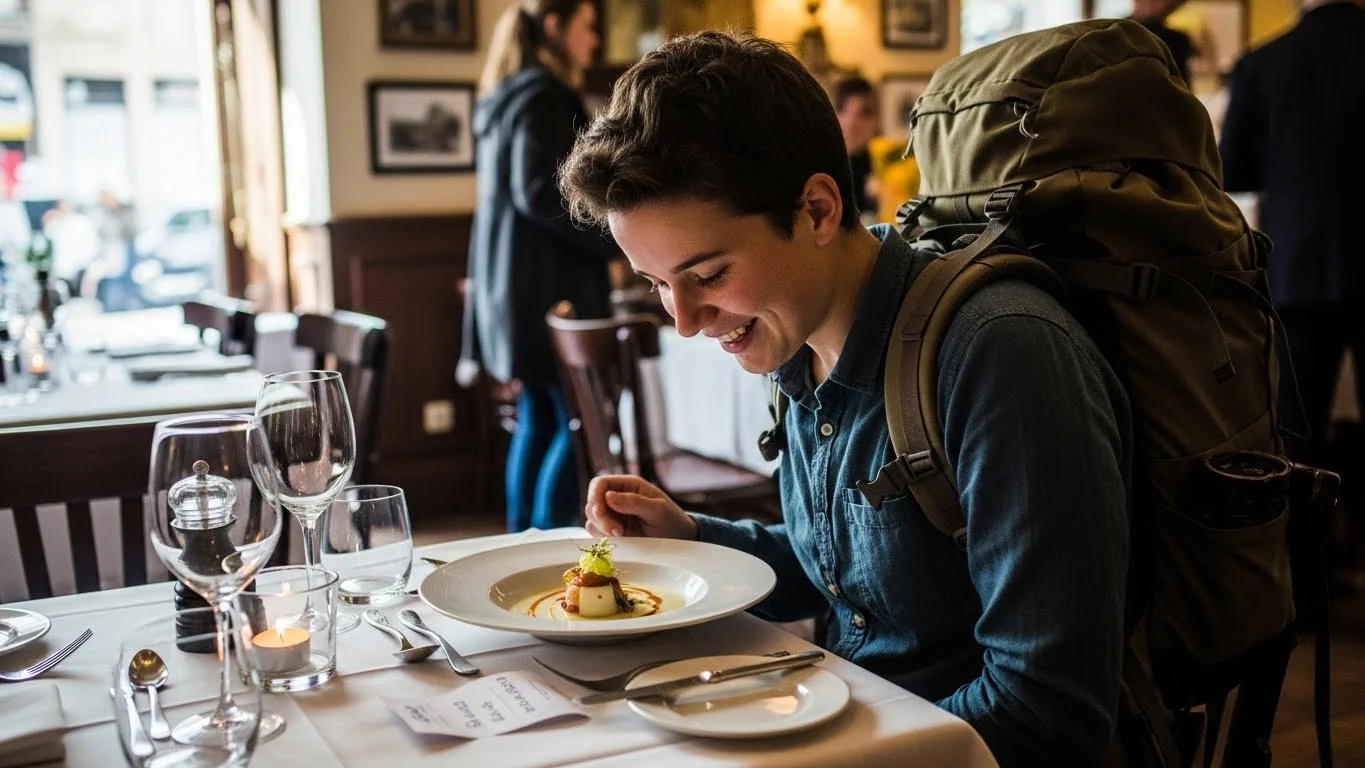
Budget backpacking doesn’t mean sacrificing your palate. With a bit of planning, you can savor exquisite dining experiences without breaking the bank. Let’s explore how to enjoy fine dining on a dime while traveling!
Understanding Budget Backpacking
What is Budget Backpacking?
Budget backpacking is all about traveling on a limited budget while still getting the most out of your experience. It’s not just about cheap accommodation and free sights; it’s a lifestyle that encourages exploration, adventure, and, yes, delicious food without overspending. I remember when I first set out on this journey, I thought I had to forgo nice meals in order to save money. But that couldn’t be further from the truth! Budget backpacking allows for smart choices that let you indulge in culinary delights while still keeping expenses in check. Connecting with locals can enhance your travel experience, especially when it comes to discovering hidden food gems.
Why Choose Budget Backpacking?
Choosing budget backpacking opens up a world of possibilities. For me, it’s about experiencing new cultures, meeting people, and tasting local foods—without a hefty price tag. I’ve learned that many upscale restaurants offer incredible meals at surprisingly low costs, especially if you know how to find them. Plus, I love the thrill of discovering hidden gems that most tourists overlook. It’s a chance to immerse myself in the local scene, and I believe food is often the best way to do that.
Planning Your Trip: Budgeting for Fine Dining
Setting a Daily Budget
One of the first steps I take when planning my trips is to set a daily budget. This includes accommodation, transport, and, of course, food. I’ve found that allocating a specific amount for meals helps me enjoy fine dining without feeling guilty about splurging. A good rule of thumb is to dedicate around 30% of your daily budget to dining. This might sound generous, but with the right approach, it can lead to some amazing meals. I usually jot down my must-visit restaurants and see how they fit into my budget. This way, I can prioritize experiences that matter most to me.
Choosing Destinations with Affordable Dining Options
Not all cities are created equal when it comes to food pricing. For instance, I’ve noticed that some European cities like Barcelona or Lisbon offer fantastic fine dining options at much lower prices than their counterparts, like Paris or London. It’s important to research destinations where quality food won’t completely drain my wallet. I often look for locations known for their street food or local markets, which can lead to surprisingly high-quality meals at a fraction of sit-down restaurant prices. By choosing the right destinations, we can enjoy a rich culinary experience without the hefty bills.
Finding Affordable Fine Dining Restaurants
Researching Local Cuisine
Before heading out, I love diving into local cuisine research. I find that understanding a destination’s food culture helps me unearth the best places to eat. When I traveled to Thailand, I Googled not just restaurants but also local dishes to try. This gave me insight into where to go for authentic flavors. I’ve found that local blogs, travel forums, or even Instagram can be gold mines for recommendations. Plus, it adds an element of excitement to my trip, knowing that I’m on a mission to taste the best of what the region has to offer. If you’re interested in capturing these moments, check out my tips for stunning cultural photography: Budget Backpacking: Tips for Stunning Cultural Photography.
Using Apps and Websites for Deals
In today’s digital age, there’s no shortage of apps and websites that can help us find deals on fine dining. I often use apps like Yelp or TripAdvisor to read reviews and find special offers. One of my favorite finds was an app that offered discounts on meals during certain hours. I remember dining at a high-end Italian restaurant at half price just because I booked during their happy hour! These tech tools can help us make informed choices and save money without sacrificing quality.
Dining During Off-Peak Hours
Another strategy I’ve embraced is dining during off-peak hours. Many restaurants offer lunch specials or early bird discounts that can significantly lower the cost of a meal. I’ve often enjoyed a lovely three-course meal, complete with a glass of wine, at lunchtime for a fraction of the dinner price. It’s a win-win situation—enjoying excellent food while avoiding the dinner rush. Plus, I get to experience a more relaxed atmosphere, allowing me to savor every bite without feeling rushed.
Exploring Hidden Gems
Some of my best dining experiences have come from venturing off the beaten path and finding hidden culinary gems. I remember wandering through the less touristy neighborhoods of Rome and stumbling upon a tiny family-run trattoria. The food was incredible, and the prices were reasonable. These hidden spots often serve authentic dishes made with love, and they’re usually not crowded with tourists. I recommend asking locals for their favorites; they often know the best places that aren’t listed in guidebooks. It’s all part of the adventure!
Top Destinations for Budget Backpackers Who Love Fine Dining
Barcelona: A Culinary Adventure
Barcelona is one of my favorite cities for budget backpacking, especially when it comes to dining. The vibrant food scene offers everything from tapas bars to Michelin-starred restaurants, often at prices that won’t send you into a financial panic. I remember one evening, I strolled down the bustling streets of El Born, where I discovered a cozy little tapas place that served delicious patatas bravas and fresh seafood. The prices were reasonable, and the atmosphere felt authentically Catalan. Plus, many restaurants offer “menu del dia,” a set lunch menu that features multiple courses at a great value. It’s an excellent way to sample local dishes without breaking the bank!
Bangkok: Street Food Meets Fine Dining
Bangkok is a city that has my heart, and its food scene is a big reason why. Here, street food is not only affordable but often considered world-class. I vividly recall biting into a perfectly cooked pad thai from a street vendor for just a couple of dollars. But what truly surprised me was the seamless blend of street food and fine dining. Many high-end restaurants source their ingredients from local markets, creating a unique fusion of flavors. I found a rooftop restaurant with stunning views that offered a tasting menu at a fraction of what I’d pay in other major cities. Eating in Bangkok is an adventure, and I highly recommend stepping out of your comfort zone to explore both the street stalls and upscale dining spots.
Lisbon: Affordable Michelin-Starred Restaurants
When I think of Lisbon, I think of pastel de nata and stunning views, but I also think of its incredible dining options. What amazed me the most was how many Michelin-starred restaurants were surprisingly affordable. I had the chance to dine at a Michelin-starred restaurant called Alma, where I enjoyed a multi-course meal that was both inventive and delicious, all while staying within my budget. Lisbon is also home to a vibrant food market scene; the Time Out Market is a perfect example where you can sample dishes from various chefs without spending a fortune. The combination of high-quality food and reasonable prices makes Lisbon a must-visit for anyone who loves fine dining on a budget.
Mexico City: A Flavorful Experience
Mexico City is a foodie’s paradise, and for budget backpackers, it offers an incredible array of dining options. I remember walking through the bustling neighborhoods and being drawn in by the aroma of fresh tacos and vibrant street food. There’s something magical about enjoying authentic Mexican cuisine at a fraction of the cost you’d find in other major cities. I was blown away by a local restaurant that served upscale versions of traditional dishes, like mole and ceviche, at very affordable prices. The best part? Many places in Mexico City have a casual vibe that allows you to relax and enjoy your meal without feeling rushed. It’s an experience that combines delicious food with a rich cultural backdrop—perfect for any traveler!
Local Food Experiences on a Budget
Food Markets and Street Vendors
Food markets and street vendors have become my go-to for sampling local flavors without spending too much. I find that these places are often the heart of a city’s food culture. For example, at the Mercado de San Miguel in Madrid, I discovered an array of tapas, cheeses, and wines that let me taste my way through the region. The vibrant atmosphere and the chance to interact with locals made the experience even more memorable. Plus, I’ve noticed that street vendors often offer the most authentic versions of local dishes. It’s a fantastic way to eat well and save money while traveling!
Cooking Classes and Food Tours
One of the best ways to immerse myself in a new culture is through its cuisine, and I’ve found that cooking classes and food tours can be surprisingly affordable. I took a cooking class in Florence where I learned to make pasta from scratch, and not only was it fun, but it also included a meal with the dishes we prepared. It felt like a real slice of Italian life. Food tours are another great option; they usually guide you through neighborhoods, introducing you to local specialties while sharing stories about the area. I’ve found that these experiences not only provide delicious food but also a deeper understanding of the culture, making them worth every penny!
Tips for Enjoying Fine Dining on a Dime
Lunch Specials and Prix Fixe Menus
When it comes to fine dining, I’ve learned that lunch specials and prix fixe menus can be game-changers for budget travelers. Many upscale restaurants offer lunch deals that are significantly cheaper than dinner prices. I remember enjoying a delightful three-course meal at a fancy restaurant in Paris during lunch for less than half of what it would cost at dinner. These menus often allow you to experience the chef’s creations without the hefty price tag. I recommend checking online or calling ahead to see if any restaurants in your destination offer such specials; you might be pleasantly surprised!
Utilizing Loyalty Programs and Discounts
Another tip I’ve found incredibly helpful is taking advantage of loyalty programs and discounts. Many restaurants have loyalty programs that offer rewards after a certain number of visits or a discount on your next meal. I’ve also come across apps that provide coupons for specific restaurants or even special deals for travelers. It feels great to enjoy a fabulous meal while knowing I saved a bit of money at the same time. Always keep an eye out for these opportunities, as they can make a significant difference in your travel budget!
Sharing Plates with Travel Companions
If you’re traveling with friends or family, I highly recommend sharing plates. Not only does this allow you to try multiple dishes, but it also helps keep costs down. I’ve had some of my best dining experiences by ordering several small plates to share, especially at restaurants that specialize in tapas or dim sum. This way, we all got to enjoy a variety of flavors and textures without overindulging. Plus, sharing meals often leads to lively conversations and a more enjoyable dining experience!
Dining Etiquette While Traveling
Understanding Local Dining Customs
When traveling, I’ve come to realize that understanding local dining customs can greatly enhance my experience. Every culture has its unique set of traditions and practices around food, and being aware of these can show respect to the locals while enriching my culinary journey. For example, during my time in Japan, I learned that slurping noodles is a sign of appreciation, while in other places, such as Italy, finishing every last bite is expected. I remember my first meal in Tokyo when I hesitated to slurp my ramen, but once I saw the locals doing it, I joined in and felt a sense of connection with the culture. It’s fascinating how these small nuances can make dining not just about the food but also about the experience itself.
Another example is in India, where dining often involves sharing dishes among family and friends. I once found myself at a vibrant local restaurant where everyone was passing around platters of biryani and naan. This communal style of eating made the meal feel like a celebration, and I left with not just a full stomach but also new friends. I recommend researching dining customs specific to your destination to avoid any unintentional faux pas and to fully immerse yourself in the local food culture.
Tipping Practices Around the World
Tipping is another aspect of dining etiquette that varies widely from country to country. I’ve learned the hard way that what might be customary in one culture could be seen as rude in another. For instance, in the United States, tipping around 15-20% is standard, while in Japan, tipping can be considered disrespectful as good service is expected. I remember my first meal in Japan when I awkwardly left a tip, only to have the server chase after me to return it! It’s moments like these that remind me to research local customs ahead of time.
In some countries, like Mexico or many parts of Europe, rounding up the bill or leaving a few coins is often sufficient. I try to keep a small guide handy or use apps that help me understand local tipping practices so I can feel comfortable while dining out. Respecting these customs not only helps me avoid awkward situations but also shows appreciation for the service provided.
Safety and Health Considerations
Choosing Safe Dining Locations
While exploring the culinary scene in new destinations, safety should always be a priority. I’ve learned that choosing where to eat can significantly impact my travel experience. I tend to favor restaurants that are busy, as a higher turnover usually means fresher food. During my travels in Southeast Asia, I discovered that street food stalls teeming with locals often serve some of the best and safest meals. However, I also pay attention to cleanliness; I avoid places that look unsanitary or where food is left out for too long. Trust your instincts—if something feels off, it’s best to move on and find another spot.
Additionally, I’ve found that checking online reviews can be very helpful in determining the safety and quality of a restaurant. Platforms like Yelp or TripAdvisor often have real-time feedback from fellow travelers that can guide me toward safe dining options. Lastly, I make sure to stay hydrated and avoid tap water in regions where it’s not safe to drink; opting for bottled water is a simple way to protect myself while enjoying the local cuisine.
Food Allergies and Dietary Restrictions
Managing food allergies or dietary restrictions while traveling can be a challenge, but it’s not impossible. I remember traveling to Thailand and being concerned about my nut allergy. Before my trip, I made it a point to learn how to communicate my dietary restrictions in Thai, which proved invaluable. I carried a small card with phrases like “no peanuts” written in the local language, making it easier to convey my needs to restaurant staff.
Some apps can help with translations and even provide recommendations for allergy-friendly restaurants. I also find it helpful to be upfront about my dietary preferences when I arrive at a restaurant. Most chefs are understanding and willing to accommodate special requests, so I always appreciate when they take the time to ensure my meal is safe. I believe that with a bit of preparation, anyone can enjoy the culinary delights of a new destination while adhering to their dietary needs.
Maximizing Your Backpacking Experience
Balancing Fine Dining with Other Activities
As much as I love indulging in fine dining, I’ve come to realize the importance of balancing these experiences with other activities. When traveling, it’s easy to get caught up in planning multiple restaurant visits, but I’ve found that integrating dining into a broader itinerary can lead to even more enjoyable moments. For example, after a delightful lunch at a local bistro in Florence, I took a leisurely walk through the nearby art galleries, allowing me to appreciate the culture and ambiance of the city in a relaxed way.
Sometimes, I’ll schedule a cooking class or food tour that combines both learning and dining, making the most of my time while soaking in the local food culture. This way, I can enjoy a fantastic meal while also gaining insights into the culinary techniques and traditions unique to that location. I’ve learned that these activities not only satisfy my taste buds but also enrich my overall travel experience.
Documenting Your Culinary Journey
One of my favorite ways to remember my travels is by documenting my culinary adventures. I often keep a travel journal where I jot down my thoughts and experiences related to food—what I ate, where I dined, and how it made me feel. I love looking back through my notes and reliving those delicious moments. Additionally, I enjoy taking photos of my meals and the restaurants I visit, which helps me capture the visual aspects of my journey.
I’ve also started sharing my food experiences on social media, connecting with fellow travelers and food enthusiasts. It’s a wonderful way to inspire others to explore the culinary world while traveling, and I’ve received fantastic recommendations from those who’ve followed my journey. For me, documenting my culinary experiences not only enhances my travels but also creates lasting memories that I cherish long after the trip is over.
Frequently Asked Questions
What is budget backpacking?
Budget backpacking is about traveling on a limited budget while maximizing the experience. It involves making smart choices that allow for exploration, adventure, and delicious food without overspending.
Why should I choose budget backpacking?
Choosing budget backpacking offers the opportunity to experience new cultures, meet people, and taste local foods without a hefty price tag. It allows travelers to discover hidden culinary gems that many tourists overlook.
How should I set a daily budget for my trip?
When planning a trip, it’s essential to set a daily budget that includes accommodation, transport, and food. A good guideline is to allocate around 30% of your daily budget to dining, which can lead to enjoyable fine dining experiences.
What are some tips for finding affordable fine dining restaurants?
Researching local cuisine, using apps and websites for deals, dining during off-peak hours, and exploring hidden gems are effective strategies to find affordable fine dining restaurants.
Which cities are recommended for budget backpackers who love fine dining?
Recommended cities include Barcelona for its vibrant food scene, Bangkok for its blend of street food and fine dining, Lisbon for affordable Michelin-starred restaurants, and Mexico City for its rich culinary offerings.
What local food experiences can I enjoy on a budget?
Food markets, street vendors, cooking classes, and food tours are excellent ways to immerse yourself in local flavors without overspending. They provide authentic experiences and often allow for interaction with locals.
How can I take advantage of lunch specials and prix fixe menus?
Many upscale restaurants offer lunch specials and prix fixe menus at significantly lower prices than dinner. Checking online or calling ahead can help you find such deals to enjoy fine dining on a budget.
What should I know about dining etiquette while traveling?
Understanding local dining customs and tipping practices can enhance your dining experience. Being aware of these customs shows respect and helps avoid unintentional faux pas while enjoying local cuisine.
How can I choose safe dining locations while traveling?
Selecting busy restaurants often indicates fresher food. Checking online reviews and maintaining cleanliness standards can guide you toward safe dining options during your travels.
What should I do if I have food allergies or dietary restrictions while traveling?
Communicating your dietary restrictions in the local language and being upfront with restaurant staff are essential. Some apps can assist with translations and finding allergy-friendly dining options.