
Urban night photography offers a unique blend of artistry and adventure, allowing us to capture the vibrant life of cities after dark. Let’s dive into mastering this captivating skill without breaking the bank. Read Interesting article: Capture the City: Urban Night Photography Tips for Travelers
Understanding Urban Night Photography
What is Urban Night Photography?
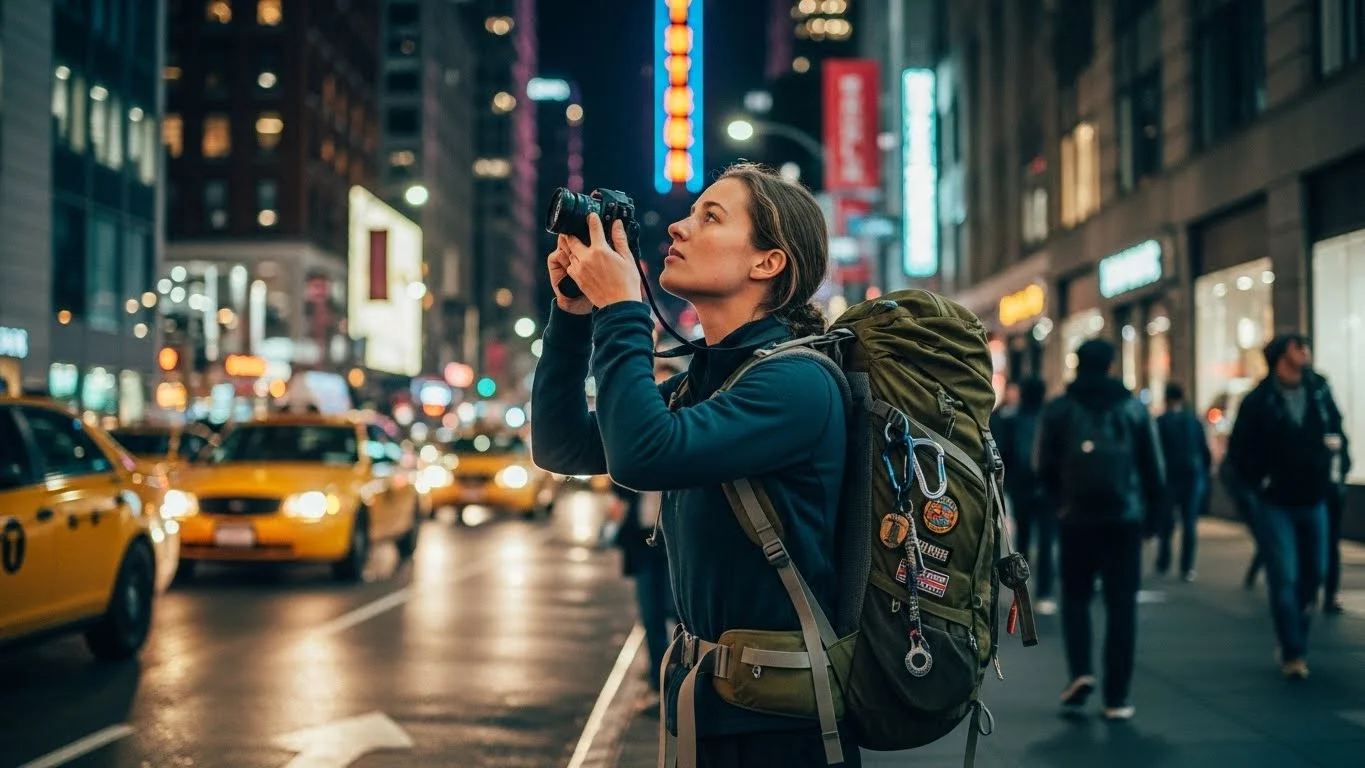
Urban night photography is the art of capturing the essence of a city once the sun has set. I remember the first time I wandered the streets at night with my camera. The city transformed; neon lights flickered, shadows danced, and the hustle and bustle of daytime gave way to a serene, almost magical atmosphere. It’s not just about taking pictures; it’s about telling a story through the lens. Each shot can evoke emotions, capture moments, and showcase the beauty that often goes unnoticed during the day.
The Importance of Lighting in Night Photography
Lighting is the heart of night photography. I’ve learned that unlike daytime shooting, where sunlight is abundant, night photography requires us to be more creative with available light. Street lamps, car headlights, and shop windows become our best friends. I often find myself experimenting with long exposures to capture the trails of moving lights or the soft glow of a distant building. I encourage you to explore how different light sources can change the mood of your photographs. Urban areas provide a variety of lighting that can make your images pop, from the warm tones of street lights to the cooler hues of neon signs.
Essential Equipment for Budget Backpackers
Camera Options: DSLRs vs. Mirrorless vs. Smartphones
As a budget backpacker, I’ve tried various cameras and know that the right choice can significantly impact your night photography experience. DSLRs offer great image quality and control, but they can be heavy and expensive. I’ve personally shifted towards mirrorless cameras, which are lighter and more compact without sacrificing quality. However, I can’t ignore my smartphone either! With advancements in camera technology, many smartphones now come equipped with impressive low-light capabilities. When packing for a night shoot, I recommend considering what you’re comfortable carrying. For me, a compact mirrorless camera combined with a good smartphone strikes the perfect balance. Read Interesting article: 10 Tips for Stunning Urban Cityscape Photography
Affordable Lenses for Night Photography
Choosing the right lens can open up a world of possibilities for night photography. Fast lenses with wide apertures (f/2.8 or lower) are ideal for low-light situations. I’ve found that a prime lens, like a 50mm f/1.8, can be budget-friendly and perfect for capturing stunning night shots. The wider aperture allows more light to hit the sensor, which is crucial when shooting in the dark. I often recommend checking second-hand markets or rental services if you’re unsure about committing to a specific lens.
Tripods on a Budget: What to Look For
A stable base is essential for night photography, especially when working with longer exposure times. I’ve gone through a few tripods, and I’ve learned there’s no need to splurge on expensive options. Look for lightweight, sturdy tripods that can handle your camera setup. I found that compact tripods are great for backpacking. Some models even fold up small enough to fit in my daypack! I suggest checking out user reviews and comparing prices online to find a reliable tripod that won’t break the bank.
Additional Accessories: Filters and Remote Shutters
While not everyone considers filters essential, I’ve discovered that they can add depth and creativity to my night shots. A neutral density (ND) filter can help control light exposure during brighter nights, allowing for longer exposures without overexposing your image. Additionally, a remote shutter release is a small investment that can make a big difference. It helps eliminate camera shake, especially during long exposures. I often find myself using a smartphone app as a remote shutter, which is budget-friendly and convenient!
Urban night photography is an exciting journey that allows us to see our surroundings in a new light. Having the right equipment while keeping an eye on our budget can make this experience even more rewarding. As we explore more about locations and techniques, I’m eager to share what I’ve learned along the way.
Best Urban Locations for Night Photography
Iconic Landmarks and Cityscapes
When it comes to urban night photography, iconic landmarks are often the first places that come to mind. I remember the thrill of capturing the Eiffel Tower illuminated against the night sky; it felt surreal. These landmarks not only provide beautiful backdrops but also reflect the character of a city. Places like Times Square in New York, the Sydney Opera House, or the Golden Gate Bridge in San Francisco offer vibrant light displays and bustling energy that can make for stunning photographs. I suggest visiting these spots after dark to take advantage of the lights and the unique atmosphere. Don’t forget to explore different angles and perspectives—sometimes, the best shots come from unexpected viewpoints.
Hidden Gems: Off the Beaten Path Locations
While iconic landmarks are amazing, I’ve discovered that some of the best night photography can happen in lesser-known spots. Exploring off the beaten path often leads to surprising and unique captures. For example, I found a quaint alleyway filled with string lights that created a magical ambiance, perfect for intimate night portraits. Parks, local murals illuminated by street lights, or waterfront areas can also offer fantastic opportunities. I recommend checking out local photography forums or social media groups to find hidden gems recommended by fellow photographers. Sometimes, just wandering around a neighborhood can lead to unexpected treasures!
Safe Areas for Night Photography
Safety is a priority when shooting at night, and I’ve learned that choosing the right locations can make a big difference. Some urban areas are safer than others, so I always do a bit of research ahead of time. Popular pedestrian areas tend to be more secure, as they usually have better lighting and foot traffic. I also like to scout locations during the day to get a feel for the area before returning at night. I’ve found that places near busy cafes or restaurants not only feel safer but also provide interesting scenes to capture. Remember to trust your instincts; if a location feels off, it’s best to move on.
Techniques for Capturing Stunning Night Shots
Understanding Exposure Settings: ISO, Aperture, Shutter Speed
Mastering exposure settings is crucial for night photography, and I can’t emphasize enough how much I’ve learned through trial and error. When shooting in low light, I typically adjust my ISO first. A higher ISO lets me capture more light, but I’m cautious not to push it too high, as that can introduce noise. Aperture is next; I love using a wide aperture (like f/1.8 or f/2.8) to let in as much light as possible while creating a lovely bokeh effect in the background. Finally, shutter speed comes into play. Slower shutter speeds help gather more light but can also lead to motion blur if I’m not careful. I often find that a combination of these settings tailored to my scene creates the perfect balance.
Long Exposure Techniques for Night Photography
Long exposures can create mesmerizing effects in night photography. I remember my first attempt at capturing light trails from passing cars; it was a game-changer! To do this, I set my camera on a tripod, adjusted my shutter speed to a few seconds, and allowed the moving lights to paint across the frame. I also love using long exposures to capture the smoothness of water in cityscapes or the starry sky above a skyline. I recommend experimenting with different exposure lengths to see how they change the dynamic of your shots. The key is to have patience and be willing to try different settings until you find what works for you.
Using Natural Light and City Lights Creatively
In urban environments, I’ve discovered that combining natural light with city lights creates stunning visuals. A sunset fading into twilight can provide a beautiful gradient in the sky, making city lights pop even more. I often plan my night shoots around the golden hour to capture that magical transition. I also love to incorporate reflections from puddles or windows, which can add an extra layer of depth to my images. Using light creatively, like capturing silhouettes against a brightly lit background, can lead to dramatic and eye-catching compositions. Always keep an open mind and be ready to adapt to the lighting conditions around you!
Post-Processing Tips for Night Photography
Basic Editing Techniques for Night Shots
Edit your night shots to enhance their beauty; I’ve found that a little post-processing can go a long way. I usually start by adjusting the exposure to bring out details that might be hidden in the shadows. Increasing contrast helps to make the colors pop, especially the vibrant tones from city lights. I also like to play with clarity and sharpness, as this can bring out intricate details in my images. Color balance is another essential step, as sometimes night shots can come out with an unwanted color cast. I often find that warming up the colors a bit can make the image feel more inviting.
Recommended Software: Free and Budget-Friendly Options
There are plenty of budget-friendly editing software options, which is great for someone like me who wants to keep costs down while still enhancing my photos. I started with free programs like GIMP and Darktable, which offer powerful editing tools without the price tag. More recently, I’ve been enjoying Lightroom for its intuitive interface and mobile option. It allows me to edit photos on the go, which is super convenient when I’m traveling. I encourage you to explore different software to find what works best for your style and budget!
Budgeting for Urban Night Photography
Cost-Effective Travel Tips for Backpackers
Traveling on a budget while capturing stunning urban night photography can be a fulfilling experience. From my travels, I’ve learned a few strategies that not only help save money but also enhance my photography experience. First, I recommend using public transportation whenever possible. It’s usually cheaper than taxis and gives us a chance to explore different parts of the city. Plus, the bus or subway can offer unique photography opportunities! I’ve captured some of my favorite candid shots on public transport—people in motion, the glow of the city lights through the windows, and more.
Another tip is to travel during the off-peak season. I’ve noticed that cities are less crowded and more affordable outside of the high tourist seasons. Not only does this help with lodging and flight costs, but it also allows for more personal and intimate photography. Additionally, always keep an eye out for free events or festivals happening in the city. These can be fantastic opportunities to capture vibrant scenes while enjoying local culture. I once stumbled upon a nighttime street fair that offered incredible photo ops without costing me a dime!
Finding Affordable Accommodations with Great Views
When it comes to accommodations, I’ve found that booking a place with a view can enhance my night photography without breaking the bank. Websites like Airbnb often feature budget-friendly options that offer stunning city vistas. I remember finding a cozy apartment with a balcony overlooking a famous skyline, allowing me to capture breathtaking night shots right from my home base. It’s a wonderful way to save time and money on travel while still getting those perfect shots.
Another option is to look for hostels that offer rooftop terraces or communal areas with great views. I’ve met fellow travelers and photographers at hostels, sharing tips and experiences while enjoying a panoramic view of the city at night. Sometimes, just chatting about our favorite spots can lead to discovering hidden gems that we wouldn’t have found otherwise. I always check reviews to ensure the area is safe and the view is worth it!
Resources for Budget-Friendly Photography Workshops
Learning and improving my photography skills on a budget has been a rewarding journey. I’ve discovered online resources that offer free or low-cost photography workshops, which are perfect for backpackers like us. Websites like Meetup and Eventbrite often list local photography workshops or photo walks, and many are wallet-friendly. Participating in these events has not only improved my skills but has also provided networking opportunities with other photographers.
Additionally, I often check social media platforms for photography groups that host events or tutorials. I remember joining a weekend night photography walk organized by a local group. Not only did I learn new techniques, but I also connected with others who share my passion. Sometimes, I find free webinars hosted by professional photographers discussing urban night photography, providing me with valuable insights I can apply during my travels. Read Interesting article: Best Destinations for Unforgettable Safari Photography
Engaging with the Photography Community
Online Forums and Social Media Groups
Connecting with fellow photographers has been one of the most rewarding aspects of my journey. I’ve found that online forums and social media groups can be excellent resources for sharing tips, experiences, and inspiration. Platforms like Facebook and Reddit have active photography communities where members post their work and seek advice. I remember posting one of my night shots in a group and receiving constructive feedback that helped me improve my technique.
Instagram is another platform where the photography community thrives. Following hashtags related to urban night photography not only inspires me but also connects me with other photographers worldwide. I love seeing how different cultures approach night photography and the unique perspectives they bring. Engaging with others by commenting and sharing my work has led to exciting collaborations and friendships, making my photography journey even more enriching.
Participating in Local Meetups and Workshops
Getting involved in local meetups has been a game-changer for my photography skills. I’ve attended several workshops specifically focused on night photography, where I’ve learned from experienced photographers and practiced hands-on. These meetups often create a supportive environment where we can share our knowledge and experiences. I remember one workshop where we explored various neighborhoods at night, each person bringing their unique style to the table. The camaraderie and collective creativity were inspiring!
Local photography clubs are also worth checking out. They often host events, photo walks, and exhibitions that can enhance our skills while making new friends. I’ve discovered that many clubs welcome photographers of all skill levels, providing an excellent opportunity to learn and grow together. Getting involved in the community not only enriches our photography journey but also gives us a sense of belonging among fellow enthusiasts.
Safety Tips for Night Photography in Urban Areas
Staying Aware of Your Surroundings
When I’m out shooting at night, being aware of my surroundings is crucial. I always make it a point to stay alert, especially in unfamiliar areas. I’ve learned to keep an eye on who’s around and what’s happening nearby. If I notice anything that feels off, I don’t hesitate to move to a different location. I recommend choosing busy streets or areas with good foot traffic, as they’re generally safer. Keeping my camera gear close and being mindful of my personal space has helped me feel more secure during my night adventures.
Keeping Your Equipment Secure
Protecting your gear is just as important as staying aware of your surroundings. I’ve experienced the sinking feeling of almost losing my camera in a crowded area, and it taught me to be more careful. I usually opt for a camera bag that’s not too flashy, something that doesn’t scream “expensive gear inside.” I prefer bags that I can wear crossbody, allowing me to keep one hand on my equipment while the other is free to navigate. Additionally, I often use a wrist strap while taking shots, since it provides a little extra security. I suggest being discreet with my setup and avoiding drawing too much attention to myself when I’m shooting in public.
Choosing Safe Locations and Times for Shooting
Timing and location are everything when it comes to night photography. I’ve found that certain times of night can be quieter or more dangerous than others. I tend to shoot early in the evening when there’s still a bit of daylight left, which helps me scout locations before it gets too dark. I also make it a point to research neighborhoods ahead of time to find out which areas are known for being safe. Some cities have neighborhoods that transform at night, so it’s helpful to talk to locals or check online forums to get the lowdown on where to go and when.
Final Thoughts
Urban night photography has truly become one of my favorite ways to express my creativity. Each outing feels like an adventure waiting to happen, with the potential for unique captures around every corner. I’ve realized that with the right approach—being aware of my surroundings, securing my equipment, and choosing safe locations—I can enjoy the thrill of night photography without feeling anxious. The skills I’ve developed, the hidden gems I’ve discovered, and the connections I’ve made with fellow photographers have all enriched my journey. I hope my experiences inspire you to grab your camera and explore the vibrant world of urban night photography. Remember, the city is alive after dark, and it has so many stories waiting for us to capture.
Frequently Asked Questions
What is Urban Night Photography?
Urban night photography is the art of capturing the essence of a city once the sun has set. It involves telling a story through the lens, evoking emotions, and showcasing the beauty that often goes unnoticed during the day.
Why is lighting important in night photography?
Lighting is crucial in night photography because, unlike daytime shooting, where sunlight is abundant, night photography requires creativity with available light sources such as street lamps, car headlights, and shop windows to enhance the mood of photographs.
What camera options are recommended for budget backpackers?
For budget backpackers, mirrorless cameras are recommended as they are lighter and more compact than DSLRs while maintaining quality. Smartphones with impressive low-light capabilities are also a viable option for night photography.
What type of lens is best for night photography?
Fast lenses with wide apertures (f/2.8 or lower) are ideal for low-light situations. A prime lens, such as a 50mm f/1.8, is budget-friendly and perfect for capturing stunning night shots.
What should I look for when choosing a tripod for night photography?
When choosing a tripod for night photography, look for lightweight, sturdy options that can accommodate your camera setup. Compact tripods that fit in a daypack are great for backpacking and provide stability for longer exposure times.
How can I enhance my night shots during post-processing?
In post-processing, you can enhance night shots by adjusting exposure, increasing contrast, and playing with clarity and sharpness. Additionally, correcting color balance can help eliminate unwanted color casts.
What are some safe areas for night photography?
Safe areas for night photography typically include popular pedestrian zones with good lighting and foot traffic. It’s advisable to scout locations during the day and choose places near busy cafes or restaurants for added security.
What techniques can improve my night photography?
To improve night photography, mastering exposure settings like ISO, aperture, and shutter speed is essential. Additionally, experimenting with long exposures and creatively using natural and city lights can result in stunning images.
How can I engage with the photography community?
Engaging with the photography community can be done through online forums, social media groups, and participating in local meetups or workshops. These platforms offer opportunities for sharing tips, experiences, and networking with fellow photographers.
What are some budget-friendly tips for urban night photography travel?
Budget-friendly travel tips include using public transportation, traveling during the off-peak season, and seeking out free events or festivals. Additionally, finding affordable accommodations with great views can enhance your night photography experience without extra costs.