
Ready to explore the world without breaking the bank? Budget backpacking opens doors to incredible experiences, allowing us to travel farther, meet new people, and create unforgettable memories while staying within our means.
Understanding Budget Backpacking
What is Budget Backpacking?
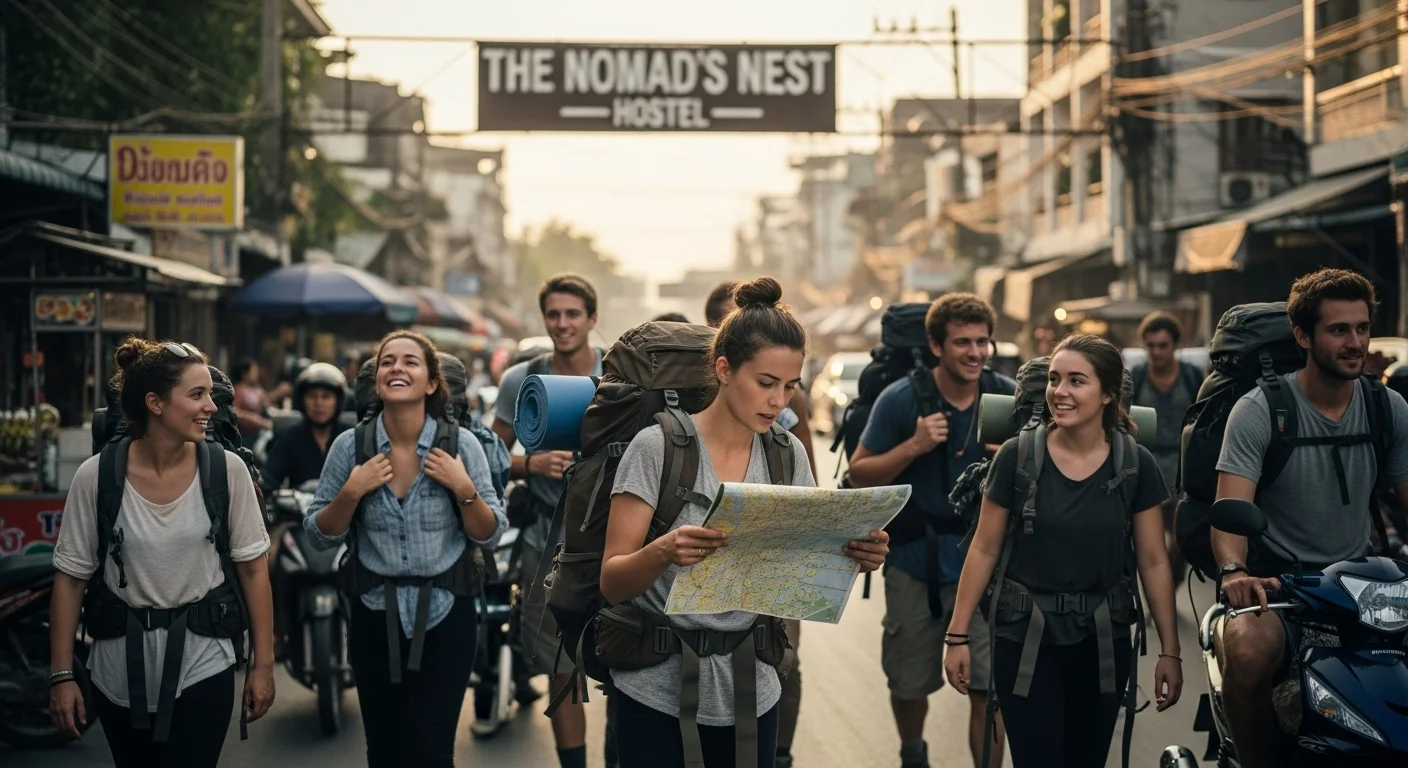
When I first heard the term “budget backpacking,” I immediately pictured adventurous souls roaming through foreign lands with nothing but a backpack and a dream. But it’s so much more than that! Budget backpacking is all about traveling light, spending less, and maximizing experiences without draining your bank account. It means choosing affordable accommodations, using public transportation, and embracing local food options. This style of travel allows us to stretch our dollars further, making it possible to explore multiple destinations on a single trip.
Benefits of Budget Backpacking
The benefits of budget backpacking are numerous and varied. For one, it offers the thrill of adventure at a fraction of the cost of traditional travel. I remember my first backpacking trip; I spent far less than I would have on a typical vacation, yet I gained so much more in experiences. Traveling on a budget often leads to deeper interactions with locals and fellow travelers, as we navigate our way through unfamiliar territories together. Plus, it encourages creativity in planning and spontaneity in our travels. We can find hidden gems and unique experiences that many tourists miss, all while keeping our spending in check.
Common Misconceptions
Despite the many advantages, I’ve noticed some common misconceptions about budget backpacking. One of the biggest myths is that traveling on a budget means sacrificing comfort or safety. In my experience, this isn’t true at all! Budget accommodations like hostels can be clean, safe, and even social hubs for meeting other travelers. Another misconception is that you can’t experience luxury or stunning locations on a budget. I’ve discovered breathtaking places that didn’t cost a fortune, simply by doing a little research and being flexible with my plans. With the right mindset and a bit of effort, we can enjoy incredible adventures without the hefty price tag.
Choosing Your Backpacking Destination
Top Budget-Friendly Countries for Backpacking
Picking the right destination is crucial for budget backpacking. Some countries are renowned for being wallet-friendly, and I’ve found that Southeast Asia, Eastern Europe, and Central America top the list. For example, traveling through Thailand or Vietnam offers stunning landscapes, rich culture, and delicious street food at incredibly low prices. Eastern Europe, with its charming cities like Budapest and Prague, allows us to experience history and beauty without the crowds and costs of Western Europe. In Central America, countries like Nicaragua and Guatemala provide breathtaking nature and vibrant cultures without breaking the bank.
Off-the-Beaten-Path Locations
While popular destinations are great, I also believe that off-the-beaten-path locations can offer some of the best experiences. For instance, instead of heading to the crowded beaches of Bali, why not explore the lesser-known island of Nusa Penida? I remember stumbling upon a tiny village in Portugal that was untouched by mass tourism, allowing me to connect with locals and savor authentic experiences. These hidden gems often provide a more intimate glimpse into the culture and lifestyle of the region, and they tend to be much more budget-friendly.
Seasonal Considerations
Timing your trip can make a significant difference in budget backpacking. Traveling during the off-peak season can save us a ton of money on flights and accommodations. I’ve learned that visiting popular destinations just before or after the high season can allow us to avoid crowds while still enjoying pleasant weather. For example, exploring Greece in late September instead of July means fewer tourists and lower prices. Plus, we can often find more opportunities to connect with locals, who are less overwhelmed by tourist traffic.
Local Culture and Language
Engaging with the local culture can enhance our backpacking experience. I’ve found that learning a few phrases in the local language can go a long way in making connections and navigating new environments. Whether it’s ordering food, asking for directions, or simply greeting people, it shows respect for the culture and often leads to warmer interactions. Moreover, immersing ourselves in local customs and traditions can turn an ordinary trip into something truly unforgettable. I remember partaking in a local festival in Peru, which enriched my experience beyond measure and allowed me to understand the culture on a deeper level.
Planning Your Route Efficiently
How to Research Your Route
When it comes to planning a backpacking route, I’ve learned that a bit of research goes a long way. I start by identifying my must-see destinations and then exploring how to connect them. Websites like Wikivoyage or Lonely Planet are great resources for discovering routes that other travelers have taken. I often find myself diving into travel forums and blogs to read personal experiences and tips from fellow backpackers. It’s amazing how many hidden gems you can uncover just by reading someone else’s story. For instance, I once read about a lesser-known hiking trail in Slovenia that took me away from the crowds and straight into nature’s embrace. Having a clear idea of my route helps me stay organized and ensures that I make the most of my time on the road. Read Interesting article: Navigate Your Adventure: Budget Route Planning Tips
Using Travel Apps and Websites
In my backpacking adventures, I’ve found that technology can be a true ally. Several travel apps have become staples on my phone. Google Maps is invaluable for navigating unfamiliar cities, while apps like Hostelworld help me find affordable places to stay. I also love using Rome2rio, which shows various transportation options between destinations. It’s like having a travel planner in my pocket! Additionally, I’ve discovered that using social media platforms, especially Instagram, can inspire my travel route. I often look for hashtags related to my destinations to find unique spots that aren’t in the guidebooks. This blend of technology and creativity has transformed how I plan my trips.
Creating a Flexible Itinerary
One of the best pieces of advice I can share is to keep my itinerary flexible. I remember the time I had a solid plan for a week in Spain, but I met some fellow travelers who convinced me to join them in a spontaneous adventure to a nearby town. That detour turned out to be one of the highlights of my trip! Allowing some wiggle room in my schedule means I can seize unexpected opportunities and adjust to local events or recommendations I receive along the way. I usually outline a loose structure with key activities and accommodations but always leave space for spontaneity. After all, some of the best travel stories come from unplanned moments!
Popular Backpacking Routes Around the World
When it comes to backpacking, certain routes have gained popularity for good reason. I’ve had the pleasure of exploring a few of these renowned paths, and each offers a unique flavor of adventure.
Europe: Interrail and Eurotrip
Traveling through Europe is a rite of passage for many backpackers. The Interrail pass allows us to hop on and off trains across multiple countries, making it easy to explore fascinating cities like Amsterdam, Paris, and Berlin. I remember my Eurotrip vividly; I started in Barcelona, soaking up the sun and culture, then hopped on a train to Paris, indulging in croissants and the breathtaking sights. Each city had its own vibe and charm, and the train journeys were just as memorable as the destinations.
Asia: Southeast Asia Loop
In Southeast Asia, the well-trodden loop connecting Thailand, Laos, Vietnam, and Cambodia is a classic for a reason. I’ve spent weeks exploring this route, from the bustling streets of Bangkok to the serene beaches of Vietnam. Each stop along the way introduced me to diverse cultures, mouthwatering foods, and breathtaking landscapes. Traveling by bus or boat between countries not only saves money but also immerses us in the local way of life. I learned to appreciate the rhythm of the region, from morning markets to sunset rituals.
South America: The Gringo Trail
The Gringo Trail in South America is another iconic backpacking route. This path usually starts in Colombia and winds through Ecuador, Peru, and Bolivia, ending in Chile or Argentina. I had an incredible time hiking the Inca Trail to Machu Picchu, surrounded by stunning mountain vistas and ancient ruins. Each country along the trail offers its own set of adventures, from the Amazon rainforest to the vibrant streets of Buenos Aires. Traveling this route not only connects us with incredible scenery but also with fellow backpackers who become lifelong friends.
Budgeting for Your Journey
Estimating Daily Costs
Budgeting is a crucial part of backpacking, and I’ve learned that estimating daily costs can help us keep our finances in check. I usually break down my expenses into accommodation, food, transportation, activities, and a little extra for unexpected costs. For example, I find that Southeast Asia allows for a comfortable daily budget of around $30 to $50, including hostels, street food, and transportation. I remember being surprised at how far my money stretched in places like Vietnam, where a delicious meal could cost just a couple of dollars!
Transportation Options and Costs
Transportation can easily eat into our budget, but there are always ways to save. I’ve found that using public transport, like buses and trains, is often the most cost-effective option. In many countries, I’ve used local transport apps to find routes and prices. Ridesharing and hitchhiking are also viable in some regions, which can add an adventurous twist to my journey. If I’m traveling between countries, I often compare flight prices with bus or train fares to see which option fits my budget best.
Accommodation: Hostels vs. Camping vs. Homestays
Finding the right place to stay can make all the difference. Hostels have been my go-to for affordable accommodations, but I’ve also enjoyed camping when the opportunity arises. There’s something special about sleeping under the stars after a day of hiking! Homestays offer a unique experience as well, allowing us to connect with locals and learn about their culture. I remember staying with a family in rural Thailand, where I helped cook traditional meals and learned about their way of life. Each type of accommodation has its perks, and I often mix and match based on what I’m feeling for that particular trip.
Food: Eating on a Budget
Food can be one of the most enjoyable parts of travel, but it can also add up quickly if we’re not careful. I’ve found that eating where the locals eat is a smart way to save money and enjoy authentic flavors. Street food has led me to some of the best meals I’ve ever had. In cities like Bangkok or Mexico City, I often indulge in delicious tacos or pad thai for just a few bucks. Cooking for myself when possible is another great strategy, especially if I’m staying in a hostel with a kitchen. This not only saves money but also allows me to experiment with local ingredients.
Activities and Attractions: Free vs. Paid Options
One of the joys of budget backpacking is discovering free or low-cost activities. I’ve spent countless afternoons wandering through local markets, hiking scenic trails, or enjoying free walking tours. Many cities offer such tours on a tip-only basis, which is a fantastic way to learn about the area without spending much. On the other hand, I’ve also splurged occasionally on special experiences, like entry to an iconic museum or a guided adventure. Balancing free and paid activities allows me to enjoy the best of both worlds while keeping my budget intact.
Packing Smart for Budget Backpacking
Essential Gear for Backpackers
Packing for a backpacking trip can be a bit overwhelming at first. I remember standing in my room, staring at a pile of gear and trying to figure out what I actually needed. The key is to prioritize essentials while keeping your pack light. For me, a high-quality backpack is non-negotiable. I’ve learned that a comfortable, well-fitted pack makes all the difference on long treks. I also make sure to include a good sleeping bag, a portable water filter, and a compact cooking system if I’m planning to prepare meals. Additionally, a lightweight tent can come in handy for camping nights under the stars. I try to carry versatile clothing that can mix and match, reducing the number of items I need while still keeping me comfortable in various conditions.
Clothing Considerations Based on Climate
Choosing the right clothing based on the climate of your destination is crucial. I’ve found that layering is my best friend. In colder regions, I pack thermal base layers, a warm fleece, and a waterproof jacket. On the other hand, when heading to tropical destinations, lightweight and breathable fabrics are a must. I remember my trip to Thailand, where I packed quick-dry clothes that made it easy to wash and wear again. Also, I always carry a pair of sturdy sandals alongside my hiking shoes; they are perfect for both beach days and casual strolls through town. The goal is to be prepared for unexpected weather while staying comfortable.
Tech Gadgets to Bring
In today’s world, some tech gadgets can enhance our backpacking experience while keeping us connected. I never leave home without my smartphone, as it serves multiple purposes: a camera, GPS, and a travel guide all in one. A lightweight power bank is also essential; it ensures my devices stay charged while I’m on the move. I’ve found that a compact travel adapter is a lifesaver, especially when hopping between countries with different outlets. Additionally, noise-canceling headphones have been a game changer for long bus rides or hostel stays, helping me zone out and relax whenever I need a moment of peace.
How to Pack Light
Packing light can be a challenge, especially when you’re tempted to bring just one more pair of shoes or that extra jacket “just in case.” I’ve learned a few tricks that have made packing lighter easier. First, I roll my clothes instead of folding them; this not only saves space but also helps reduce wrinkles. I also use packing cubes to keep everything organized, which helps me avoid overpacking. I like to set out everything I think I’ll need and then cut that list in half. Trust me, you won’t miss the items that you leave behind! Finally, I always wear my heaviest shoes and jacket when traveling, which frees up space in my pack.
Safety and Health Tips
Staying Safe While Backpacking
Safety is paramount when traveling, and I’ve learned to be vigilant, especially in unfamiliar places. I usually keep my valuables in a money belt or a hidden pouch. When I’m out and about, I make sure to stay aware of my surroundings and avoid poorly lit areas at night. I also trust my gut—if a situation feels off, I’ll remove myself from it. Connecting with fellow travelers in hostels has been invaluable for sharing safety tips specific to the area. I remember when I traveled through South America, I made it a point to stay in well-reviewed hostels and always asked staff about safe routes and areas to avoid.
Health Precautions and Vaccinations
Before embarking on my trips, I always check if any vaccinations are required or recommended for my destination. I remember the time I traveled to Southeast Asia and made sure to get vaccinations for Hepatitis A and Typhoid. Carrying a small first aid kit is also a good idea; I include essentials like band-aids, pain relievers, and any personal medications. Staying hydrated is crucial, especially in hot climates, so I always carry a reusable water bottle with a built-in filter. Additionally, I’ve learned to be careful about what I eat and drink, opting for bottled water and freshly cooked meals to avoid any stomach issues.
Travel Insurance: Is It Necessary?
Travel insurance might feel like an extra expense, but I’ve come to see it as a necessary investment. On my first solo trip, I didn’t get insurance, and I ended up losing my luggage. The hassle and stress it caused made me realize how important it is to protect myself against unforeseen circumstances. I’ve since always opted for comprehensive travel insurance that covers health emergencies, trip cancellations, and even lost belongings. It gives me peace of mind, allowing me to focus on enjoying my travels without constantly worrying about what might go wrong.
Connecting with Other Backpackers
Hostel Life: Making Friends on the Road
One of the best parts of backpacking is the opportunity to meet fellow travelers. Hostels have been my social lifeline on the road. I remember my first night in a hostel in Barcelona; I was nervous but quickly found a group of friendly travelers willing to share their experiences. Common areas in hostels are great for striking up conversations, and I’ve made lifelong friends over shared meals and late-night discussions. Engaging in group activities, like tours or pub crawls organized by the hostel, has also been a fantastic way to bond with others and even explore the local area together.
Joining Backpacker Networks and Communities
In addition to hostel life, I’ve found that joining backpacker networks can enhance my travel experience. Websites and apps like Couchsurfing and Meetup allow me to connect with locals and other travelers. I remember using Couchsurfing in Berlin, where I met a local who showed me around the city and shared hidden gems I wouldn’t have discovered otherwise. These connections not only enrich my travels but often lead to friendships that last long after the trip ends.
Using Social Media for Connections
Social media has opened up a whole new world for backpackers. I often use platforms like Instagram and Facebook to connect with others who share my travel interests. Joining travel groups allows me to ask questions about destinations, get recommendations, and even arrange meet-ups. I’ve discovered that many travel bloggers are open to connecting with their followers, and I’ve found inspiration and tips from their stories. Using hashtags related to my destination has also helped me find fellow travelers, and sometimes even join them for adventures.
Frequently Asked Questions
What is budget backpacking?
Budget backpacking is a travel style that focuses on traveling light, spending less, and maximizing experiences without draining your bank account. It involves choosing affordable accommodations, using public transportation, and embracing local food options to stretch your budget further.
What are the benefits of budget backpacking?
The benefits include the thrill of adventure at a lower cost, deeper interactions with locals and fellow travelers, and the encouragement of creativity and spontaneity in travel planning. It allows travelers to discover hidden gems and unique experiences while keeping spending in check.
Which countries are considered budget-friendly for backpacking?
Some of the top budget-friendly countries for backpacking include Southeast Asia, Eastern Europe, and Central America. Notable examples are Thailand, Vietnam, Budapest, and Nicaragua, which offer rich culture and stunning landscapes at low prices.
How can travelers engage with local culture while backpacking?
Travelers can engage with local culture by learning a few phrases in the local language, participating in local customs and traditions, and immersing themselves in local experiences, such as festivals or community events.
What are some popular backpacking routes around the world?
Popular backpacking routes include the Interrail and Eurotrip in Europe, the Southeast Asia Loop connecting Thailand, Laos, Vietnam, and Cambodia, and the Gringo Trail in South America, which spans Colombia, Ecuador, Peru, and Bolivia.
What should backpackers consider when budgeting for their journey?
Backpackers should estimate daily costs for accommodation, food, transportation, activities, and unexpected expenses. Southeast Asia, for example, can allow for a daily budget of around $30 to $50, including hostels and street food.
What types of accommodations are recommended for budget backpacking?
Recommended accommodations include hostels, camping, and homestays. Hostels are popular for affordability, while camping offers a unique experience, and homestays allow for cultural connections with locals.
How can backpackers pack smart for their trips?
Backpackers should prioritize essentials, pack versatile clothing, and use packing cubes for organization. Rolling clothes instead of folding them can save space, and wearing heavier items during travel can free up pack space.
What safety tips should backpackers keep in mind?
Backpackers should keep valuables secure, stay aware of their surroundings, and trust their instincts. It’s also helpful to connect with fellow travelers for safety tips specific to the area being visited.
How can backpackers connect with others while traveling?
Backpackers can connect with others through hostel life, joining backpacker networks like Couchsurfing and Meetup, and using social media platforms to find travel groups and meet-ups with fellow travelers.