
Budget backpacking is about exploring our beautiful planet without breaking the bank or harming the environment. Join me as I share insights into sustainable transport options that every green traveler should consider! Read Interesting article: Top 10 Sustainable Transportation Options for Eco-Travelers
Understanding Budget Backpacking
What is Budget Backpacking?
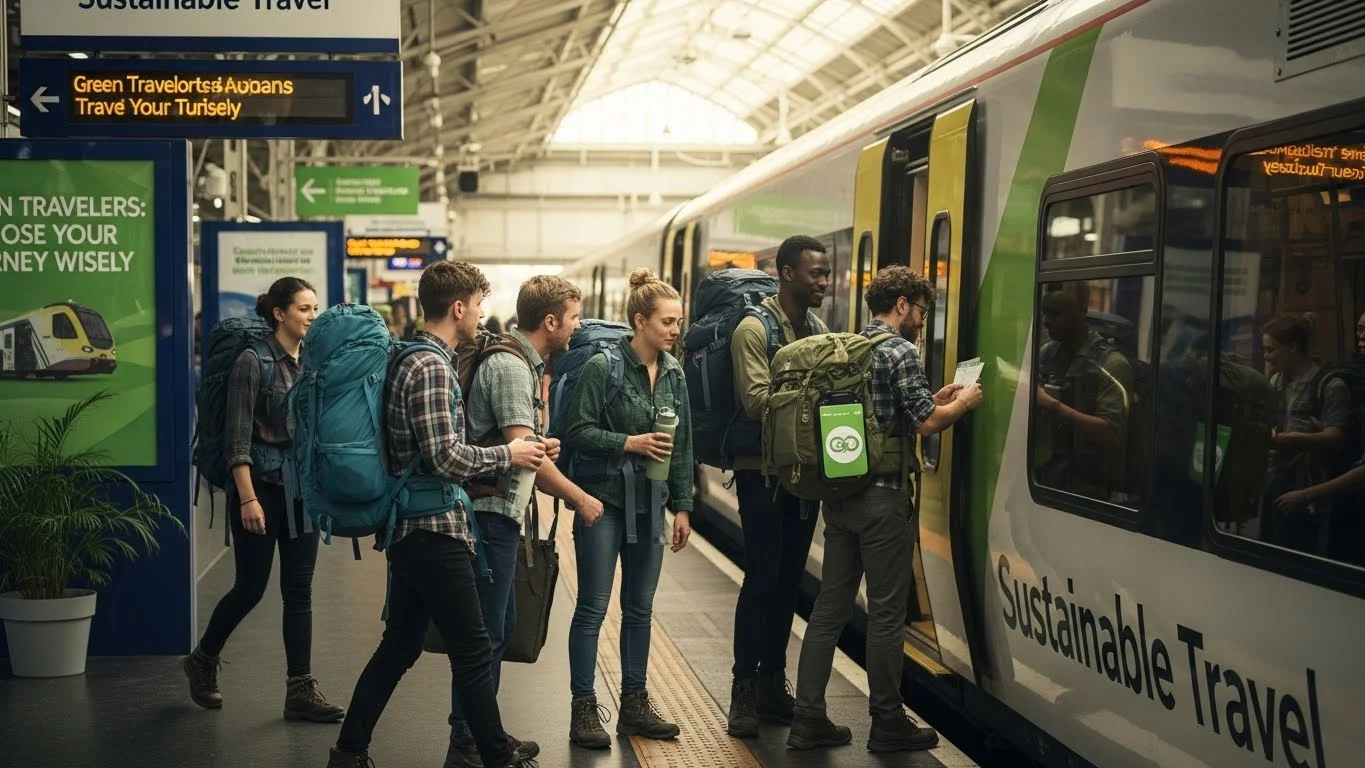
When I first heard the term “budget backpacking,” I pictured young travelers with oversized packs, trekking through vibrant cities and breathtaking landscapes on a shoestring budget. To me, it’s not just about saving money; it’s a lifestyle that emphasizes exploration and adventure while being mindful of our impact on the Earth. Budget backpacking allows us to travel freely, immersing ourselves in new cultures and experiences without the weight of high expenses. It’s about finding joy in the simple pleasures of travel: the local street food, the scenic trails, and the connections we make along the way.
Benefits of Budget Backpacking
There are countless benefits to budget backpacking that I have personally experienced over the years. First and foremost, it fosters a sense of independence and resourcefulness. I’ve learned to navigate new places with just a map and my wits, relying on public transport or my own two feet to explore. This independence often leads to unexpected adventures and friendships, turning a simple trip into a cherished memory.
Moreover, budget backpacking encourages environmental consciousness. By choosing to travel cheaply, we often end up using sustainable transport methods like buses, trains, and bicycles. I remember one trip where I hopped on a train across Europe, marveling at the beautiful landscapes and reducing my carbon footprint in the process. Each journey becomes a chance to appreciate our surroundings while also being responsible travelers. Read Interesting article: Eco-Friendly Transport: Best Options for Sustainable Journeys
Finally, budget backpacking introduces us to local cultures in a unique way. When I travel on a budget, I tend to stay in hostels or community-run accommodations, which leads to deeper interactions with locals. I’ve shared meals with families, learned about traditions, and even picked up a bit of the language, all of which made my travels richer and more meaningful.
Common Misconceptions
Despite the joys of budget backpacking, there are several misconceptions that often deter people from trying it. One common myth is that it’s unsafe. I used to think that budget travel meant sacrificing safety, but I’ve found that with proper planning and awareness, it can be just as secure as more luxurious options. Staying in reputable hostels, using well-known transport services, and being aware of my surroundings have always kept me safe.
Another misconception is that budget backpacking limits your experiences. On the contrary, I’ve discovered that traveling on a budget often opens doors to opportunities that travelers with larger budgets might miss. For example, I once stumbled upon a local festival while walking through a small town because I wasn’t tied down by expensive tours. I felt like a part of the community for that day, dancing and enjoying the festivities alongside the locals.
Lastly, many believe that budget travel means sacrificing comfort. While it’s true that I’ve had my fair share of uncomfortable bus rides or shared dorm rooms, these experiences often lead to the best stories. I’ve met fascinating people during those times, forged connections, and often laughed about the little inconveniences that made the journey memorable. I believe that a little discomfort can lead to some of the most rewarding travel experiences!
Sustainable Transportation Options
Public Transport: Buses and Trains
One of my favorite ways to travel sustainably is by utilizing public transportation. Buses and trains are not only economical but also reduce the carbon footprint significantly compared to individual car travel. I remember taking a train from Paris to Amsterdam, and not only was it affordable, but I also enjoyed the stunning views along the way. The experience was far more enriching than a quick flight would have been.
Alternative Transport: Bicycles and E-Scooters
Bicycles and e-scooters have become incredibly popular in many cities, and for good reason. I’ve rented bikes in places like Amsterdam and Copenhagen, feeling the wind in my hair while exploring at my own pace. It’s a fun way to get around, and it allows me to cover more ground than walking while still being environmentally friendly. Plus, many cities have dedicated bike lanes, making it a safe option for travelers.
Walking and Hiking: The Eco-Friendly Choice
Nothing beats the experience of walking or hiking through a new city or nature trail. I’ve found that some of my most memorable travel moments happened while strolling through a historic neighborhood or hiking to a hidden waterfall. Walking not only allows us to connect more deeply with our surroundings, but it’s also one of the most sustainable forms of transportation. I cherish the moments when I can take my time, breathe in the fresh air, and truly soak in the beauty around me.
Carpooling and Ridesharing
Carpooling and ridesharing services have become increasingly popular, offering a cost-effective and eco-friendly alternative to solo driving. I once used a rideshare app to connect with fellow travelers heading to a festival, which not only saved money but also allowed for great conversations along the way. These options help reduce the number of vehicles on the road, making them a smart choice for budget-conscious green travelers.
Top Destinations for Budget Backpacking
Europe: Affordable Cities with Great Public Transport
Europe has always been a favorite for budget backpackers, and for good reason! I’ve traveled across various European cities, and I’ve found that many of them are incredibly affordable while offering fantastic public transport. Cities like Budapest and Lisbon are prime examples. I remember wandering through the stunning streets of Budapest, where the tram system made it easy to explore both the historic and modern parts of the city without spending a fortune. Plus, there are plenty of free walking tours that allow you to experience the culture and history in a budget-friendly way.
Then there’s Lisbon, where the iconic yellow trams not only provide great transportation but also a scenic view of the city’s beautiful hills and architecture. I loved hopping on the tram to explore the Alfama district, discovering hidden cafés and local markets along the way. With affordable hostels and restaurants, I found that I could stretch my budget and enjoy a rich cultural experience without feeling constrained.
Asia: Backpacking Hotspots with Sustainable Options
Asia is another incredible continent for budget backpacking. I’ve had some of my best travel experiences in places like Thailand and Vietnam. In Thailand, the public transport options are not only budget-friendly but also allow you to connect with locals. I took a long-tail boat ride in Bangkok that was both affordable and immersive, gliding through the city’s canals while absorbing the daily lives of the residents. The local buses and trains are also a great way to travel between cities without burning a hole in your wallet.
Vietnam is equally appealing. I recall my journey from Ho Chi Minh City to Hanoi, hopping on a sleeper train that was surprisingly comfortable and affordable. The scenic views along the route made the experience even better. The food is delicious and cheap, and there are countless street vendors that provide authentic local flavors without the hefty price tag. Plus, many cities in Vietnam are bike-friendly, allowing for a sustainable way to discover the surroundings.
South America: Eco-Friendly Travel Choices
South America is a hidden gem for budget travelers seeking eco-friendly options. Countries like Colombia and Peru offer breathtaking landscapes, rich cultures, and accessible transportation. I remember arriving in Medellín, where the city’s cable car system not only connects neighborhoods but also provides stunning views of the surrounding mountains. Using public transport here was not just economical; it was an adventure in itself!
Peru is another must-visit. When I trekked to Machu Picchu, I opted for the bus to Aguas Calientes, which was both affordable and offered a chance to meet fellow travelers. I found that many locals are incredibly welcoming, and by choosing local transport, I felt like I was giving back to the community. Additionally, there are numerous eco-lodges that promote sustainable practices, making it easier to enjoy nature without leaving a heavy footprint. Read Interesting article: Discover Sustainable Stays: Eco-Friendly Lodging Options
Africa: Exploring with Minimal Impact
Africa may not be the first continent that comes to mind for budget backpacking, but it’s filled with opportunities for sustainable travel. I had an unforgettable experience in Kenya, where I took local matatus (shared minibuses) to get around. It was a fun and affordable way to travel, and I loved the energy of the fellow passengers. The matatus are often colorful and decorated, adding a unique cultural flair to the journey.
Another highlight was my trip to Tanzania, where I chose to hike instead of taking a vehicle to explore the stunning landscapes. Walking through villages and national parks allowed me to connect with nature and the local people. I discovered that many accommodations and tours focus on sustainability, which made me feel good about my travel choices. I remember staying at a community-run lodge that was dedicated to preserving the environment while supporting local livelihoods. It was a rewarding experience that truly captured the essence of responsible travel.
Planning Your Backpacking Trip
Choosing Sustainable Accommodations
When it comes to planning my backpacking trips, I always prioritize finding sustainable accommodations. I’ve learned that hostels and eco-lodges not only provide affordable options but also often have a commitment to sustainability. My favorite places have been those that use renewable energy, recycle waste, and support local communities. I remember staying in a hostel in Costa Rica that had a fantastic garden and offered yoga classes, which helped me connect with both the environment and fellow travelers.
Budgeting for Transportation Costs
Budgeting for transport is essential, and it’s something I’ve become quite adept at over time. I usually make a rough estimate of costs before my trip, factoring in local transport options. I’ve found that using apps or websites to compare prices for buses and flights can save a lot of money. Additionally, I try to book in advance whenever possible, especially for long-haul trips, to secure the best rates. This way, I can allocate more of my budget to experiences rather than just getting from point A to B.
Finding Eco-Friendly Travel Resources
In today’s digital age, finding eco-friendly travel resources has never been easier. I often rely on websites and apps that specialize in sustainable travel options. They help me discover eco-friendly accommodations, transport, and activities. I’ve also found that social media groups and forums can be a treasure trove of advice from fellow travelers. I remember joining a Facebook group focused on sustainable travel, which led me to some incredible recommendations that I would have otherwise missed.
Creating an Itinerary with Minimal Footprint
When I plan my itineraries, I always aim to include activities that have a minimal footprint. I try to focus on local experiences, such as visiting farmers’ markets or participating in community events, rather than commercialized tourist traps. I remember creating an itinerary in Thailand that included a cooking class with a local family, which not only supported their livelihood but also allowed me to learn about their culture firsthand. It’s moments like these that make my travels truly enriching and sustainable.
Tips for Green Travelers
Pack Light: The Essentials Only
I can’t stress enough how packing light has transformed my travel experience. When I first started backpacking, I used to overpack, thinking I needed everything “just in case.” However, I quickly realized that carrying less not only makes traveling easier but also supports eco-friendliness. With a lighter load, I found it simpler to use public transport, walk longer distances, and reduce wear and tear on my body. I focus on packing versatile clothing that I can mix and match, as well as multifunctional gear like a travel towel that can double as a blanket. This way, I only bring what I truly need, which allows me to travel more freely and sustainably.
Reduce Waste: Reusable Items to Bring
In my journey towards being a more responsible traveler, I’ve learned the importance of reducing waste. This starts with the items I bring along. I always pack a reusable water bottle, which not only saves money but also helps me reduce plastic waste. I remember being in a bustling market in Bangkok where I used my water bottle to stay hydrated without buying single-use plastic bottles. I also carry reusable shopping bags for groceries and souvenirs, which has become a habit I cherish. These small changes may seem insignificant, but collectively, they contribute to a much larger impact on our planet.
Support Local Economies: Choosing Local Transport
One of the most rewarding aspects of budget backpacking is the opportunity to support local economies. Whenever I can, I opt for local transport options instead of international chains or expensive taxis. For instance, in Peru, I hopped on a local bus filled with laughter and music, and it was a great way to connect with the community. I found that local drivers often share stories and tips about the area, enriching my travel experience. By choosing local transport, I not only save money but also contribute directly to the livelihoods of the people I meet.
Engage with Local Communities Responsibly
Engaging with local communities has always been a highlight of my travels. However, I believe it’s essential to do so respectfully and responsibly. I learned this during a visit to a small village in Cambodia, where I participated in a community project. The locals welcomed us with open arms, and I felt honored to contribute. I always try to seek out opportunities that allow me to learn more about the culture and traditions of the places I visit while being mindful of their customs and practices. This approach not only enhances my experience but also fosters a sense of connection and mutual respect.
Resources for Sustainable Backpacking
Apps for Green Travel
Over the years, I’ve discovered several apps that make sustainable travel easier and more accessible. One of my favorites is “HappyCow,” which helps me find plant-based restaurants and cafés wherever I go. It’s been invaluable for me as a conscious eater. Another app I love is “Green Key,” which lists eco-certified hotels and accommodations. Using these apps has not only simplified my planning but also ensured that I’m making greener choices. I always recommend downloading these apps before heading out on your adventures!
Websites Offering Eco-Friendly Travel Guides
There’s no shortage of online resources dedicated to sustainable travel. I often turn to websites like “Sustainable Travel International” and “Responsible Travel” for tips and destination guides. They provide insights on eco-friendly accommodations, local transport options, and activities that benefit the environment. I recall planning my trip to Costa Rica using their recommendations, which led me to some fantastic eco-lodges and activities that prioritized sustainability. It’s heartening to know that such resources are just a click away.
Books on Sustainable Travel Practices
Books have played a significant role in shaping my approach to travel. Titles like “The Sustainable Travel Handbook” and “Leave Only Footprints: My Acadia-to-Zion Journey Through Every National Park” have provided me with practical advice and inspiration. I enjoy curling up with a good travel book before my trips, and it’s fascinating to learn from others’ experiences and insights. They help me think critically about my travel choices and encourage a deeper commitment to sustainability.
Challenges and Solutions in Sustainable Transport
Overcoming Language Barriers
One challenge I often face while traveling is the language barrier, especially when navigating public transport. I remember being in a small town in Spain where the bus schedules were entirely in Spanish. I felt a bit overwhelmed at first, but I found that using translation apps like Google Translate made a significant difference. I also learned a few key phrases in the local language, which not only helped me communicate but also endeared me to the locals. Making an effort to understand the language shows respect and can open doors to wonderful interactions.
Navigating Public Transport Systems
Navigating public transport can sometimes feel daunting, especially in larger cities. I’ve had my fair share of confusion, but I’ve learned to embrace it as part of the adventure. Researching the transport system beforehand can be a game-changer. I usually check out local blogs and videos that explain how to get around. Additionally, I’ve found that asking locals for help or directions can lead to unexpected discoveries and friendships. I remember one time in Tokyo when a kind stranger went out of their way to guide me to the right train station—it was a heartwarming experience!
Staying Safe While Traveling Sustainably
Safety is always a priority, especially when I’m focused on budget and eco-friendly travel. I’ve developed a few strategies to stay safe while making environmentally conscious choices. For example, I prefer traveling during the day when using public transport and always keep my belongings secure. I also make sure to stay aware of my surroundings and trust my instincts. I remember walking home from a local market in Mexico City after dark and feeling a bit uneasy, so I decided to take a rideshare instead. It’s essential to balance sustainable choices with personal safety, and I’ve learned that it’s okay to adapt my plans when necessary.
Frequently Asked Questions
What is budget backpacking?
Budget backpacking is a lifestyle that emphasizes exploration and adventure while being mindful of our impact on the Earth. It allows travelers to immerse themselves in new cultures and experiences without incurring high expenses, focusing on the simple pleasures of travel.
What are some benefits of budget backpacking?
Budget backpacking fosters independence and resourcefulness, encourages environmental consciousness through the use of sustainable transport, and introduces travelers to local cultures through deeper interactions with locals.
Is budget backpacking safe?
Many believe budget backpacking is unsafe, but with proper planning and awareness, it can be just as secure as more luxurious options. Staying in reputable hostels and using well-known transport services contributes to safety while traveling on a budget.
How does budget backpacking limit experiences?
Contrary to the belief that it limits experiences, budget backpacking often opens doors to unique opportunities that travelers with larger budgets might miss, such as stumbling upon local festivals or hidden gems while exploring.
What sustainable transportation options are recommended for budget backpackers?
Recommended sustainable transportation options include public transport like buses and trains, bicycles and e-scooters for local exploration, and walking or hiking as eco-friendly choices.
Which regions are ideal for budget backpacking?
Europe, Asia, South America, and Africa are all great regions for budget backpacking, each offering affordable cities, sustainable transport options, and rich cultural experiences.
How can I choose sustainable accommodations while backpacking?
Look for hostels and eco-lodges that are committed to sustainability, such as those that use renewable energy and support local communities. Researching these options ahead of time helps ensure responsible travel choices.
What tips can help reduce waste while traveling?
Packing reusable items like a water bottle and shopping bags can significantly reduce waste. These small changes help travelers minimize their environmental impact during their journeys.
What resources are available for sustainable backpacking?
There are various resources including apps for green travel, websites offering eco-friendly travel guides, and books on sustainable travel practices that can help travelers make informed choices.
How can I stay safe while traveling sustainably?
Staying safe involves traveling during the day, securing belongings, remaining aware of surroundings, and being willing to adapt plans when necessary. Balancing sustainable choices with personal safety is crucial.