
Embarking on a solo backpacking adventure can be exhilarating and liberating. With the right planning and tips, you can explore the world without breaking the bank. Let’s dive into how to make your journey both budget-friendly and unforgettable! Read Interesting article: Discovering Cultures Alone: Budget Backpacking Tips
Understanding Budget Backpacking
What is Budget Backpacking?
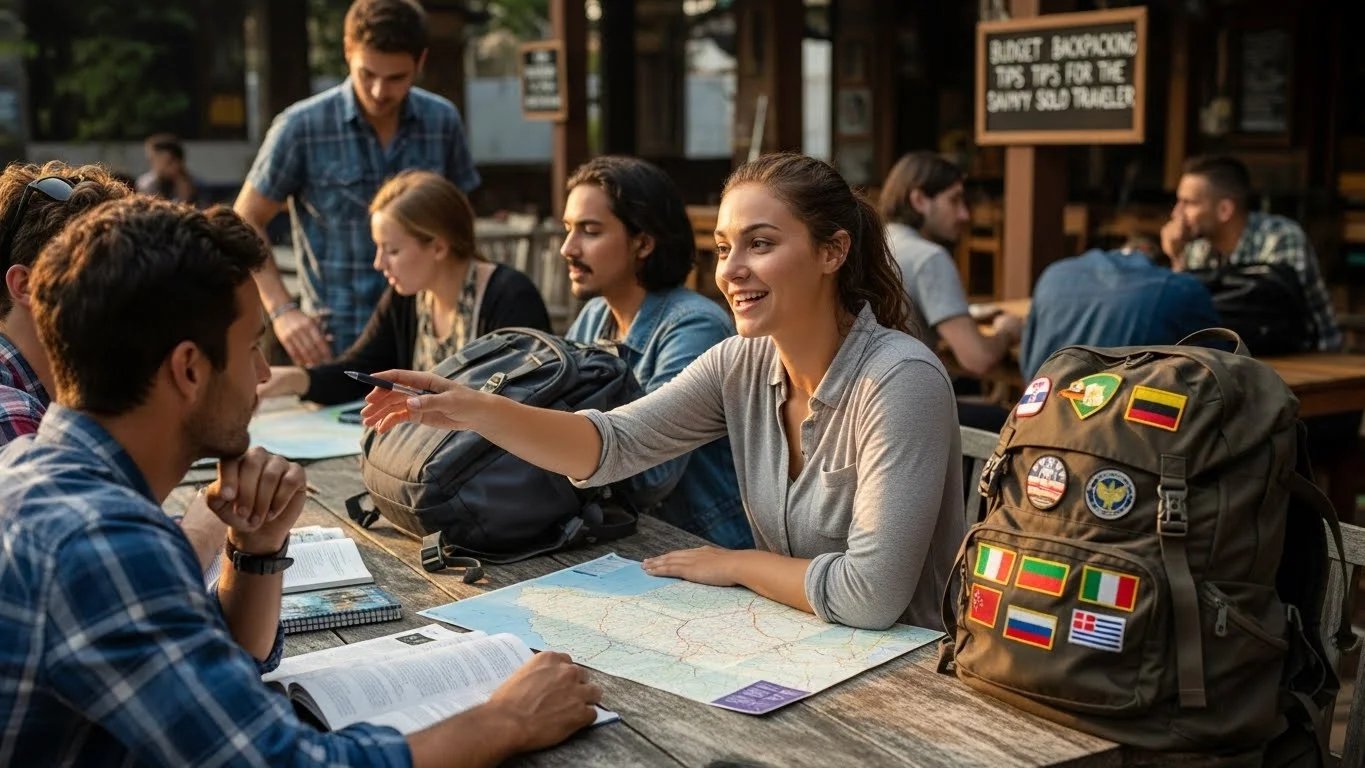
Budget backpacking is all about traveling on a limited budget while still maximizing your experiences. I remember my first solo trip where I decided to explore Southeast Asia. I didn’t want to spend a fortune, but I was eager to soak in the sights, sounds, and cultures of the places I visited. Budget backpacking allowed me to stay flexible, meet new people, and truly immerse myself in each destination. It’s not about luxury; it’s about adventure, discovery, and making memories that last a lifetime.
Benefits of Solo Travel
Traveling solo comes with its own set of perks. For starters, you have the freedom to create your itinerary without needing to compromise. I loved waking up and deciding to head to a local market one day and a national park the next without having to check in with anyone else. Plus, solo travel pushes you out of your comfort zone, helping you build confidence and independence. You meet fellow travelers more organically, as you’re often more approachable when you’re on your own. I made some of my closest friends on the road simply by striking up conversations with fellow backpackers in hostels.
Essential Gear for Backpacking
Having the right gear can make or break your backpacking experience. When I first started, I realized that packing light was key. I invested in a good quality backpack that fit comfortably, as I would be carrying it around for hours on end. My favorites include a lightweight sleeping bag, a portable stove, and durable shoes that could handle various terrains. I also strongly recommend a water bottle with a built-in filter; staying hydrated is essential, and this can save you money on buying bottled water. Remember, it’s not just about what you pack, but how you pack it. I learned the hard way to roll my clothes instead of folding them to save space!
Planning Your Backpacking Trip
Choosing Your Destination
Choosing the right destination can be both exciting and overwhelming. I remember flipping through travel blogs and guidebooks, dreaming of places like Peru, Thailand, or Portugal. Each place has its unique charm and experiences to offer, but I also wanted to ensure I could travel there on a budget. My advice is to consider your interests—do you prefer mountains, beaches, or vibrant cities? Think about the culture you want to immerse yourself in, and don’t shy away from lesser-known spots. I found that some of the most memorable experiences were in smaller towns where I could connect with locals. Read Interesting article: Best Budget Backpacking Tips for Families with Kids
Researching Budget-Friendly Locations
Once I had a destination in mind, I started researching budget-friendly locations. Websites like Hostelworld and Booking.com were my go-tos for finding cheap accommodations. I also discovered several blogs that focus on budget travel tips. They provided insights into the best neighborhoods to stay in and hidden gems that didn’t cost a fortune. For instance, I found a quaint little guesthouse in a small town in Vietnam that cost less than $10 a night, and it came with breakfast! Traveling during the shoulder season often means fewer tourists and lower prices, which was a game changer for me.
Seasonality and Weather Considerations
Weather can significantly affect your backpacking experience. I learned this the hard way when I traveled to Europe in the winter, thinking I could handle the cold. Researching seasonality for your chosen destination is crucial. For me, visiting countries like Thailand during the dry season ensured I could explore without the hassle of monsoon rains. I recommend checking online resources or asking locals about the best times to visit. Also, packing layers can help you adapt to changing weather conditions, especially if you’re moving between different climates.
Setting a Realistic Budget
Before I set off on my adventures, I found it essential to create a realistic budget. I calculated my expected expenses, including accommodations, food, transportation, and activities, then added a bit more for unexpected costs. It was eye-opening to see how much I could save by prioritizing hostels and street food. I often set a daily limit for myself, which helped me keep track of my spending while still allowing for spontaneous experiences. I recommend using budgeting apps to keep everything organized and to ensure you’re staying on track.
Budget Accommodation Options
Hostels: The Affordable Choice
Hostels hold a special place in my heart. They were my first foray into budget accommodation, and they allowed me to travel without worrying too much about where I’d lay my head at night. I remember my first night in a bustling hostel in Barcelona; it was full of energy, laughter, and travelers from all corners of the world. Hostels are not just cheap; they often provide great opportunities for socializing. Many offer communal kitchens, where I enjoyed cooking with others or sharing meals. Plus, the staff usually have invaluable tips and tricks to help you navigate the area as a budget traveler. I can’t recommend checking out the ratings and reviews on sites like Hostelworld or Booking.com enough, as they can lead you to some real gems.
Couchsurfing: Staying with Locals
Couchsurfing was something I was initially hesitant about, but it turned out to be one of my favorite experiences. The idea of staying with locals for free sounded too good to be true, but I found that it offers an authentic glimpse into the culture of a place. I remember my first Couchsurfing experience in Istanbul. My host was a local artist who took me to hidden spots in the city that I would never have found on my own. It felt like I was truly part of the community. Of course, I learned to read profiles carefully and communicate openly with my potential hosts. Couchsurfing is about mutual respect and connection, and it definitely enriched my travels.
Camping: Embracing the Outdoors
Camping might not have been my first thought when I planned my backpacking adventures, but it quickly became one of my favorite ways to save money. I discovered that nature has its own kind of magic. A night spent under the stars in the national parks of Canada was simply breathtaking. I bought a lightweight tent and learned to pack all the essentials for camping. I remember sitting around a campfire, swapping stories with fellow backpackers, and cooking my meals over an open flame. Camping not only saved me money, but it also connected me more deeply to the places I visited. Just be sure to research local camping regulations and pack out what you pack in to help preserve these beautiful areas!
Airbnb and Vacation Rentals
While my heart leans towards hostels and Couchsurfing, I also found Airbnb and vacation rentals to be a fantastic option, especially when traveling in groups or needing a bit more space. I once booked a cozy apartment in Lisbon, which turned out to be a perfect home base. It was affordable, and having a kitchen allowed me to prepare some meals, saving even more money. I felt like a local, waking up in a residential neighborhood, grabbing coffee from a nearby café, and exploring the city at my own pace. When choosing an Airbnb, I recommend looking for places with excellent reviews and considering the location—it can make a huge difference in your experience.
Transportation on a Budget
Finding Cheap Flights
Finding cheap flights can feel like searching for a needle in a haystack, but I discovered a few tricks along the way. I remember booking a flight to Bangkok and feeling like I’d won the travel lottery. I always keep an eye on flight comparison sites like Skyscanner and Google Flights. Setting up alerts for specific routes was a game changer for me; I’d receive notifications when prices dropped. Flexibility is key here—if you can be flexible with your departure dates, you’ll often find better deals. I also learned to consider alternative airports, which sometimes offer significantly lower fares.
Using Public Transportation
Once I arrived at my destination, public transportation became my best friend. I found that using buses, trams, and trains not only saved money but also provided a unique way to see the city. I recall hopping on a local bus in Prague, and instead of taking the tourist tram, I got to see everyday life unfold around me. Many cities offer transportation passes for visitors, which can save you a lot on individual ticket prices. It’s always worth researching the local transit system before heading out; it can open up a whole new world of exploration!
Hitchhiking and Rideshares
Hitchhiking might sound a bit daunting, but I decided to give it a shot during my travels in Eastern Europe. I was pleasantly surprised by how friendly and welcoming people were. I remember standing by the roadside in Hungary, and within minutes, a kind couple picked me up. It’s a great way to meet locals and travelers while saving money. If hitchhiking isn’t your thing, rideshare apps can also be a budget-friendly and safe alternative, especially in cities where public transport isn’t as reliable.
Renting Bicycles or Motorbikes
Renting a bicycle was one of the best decisions I made while exploring Amsterdam. Biking allows you to cover more ground and see the city from a different perspective. I loved pedaling along the canals, stopping at little cafes that I wouldn’t have found otherwise. In places like Southeast Asia, where motorbikes are popular, renting one can be an affordable way to explore the countryside. Just make sure to check the rental requirements and understand the local traffic rules. I found that having a map (or using an offline app) was super helpful in navigating new areas.
Food and Dining Tips
Eating Local: Street Food and Markets
When it comes to food while traveling, I always encourage embracing local cuisine through street food and markets. There’s something magical about trying a dish prepared right in front of you, often for just a couple of bucks! I vividly recall my time in Thailand, where I discovered the wonders of pad thai served from a street vendor. The flavors were incredible, and it was a fraction of the cost of dining in a restaurant. Plus, street food offers a glimpse into everyday life. I’ve even made friends while waiting in line for some delicious dumplings or tacos! Keep an eye out for busy stalls—if locals are eating there, it’s usually a good sign.
Cooking Your Own Meals
One of the best ways to save money while backpacking is by cooking your own meals. Many hostels and guesthouses come equipped with kitchens, which I found incredibly handy. I remember staying in a hostel in Berlin where I shared cooking duties with fellow travelers. We’d hit up local markets, stock up on fresh ingredients, and whip up some international dishes together. Not only did this help stretch my budget, but it also turned into a fun social activity. I recommend planning a few meals ahead of time and keeping it simple—pasta, stir-fries, or salads are always crowd-pleasers, and you can often make enough for leftovers!
Finding Budget Restaurants
While street food and cooking are fantastic options, I also enjoyed exploring budget restaurants. I discovered that some of the best meals were found in local diners or family-run establishments. I remember stumbling upon a tiny Lebanese restaurant in a back alley of Barcelona where the owner greeted me like family. The food was authentic and incredibly cheap. I suggest using apps like Yelp or TripAdvisor to read reviews and find hidden gems in the area. Look for lunch specials, which are typically more affordable, and always ask locals for their recommendations—they often know where to find the best deals!
Using Apps for Dining Discounts
With technology at our fingertips, I found several apps helpful for scoring dining discounts. Apps like TheFork and Groupon often feature deals at local restaurants. I used one while in Paris that offered a substantial discount on a lovely bistro, allowing me to enjoy a delightful meal without blowing my budget. It’s worth checking these apps before heading out for the night. I also recommend following restaurants on social media; many offer exclusive deals or promotions to their followers. It’s an easy way to indulge in local cuisine while keeping your wallet happy!
Activities and Attractions
Free and Low-Cost Activities
One of the greatest joys of budget backpacking is discovering all the free or low-cost activities available. I remember walking through the vibrant streets of Lisbon, where I stumbled upon beautiful street art, parks, and historic sites that didn’t cost a dime to enjoy. Many cities have free attractions like museums on certain days or outdoor concerts that are perfect for soaking up local culture. I often spent my days wandering, taking in the sights, and capturing photos without ever needing to spend much. I recommend checking local tourism sites or community boards for free events happening during your stay.
Exploring Nature and National Parks
Nature has a way of refreshing the soul, and I found that exploring national parks was an incredible and affordable way to spend my time. I’ve had unforgettable experiences hiking through the stunning landscapes of Banff National Park in Canada, where the only cost was the entrance fee. I always carry a reusable water bottle and some snacks, which helps keep my expenses down while enjoying a scenic picnic. National parks often have trails for various skill levels, making it accessible for everyone. Just ensure you check the rules and pack out any trash to keep these natural wonders pristine!
Joining Free Walking Tours
Free walking tours became one of my favorite ways to discover a new city. I joined a few during my travels, and each guide shared fascinating stories and insights about the culture and history of the place. It’s a great way to get oriented and learn about must-see attractions and hidden gems. I remember a fantastic walking tour in Edinburgh that led me through cobblestone streets, ending at a cozy pub where I shared drinks with fellow travelers. While the tours are technically free, it’s customary to tip your guide at the end based on what you can afford, which I always felt was worth it.
Discount Passes for Attractions
Many cities offer discount passes that provide access to several attractions at a reduced rate. I found this particularly handy during my time in London, where the tourist pass allowed me to visit multiple museums and landmarks for one flat fee. It helped me budget better and encouraged me to explore sites I might have skipped otherwise. I recommend researching these passes ahead of time and calculating if they’ll save you money based on your itinerary. They often include public transport options too, making it even more convenient to get around! Read Interesting article: Explore Heritage Sites: Budget Backpacking Tips & Tricks
Frequently Asked Questions
What is budget backpacking?
Budget backpacking is about traveling on a limited budget while maximizing experiences. It allows travelers to stay flexible, meet new people, and immerse themselves in different cultures without spending a fortune.
What are the benefits of solo travel?
Solo travel offers the freedom to create your own itinerary without compromise, helps build confidence and independence, and allows for more organic interactions with fellow travelers, enhancing the overall experience.
What essential gear should I pack for backpacking?
Essential gear for backpacking includes a comfortable and lightweight backpack, a good sleeping bag, a portable stove, durable shoes, and a water bottle with a built-in filter. Packing light and rolling clothes instead of folding them can also save space.
How can I choose a budget-friendly destination?
To choose a budget-friendly destination, consider your interests, such as mountains, beaches, or cities, and research lesser-known spots. Check travel blogs and guidebooks for insights into affordable locations that offer unique experiences.
What are some budget accommodation options for backpackers?
Budget accommodation options include hostels, Couchsurfing, camping, and vacation rentals like Airbnb. Each offers unique experiences, from socializing in hostels to staying with locals or enjoying the outdoors while saving money.
How can I find cheap flights for my travels?
Finding cheap flights can be done by using flight comparison sites like Skyscanner and Google Flights, setting up alerts for price drops, and being flexible with departure dates and alternative airports.
What are some tips for saving money on food while traveling?
To save money on food, embrace local street food, cook your own meals in hostel kitchens, explore budget restaurants, and use apps for dining discounts. This allows you to enjoy local cuisine without overspending.
What activities can I do that are free or low-cost?
Free or low-cost activities include exploring nature and national parks, joining free walking tours, and taking advantage of free attractions like museums on specific days. These options help you experience local culture without spending much.
How can I budget for my backpacking trip?
Setting a realistic budget involves calculating expected expenses such as accommodations, food, transportation, and activities. It’s helpful to set a daily spending limit and use budgeting apps to keep track of expenses.
What are discount passes for attractions, and how can they help?
Discount passes for attractions allow access to multiple sites at a reduced rate, which can save money during your trip. They often include public transport options, making it convenient to explore various attractions.