
Embarking on a safari in Africa is a dream for many, but it often seems financially out of reach. However, budget-friendly options exist that allow us to explore the stunning wildlife and landscapes without breaking the bank. For those interested in exploring various options, check out our article on Top 5 Affordable African Safari Destinations for Backpackers.
Understanding Budget-Friendly African Safaris
What is a Budget-Friendly Safari?
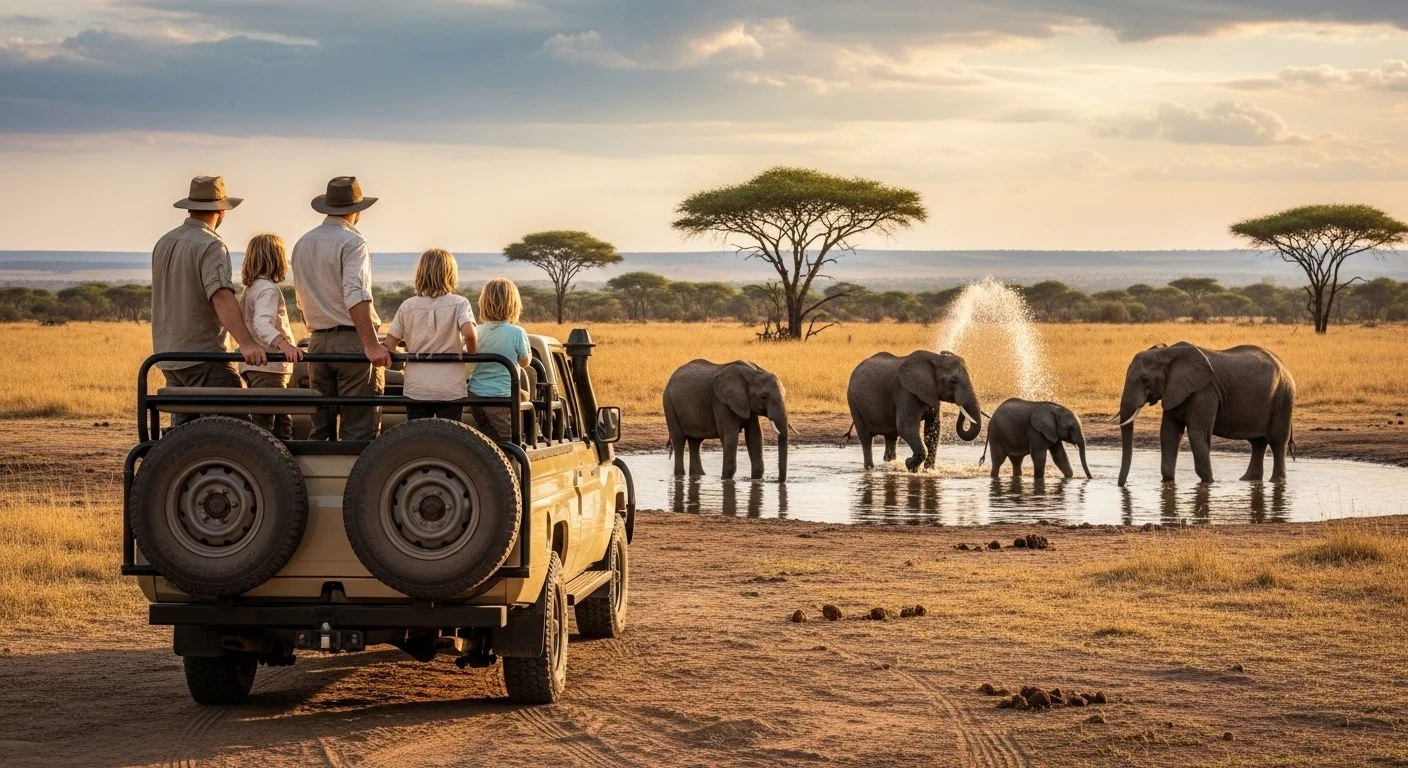
A budget-friendly safari is essentially a way to experience the incredible wildlife and natural beauty of Africa without spending a fortune. It involves various strategies, such as choosing affordable accommodations, opting for group tours, and visiting less touristy parks. I remember when I first considered going on a safari; I was worried about the costs involved. But as I researched, I found that with a bit of planning, it’s entirely possible to enjoy a fantastic safari experience even on a tight budget.
Benefits of Choosing a Budget Safari
Choosing a budget safari comes with several advantages. For one, it allows more flexibility and creativity in planning. I discovered that by avoiding the high-season crowds and expensive lodges, I could visit multiple parks and experience a variety of landscapes and wildlife. Plus, budget safaris often focus on the experience rather than luxury. I found that this approach enabled more meaningful interactions with nature and local communities.
Another benefit is the chance to meet like-minded travelers. During my budget safari, I connected with people from different backgrounds, sharing stories and tips. This camaraderie enriched my experience, making it even more memorable. Plus, many budget-friendly tours are guided by local experts who have a deeper understanding of the wildlife and ecosystems, enhancing our appreciation for the surroundings.
On top of that, opting for a budget safari often means you can allocate more funds to experiences, like hot air balloon rides over the savannah or guided night walks. I can still recall the thrill of spotting a lion under the moonlight – a moment I wouldn’t trade for anything.
Top Budget Safari Destinations in Africa
Kenya: The Maasai Mara
Kenya’s Maasai Mara is famous for its stunning landscapes and abundant wildlife. While it can be pricey during peak times, visiting during the shoulder season can significantly reduce costs. I remember how breathtaking the migration of wildebeests was, and being able to witness it while keeping my budget in check was a victory! Opting for a camping safari here rather than luxury lodges can save a lot without sacrificing the experience.
Tanzania: Serengeti National Park
The Serengeti is another iconic destination. I found that staying in tented camps or even opting for self-catering accommodations can help keep expenses low. The park offers various entry points, and exploring lesser-known areas can lead to incredible wildlife sightings while avoiding crowds. Plus, the vast landscapes make for stunning photographs, and I loved capturing the sunset over the plains. For more budget-friendly travel ideas, consider reading about the Top 10 Budget Winter Hiking Trails for Adventurers.
South Africa: Kruger National Park
Kruger National Park is one of the most accessible safari destinations. I learned that self-driving through the park is not only budget-friendly but also an adventure in itself. With numerous campsites and affordable lodges available, it’s possible to create a memorable experience tailored to my budget. Spotting elephants and rhinos from the comfort of my vehicle was surreal, and I felt a sense of freedom exploring at my own pace.
Namibia: Etosha National Park
Etosha is known for its salt pan and diverse wildlife. I was amazed at how affordable it was to stay inside the park. The public campsites are well-kept, and the chance to see animals gathering at the waterholes was a highlight. I remember sitting quietly and watching a group of giraffes drink – it felt like nature’s theater right before my eyes.
Botswana: Chobe National Park
Chobe National Park offers fantastic wildlife experiences, especially with its elephants. I found budget camping options and day trips to be budget-friendly ways to experience the park. The river cruises were also surprisingly affordable, and I enjoyed spotting hippos and crocodiles while learning about the ecosystem. The sheer number of animals I saw was overwhelming in the best way possible!
By exploring these destinations and being open to budget-friendly options, I found that I could immerse myself in the stunning beauty of Africa without feeling guilty about my spending. Each park provided a unique experience, and I cherish the memories I made there, all while keeping my budget intact.
When to Go on a Budget Safari
Best Time to Visit for Wildlife Viewing
Timing is everything when it comes to safari experiences. I learned that visiting during the dry season, which varies by region, can greatly increase our chances of spotting wildlife. During this time, animals are drawn to water sources, making them easier to find. For example, I remember visiting Kruger National Park in June, where we saw herds of elephants congregating around waterholes. It was incredible to witness their interactions in such a vibrant setting.
However, the shoulder seasons, just before and after the peak dry season, also offer excellent opportunities. For instance, I visited the Serengeti in late May, just before the main migration. Although the crowds were fewer, I was still treated to breathtaking views and animal encounters while keeping costs lower. I believe this timing allows us to enjoy the beauty of the parks without the hustle and bustle of peak tourist season.
Off-Peak vs. Peak Seasons
One thing I realized is that the price difference between off-peak and peak seasons can be substantial. Peak season typically runs from June to October in many parks, and prices can skyrocket. When I traveled during the off-peak times, I found that accommodations, park fees, and even meals were significantly cheaper. It was also refreshing to experience the parks with fewer people around.
For instance, visiting Chobe National Park in November provided a unique experience. Although the weather was hotter, the wildlife was just as vibrant, and I had more freedom to explore without feeling rushed. The same can be said for the Maasai Mara after the migration season, where the landscapes were lush, and many animals were still visible. I think it’s worth considering these off-peak times, not just for cost savings but for a more intimate connection with nature.
Weather Considerations
Weather plays a crucial role in planning a budget safari. Each park has its own climate, and understanding this can help us prepare and plan accordingly. I remember visiting Etosha in the rainy season, which ran from November to April. The landscape was stunningly green, but heavy rains sometimes made roads impassable. Seeing wildlife during this time was a bit of a challenge, but the rewards were incredible when we did spot animals against such a vibrant backdrop.
In contrast, the dry season meant fewer chances of rain but also hotter temperatures. On my trip to the Serengeti, I found the mornings and evenings were the best times for game drives when the temperatures were cooler, and the animals were more active. I recommend staying hydrated and wearing breathable clothing, regardless of the season, to stay comfortable and enjoy the incredible sights.
How to Save Money on Safari Tours
Choosing the Right Tour Operator
Finding the right tour operator can make all the difference in our budget safari experience. From my experience, I discovered that doing thorough research and reading reviews is essential. I had a great experience with a local safari company that offered budget packages, which included accommodations, meals, and guided tours. They were knowledgeable about the parks and provided personalized service, making me feel valued as a traveler.
When I compared prices, I found that local operators often offered better deals than larger international companies. It’s important to ask questions about what’s included in the package, as hidden fees can sometimes inflate costs. I remember clearly asking about park fees and what meals were covered, so I wasn’t caught off guard later. This clear communication helped me avoid unexpected expenses and enjoy my trip without financial stress.
Group Safaris vs. Private Safaris
Group safaris are a fantastic way to save money while meeting new people. I went on a group tour in Namibia, and the cost was significantly lower compared to a private tour. Sharing costs for transportation and guides can lead to substantial savings. Plus, the camaraderie from traveling with others added to the fun of our adventure. We shared stories around the campfire and even pooled our resources for some additional activities, like guided walks.
On the flip side, if you prefer a more personalized experience or want to focus on specific wildlife interests, a private safari might be worth the splurge. I’ve seen friends opt for a private guide in the Maasai Mara, allowing them to tailor their schedule and focus on specific animals. Weighing the pros and cons and deciding what fits our travel style best can help us make the right choice.
Camping vs. Lodging Options
Accommodations can eat up a significant part of our safari budget, but I found camping to be an excellent alternative. Many parks offer campsites that are not only affordable but also immerse us in nature. I remember camping under the stars in Etosha, surrounded by the sounds of wildlife. It was a magical experience, and I felt more connected to the environment than I ever had in a hotel.
Of course, if camping isn’t for everyone, there are also budget lodges and guesthouses available. During my safari, I stayed in a cozy lodge that provided essential amenities without the luxury price tag. I recommend looking for places that are slightly outside the main tourist areas, as they tend to be cheaper while still offering easy access to the parks.
Transportation Tips: Self-Drive vs. Guided Tours
Transportation can also impact our safari budget. I opted for a self-drive safari in Kruger National Park, which allowed me to explore at my own pace. It was exciting to navigate the park and choose my routes. Plus, I saved money on guided tour fees. However, I also appreciated the value of guided tours, as they often come with knowledgeable drivers who can spot wildlife that we might miss. Weighing these options based on our comfort level and budget is key to planning a fantastic safari experience.
Essential Budget Safari Tips
What to Pack for a Budget Safari
Packing for a budget safari can really make a difference in our experience. I remember the first time I went, I overpacked and ended up lugging around a heavy backpack. Now, I focus on bringing only the essentials. Lightweight, breathable clothing is a must, especially since temperatures can fluctuate throughout the day. I usually opt for quick-dry fabrics that are easy to layer, which helps me stay comfortable during morning game drives and warmer afternoons.
Comfortable walking shoes are also crucial. I made the mistake of wearing new shoes on my first safari, and let me tell you, blisters were not the souvenir I wanted to take home! I recommend sturdy hiking boots or sandals that you’ve already broken in. Don’t forget a good sun hat and sunglasses to protect yourself from the African sun – I learned this the hard way after a long day without them!
Additionally, I always pack a reusable water bottle to stay hydrated, especially during long drives. Most campsites and lodges offer water refills, so it’s an eco-friendly way to stay refreshed. Binoculars are another essential item, as they allow us to get a closer look at wildlife without disturbing them. Lastly, I found that a small first-aid kit with basic supplies, insect repellent, and sunscreen can save us from minor inconveniences while out in the field.
Travel Insurance for Safaris
Travel insurance is something I never travel without, especially on safaris. I’ve learned that unexpected situations can arise, from flight delays to health issues, and having insurance gives me peace of mind. When selecting a policy, I make sure it covers outdoor activities like game drives and walking safaris, as not all plans include this.
During my last safari, I encountered a minor health scare that required a quick visit to a local clinic. Luckily, my travel insurance covered the costs, and I was able to continue my adventure without further worries. I recommend reading the fine print and ensuring that any emergency evacuation is also included, just in case we find ourselves in a remote area that requires immediate assistance.
Staying Safe on a Budget Safari
Safety is paramount when embarking on a budget safari. I always prioritize staying aware of my surroundings, especially in unfamiliar places. For instance, I remember being in a campsite where we were advised to avoid walking alone after dark. Following local guidelines is crucial, and I’ve found that listening to guides and lodge staff can provide valuable insights on safety.
It’s also important to keep our valuables secure. I typically use a money belt or a secure bag for important items like passports, cash, and electronics. While I love capturing memories with my camera, I also ensure I’m not flaunting it around too much, as it can attract unwanted attention.
Another tip I learned is to stay in groups whenever possible. I felt more secure joining other travelers for outings, whether it was a walking tour or a visit to a nearby village. Together, we could look out for one another, and it often led to fun shared experiences. Just remember that in wildlife encounters, keeping a safe distance is essential. I always keep my distance from wild animals, as they are unpredictable, and I’ve been lucky enough to enjoy amazing views while respecting their space.
Local Culture and Cuisine on a Budget Safari
Experiencing Local Culture without Extra Costs
One of the joys of a budget safari is getting to experience the local culture without overspending. I’ve found that many parks are located near communities with rich traditions and histories. During my trips, I sought out opportunities to engage with locals, whether it was visiting a nearby village or participating in cultural performances. I remember watching a traditional dance in Tanzania, and it felt like a special moment that connected me to the heart of the country.
Some lodges and tour operators offer cultural experiences that are affordable and enriching. For example, I joined a community-led tour where we learned about traditional crafts and cooking. Not only did I gain insights into their way of life, but I also supported local artisans, which felt rewarding. I believe that immersing ourselves in local culture adds depth to our safari experience, making it more memorable.
Affordable Local Dishes to Try
Food is a vital part of any travel experience, and I’ve discovered that trying local dishes can be done on a budget. During my safaris, I made it a point to sample local cuisine. In Kenya, I tried ugali, a staple made from maize flour, often served with vegetables or meat. I remember how filling and delicious it was, especially when shared with fellow travelers.
In South Africa, I indulged in bunny chow, a tasty curry served in a hollowed-out loaf of bread. I found local eateries where meals were not only affordable but also packed with flavor. I recommend asking locals for their favorite spots, as they often know the best places to experience authentic dishes without the tourist markup.
Where to Eat: Budget-Friendly Dining Options
Finding budget-friendly dining options can enhance our safari experience without putting a strain on our wallet. I discovered that many national parks have affordable cafes or restaurants where we can grab meals. I often opted for meals at local markets or street vendors, where I enjoyed fresh fruits, grilled meats, and traditional snacks at a fraction of the price.
Self-catering accommodations are another great option, allowing us to prepare our own meals. During one of my safaris, we stayed in a lodge with a communal kitchen. We had a fun cooking night, where we all pitched in and prepared a meal together. It was a fantastic way to bond with fellow travelers while keeping costs down.
By being mindful of where and what I ate, I managed to enjoy the rich flavors of African cuisine without overspending. I think that embracing local dining options adds another layer to the safari experience, making it all the more rewarding.
Frequently Asked Questions
What is a budget-friendly safari?
A budget-friendly safari is a way to experience Africa’s wildlife and natural beauty without spending a fortune. It involves strategies like choosing affordable accommodations, opting for group tours, and visiting less touristy parks.
What are the benefits of choosing a budget safari?
Choosing a budget safari allows for more flexibility and creativity in planning, enables meaningful interactions with nature and local communities, and provides opportunities to meet like-minded travelers. It also allows for allocating more funds to unique experiences, such as hot air balloon rides or guided night walks.
Which destinations are best for budget safaris in Africa?
Top budget safari destinations include Kenya’s Maasai Mara, Tanzania’s Serengeti National Park, South Africa’s Kruger National Park, Namibia’s Etosha National Park, and Botswana’s Chobe National Park.
When is the best time to go on a budget safari?
The best time for wildlife viewing is during the dry season when animals congregate around water sources. Shoulder seasons, just before and after peak dry season, also offer excellent opportunities with fewer crowds and lower costs.
How can I save money on safari tours?
To save money on safari tours, choose the right tour operator by comparing prices and asking about inclusions, consider group safaris for shared costs, and explore camping options instead of expensive lodges.
What should I pack for a budget safari?
Pack lightweight, breathable clothing, comfortable walking shoes, a sun hat, sunglasses, a reusable water bottle, binoculars, and a small first-aid kit. This helps ensure a comfortable and enjoyable experience.
Is travel insurance necessary for safaris?
Yes, travel insurance is important as unexpected situations can arise. Ensure the policy covers outdoor activities like game drives and includes emergency evacuation in case of health issues or accidents.
How can I experience local culture on a budget safari?
Engage with local communities by visiting nearby villages or participating in cultural performances. Many lodges and tour operators offer affordable cultural experiences that enrich the safari experience.
What are some budget-friendly dining options while on safari?
Look for affordable cafes in national parks, eat at local markets or street vendors, and consider self-catering accommodations where you can prepare your own meals. This allows for enjoying local cuisine without overspending.
What is the importance of weather considerations when planning a safari?
Weather significantly impacts safari experiences, as different parks have varying climates. Understanding the weather patterns helps in planning for the best animal sightings and preparing appropriate clothing for comfort during the trip.