
Exploring new places as a family can be an incredible adventure without breaking the bank. Backpacking offers a unique way to experience the world together while staying mindful of our budget.
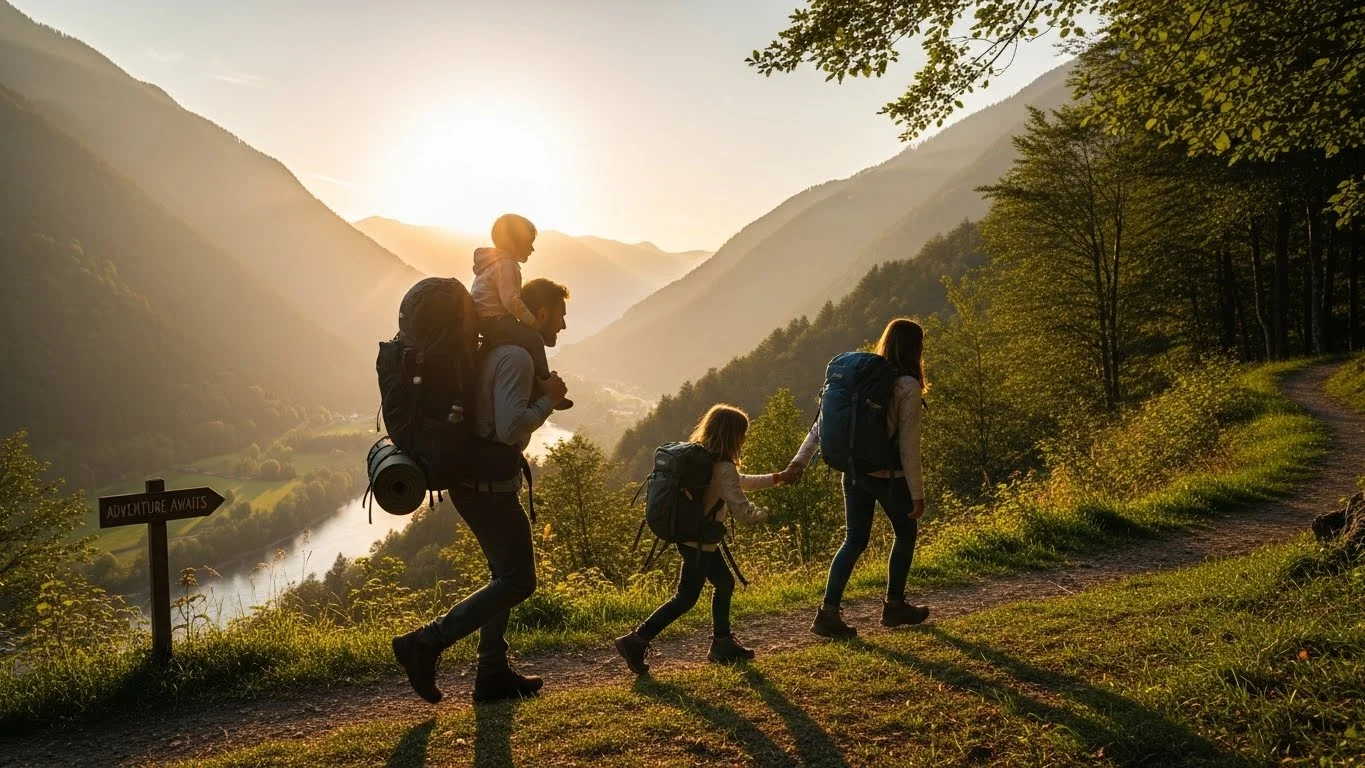
Overview of Budget-Friendly Family Backpacking
What is Backpacking?
Backpacking, in its simplest form, is traveling with just what you can carry on your back. It often involves camping, hiking, and experiencing nature up close. I remember the first time I went backpacking—it was exhilarating! We packed our essentials into sturdy backpacks and set off on an adventure where every step led us to new discoveries. It’s not just about the destination; it’s about the journey, the sights, and the experiences we share along the way.
Benefits of Backpacking with Family
Backpacking as a family can be rewarding in so many ways. First, it strengthens bonds. I’ve noticed that the challenges we face together—from setting up tents to navigating trails—bring us closer. It’s a chance to unplug from our busy lives and reconnect with one another amidst nature’s beauty. Plus, it encourages teamwork and communication. Each family member can contribute, whether it’s planning meals or picking hiking routes. And let’s not forget about the physical benefits! Hiking keeps us active and healthy, all while enjoying the great outdoors.
Budgeting for Family Trips
When it comes to planning a budget-friendly backpacking trip, having a solid plan is key. I’ve learned that setting a budget before a trip can help us make smarter choices. Start by estimating costs for transportation, food, accommodations, and activities. I often use spreadsheets to track our expenses, which keeps everything organized. For us, camping is usually the most affordable lodging option, but we also keep an eye out for family-friendly hostels if we’re exploring cities. I also recommend setting a daily spending limit to avoid overspending. Remember, it’s not just about saving money; it’s about making the most of our experiences together.
Top Budget-Friendly Destinations for Family Backpacking
National Parks
National parks are among the best places for family backpacking. They offer stunning landscapes, diverse wildlife, and countless trails that cater to all skill levels. I can’t tell you how many memories we’ve made in these beautiful parks.
Yellowstone National Park
Yellowstone is a family favorite of mine. The park is known for its geothermal features, like Old Faithful, and the wildlife is simply breathtaking. We spent hours watching bison and elk while hiking the trails. The park offers affordable camping sites, and we found that cooking our meals at the campsite was both fun and budget-friendly. Plus, the evening campfire chats under the stars? Priceless.
Yosemite National Park
Yosemite holds a special place in my heart. The towering granite cliffs, majestic waterfalls, and beautiful meadows make it a fantastic backdrop for family adventures. We’ve hiked the Mist Trail to Vernal Falls, which is a bit challenging but so worth it. The park has numerous campgrounds that are budget-friendly, and the experience of waking up to the sound of nature is unbeatable.
International Destinations
If you’re considering venturing beyond U.S. borders, there are plenty of international destinations that offer budget-friendly family backpacking opportunities.
Mexico: Exploring the Riviera Maya
The Riviera Maya is not only stunning but also budget-friendly. We spent ten days exploring ancient ruins, swimming in cenotes, and soaking up the sun on beautiful beaches. The local food is affordable and delicious—my kids loved trying tacos from street vendors. Plus, many of the natural attractions, like cenotes, have very low entrance fees.
Portugal: The Algarve Coast
Portugal has quickly become one of my favorite destinations for family travel. The Algarve Coast is known for its breathtaking cliffs and beautiful beaches. We found that accommodations can be quite reasonable, especially if you book in advance. There are plenty of affordable outdoor activities, from hiking trails to swimming in hidden coves. Visiting the local markets for fresh produce and snacks also keeps our food budget in check.
Thailand: Northern Thailand Adventures
Northern Thailand is an amazing place to explore as a family. The lush landscapes, rich culture, and affordable prices make it a backpacker’s paradise. My family and I enjoyed visiting local villages, trying street food, and even taking a cooking class together. The cost of living is low, so we were able to stretch our budget while enjoying unique experiences.
Local Hidden Gems
Sometimes, the best adventures are right in our own backyard. Exploring local hidden gems can save money and create lasting memories.
Appalachian Trail
The Appalachian Trail offers a range of backpacking opportunities. We spent a weekend on a section of the trail, soaking in the beauty of the mountains and sharing stories around the campfire. The trail is well-marked and has many accessible entry points, making it easy to tailor our trip to fit our family’s experience level.
Pacific Northwest Trails
The Pacific Northwest is another fantastic area for family backpacking. The lush forests, stunning coastlines, and mountain ranges make it a dream destination. I remember hiking along the Washington coast, where we encountered tide pools filled with starfish and other sea creatures. It was educational and fun, and we loved every moment spent together immersed in nature.
Planning Your Family Backpacking Trip
When to Go: Seasonal Considerations
Choosing the right time for our backpacking trip can make all the difference. I’ve found that each season offers its own unique charm and challenges. For instance, summer is popular for family trips, with warm weather and longer days. However, it can also mean crowded parks and higher prices. I remember one summer when we hiked at Yellowstone and had to navigate around large groups. It was bustling but still beautiful. On the other hand, early fall or late spring can be magical. The weather is often mild, and the crowds are thinner. We’ve experienced stunning fall foliage on our hikes, which added a splash of color to our adventures. Winter can also be an option for those who enjoy snow sports, but it requires different gear and preparation.
What to Pack for Family Backpacking
Packing can be daunting, especially when considering the needs of my family. I’ve learned that a well-thought-out packing list can save us from carrying unnecessary weight. We try to pack light while ensuring we have all the essentials. It’s like a game of Tetris—fitting everything we need into our backpacks! For more details on what to include, check out the Ultimate Family Packing Guide for Budget Backpacking Trips.
Clothing Essentials
When it comes to clothing, layering is key. I often remind my kids to dress in layers, as temperatures can change quickly. We usually start with moisture-wicking base layers, followed by insulating layers like fleece, and finish with waterproof jackets. I always make sure to pack a spare set of clothes, just in case. And let’s not forget about sturdy hiking boots! I learned the hard way that blisters can ruin a trip, so investing in good footwear is a must. Finally, we pack hats and gloves if we’re heading into cooler areas, as they can really help keep everyone comfortable.
Camping Gear
For camping gear, we focus on lightweight options that don’t sacrifice comfort. Our tent is spacious enough for our family but still easy to carry. I remember the first time we set it up—it took a while, but now we have it down to a science! We also bring sleeping bags rated for the season and a sleeping pad for added comfort. Cooking gear is another essential. A compact camping stove, reusable utensils, and a lightweight pot allow us to prepare meals easily. I’ve found that cooking together at the campsite can be a fun bonding experience. Plus, sharing meals outdoors adds a special touch to our adventures.
Choosing Accommodations
Making the right choice for accommodations can shape our entire trip. While camping is often our preferred option, I’ve learned that flexibility can lead to great experiences.
Campsites vs. Hostels
Campsites are usually the most budget-friendly option. I love the feeling of settling down at a campsite, surrounded by nature. We often seek out sites with amenities like restrooms and water access, which can make our stay more comfortable. I remember a campsite we stayed at near a lake—waking up to the sound of water lapping against the shore was simply magical. However, if we’re exploring a city or need a break from camping, hostels can be a great alternative. They often have family rooms and communal spaces, which allow us to meet other travelers and share stories.
Family-Friendly Lodging Options
Another option I’ve discovered is looking for family-friendly lodges or cabins. These can provide a unique experience while still being budget-conscious. Sometimes, we find deals on family suites that feel like a home away from home. I recall one trip where we stayed in a cabin nestled in the woods. The kids loved having their own space, and we enjoyed our evenings together on the porch, listening to the sounds of nature. It’s those little moments that truly make our trips memorable.
Activities for Families on a Budget
Outdoor Adventures
One of the best parts about backpacking is the variety of outdoor adventures available. My family and I always look for activities that fit our interests and budget.
Hiking Trails for All Ages
Hiking is a fantastic way to explore together, and I’ve found that there are trails for every skill level. We often choose shorter, easier trails for younger kids, which allows them to build confidence and enjoy the journey. I remember our first hike with the kids—it was a short loop, but they were so proud of themselves when we completed it! As they grew older, we gradually increased the difficulty, tackling more challenging hikes. There’s a sense of accomplishment that comes with reaching the summit together, and those shared experiences are priceless.
Water Sports and Beach Activities
When we’re near a body of water, we love to incorporate activities like kayaking, swimming, or even snorkeling. Renting gear can be an affordable option, and it often leads to unforgettable moments. I have fond memories of a beach day where we rented kayaks and explored hidden coves together. My kids laughed and splashed around, and it was heartwarming to see them so engaged. If you’re near lakes or rivers, consider fishing or paddleboarding—these activities can bring the family together while staying budget-friendly.
Cultural Experiences
In addition to outdoor adventures, we always seek cultural experiences that are often free or low-cost.
Local Festivals and Events
One of the best ways to immerse ourselves in a new place is through local festivals. I’ve noticed that many towns host events that celebrate their culture, food, and traditions. They often include free activities, like music, dance, and crafts. Attending a local festival is a fantastic way to connect with the community, and my kids love participating in fun activities. I remember stumbling upon a small town festival where we learned traditional dances and tried local delicacies, and it was definitely a highlight of our trip.
Museums with Free Admission
We also look for museums that offer free admission days or discounted rates for families. Many places have interactive exhibits that are perfect for kids. I find that learning about history or science outside of the classroom setting can be incredibly enriching. One of our favorite museum visits was to a local science center where the kids could engage with hands-on activities. It was educational and entertaining, making it a win-win for all of us.
Local Cuisine on a Budget
Street Food Options
One of my favorite parts of traveling is tasting the local cuisine, and street food is often the best way to experience it without emptying our wallets. There’s something special about enjoying a meal prepared right in front of you, often using fresh, local ingredients. I remember wandering through the streets of Mexico, where we stumbled upon a vibrant food market. The kids were thrilled to try tacos, elotes (grilled corn), and churros, all for just a few dollars. It was delicious and a fun way to immerse ourselves in the culture.
In many countries, street food is not just affordable but also a reflection of the local lifestyle. Whether it’s the banh mi in Vietnam or gelato in Italy, these meals often come with a story. I recommend asking locals for their favorite spots; they usually know the hidden gems that are not in the tourist guides. Plus, eating where the locals eat often means the food is fresher and more authentic.
Grocery Shopping Tips
When we’re backpacking, we also make a point to visit local grocery stores or markets. I find that shopping for our own meals can drastically cut costs while allowing us to experiment with the local cuisine. We typically start by creating a simple meal plan based on what’s available in the area. For example, I remember a trip to Portugal where we bought fresh bread, cheese, and local olives. We prepared a picnic lunch to enjoy at a scenic viewpoint, and it was one of the highlights of our trip.
To save even more, I recommend looking for stores with bulk sections. We often buy snacks, nuts, and grains in bulk, which can be more economical. Plus, we enjoy selecting our own mix of trail mix for our hikes! When possible, I try to find places that offer discounts or sales for families, as this can help stretch our food budget even further.
Cooking in Campsites
Cooking at campsites is another way to keep our meal costs down and have some fun together. I’ve learned that bringing a few key items makes a big difference. A lightweight camping stove, a pot, and some utensils can allow us to whip up simple yet satisfying meals. I remember one rainy evening when we cooked pasta with fresh veggies we’d bought at a local market. It was cozy, and the kids loved helping with the cooking. We even made s’mores for dessert, which became a cherished memory.
To make meal prep easier, I often plan our meals ahead of time. I create a list of simple recipes that require minimal ingredients, like stir-fries or foil packet meals. This not only saves us money but also makes cooking a fun bonding activity. I encourage my kids to take an active role in the kitchen, whether it’s chopping vegetables or stirring the pot. It’s amazing how a shared cooking experience can bring us together as a family.
Safety Tips for Family Backpacking
Staying Safe in Nature
Safety is always a top priority when we’re out backpacking. I’ve learned that being prepared can make all the difference in having a stress-free adventure. Before we head out, I make sure everyone knows the basic safety rules. We talk about staying on trails, not approaching wildlife, and the importance of keeping our campsite clean.
One thing I always carry is a first-aid kit. It might seem like overkill, but I can’t tell you how many times it has come in handy. From scrapes and cuts to insect bites, having that kit means we can handle little mishaps without a hitch. I also recommend having a map or a GPS device to ensure we always know our location, especially in unfamiliar areas.
Travel Insurance Considerations
While we hope for the best, it’s wise to prepare for the unexpected. Travel insurance has become a must-have for us. It’s a small investment that gives me peace of mind knowing that if something goes wrong—like a medical emergency or a canceled trip—we’re covered. I remember our last trip when one of my kids got sick unexpectedly. Thankfully, our insurance helped with the medical expenses, which allowed us to focus on getting back to normal instead of worrying about costs.
Emergency Preparedness
We also discuss what to do in emergencies. I find it helpful to have a plan in place, especially when hiking in remote areas. We go over protocols like staying together, signaling for help, and identifying landmarks. I encourage my kids to memorize important phone numbers and keep a whistle on them—this can be crucial if they ever get separated from the group. It’s all about making sure we feel secure and confident, allowing us to focus on enjoying our adventure together. For more safety tips, check out our article on Must-Know Travel Safety Tips for Family Backpacking Trips.
Frequently Asked Questions
What is backpacking?
Backpacking is traveling with just what you can carry on your back, often involving camping, hiking, and experiencing nature up close. It focuses on both the journey and the shared experiences along the way.
How does backpacking benefit families?
Backpacking strengthens family bonds, encourages teamwork and communication, and provides physical benefits through hiking and outdoor activities. It allows families to unplug from busy lives and reconnect with nature.
What are some tips for budgeting a family backpacking trip?
Setting a budget before a trip is crucial. Estimate costs for transportation, food, accommodations, and activities. Using spreadsheets to track expenses and setting a daily spending limit can help manage the budget effectively.
What are some budget-friendly destinations for family backpacking?
National parks like Yellowstone and Yosemite, as well as international destinations such as Mexico’s Riviera Maya, Portugal’s Algarve Coast, and Northern Thailand, offer budget-friendly family backpacking opportunities.
What should families pack for a backpacking trip?
Families should pack light, focusing on essentials like moisture-wicking base layers, insulating layers, waterproof jackets, sturdy hiking boots, a spacious yet lightweight tent, and cooking gear for campsite meals. For tips on packing light, see our guide Ultimate Guide to Packing Light for Family Trips on a Budget.
How can families choose accommodations during backpacking trips?
Campsites are usually the most budget-friendly option, but families can also consider hostels or family-friendly lodges. Flexibility in accommodations can lead to unique experiences and comfort during the trip.
What outdoor activities can families do while backpacking?
Families can enjoy hiking trails suitable for all ages, engage in water sports such as kayaking and snorkeling, and participate in cultural experiences like local festivals and museum visits with free admission.
What are some affordable food options while backpacking?
Street food is a great way to experience local cuisine affordably. Additionally, visiting grocery stores for meal preparation, cooking meals at campsites, and planning simple recipes can help keep food costs down.
What safety tips should families consider while backpacking?
Families should know basic safety rules, carry a first-aid kit, and have a map or GPS device. It’s also important to prepare for emergencies by having a plan and ensuring everyone knows emergency protocols.
Why is travel insurance important for backpacking trips?
Travel insurance provides peace of mind by covering unexpected events like medical emergencies or canceled trips, allowing families to focus on enjoying their adventure without financial worries.