
Exploring global cultural festivals is an exhilarating way to dive into diverse traditions, flavors, and celebrations. Plus, you don’t have to break the bank to enjoy these vibrant experiences! For more insights, check out Affordable Music Festivals: Your Guide to Cultural Experiences.
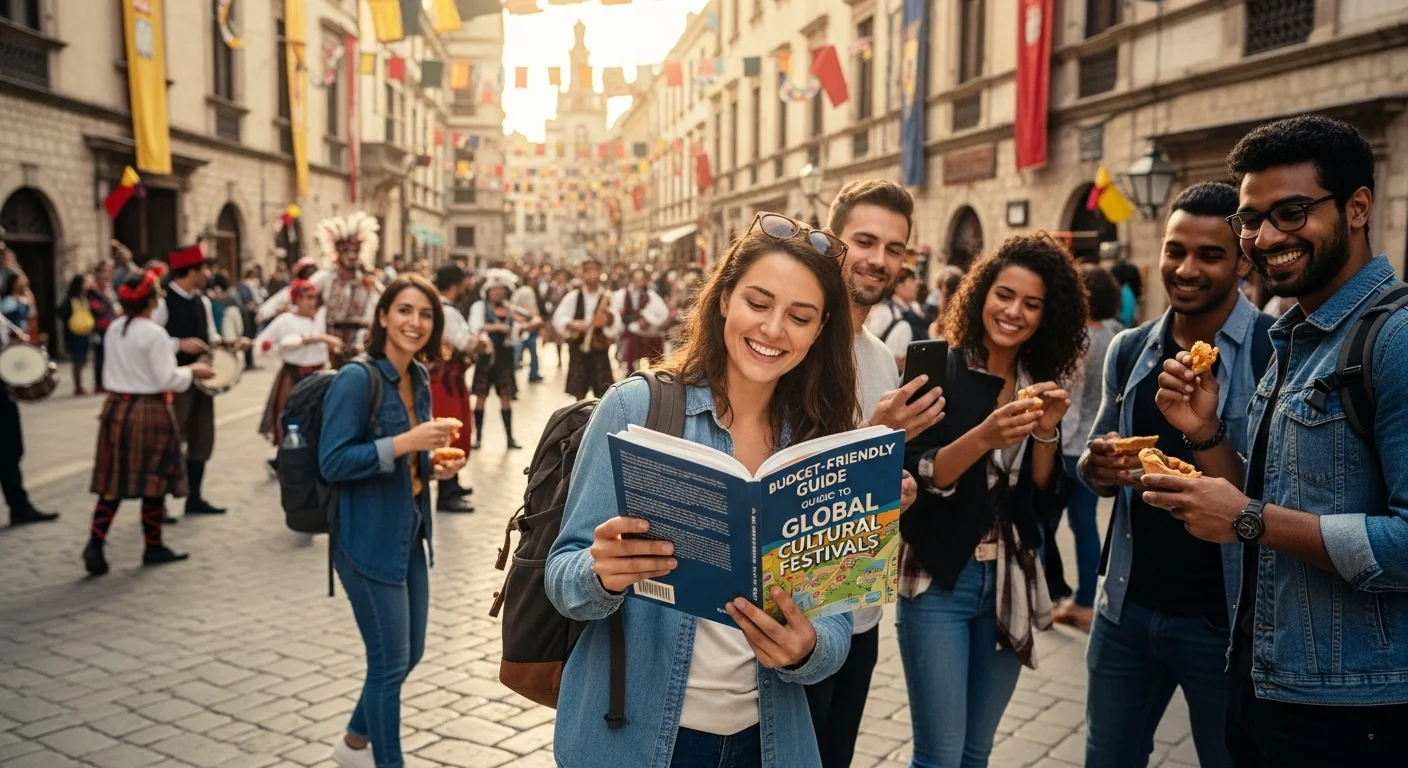
Overview of Global Cultural Festivals
Definition and Importance of Cultural Festivals
Cultural festivals are gatherings that celebrate the traditions, art, music, and food of a specific culture or community. They can range from local fairs to massive international events. I’ve always felt that these festivals provide a unique lens through which we can view the world. They allow us to connect with people, understand different customs, and appreciate the beauty of diversity.
For me, attending a cultural festival feels like stepping into a different world. You witness not just the sights and sounds, but also the stories and histories that shape a community. These gatherings often serve to preserve cultural heritage and promote understanding among different groups. I know that many festivals also focus on sustainability, encouraging us to appreciate the local environment and traditions.
Benefits of Attending Festivals
There are countless reasons to attend cultural festivals, especially if you’re on a budget. First, they often offer free or low-cost entry, making them accessible to everyone. I remember my first festival experience; I was amazed by how much I could enjoy without spending a fortune. From live music and dance performances to delicious street food, there’s always something to experience without the high price tag.
Another benefit is the opportunity to meet new people. I’ve made some great friends at festivals, bonding over our shared love for music, food, or simply the joy of being in a lively atmosphere. It’s a chance to connect with locals, understand their way of life, and even pick up a few phrases in their language. Festivals often have workshops and demonstrations, allowing you to learn something new, like traditional crafts or local cooking methods.
Moreover, cultural festivals can also be a feast for the senses. You’ll find vibrant colors, mouth-watering scents, and sounds that can make your heart race. I’ve enjoyed exploring the different culinary offerings at festivals, from spicy street tacos to sweet desserts. Often, these dishes reflect the local culture, and trying them gives you a taste of the community’s identity.
Lastly, attending festivals can be a wonderful escape from our daily routines. They provide a sense of adventure and excitement, breaking the monotony of everyday life. I believe that experiencing different cultures enriches our lives and broadens our perspectives, making us more empathetic and open-minded individuals. For more festival ideas, check out Unmissable Art and Film Festivals for Budget Travelers.
Top Budget-Friendly Cultural Festivals Around the World
La Tomatina (Spain)
One of the most famous festivals that I’ve always wanted to experience is La Tomatina in Buñol, Spain. Every year, thousands of participants gather for the world’s largest food fight, where they throw overripe tomatoes at each other. The entry fee is minimal, and it’s incredibly fun to let loose and enjoy the chaos. Plus, after the fight, you get to wash off in the nearby river, making it a refreshing experience!
Diwali (India)
In my opinion, Diwali, the Festival of Lights, is one of the most beautiful cultural festivals. Celebrated by millions across India and beyond, it involves lighting lamps, bursting fireworks, and sharing sweets. I’ve attended local Diwali celebrations, and I was captivated by the vibrant decorations and the sense of community. Many festivities are free, allowing everyone to participate in the joy of the occasion, making it budget-friendly as well.
Oktoberfest (Germany)
Oktoberfest in Munich is another festival that draws people in from all over the world. While it’s famous for its beer, the festival also offers a wealth of traditional German food, music, and fun activities. I remember wandering through the festival grounds, sampling pretzels and sausages while listening to lively folk music. Much of the festival is free to enter, and you can enjoy the atmosphere without spending too much.
Chinese New Year (China)
Celebrating Chinese New Year, or Spring Festival, can be a magical experience. I’ve seen vibrant parades with dragon dances, lantern festivals, and fireworks lighting up the night sky. Participating in local celebrations is often free, and it’s a fantastic way to immerse yourself in the rich traditions of Chinese culture. From family feasts to street fairs, there’s so much to enjoy without a hefty price tag.
Mardi Gras (USA)
Mardi Gras in New Orleans is a vibrant celebration filled with parades, music, and masquerade balls. I love how the city transforms during this time, with colorful floats and lively street performances. Many events are free to attend, making it an accessible way to experience the unique culture of New Orleans. The atmosphere is electrifying, and I felt a deep sense of community among the revelers.
Rio Carnival (Brazil)
The Rio Carnival is another festival that I dream of attending. Known for its extravagant parades and samba music, it’s one of the largest and most famous festivals in the world. While some events require tickets, there are plenty of street parties that are free to join. I believe experiencing the rhythm and energy of Brazilian culture during Carnival would be an unforgettable adventure.
When to Attend: Best Times for Festivals
Seasonal Considerations
When it comes to planning your festival adventures, timing can make all the difference. I’ve learned from experience that some festivals are tied closely to specific seasons, which can greatly enhance the experience. For instance, summer often brings a plethora of outdoor festivals, filled with music, food, and vibrant activities. I remember attending a summer arts festival where the warm weather really brought out the best in the art displays and performances.
Spring is another magical time for festivals, especially those celebrating new beginnings, like Holi in India, the festival of colors. The atmosphere is electric with joy and excitement as people throw colored powders and dance together. I found that experiencing these seasonal celebrations helped me appreciate the cycles of nature and the cultural significance behind them.
In the fall, harvest festivals are prevalent, showcasing local produce and traditions. I stumbled upon a quaint harvest festival in a small town once, and it was a delightful experience filled with pumpkin carving, apple picking, and homemade treats. Winter brings its own charm, especially with holiday festivals like Christmas markets in Europe, where the twinkling lights and festive spirit create an enchanting ambiance.
Local Climate and Weather Impacts
While considering the perfect time to attend a festival, don’t forget to check the local climate and weather conditions. I remember planning a trip to a winter festival, only to find out that a snowstorm was forecasted. Thankfully, I decided to look for alternatives and found a warm, indoor festival that turned out to be a fantastic experience! It’s crucial to keep an open mind and be flexible with your plans.
For summer festivals, I suggest packing light, breathable clothing to stay comfortable in the heat. Hydration is essential too—there’s nothing worse than feeling sluggish and missing out on the fun because of the weather. Conversely, if you’re attending a festival during cooler months, layering is your best friend. I’ve learned that being prepared for the elements can make or break your experience. I once forgot to bring a jacket to an evening festival in the fall, and I regretted it as the temperature dropped! Be sure to check the forecast before heading out.
Planning Your Trip: Budget Tips
Finding Affordable Accommodation
When it comes to traveling for festivals, one of the biggest expenses can be accommodation. I’ve found some great ways to save money while still enjoying a comfortable stay. First, consider booking your accommodation well in advance. Prices can skyrocket as the festival date approaches, and I’ve often seen better deals when I plan ahead.
Another tip is to explore alternative lodging options. Instead of a hotel, why not look into hostels, guesthouses, or even Airbnb? I remember staying in an Airbnb during a festival and having a wonderful experience. It felt more personal and often comes with the added benefit of kitchen facilities, which can save you money on meals.
Don’t forget to check for local camping options as well. Some festivals offer camping on-site or nearby, which can be a fun and adventurous way to immerse yourself in the festival atmosphere. I’ve camped at a few music festivals, and waking up to the sound of performers warming up is an unforgettable experience!
Transport Options on a Budget
Getting to the festival can also be a significant expense, but I’ve learned that there are plenty of budget-friendly transport options out there. If the festival is local, consider using public transportation. Buses and trains can be a great way to avoid parking fees and the hassle of traffic. I’ve used public transit plenty of times and met some wonderful people who were heading to the same event.
If you’re traveling further, consider carpooling or sharing rides with friends or fellow festival-goers. Not only does it cut costs, but it can also add to the fun of the journey. I once shared a ride with a couple of festival enthusiasts, and we spent the entire trip bonding over our favorite artists and music.
Dining on a Dime: Local Street Food
One of the best parts of attending a cultural festival is the food, but it can also add up quickly. I’ve discovered that seeking out local street food vendors is a fantastic way to enjoy delicious meals without emptying my wallet. Street food is often not only affordable but also gives you a taste of the local culture. At a recent festival, I tried an amazing taco from a street vendor that was both budget-friendly and packed with flavor!
While at the festival, I recommend trying to eat during off-peak hours. Lines can get long, and prices might hike during busy times. I’ve found that going for a late lunch or an early dinner can not only save me money but also allow me to enjoy the festival atmosphere more comfortably. Packing some snacks or a reusable water bottle can also help keep costs down. I’ve always felt more prepared when I have a little something on hand to keep my energy up throughout the day!
Festival Activities and Experiences
Workshops and Cultural Demonstrations
One of the most enriching aspects of attending cultural festivals is the opportunity to participate in workshops and cultural demonstrations. I remember attending a festival focused on indigenous cultures, where I joined a pottery workshop led by a local artisan. It was fascinating to learn about the traditional techniques that have been passed down through generations. Getting my hands dirty and creating something unique made me feel more connected to the culture.
Workshops often cover a wide range of activities, from dance and music to cooking and crafts. I’ve seen festivals where you can learn to make traditional dishes, like paella in Spain or dumplings in China. These experiences provide a hands-on approach to learning about different cultures, and I always walk away with new skills and a deeper appreciation for the traditions behind them. Plus, it’s a great way to meet others who share similar interests!
In my experience, cultural demonstrations can also be incredibly moving. Watching traditional dances or performances can transport you to another time and place. I once attended a festival where they showcased traditional Hawaiian hula dancing. The stories told through movement and music were so powerful, and I found myself mesmerized by the performers’ passion.
Parades and Performances
Parades are often the heart and soul of cultural festivals. I’ve always found the energy of a parade to be infectious. From colorful floats to lively marching bands, parades are a feast for the eyes and ears. I recall attending the Chinese New Year parade in my city, where the streets were filled with vibrant dragon dances and the rhythmic sounds of drums. It felt like a celebration of life and community.
Performances at festivals also showcase local talent and traditions. Whether it’s a folk music concert, a traditional theater performance, or street performers entertaining the crowd, there’s always something captivating happening. I remember catching an impromptu dance battle at a festival once—it was exhilarating to see local talent shine right in front of me!
What I love most is how these performances often invite audience participation. I once jumped into a community dance during a cultural festival in Mexico. It was a bit daunting at first, but the welcoming smiles and encouragement from others made it a memorable experience. Participating in these events can really enhance your connection to the culture.
Local Markets and Crafts
Exploring local markets at festivals is another highlight for me. These markets are treasure troves of handmade crafts, locally produced goods, and delicious food. I’ve spent hours wandering through stalls, chatting with artisans, and picking up unique souvenirs. I remember finding a beautifully crafted necklace at a market in India, made by a local artist. It became my favorite piece of jewelry, and every time I wear it, I’m reminded of the vibrant festival atmosphere.
Markets also provide a wonderful opportunity to support local economies, and I always feel good about purchasing items directly from artisans. I’ve learned that many crafts carry significant cultural meanings, and the stories behind them can be just as valuable as the items themselves. Whether it’s handwoven textiles or intricate pottery, each piece tells a story.
Food markets are equally exciting, offering a chance to taste authentic local dishes that you might not find in restaurants. I’ve enjoyed sampling everything from spicy curry to freshly made pastries, and it’s always fun to discover new flavors. Plus, there’s something special about eating where the locals eat—it’s a genuine experience that adds to the festival’s authenticity.
Safety and Etiquette at Cultural Festivals
Understanding Local Customs
As I’ve traveled to different cultural festivals, I’ve come to appreciate the importance of understanding local customs. Each culture has its own set of traditions and etiquette, and being respectful can make your experience much more enjoyable. I remember experiencing this firsthand when I attended a festival in Japan. I was a bit nervous about making a cultural faux pas, but I took some time to learn about the customs beforehand.
For example, I discovered that bowing is a common greeting, and showing respect to elders is highly valued. It was heartwarming to see how these customs fostered a sense of community. I made an effort to observe and follow the local customs, which not only helped me blend in but also allowed me to connect with the people I met. I believe that taking the time to learn about local customs shows that you value their culture and history.
Health and Safety Tips
Staying safe and healthy while enjoying a festival is crucial, and I’ve picked up a few tips along the way. First, always be mindful of your belongings. Festivals can get crowded, and it’s easy to lose track of your bag or personal items. I’ve learned to keep my valuables close and to be aware of my surroundings, which has saved me from some sticky situations.
It’s also wise to keep an eye on your hydration, especially during outdoor festivals in hot weather. I always carry a reusable water bottle to stay refreshed throughout the day. Additionally, wearing sunscreen and comfortable shoes is essential, as you’ll likely be on your feet a lot! I once made the mistake of wearing new shoes to a festival, and I regretted it by the end of the day.
Finally, be sure to have a plan for emergencies. I always familiarize myself with the festival layout, including the locations of first-aid stations and restrooms. In my experience, festivals can be overwhelming, but being prepared allows me to focus on having fun!
Frequently Asked Questions
What are cultural festivals?
Cultural festivals are gatherings that celebrate the traditions, art, music, and food of a specific culture or community. They can vary in scale from local fairs to large international events.
Why are cultural festivals important?
Cultural festivals provide a unique lens to view the world, allowing individuals to connect with others, understand different customs, and appreciate diversity. They help preserve cultural heritage and promote understanding among different groups.
What are some benefits of attending cultural festivals?
Attending cultural festivals can offer free or low-cost entry, opportunities to meet new people, a feast for the senses with diverse food and performances, and a chance to escape daily routines while experiencing different cultures.
What is La Tomatina, and where is it held?
La Tomatina is a famous festival held in Buñol, Spain, known for being the world’s largest food fight where participants throw overripe tomatoes at each other. The entry fee is minimal, making it an accessible and fun event.
What activities can I expect at cultural festivals?
Activities at cultural festivals can include workshops, cultural demonstrations, parades, performances, and local markets. These experiences allow attendees to learn traditional crafts, enjoy live entertainment, and explore handmade goods.
When is the best time to attend cultural festivals?
The best time to attend cultural festivals can depend on the season. Summer often features outdoor festivals, spring has celebrations like Holi, fall is known for harvest festivals, and winter offers holiday markets.
How can I save on accommodation while attending festivals?
To save on accommodation, consider booking in advance, exploring alternative lodging options like hostels or Airbnb, or looking for camping opportunities that some festivals offer nearby.
What are some budget-friendly transport options for getting to festivals?
Budget-friendly transport options include using public transportation for local festivals, carpooling with friends, or sharing rides with fellow festival-goers to cut costs and enhance the journey experience.
What health and safety tips should I keep in mind at festivals?
Key health and safety tips include being mindful of your belongings, staying hydrated, wearing sunscreen and comfortable shoes, and familiarizing yourself with the festival layout, including the locations of first-aid stations and restrooms.
How can I respect local customs while attending a cultural festival?
Respecting local customs can be achieved by taking the time to learn about the traditions and etiquette of the culture you are visiting, which helps create a more enjoyable experience and fosters connections with the local community.
Read Interesting article: Budget Backpacker’s Guide to Art and Film Festivals