
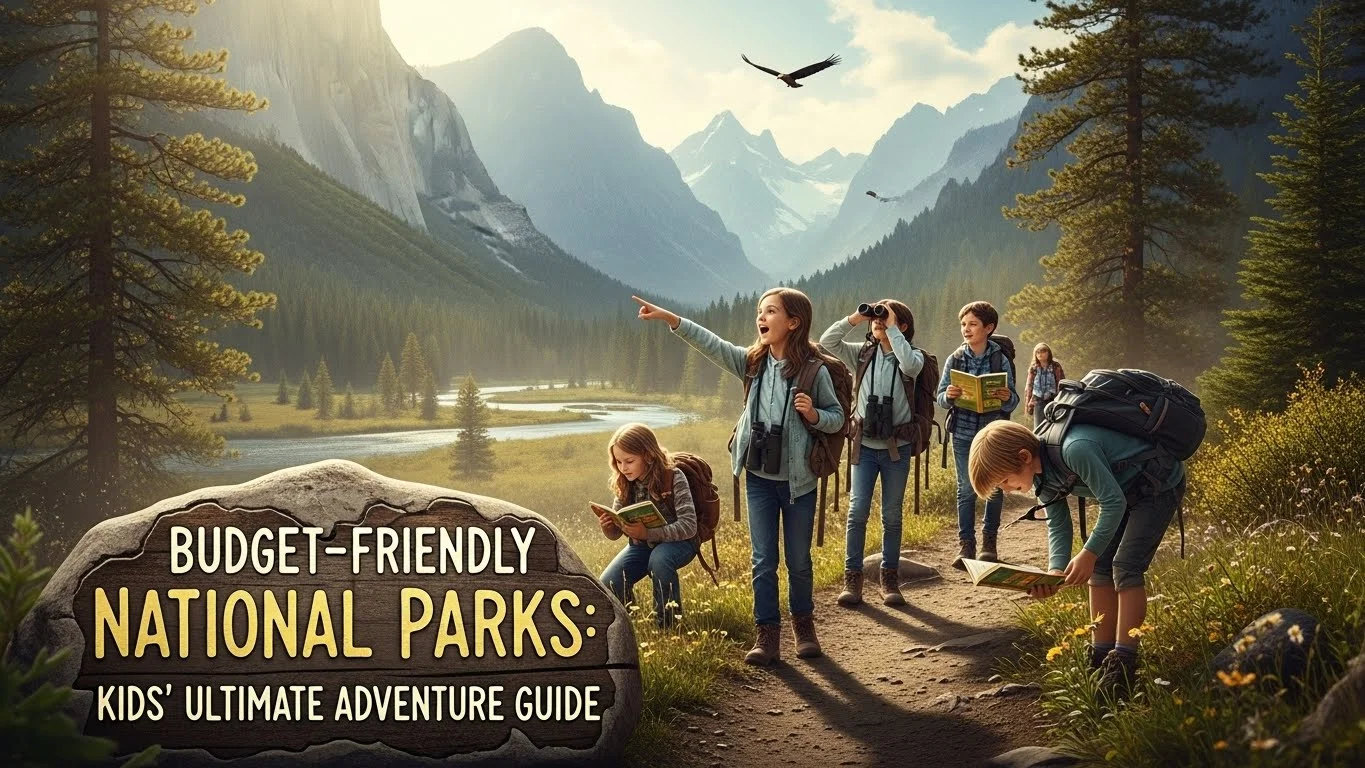
Exploring national parks can be an incredible adventure for families. With beautiful landscapes and endless activities, you can create unforgettable memories without breaking the bank. Here’s your ultimate guide to budget-friendly national parks!
Introduction to Budget-Friendly National Parks
Importance of National Parks for Families
When I think back to my childhood, some of my fondest memories are the weekends spent exploring national parks with my family. These stunning natural spaces provided us not just an escape from our everyday lives, but also a chance to bond and experience adventure together. National parks are more than just beautiful landscapes; they serve as vital spaces for families to connect with nature, discover wildlife, and share stories around a campfire. I believe that every family should have the opportunity to explore these amazing places, and the best part is, many national parks are budget-friendly! Travel on a Shoestring: Budget-Friendly Destinations to Love can provide additional insights on how to enjoy these experiences without overspending.
Benefits of Outdoor Adventures for Kids
Taking kids outside can do wonders for their development. From my experience, outdoor adventures encourage curiosity and learning. Kids are naturally inquisitive, and when they’re out in nature, they tend to ask questions about the world around them. I’ve seen my own children’s eyes light up when they spot a deer or identify a unique plant species. There’s something magical about watching them learn in a hands-on environment rather than from a textbook. Research shows that spending time outdoors can improve a child’s mood and boost their physical health. During our family hikes, I noticed how my kids would come back home with not just tired legs but also bright smiles and stories to tell. Engaging in physical activity while surrounded by stunning views is a win-win! Plus, outdoor adventures offer a break from screens and a chance to unplug, which I think is so important in today’s digital age. In my opinion, the benefits of outdoor adventures are endless. They help bolster teamwork and communication skills among family members, teaching kids how to navigate challenges together while fostering resilience and creativity. Hidden Gems: 7 Budget-Friendly Destinations You Must Visit can provide you with more ideas for fun adventures.
Top Budget-Friendly National Parks for Families
Yosemite National Park
If you’re looking for breathtaking scenery and family-friendly activities, Yosemite National Park is a must-visit. I still remember my first glimpse of El Capitan—it took my breath away! The park offers numerous trails suitable for all ages. One of my family’s favorite spots was the famous Yosemite Valley, where we enjoyed easy hikes and picnics. There are also ranger-led programs designed for children, which make learning about nature fun and interactive. I recommend visiting in the spring or fall when the crowds are smaller, and the weather is still beautiful.
Great Smoky Mountains National Park
The Great Smoky Mountains National Park is another fantastic option for families on a budget. I love how it’s free to enter! This park is perfect for hiking, and the trails range from easy walks to more challenging hikes. We spent hours exploring Cades Cove and even spotted some deer along the way. One of the highlights was the Junior Ranger program, where the kids could complete activities and earn badges. It’s a great way to keep them engaged and learning while they’re out exploring!
Yellowstone National Park
Yellowstone holds a special place in my heart. The geothermal features are like nothing I’ve ever seen, and I think every family should experience them. Watching Old Faithful erupt was a moment my kids still talk about! There are so many accessible areas for families, including boardwalks that allow you to explore safely while learning about the park’s unique ecosystems. I’ve found that visiting during the shoulder seasons—spring or fall—can help save on lodging and provide a more peaceful experience.
Joshua Tree National Park
If your family loves unique landscapes, Joshua Tree National Park is a true gem. The otherworldly Joshua trees and striking rock formations create a playground for climbing and exploring. My kids loved scrambling over boulders, and I found it to be an excellent way to burn off some energy! The park also offers family-friendly trails like Hidden Valley, which is a great introduction to the park’s stunning scenery. Since entrance fees are reasonable, it’s a budget-friendly choice for families.
Acadia National Park
Acadia National Park in Maine is a bit of a hidden treasure. The coastal views and diverse landscapes make it a fantastic spot for families. I recall biking along the carriage roads with my kids, taking in views of the ocean and beautiful mountains. The park has several easy trails perfect for families, and the visitor centers often host fun educational programs. Plus, with its relatively low entrance fee, it’s easy on the wallet!
When to Visit National Parks
Best Seasons for Family Visits
Choosing the right season for visiting national parks can truly enhance your experience. Personally, I’ve found that spring and fall are the sweet spots for family visits. During these seasons, the weather tends to be mild, and the crowds are usually less overwhelming compared to summer months. I remember visiting Yosemite in the spring when wildflowers were in bloom, creating a colorful backdrop for our hikes. The fresh air and vibrant scenery made our family adventures even more special. Similarly, fall brings the beauty of changing leaves and cooler temperatures, which is perfect for hiking without overheating. Each season has its charm, but if I had to choose, I’d recommend planning your trips during these transitional times for a more comfortable and less crowded experience.
Understanding Park Crowds and Costs
It’s important to consider not just the weather but also the park’s crowd levels and associated costs. I learned early on that visiting popular parks during peak tourist seasons can lead to long lines, packed trails, and higher accommodations costs. For example, when we decided to visit Yellowstone during the summer, we found it crowded and hard to find parking at some of the more famous sights. The entrance fees can also vary depending on the season. I suggest checking the park’s website for specific information about crowd levels and potential discounts during off-peak times. Knowing when to plan our visits really helped us maximize our fun without stretching our budget too thin! Top 10 Budget-Friendly Destinations for Thrill-Seekers may also give you great ideas for planning your trips.
Choosing Off-Peak Times for Budget Travel
Planning your visit during off-peak times can be a game-changer, especially for families on a budget. I’ve noticed that weekdays tend to be less crowded than weekends, which allows for a more peaceful exploration of the parks. We once visited Acadia National Park on a Tuesday in late September, and it felt like we had the place to ourselves! Not only did we enjoy shorter hike times, but we also found better deals on lodging. Many national parks have programs or events that run outside of peak tourist seasons, so it’s worth researching these options. In my experience, traveling during these quieter times not only saves money but also leads to more intimate experiences with nature, creating memories that last a lifetime.
Planning Your Trip: Budget Tips
Finding Affordable Accommodations
One of the biggest expenses when visiting national parks can be accommodations. I’ve discovered that there are plenty of budget-friendly options if you know where to look. Camping is a fantastic way to enjoy the great outdoors while saving money. We’ve camped in numerous parks and found it to be an incredible experience, bonding over campfires and stargazing at night. Many national parks offer campgrounds with amenities at reasonable rates, so be sure to book early, especially during peak seasons. If camping isn’t your style, consider searching for nearby motels or vacation rentals. Websites like Airbnb can provide unique and affordable options that often come with kitchen facilities, allowing us to save on meals as well!
Cost-Effective Transportation Options
Transportation costs can add up quickly, especially if you’re traveling with the whole family. I’ve learned that planning a road trip can be one of the most budget-friendly ways to get to national parks. Packing snacks and drinks helps keep our costs down while on the road. If you’re flying, look for airports that are a bit farther away from the park, as they often have cheaper flight options. From there, renting a car can be a cost-effective choice, especially if you can split the cost with friends or family traveling with you. I remember our family road trip to the Great Smoky Mountains, where we turned the drive into an adventure by exploring small towns along the way!
Meal Planning and Picnic Ideas
Eating out can drain your budget faster than you might expect during a park visit. In my family, we make it a point to plan meals ahead of time. Packing a cooler with sandwiches, fruits, and snacks allows us to enjoy picnics amidst beautiful scenery. I can’t tell you how many times we’ve set up a lunch on a scenic overlook, surrounded by stunning views. I also recommend bringing along reusable containers to pack leftovers from meals, which saves us money and reduces waste. Additionally, many parks have areas designated for picnics, making it easy to enjoy a meal outdoors without the cost of dining in a restaurant.
Free and Low-Cost Activities in the Parks
Many national parks offer a plethora of free or low-cost activities that are perfect for families. I’ve found that ranger-led programs often have no additional fees and provide tons of educational value. These programs have been a favorite for my kids, as they get to learn about the park while engaging in hands-on activities. Additionally, exploring the park’s trails and scenic drives are absolutely free and allow for unforgettable bonding experiences. I recommend checking the park’s visitor center for a calendar of events and activities happening during your visit—there’s usually something fun going on!
Must-See Attractions for Kids in National Parks
Kid-Friendly Hiking Trails
One of the best parts about visiting national parks is the variety of kid-friendly hiking trails available. I remember how my children would get so excited to tackle a new trail, often racing ahead to see what was around the next bend. For families, it’s essential to choose trails that are not too strenuous but still offer a sense of adventure. In Yosemite, the Mirror Lake Trail is a perfect example. It’s relatively flat and leads to stunning views of the reflections of the surrounding cliffs in the lake. The kids loved splashing their feet in the water and searching for fish! Another great option is the Hidden Valley Trail in Joshua Tree. It’s only about a mile long, but the rock formations make it feel like you’re in another world. We spent hours just climbing and exploring, and I felt like my kids were in a real-life playground. If you’re looking for trails that are fun and engaging for kids, I recommend checking out the park’s website or visitor center for maps and recommendations tailored to families.
Visitor Centers and Educational Programs
Visitor centers in national parks are often treasure troves of information and activities for families. I’ve noticed that many parks offer engaging educational programs that cater to children of all ages. For instance, the visitor center at Yellowstone has fantastic interactive exhibits that teach about the park’s geothermal features and wildlife. My kids loved participating in the Junior Ranger program there, which included fun activities that helped them learn while they explored the park. In Acadia National Park, we stumbled upon a ranger-led program about the local tide pools. Not only did the kids get to learn about marine life, but they also got their hands wet while exploring the tide pools! This hands-on learning experience is one of the best ways to engage kids and keep their interest piqued during the visit. I highly recommend taking advantage of these programs—they often foster a deeper appreciation for nature and the environment.
Wildlife Viewing Opportunities
Another highlight of visiting national parks is the chance to see wildlife in their natural habitats. I can’t tell you how many times my kids gasped in excitement when they spotted a deer or a bison. In Yellowstone, we had the unforgettable experience of watching a herd of bison grazing near the road, and my children were in awe. Many parks provide excellent opportunities for wildlife viewing, especially early in the morning or at dusk when animals are most active. In the Great Smoky Mountains, we often saw black bears from a safe distance, which turned into an exciting family discussion about bear safety. I recommend bringing binoculars to enhance the experience. It’s a simple but effective way to create lasting memories and foster a love for nature in kids.
Unique Geological Features and Landmarks
National parks are also home to some incredible geological features that can spark kids’ imaginations. For example, in Joshua Tree, the bizarre rock formations and iconic Joshua trees create a landscape that feels like something out of a storybook. My kids were fascinated by the shapes of the rocks and enjoyed climbing and pretending they were explorers on a treasure hunt. In Acadia, the stunning Cadillac Mountain is a must-see. It’s one of the highest points on the East Coast, and the views from the top are breathtaking. Climbing to the summit as a family was an experience we’ll always cherish. The sense of accomplishment felt after reaching the top was amazing, and we celebrated with a picnic while soaking in the views. I’ve learned that these unique landmarks provide great opportunities for exploration and education for kids, encouraging them to ask questions about the world around them.
Safety Tips for Families in National Parks
Wildlife Safety and Awareness
When venturing into national parks, safety is always a priority, especially when it comes to wildlife. I’ve had my fair share of close encounters with animals, and I’ve learned a few important rules. Always keep a safe distance—no matter how cute a bear or deer may look! The parks usually have guidelines on how far to stay from animals, and I recommend following them closely. We taught our kids about the importance of respecting wildlife and observing them quietly, which made for some great discussions about animal behavior. During one trip to Yellowstone, we spotted a moose from afar, and I remember explaining to my children why it’s crucial to give animals their space and never approach them. It’s essential to instill this respect for wildlife in kids while they’re exploring nature.
Staying Hydrated and Sun Protection
Staying hydrated is vital, especially during hot summer hikes. I always carry a refillable water bottle for each family member and encourage everyone to drink regularly, even if they don’t feel thirsty. I’ve experienced the consequences of dehydration firsthand after a long hike, and it’s not fun for anyone. Sun protection is equally important. I remember one trip where we underestimated the sun’s intensity, and my kids ended up with sunburns despite wearing sunscreen. Now, we always apply sunscreen before heading out and reapply it throughout the day. Hats and sunglasses are also great additions to our gear, ensuring we all stay protected while enjoying the great outdoors.
Emergency Preparedness for Families
Being prepared for emergencies is something I take seriously when hiking in national parks. It’s wise to always have a first-aid kit on hand, and I like to pack it with essentials like band-aids, antiseptic wipes, and any medications we might need. Before setting out on any hike, I make sure my family knows the plan and the route we’ll take. We also establish meeting points in case anyone gets separated. GPS can be unreliable in some areas, so I keep a paper map handy. I’ve found that being prepared for unexpected situations not only keeps us safe but also allows us to focus on enjoying our adventures together.
Frequently Asked Questions
What are the benefits of visiting national parks for families?
National parks provide families with beautiful landscapes to explore, opportunities to bond, discover wildlife, and engage in outdoor adventures that encourage curiosity and learning in children.
Which national parks are recommended for budget-friendly family visits?
Some top budget-friendly national parks for families include Yosemite National Park, Great Smoky Mountains National Park, Yellowstone National Park, Joshua Tree National Park, and Acadia National Park.
When is the best time to visit national parks with family?
The best seasons for family visits to national parks are spring and fall, as the weather is mild and crowds are generally smaller compared to summer months.
What are some tips for planning a budget-friendly trip to national parks?
To plan a budget-friendly trip, consider camping for accommodations, packing meals for picnics, utilizing cost-effective transportation like road trips, and visiting during off-peak times to avoid crowds and higher costs.
Are there free activities available in national parks?
Yes, many national parks offer free or low-cost activities, such as ranger-led programs, exploring trails, and scenic drives, which provide educational value and bonding experiences for families.
What should families look for in kid-friendly hiking trails?
Families should look for trails that are not too strenuous but still offer a sense of adventure. Examples include the Mirror Lake Trail in Yosemite and the Hidden Valley Trail in Joshua Tree.
How can families ensure their safety while visiting national parks?
Families can ensure their safety by maintaining a safe distance from wildlife, staying hydrated, applying sun protection, and being prepared for emergencies with a first-aid kit and a clear plan for hikes.
What are some tips for meal planning during park visits?
Meal planning tips include packing a cooler with sandwiches and snacks for picnics, using reusable containers for leftovers, and utilizing designated picnic areas in the parks to save on dining costs.
What wildlife viewing opportunities are available in national parks?
National parks provide excellent opportunities for wildlife viewing, especially during early mornings or at dusk, allowing families to see animals like deer, bison, and black bears in their natural habitats.
How can visitor centers enhance a family’s experience in national parks?
Visitor centers often offer engaging educational programs and interactive exhibits, allowing families to learn about the park’s features and wildlife while participating in fun activities, enhancing their overall experience.