
Imagine escaping the hustle and bustle of daily life, breathing in fresh air, and reconnecting with nature—all without breaking the bank. Budget-friendly nature retreats offer sustainable stays that rejuvenate us while respecting our planet.
Understanding Budget-Friendly Nature Retreats
Definition of Nature Retreats
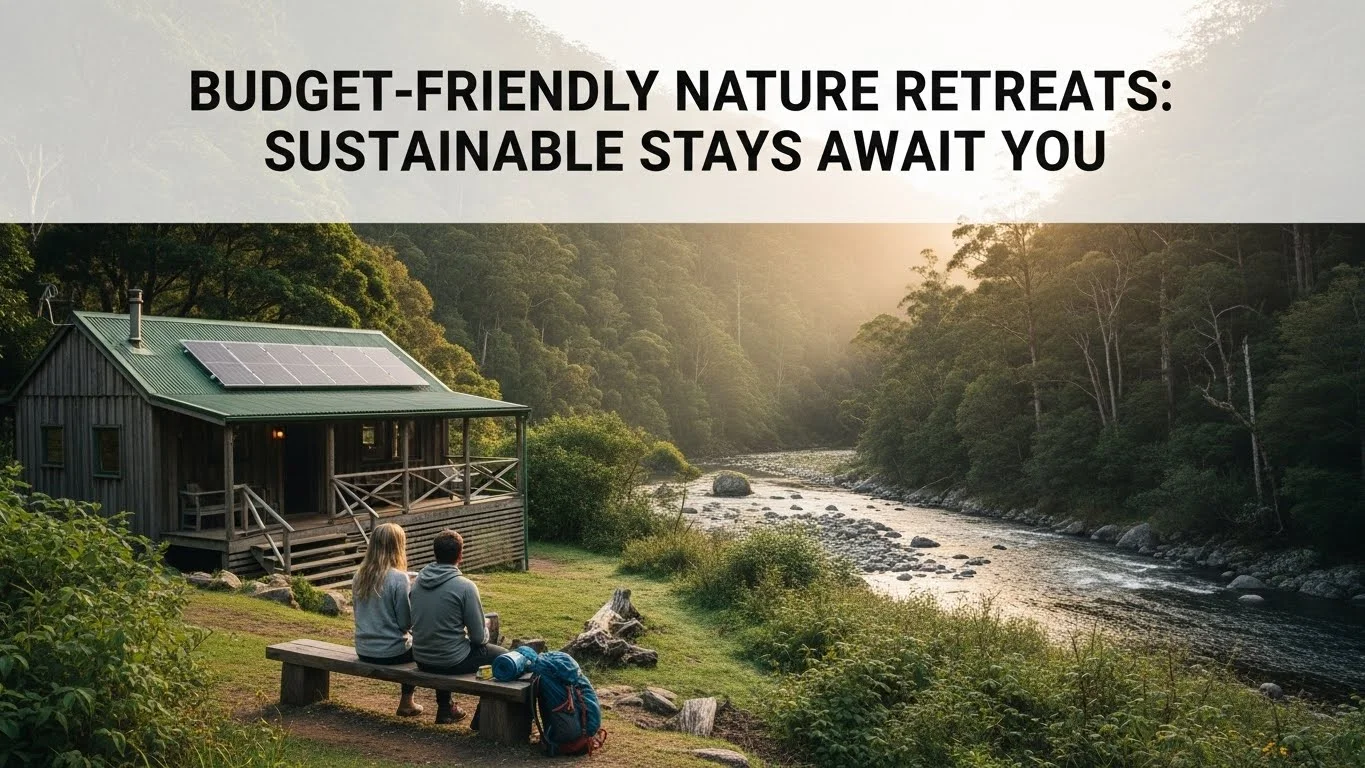
When I think of nature retreats, I picture serene landscapes, the sound of rustling leaves, and the gentle flow of a nearby stream. Nature retreats are places where we can immerse ourselves in natural surroundings, disconnect from technology, and recharge our mental batteries. These retreats can range from rustic cabins in the woods to eco-friendly lodges near national parks. They provide us with a chance to experience the beauty of the great outdoors while enjoying affordable accommodations. It’s about stepping into a world where we can find peace, reflection, and a little adventure.
Importance of Sustainability in Travel
Over the years, I’ve grown increasingly aware of how our travel habits impact the environment. I remember my first trip to a national park, filled with awe at the towering trees and breathtaking vistas—but I also learned about the importance of preserving those landscapes. Sustainable travel means making choices that minimize our carbon footprint and support local ecosystems. It’s about choosing accommodations that prioritize energy efficiency, water conservation, and local sourcing. I believe that by opting for budget-friendly nature retreats with sustainable practices, we can enjoy our adventures while caring for our planet. We get the best of both worlds: affordability and environmental responsibility.
Top Budget-Friendly Nature Retreats in the US
National Parks
National parks are often the first places that come to mind when we think of nature retreats. They offer stunning scenery, a variety of activities, and affordable lodging options. Here are two of my favorites:
Yosemite National Park
Yosemite is a treasure trove of natural beauty. From the iconic El Capitan to the magnificent Yosemite Falls, this park is a haven for outdoor enthusiasts. I’ve found that camping in Yosemite can be incredibly budget-friendly, with sites available for as low as $20 per night. You can hike, rock climb, or simply bask in the beauty of the towering granite cliffs. If camping isn’t your style, there are also affordable lodges nearby that embrace eco-friendly practices.
Great Smoky Mountains National Park
Another gem is the Great Smoky Mountains National Park, which is famous for its biodiversity and stunning fall colors. I’ve spent many weekends here hiking the trails and soaking in the breathtaking views. The park has a variety of campgrounds that offer budget-friendly options for staying overnight. Plus, the entrance to the park is free, which is a huge bonus! I recommend taking a scenic drive along Cades Cove and enjoying the wildlife—it’s an experience you won’t forget. Explore these budget-friendly weekend trips that can enhance your nature retreat.
State Parks
State parks are often overlooked but can provide just as much beauty and adventure as national parks without the crowds. Here are two state parks that I believe are worth your time:
Big Sur State Park
Big Sur is legendary for its dramatic coastline and rugged cliffs. I remember driving along the Pacific Coast Highway and being captivated by the views. There are several campgrounds available that are quite affordable, and staying here gives you direct access to hiking trails and stunning vistas. It’s a perfect spot to unplug and enjoy the sound of the waves crashing against the rocks.
Devil’s Lake State Park
In my experience, Devil’s Lake State Park in Wisconsin is a hidden gem. It offers beautiful hiking trails, stunning lake views, and ample opportunities for rock climbing. The park has well-maintained campgrounds where you can pitch a tent for a budget-friendly stay. I’ve found that the sense of community among fellow campers makes the experience even more enjoyable.
Eco-Friendly Lodges and Cabins
If camping isn’t your thing, consider staying in eco-friendly lodges or cabins. These accommodations often incorporate sustainable practices into their operations and can provide a cozy retreat in nature.
Treehouse Cabins
Staying in a treehouse cabin has been one of my favorite experiences. It feels like you’re living among the trees, surrounded by nature. Many of these cabins are designed with sustainability in mind, using recycled materials and solar power. I remember waking up to the sound of birds chirping and feeling completely at peace.
Converted Barns
Converted barns are another unique option for a nature retreat. They often feature rustic charm while promoting sustainability. I’ve stayed in a few that were transformed into beautiful lodgings, with modern amenities and a focus on eco-friendly practices. It’s a fantastic way to enjoy nature without sacrificing comfort.
Key Features of Sustainable Stays
Energy Efficiency
When I choose a place to stay during a nature retreat, energy efficiency is a significant factor for me. Many eco-friendly accommodations focus on reducing energy consumption, which is crucial for sustainability. I’ve noticed that places using solar panels or wind energy not only lower their environmental impact but also often have a unique charm. For instance, I once stayed in a lodge powered entirely by solar energy, and it felt great to know that my stay was contributing to a greener planet. The cozy ambiance created by the natural lighting added to the experience, making it feel more connected to the outdoors.
Water Conservation Practices
Water is one of our planet’s most precious resources, and during my travels, I’ve learned how important it is to stay at places that prioritize water conservation. Many sustainable lodges implement practices like low-flow showerheads and rainwater collection systems. I remember visiting a cabin that had a rainwater system for its outdoor showers. Showering under the sky, with the sound of nature around me, made it a memorable experience. I appreciate when accommodations take extra steps to ensure water is used wisely, allowing us to enjoy our time in nature without taking more than we need.
Locally Sourced Food Options
Food plays a huge role in our travel experience, and I’ve found that many budget-friendly nature retreats offer delicious meals made from locally sourced ingredients. Eating food that comes from nearby farms not only tastes better, but it also supports the local economy. I remember dining at a lodge where the chef prepared meals using fresh vegetables from the garden right outside the dining area. It felt satisfying to savor a meal that was not only healthy but also environmentally conscious. I recommend asking your accommodation about their food sourcing practices when you book your stay. Budget-friendly solo adventure travel destinations can also enhance your culinary experiences.
Waste Reduction Initiatives
Waste reduction is a topic that’s become increasingly important in my travels. Many eco-friendly lodges and cabins have adopted practices like composting, recycling, and reducing single-use plastics. During one of my stays at an eco-lodge, I was impressed to see how they encouraged guests to bring their reusable containers for snacks and drinks. It was a small change, but it made a big impact. I felt more connected to the efforts they were making to minimize waste. Before you go, consider checking if your chosen retreat has similar initiatives, as it can enhance your experience and inspire you to adopt such habits in your daily life.
Planning Your Budget-Friendly Nature Retreat
How to Choose the Right Destination
Choosing the right destination for a nature retreat can set the tone for your entire experience. I like to start by considering what activities I enjoy most. For example, if hiking is my primary focus, I might lean towards locations with a variety of trails. I’ve also learned to think about the season, as some destinations are more breathtaking during certain times of the year. I remember planning a trip to the Adirondacks in the fall, and the vibrant foliage was simply stunning. It’s essential to research the best times to visit to ensure you get the most out of your retreat.
Off-Peak Travel Tips
Traveling during off-peak times can be a game-changer for our wallets. I’ve found that visiting nature retreats outside of the busy summer season not only saves money but also allows for a more peaceful experience. For instance, I once went to a coastal retreat in late spring, and the beaches were much less crowded. Plus, the rates for accommodations were significantly lower. If you’re flexible with your schedule, consider planning your trip during weekdays or shoulder seasons to enjoy the tranquility of nature and save a bit of cash.
Finding Deals and Discounts
Everyone loves a good deal, especially when it comes to travel! I often keep an eye out for discounts on websites that specialize in eco-friendly travel. Signing up for newsletters can also provide access to exclusive deals. I remember scoring a fantastic discount for a cabin stay by simply subscribing to a lodge’s email list. Additionally, don’t overlook local tourism boards or community websites—they often feature promotions for nearby attractions and accommodations. With a little research and planning, you can uncover some hidden gems that make your budget-friendly nature retreat even more enjoyable.
Activities to Enjoy on a Nature Retreat
Hiking Trails
One of my favorite activities during any nature retreat is hiking. There’s something incredibly refreshing about hitting the trails and immersing myself in the beauty of the outdoors. Whether I’m tackling a challenging mountain path or strolling through a serene forest, the experience never ceases to rejuvenate me. I recommend checking out trail maps and local guides to find the best hikes in your area. Some trails even offer guided tours, which can enrich your understanding of the local environment.
Wildlife Watching
Wildlife watching adds a magical element to any nature retreat. I’ve spent hours sitting quietly in nature, simply waiting to catch a glimpse of animals in their natural habitat. It’s fascinating to observe their behaviors and learn about the ecosystem they belong to. I always carry a pair of binoculars with me, as they can make all the difference in spotting distant creatures. Some parks even offer programs or workshops focused on wildlife observation, which can be a great way to learn more while enjoying the great outdoors.
Outdoor Yoga and Meditation
For those looking to connect with nature on a deeper level, outdoor yoga or meditation can be incredibly rewarding. I’ve participated in yoga sessions in forest clearings, surrounded by trees and the sounds of nature. There’s just something about practicing mindfulness in such a serene setting that enhances the experience. If you’re a beginner, I recommend finding local instructors or retreat centers that offer guided sessions. It’s a beautiful way to unwind and center yourself while fully embracing the natural surroundings.
Local Flora and Fauna Exploration
Exploring the local flora and fauna can add a unique twist to your nature retreat. I’ve always been fascinated by plants and animals that I don’t encounter in my everyday life. Many parks offer educational programs or guided walks that focus on the unique species found in the area. I once joined a guided hike that focused on identifying local plants and their uses, which was both fun and informative. Bringing a field guide along can also enhance your experience, helping you learn more about the natural world around you.
Essential Packing List for Nature Retreats
Clothing for Varying Weather
When preparing for a nature retreat, I quickly learned that packing the right clothing is crucial for having a pleasant experience. Weather in nature can be unpredictable, so I always bring layers. I remember one trip where I packed a lightweight rain jacket, which saved me from getting soaked during an unexpected downpour. I generally include moisture-wicking shirts, warm fleeces, and breathable pants. A good pair of hiking boots is also a must; they provide the support I need while exploring trails. Additionally, I pack a hat and sunglasses for sunny days, as well as a beanie and gloves if I’m venturing to cooler locations. I find that being prepared for any weather allows me to fully embrace the beauty around me without worrying about discomfort.
Camping Gear vs. Cabin Essentials
Deciding between camping or staying in a cabin can influence what I pack. When I choose camping, I make sure to bring a quality tent, sleeping bag, and sleeping pad. I remember my first camping trip where I forgot a sleeping pad, and I didn’t sleep well on the hard ground! I also pack a portable stove, cooking utensils, and lightweight cookware for preparing meals. On the other hand, if I’m staying in a cabin, my packing list is a bit lighter. I usually just bring personal items like toiletries, snacks, and a few cozy blankets for added comfort. Regardless of which option I choose, I always make sure to bring a reusable water bottle to stay hydrated and help reduce plastic waste.
Eco-Friendly Toiletries
As I’ve become more mindful of my environmental impact, I’ve started bringing eco-friendly toiletries on my nature retreats. I’ve switched to biodegradable soap and shampoo, which not only helps minimize pollution but also feels better for my skin. I always carry a solid shampoo bar instead of traditional plastic bottles, and I love how compact and travel-friendly it is. Additionally, I pack a bamboo toothbrush and natural toothpaste to reduce single-use plastics. I also bring my own reusable washcloth for cleansing and a refillable container for lotion. These small changes make a significant difference, and I feel good knowing I’m being kind to the planet while taking care of myself.
Safety Considerations for Nature Retreats
Wildlife Encounters
One of the most thrilling aspects of a nature retreat is the possibility of encountering wildlife. However, I’ve learned that it’s essential to be prepared and knowledgeable about how to interact safely with animals. For instance, I remember a memorable hike when I encountered a curious deer. Instead of approaching it, I stayed calm and maintained my distance, knowing that this was the best way to respect its space. I always carry bear spray when hiking in areas known for bear activity and familiarize myself with local wildlife guidelines. Understanding animal behavior is crucial; I’ve found that knowing what to do in case of an encounter can keep both me and the animals safe.
Natural Hazards
Navigating the great outdoors comes with its share of natural hazards. I always check for any alerts or warnings related to the area I’m visiting before I go. For example, I’ve learned to be cautious of weather changes, especially in mountainous areas where conditions can shift rapidly. I always pack a first aid kit for minor injuries and know basic first aid procedures. While hiking, I take care to watch my step, as trails can be rocky or slippery. I also stay hydrated and bring extra snacks to keep my energy up. From my experience, being aware of one’s surroundings and prepared for any situation is key to a safe and enjoyable retreat.
Emergency Preparedness
Having a plan for emergencies is something I prioritize during my nature retreats. I always let someone know my itinerary and expected return time, just in case. It’s also helpful to have a charged phone or a portable charger for navigation and communication; I’ve found that some places have spotty service, so I also carry a physical map. In case of injuries or emergencies, I keep essential contact numbers handy, such as local emergency services and park rangers. I remember a time when I got lost while hiking—having a map and a fully charged phone helped me find my way back. I think being prepared not only enhances our safety but also allows us to relax and fully enjoy our time in nature.
Frequently Asked Questions
What are budget-friendly nature retreats?
Budget-friendly nature retreats are places where individuals can immerse themselves in natural surroundings, disconnect from technology, and recharge mentally, all while enjoying affordable accommodations. They include rustic cabins, eco-friendly lodges, and national parks.
Why is sustainability important in travel?
Sustainability in travel is important because it involves making choices that minimize our carbon footprint and support local ecosystems. By opting for accommodations that prioritize energy efficiency, water conservation, and local sourcing, travelers can enjoy their adventures while caring for the planet.
What are some popular budget-friendly nature retreats in the US?
Some popular budget-friendly nature retreats in the US include Yosemite National Park, known for its stunning landscapes and camping options, and Great Smoky Mountains National Park, which offers free entrance and budget-friendly campgrounds.
What types of accommodations are available at budget-friendly nature retreats?
Accommodations at budget-friendly nature retreats include camping options in national and state parks, eco-friendly lodges, treehouse cabins, and converted barns that promote sustainability while providing comfort.
What key features should I look for in sustainable stays?
Key features to look for in sustainable stays include energy efficiency (like solar or wind energy), water conservation practices (such as low-flow showers), locally sourced food options, and waste reduction initiatives like composting and recycling.
How can I choose the right destination for my nature retreat?
To choose the right destination for a nature retreat, consider the activities you enjoy (like hiking), the season and best times to visit, and research locations that offer the experiences you’re seeking.
What are some tips for traveling during off-peak times?
Traveling during off-peak times can save money and provide a more peaceful experience. Consider planning trips during weekdays or shoulder seasons, which can lead to lower accommodation rates and less crowded locations.
What activities can I enjoy during a nature retreat?
Activities to enjoy during a nature retreat include hiking trails, wildlife watching, outdoor yoga and meditation, and exploring local flora and fauna through guided walks or educational programs.
What should I pack for a nature retreat?
Essential packing items for a nature retreat include clothing for varying weather, camping gear or cabin essentials, eco-friendly toiletries, and a reusable water bottle to stay hydrated and minimize plastic waste.
How can I prepare for wildlife encounters during my retreat?
To prepare for wildlife encounters, it’s important to understand how to interact safely with animals, carry bear spray in bear-prone areas, maintain a safe distance from wildlife, and familiarize yourself with local wildlife guidelines.