
Street food is not just a meal; it’s an adventure waiting to be tasted! For backpackers, it’s a chance to explore local culture through flavors without breaking the bank. Street Food Adventures: Explore Local Flavors on a Budget can provide even more insights.
Understanding Street Food Culture
What is Street Food?
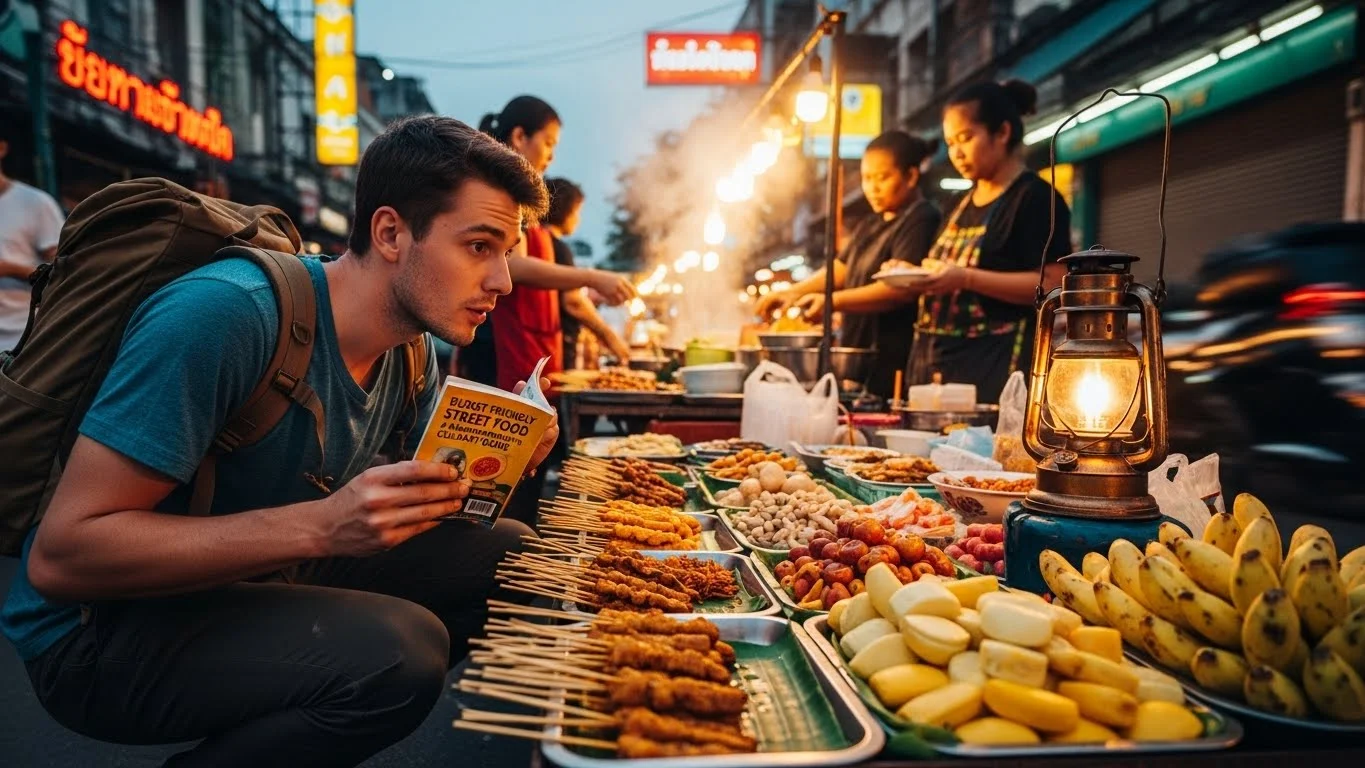
When I think of street food, I imagine bustling markets filled with the sizzling sounds of food being prepared, the vibrant colors of fresh ingredients, and the irresistible aromas wafting through the air. Street food, in its essence, refers to ready-to-eat food sold by vendors in busy public spaces. It’s typically affordable, convenient, and often embodies the culinary traditions of the area. From skewered meats in Asia to crispy pastries in Europe, there’s something uniquely satisfying about eating food prepared right in front of you. I remember my first experience with street food in Thailand, where I savored Pad Thai from a stall on a crowded street. The flavors were simply unforgettable!
Global Street Food Trends
As I traveled through different countries, I noticed that street food evolves continually, adapting to local tastes and trends. For example, vegan street food has gained popularity in many urban areas, offering plant-based versions of traditional dishes. Food trucks have also emerged as a trendy way to serve street food, providing a gourmet twist on classic dishes. I’ve tried everything from gourmet tacos to artisanal hot dogs from these modern food trucks. There’s something about the creativity involved that makes street food even more exciting! Additionally, fusion cuisine is a huge trend—combining elements from different culinary backgrounds to create something entirely new. I once had a sushi burrito, which was a delightful blend of my favorite sushi and the convenience of a burrito!
Health and Safety Considerations
While indulging in street food can be a highlight of any backpacking trip, I’ve learned the importance of being cautious about where and what I eat. It’s essential to prioritize food safety. I always look for bustling food stalls, as they often indicate freshness and popularity—if locals are eating there, it’s usually a good sign! I also pay attention to how the food is prepared. Watching vendors handle food with care and maintain cleanliness reassures me about my choices. Drinking bottled or boiled water is another tip I stick to, especially in places where tap water isn’t safe. I remember a time in India when I was cautious about food hygiene, and it paid off—I enjoyed delicious samosas without a worry!
Street food culture varies significantly around the world, and understanding the local customs can enhance your culinary adventure. In many countries, street food is more than just a meal—it’s a part of social life. In Vietnam, for instance, sitting on tiny plastic stools by the street while enjoying a bowl of pho is a rite of passage for travelers and locals alike. It’s a communal experience that I thoroughly enjoyed, as I got to chat with locals and fellow travelers, exchanging stories over delicious food.
As we explore street food further, it’s vital to recognize the role it plays in the economy and community. Many vendors are small business owners supporting their families, and by indulging in street food, we not only enjoy a tasty meal but also contribute to the livelihoods of people in the community. I often find joy in striking up conversations with vendors, learning about their stories, and appreciating the hard work they put into their food. Each dish carries a story, a piece of culture, and a whole lot of passion.
In my experience, discovering street food has been one of the most rewarding aspects of traveling. It not only satisfies my taste buds but also connects me to the heart of each place I visit. Whether you’re a seasoned backpacker or planning your first trip, embracing street food can transform your culinary journey into an unforgettable experience. For those looking for organized experiences, check out Discover the Best Street Food Tours for Budget Travelers.
Top Street Food Destinations for Backpackers
Southeast Asia
Thailand: Pad Thai and Mango Sticky Rice
Thailand is a street food paradise that I can’t recommend enough. When I think of the bustling streets of Bangkok, my mind immediately goes to Pad Thai. Watching a vendor skillfully toss noodles, shrimp, and fresh veggies in a sizzling hot wok is an experience in itself. The first time I tried it, I was amazed by the balance of flavors—sweet, salty, and a hint of sour all in one dish. And don’t even get me started on mango sticky rice! The creamy coconut milk drizzled over perfectly ripe mango and glutinous rice is an indulgence that I crave even now. It’s a simple yet heavenly treat that you can find at almost any food stall, and it’s perfect for cooling down on a hot day.
Vietnam: Pho and Banh Mi
My journey through Vietnam was incomplete without savoring a steaming bowl of pho. This aromatic noodle soup is a staple of Vietnamese cuisine and is often enjoyed for breakfast. I remember sitting on a small plastic stool at a street corner, slurping up the rich broth, fresh herbs, and soft rice noodles. It felt like a comforting hug on a chilly morning. Banh Mi, the famous Vietnamese sandwich, is another must-try. I loved how the crispy baguette was filled with savory meats, pickled vegetables, and a spread of pate. Every bite was a delightful contrast of textures and flavors, and I was grateful to find it at every corner!
South America
Mexico: Tacos and Elote
Mexico has a vibrant street food scene that I found irresistible. Tacos are everywhere, and each region has its own specialty. I remember biting into a taco al pastor, with marinated pork, pineapple, and fresh cilantro. It was a burst of flavor that I can still recall vividly. Another street food favorite is elote, or grilled corn on the cob. Slathered in mayonnaise, sprinkled with cheese, chili powder, and lime, it’s a snack that captures the essence of Mexican street food. I loved wandering through local markets, where vendors piled their carts high with fresh ingredients, creating an atmosphere full of life and flavor.
Peru: Ceviche and Anticuchos
Peru surprised me with its unique street food offerings. Ceviche, made from fresh fish cured in citrus juices and spiced with chili, is something every traveler must try. I remember enjoying it while standing by the seaside, surrounded by locals and fellow travelers alike. It was refreshing and packed with flavor! Anticuchos, grilled skewers of marinated meat, are another highlight. I had the chance to try beef heart skewers, which were surprisingly tender and delicious. Embracing local flavors has always been a joy for me, and these Peruvian dishes did not disappoint!
Europe
Italy: Arancini and Gelato
Italy is not just about pizza and pasta; the street food scene is equally delightful! I discovered arancini when I visited Sicily—these deep-fried rice balls filled with savory goodness. One bite and I was hooked! They are crispy on the outside and warm and cheesy on the inside. And let’s not forget gelato! I have fond memories of standing in long lines for a scoop (or two) of creamy gelato in various flavors, from classic chocolate to more unique options like pistachio. Enjoying gelato while strolling through cobblestone streets truly felt like a dream come true.
Germany: Currywurst and Pretzels
Germany’s street food is hearty and satisfying. Currywurst, a sausage topped with curry ketchup and served with fries, became one of my favorite snacks while wandering through Berlin. It’s simple, yet the perfect comfort food. I also couldn’t resist trying the giant pretzels, which are soft, warm, and often sprinkled with coarse salt. There’s something about grabbing a pretzel from a street vendor and munching on it while exploring the city that made me feel so connected to the local culture.
Africa
Morocco: Tagine and Harira
Morocco was an unforgettable street food destination filled with rich flavors and aromatic spices. I fell in love with tagine, a slow-cooked stew that’s often made with meats, vegetables, and fragrant spices. Eating tagine from a street vendor was a unique experience; it felt rustic and honest. Additionally, harira, a traditional soup, especially popular during Ramadan, was another comforting dish that warmed my soul. The blend of lentils, chickpeas, and herbs made it a perfect meal after a long day of exploring.
South Africa: Bunny Chow and Biltong
My time in South Africa introduced me to bunny chow, a unique street dish that consists of a hollowed-out loaf of bread filled with curry. It’s a fusion of Indian and South African cuisine that I found absolutely delicious. Each bite was flavorful and satisfying. I also tried biltong, a type of dried, cured meat that made for an excellent snack while traveling. I remember sitting in a local market, savoring the rich taste of biltong, feeling completely immersed in the culture around me.
Middle East
Lebanon: Shawarma and Falafel
Lebanon’s street food is a feast for the senses. Shawarma, thinly sliced marinated meat wrapped in pita bread with fresh vegetables and sauces, was a game changer for me. I remember the first time I tasted it—the flavors were vibrant, and it was incredibly satisfying. I also enjoyed falafel, crispy balls made from ground chickpeas, which were often served in pita with tahini sauce. Eating them straight from the fryer was a highlight of my trip!
Turkey: Simit and Doner Kebab
In Turkey, simit, a sesame-crusted bread, became my go-to snack while exploring the streets. It’s crunchy on the outside and soft on the inside, perfect for munching on the go. And of course, I couldn’t miss trying doner kebab, a dish made from meat cooked on a vertical rotisserie and served in wraps or as a plate. The combination of flavors from the spices used in the preparation was something I still reminisce about.
Budgeting for Street Food Adventures
Average Costs by Region
When it comes to street food, one of the most exciting aspects is how affordable it can be! I’ve traveled through various regions, and I’ve seen how prices can vary dramatically. In Southeast Asia, for instance, I found delicious meals for as little as a dollar or two. In Thailand, I remember indulging in a hearty meal for under $5, which is hard to beat! Moving to South America, the prices are slightly higher, but you can still enjoy a tasty taco in Mexico or a refreshing ceviche in Peru for around $3 to $7. In Europe, street food can get a bit pricier, with options ranging from $5 to $10, depending on the city. I once paid about €5 for a delicious arancini in Italy, and it was worth every penny. Meanwhile, in Africa and the Middle East, meals can cost anywhere from $2 to $8, making it quite budget-friendly as well. Overall, knowing the average costs helps me plan my spending, allowing for more tasty adventures! For more tips on affordable dining, check out Top 10 Must-Try Street Foods for Budget Travelers.
How to Stick to a Budget
Budgeting for street food can be tricky, especially when everything looks so delicious! My strategy has always been to set a daily limit. I usually allocate a specific amount for food each day, which not only keeps my finances in check but also encourages me to choose wisely. I’ve learned to prioritize meals that seem popular and are made fresh because they offer the best value for my money. Another tip is to skip the sit-down restaurants and focus more on street vendors and markets. I’ve found that the best meals often come from stalls that locals flock to. This way, I get both authentic flavors and a better deal. Lastly, I never hesitate to share dishes with fellow travelers or locals. By splitting a few items, I can sample a variety of flavors while keeping costs down!
Finding Deals and Discounts
In my experience, finding deals and discounts while exploring street food is all about being curious and open to opportunities. I often ask locals for recommendations, and they usually point me in the direction of hidden gems offering great food at lower prices. One time in Vietnam, I stumbled upon a local market where vendors offered special deals on certain days—talk about a win! I also keep an eye out for food stalls that are part of a larger festival or event, as they often have promotions. Using apps or websites dedicated to food deals can also be a great resource; I’ve found discounts or special offers that helped stretch my budget even further. Embracing a bit of spontaneity can lead to delightful surprises!
How to Choose Safe and Delicious Street Food
Identifying Clean Food Stalls
Choosing the right street food stall is crucial for both safety and taste. I always look for places that are busy, as a crowd often indicates that the food is fresh and popular. I’ve noticed that cleanliness can vary, but I tend to avoid stalls that appear messy or have poorly maintained cooking equipment. Observing how vendors handle food is also important; I feel more comfortable when I see them using gloves or tongs and keeping their area tidy. Additionally, I often check for the presence of hygiene certifications or ratings, which can help assure me of their food safety standards.
Asking Locals for Recommendations
One of my favorite parts of traveling is connecting with locals, and asking them for street food recommendations often leads to the best discoveries! I’ve found that locals know their food scene better than any travel guidebook. When I’m navigating a new city, I make it a point to strike up conversations with people—whether it’s the shopkeeper, a fellow traveler, or even someone who seems to be enjoying their meal nearby. I remember in Mexico City, a local directed me to a small taco stand that wasn’t on any tourist map, and it ended up being one of the highlights of my trip! Trusting locals not only leads to delicious food but also opens up opportunities for meaningful interactions.
Observing Popularity and Freshness
Asking locals is one way to find good street food, but I also rely heavily on my own observations. If a food stall is bustling with people, it’s usually a good sign that the food is both fresh and tasty. I like to watch what others are ordering and how quickly the food is being prepared. Fresh ingredients and a constant flow of customers often indicate that the vendor has a good reputation. I remember standing in line at a popular Vietnamese pho stall, taking in the aromatic broth and watching the chefs work quickly—my anticipation only grew as I witnessed the joy on each customer’s face as they enjoyed their meal. By paying attention to the atmosphere and the crowd, I can usually find the best spots to indulge in delicious street food.
Essential Street Food Etiquette
Respecting Local Customs
When I travel, I always try to embrace the local customs, especially when it comes to street food etiquette. I’ve learned that each culture has its own unique dining traditions, and being respectful goes a long way. For instance, in some countries, it’s considered polite to say thank you to the vendor after receiving your food, while in others, eating while walking is frowned upon. I remember in Japan, where I was encouraged to eat my food at the stall rather than on the go, which felt like a more respectful way to enjoy my meal. Understanding these customs not only enhances my experience but also shows appreciation for the culture I’m visiting.
Understanding Payment Methods
Payment methods can vary widely from place to place, and being prepared can save you from awkward situations. I always carry a mix of cash and coins, as many street vendors prefer cash transactions. In some regions, mobile payment apps have become popular, making transactions seamless. I discovered this in Thailand, where using a mobile wallet was common. Knowing the preferred payment methods can make my street food adventures much smoother. I also try to have smaller bills on hand, as it helps avoid issues with vendors not being able to provide change.
Interacting with Vendors
Engaging with street food vendors can be one of the most rewarding aspects of the experience. I find that a simple smile or greeting can lead to delightful conversations. Vendors are often eager to share their stories and the ingredients behind their dishes. I remember in India, a vendor took the time to explain how he made his samosas, and I felt a deeper appreciation for the food after hearing his passion. Being polite, asking questions, and showing genuine interest can turn a quick meal into a memorable encounter. By building these connections, I not only get to enjoy delicious food but also gain insight into the culture and stories behind each dish.
Frequently Asked Questions
What is street food?
Street food refers to ready-to-eat food sold by vendors in busy public spaces. It’s typically affordable, convenient, and embodies the culinary traditions of the area, offering a unique experience of local flavors.
What are some popular street food trends globally?
Global street food trends include the rise of vegan options, food trucks serving gourmet twists on classic dishes, and fusion cuisine that combines elements from different culinary backgrounds.
How can I ensure food safety when eating street food?
To ensure food safety, look for busy food stalls that indicate freshness, observe how the food is prepared by the vendors, and prefer drinking bottled or boiled water, especially in places where tap water isn’t safe.
What are some top street food destinations for backpackers?
Top street food destinations include Thailand for Pad Thai and mango sticky rice, Vietnam for pho and banh mi, Mexico for tacos and elote, and Italy for arancini and gelato.
How much can I expect to spend on street food in different regions?
Prices vary by region; in Southeast Asia, meals can cost as little as $1 to $2, while in Europe they can range from $5 to $10. In South America and Africa, expect to spend around $3 to $8 for tasty street food options.
What strategies can I use to stick to a budget while enjoying street food?
To stick to a budget, set a daily limit for food spending, prioritize popular fresh meals from street vendors, and consider sharing dishes with fellow travelers to sample a variety of flavors while keeping costs down.
How can I find deals and discounts on street food?
Finding deals often involves asking locals for recommendations, looking for food stalls at festivals with promotions, and using apps or websites dedicated to food deals to discover discounts.
What should I look for to identify clean food stalls?
Look for busy stalls, observe the cleanliness of the area and cooking equipment, and check for hygiene certifications or ratings to ensure the food’s safety and quality.
How important is it to interact with street food vendors?
Interacting with vendors can enrich your experience; it often leads to delightful conversations, insights into the food, and a deeper appreciation for the culture. A friendly greeting can enhance your meal experience significantly.
Why is respecting local customs important when enjoying street food?
Respecting local customs enhances the dining experience and shows appreciation for the culture. Understanding dining traditions can lead to a more authentic and enjoyable street food adventure.