
Traveling can be a wonderful adventure, but it doesn’t have to break the bank. Let’s explore budget-friendly ways to get around your travel destination without sacrificing fun or convenience. Read Interesting article: Top 10 Affordable Transportation Options for Budget Travelers
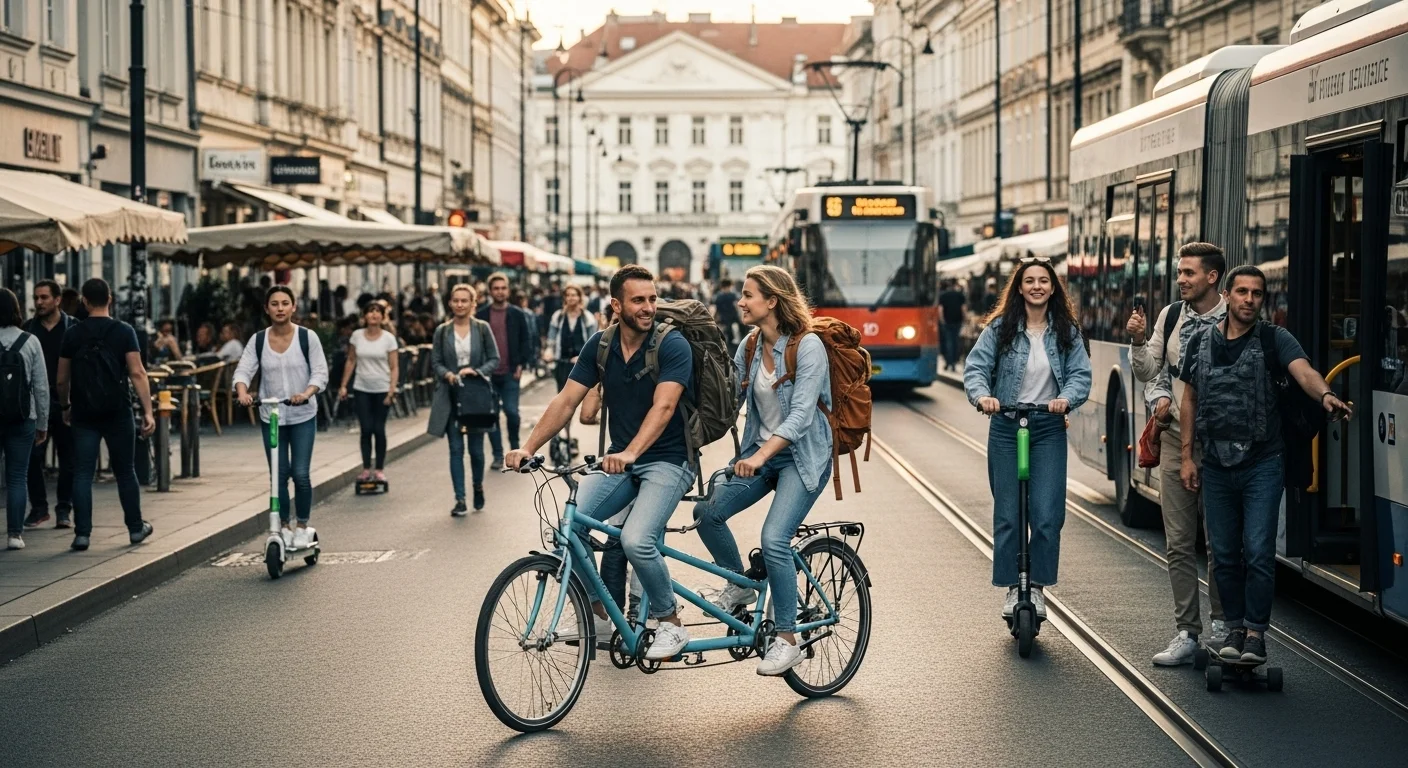
Understanding Budget-Friendly Transportation Options
When I think about traveling, one of the first things that comes to mind is how to get around my destination affordably. Over the years, I’ve learned that there are plenty of budget-friendly options that allow me to explore without spending a fortune. Let’s dive into some of the best transportation methods I’ve discovered while traveling.
Public Transport: Buses, Trains, and Subways
Public transportation is often the backbone of budget travel. I’ve found that buses, trains, and subways can get you just about anywhere you want to go in a city. For instance, on a trip to Barcelona, I relied heavily on the metro system. It was efficient, easy to navigate, and, more importantly, very affordable. A single ticket cost just a couple of euros, and I could use it for multiple stops. Many cities also offer daily or weekly passes that can save you even more if you plan on using public transport frequently.
I’ve also experienced the charm of taking local trains. In Italy, I hopped on a regional train from Florence to Pisa for a mere 8 euros. The ride was scenic, and I met some wonderful locals along the way. Plus, train stations often have connections to other destinations, which can be a great way to explore the surrounding areas without needing to rent a car. Read Interesting article: Exploring Private Jet Charter Options for Budget Travelers
Walking and Biking: Exploring on Foot or Two Wheels
One of my favorite ways to explore a new city is on foot. I remember wandering the streets of Paris, just taking in the sights and sounds. Walking allows you to discover hidden gems that you might miss if you were zipping by on a bus or subway. Plus, it’s completely free! I often download a map of the area or use a navigation app to help me find my way.
Biking is another fantastic option. In many cities, renting a bike can be super affordable. I once rented a bike in Amsterdam for a day and rode along the beautiful canals. It was an experience I’ll never forget and a great way to cover more ground than walking. Some cities even have bike-sharing programs that allow you to pick up a bike at one location and drop it off at another, making it even easier to explore.
Ridesharing Services: Affordable Alternatives
Ridesharing apps like Uber and Lyft can be a lifesaver when public transport isn’t available or convenient. I’ve used these services in cities like San Francisco and Dubai. While it might not always be the cheapest option, splitting a ride with friends or family can make it more budget-friendly. Plus, they offer the convenience of door-to-door service, which is especially helpful late at night or when you have luggage.
Always keep an eye out for promotions or discounts that ridesharing services offer. I’ve been able to save a few bucks by taking advantage of referral codes or special deals during my travels. Just be mindful of surge pricing during peak hours, as it can quickly turn a cheap ride into an expensive one!
Car Rentals: When They Make Sense
Renting a car can seem like a big expense, but sometimes it’s the most economical choice, especially for families or groups. When I traveled to the national parks in Utah, renting a car was the best decision. Public transport options in those areas were limited, and having a car allowed us to explore at our own pace. We could stop whenever we wanted to take photos or enjoy the scenery.
To save money on car rentals, I recommend booking in advance and comparing prices across different rental companies. Also, consider opting for a compact or economy car, which will be cheaper to rent and more fuel-efficient. Make sure to check for any hidden fees, and read the fine print before signing any rental agreements. Sometimes, renting from a local company instead of a big chain can also yield better deals.
All in all, understanding your transportation options can significantly affect your travel budget. By utilizing public transport, walking, biking, ridesharing, or carefully considering a car rental, you can explore your destination without burning a hole in your wallet. I’ve found that planning ahead and being flexible with my transportation choices not only saves money but also enhances my travel experience. From navigating bustling metro systems to leisurely bike rides, I’ve learned that the journey is often just as rewarding as the destination itself.
Top Budget-Friendly Transportation Tips
Using City Passes for Discounts
One of the best discoveries I’ve made while traveling is the value of city passes. Many cities offer these passes, which bundle transportation and admission to various attractions at a discounted rate. I remember when I visited San Diego, I purchased a city pass that not only provided unlimited access to the trolley system but also included entry to several popular attractions like the San Diego Zoo and Balboa Park. It felt amazing to explore without constantly worrying about ticket prices or fare costs.
When I looked into it, I found that these passes can save you money and time. They often allow you to skip lines at popular tourist spots, giving you more time to enjoy your trip. Before buying, it’s essential to do a little research to ensure the attractions included are places you genuinely want to visit. I’ve often found that mapping out my itinerary based on the pass can help maximize its value and enhance my experience.
Timing Your Travel: Off-Peak Benefits
Timing can make a huge difference in transportation costs. I’ve learned that traveling during off-peak hours not only means fewer crowds but also can lead to lower fares. For example, taking the subway during rush hour in New York City can be overwhelming, and the prices for certain services may surge. I often try to plan my outings for mid-mornings or early afternoons when I can enjoy a more relaxed atmosphere and avoid the extra costs that come during busy times.
Additionally, airlines and train services usually have off-peak pricing, which can save a significant amount of money. I remember booking an early morning flight to save some cash, and although it meant waking up at the crack of dawn, the savings were well worth it! I recommend keeping an eye on transportation schedules and being flexible with your travel times whenever possible.
Group Discounts and Family Passes
If you’re traveling with family or a group of friends, always ask about group discounts. Many transportation services offer reduced rates for larger parties. I’ve taken advantage of group discounts for train travel, where the savings added up quickly when I was traveling with a few friends. Additionally, some cities have family passes that allow families to travel together at a lower cost. This can make a big difference in your overall budget.
When we took a trip to Washington, D.C., we found that by purchasing a family pass for the Metro, we could all travel together without breaking the bank. It felt good knowing we were saving money while still enjoying our time together exploring the city. So, whenever I’m planning a trip, I always make a point to check if group rates are available!
Finding Free Transportation Options
You’d be surprised at how many cities have free transportation options available. I’ve stumbled upon free shuttle services, trams, or ferries that can take you to key attractions without costing a dime. For instance, in my experience visiting San Francisco, I discovered the historic cable cars. While they usually charge a fare, I learned that certain routes offer free rides during specific hours. It was a fun and quirky way to see the city without spending anything!
Many tourist information centers also provide maps and information on free transport options, so I always make sure to stop by when I arrive in a new city. I’ve found that talking to locals can also reveal hidden gems, like free bus services or community shuttles that operate in the area. By incorporating these free options into my travel plans, I’ve been able to stretch my budget further while enjoying all the sights and experiences a city has to offer. Read Interesting article: How to Enjoy Free Activities While Backpacking on a Budget
Overall, I’ve realized that by being strategic about transportation, we can make our travel experiences more enjoyable and affordable. From city passes to timing our travels just right, these tips have helped me create lasting memories without overspending. As we continue exploring, let’s look at some destination-specific transportation guides that can further enhance our travel adventures!
Destination-Specific Transportation Guides
Getting Around New York City on a Budget
New York City is a vibrant destination, but I know it can feel overwhelming when it comes to navigating its streets affordably. The subway system is my go-to choice. With a simple MetroCard, I can hop on any train and explore Manhattan, Brooklyn, and beyond. I remember my first trip there; I quickly learned that the subway is not only budget-friendly but also the fastest way to get around the city, especially during rush hour. I found it really helpful to download a subway map app to help me navigate the maze of lines and stops.
Another great option is the NYC Ferry, which offers stunning views of the skyline while being an economical choice. The ride from Manhattan to Brooklyn is not only scenic but costs the same as a subway fare. Plus, I’ve enjoyed walking along the waterfront parks after disembarking, which adds to the adventure. If you plan to do a lot of sightseeing, consider getting a 7-day unlimited MetroCard. It saved me from worrying about individual fares every time I jumped on a train or bus.
Affordable Travel in London: The Tube and Beyond
London is another city where I’ve found great budget transport options. The London Underground, or the Tube, is iconic, and using an Oyster card can significantly reduce travel costs. I remember my first day there; I felt like a local swiping my card at the entrance. Not only is it convenient, but it also allows you to access various attractions quickly. If you’re planning to do a lot of traveling, consider the Travelcard, which gives unlimited travel for a set number of days.
Another fantastic tip is to explore the city on the iconic red buses. They offer a great view of the city while being cheaper than the Tube. I especially loved riding the top deck of the bus for a unique perspective of landmarks like Big Ben and the Tower of London. And if the weather is nice, walking along the Thames River is a great free way to soak in the sights while getting some exercise.
Exploring Paris: Metro and Biking
Paris has a special charm, and getting around on a budget is quite easy. The Paris Metro is extensive, and I quickly learned how to navigate it. The tickets are reasonably priced, and you can buy a carnet, which is a book of ten tickets, for a discount. I found that combining metro rides with leisurely walks through neighborhoods like Montmartre and Le Marais made for a perfect day. Walking allows you to stumble upon quaint cafés or street artists, which is all part of the Parisian experience.
Biking is also a fantastic option in Paris. I remember renting a bike through the Vélib’ bike-sharing program. It was affordable and allowed me to visit places like the Eiffel Tower and the Seine River while enjoying the fresh air. Riding along the river was a highlight of my trip, and I loved feeling like a true Parisian as I zipped past the sights. Just make sure to familiarize yourself with the bike lanes and traffic rules before hitting the road!
Budget Travel in Tokyo: Subways and Trains
Tokyo is a bustling metropolis, and I’ve found that its transportation system is incredibly efficient and budget-friendly. The Tokyo subway and train networks are extensive, and for me, purchasing a prepaid Suica or Pasmo card made getting around hassle-free. I loved simply tapping my card at the gates and hopping on any train or subway line to explore different neighborhoods like Shibuya and Akihabara.
One unique experience I had was taking a ride on the Yamanote Line, which circles central Tokyo. It’s free to ride for a while if you just want to enjoy the views. I also discovered that many stations have designated areas for free Wi-Fi, which was super helpful while planning my next moves. Plus, if you’re feeling adventurous, don’t miss the chance to try the local buses, which can be a great way to see the city from a different perspective.
By using these destination-specific transportation tips, I’ve managed to stretch my budget while fully enjoying all the incredible sights and experiences each city has to offer. Traveling doesn’t have to be expensive; with a little planning and the right choices, we can make the most of our adventures without overspending.
Cost-Effective Strategies for Longer Distances
Intercity Buses vs. Trains: Pros and Cons
When I’m traveling between cities, I often find myself weighing the options between intercity buses and trains. Both have their advantages and disadvantages, and I’ve learned that the best choice really depends on my needs and preferences. For instance, intercity buses can be incredibly affordable, especially if I book in advance. I remember taking a bus from London to Edinburgh for a fraction of what a train ticket would have cost. The ride was comfortable, and I enjoyed some beautiful scenery along the way.
On the flip side, trains are usually faster and more convenient, particularly in Europe. I once took a high-speed train from Paris to Brussels, and it was such a pleasant experience. The train stations are often located right in the city center, which saves me the hassle of dealing with traffic or long transfers. However, I’ve also noticed that last-minute train tickets can be pricey, so I try to plan ahead whenever possible to snag the best deals.
Budget Airlines: Finding the Best Deals
Flying on a budget doesn’t mean I have to compromise on quality or convenience if I do my research. I’ve become quite adept at hunting for budget airlines that often offer lower fares compared to traditional carriers. Websites like Skyscanner or Google Flights are fantastic tools that help me compare prices across different airlines and dates. I once found a round-trip flight from Barcelona to Lisbon for less than $50!
However, I’ve learned to be mindful of additional fees that can sneak up on me, like baggage charges or seat selection fees. I always check the airline’s policies before booking to avoid any surprises. Additionally, I try to remain flexible with my travel dates. Flying midweek or during off-peak seasons often results in much cheaper fares. By being open with my travel plans, I can save a significant amount on flights.
Carpooling and Ride-Sharing for Longer Trips
Carpooling has become a popular option for longer trips, and I’ve found it to be a great way to save money and meet new people. There are several apps and websites that facilitate ride-sharing, allowing me to connect with other travelers heading in the same direction. I remember using a carpool service for a trip from San Francisco to Los Angeles. Not only did I save on gas, but I also had a great conversation with my fellow traveler, making the journey even more enjoyable.
Ride-sharing services can also be a budget-friendly option for longer distances, especially if I’m traveling with friends. Sharing the cost makes it more affordable, and I appreciate the convenience of being dropped off right at my destination. I always look out for deals or discounts offered by these services, as they can make a significant difference in the overall cost of my trip.
Common Challenges and Solutions
Navigating Language Barriers
Traveling to countries where I don’t speak the language can feel daunting, but I’ve found some effective strategies to navigate this challenge. First, I try to learn a few basic phrases before my trip, like “hello,” “thank you,” and “where is…?” This effort often goes a long way in connecting with locals. I also use translation apps on my phone, which have saved me countless times when I needed to ask for directions or order food. During my time in Spain, I used Google Translate to communicate with a waitress, and it made the dining experience much smoother.
Staying Safe While Using Budget Transport
Safety is always a priority when using budget transport options. I’ve learned to stay vigilant and be aware of my surroundings, especially in crowded areas or public transport. I keep my valuables close and avoid drawing attention to myself. When taking public transport, I prefer sitting near the driver or in well-lit areas. It’s also smart to let someone know my travel plans and arrival times, just to be on the safe side.
Dealing with Lost Tickets or Passes
It’s a sinking feeling when I realize I’ve lost a ticket or pass, but I’ve learned that it’s often not the end of the world. Many transportation companies have procedures in place for lost tickets, and I’ve been able to retrieve mine by providing proof of purchase, like an email confirmation. Keeping a digital copy of my tickets on my phone has saved me from potential headaches. If I’m ever in doubt, I don’t hesitate to ask the transportation staff for assistance—they’re usually quite helpful!
Resources for Planning Your Budget-Friendly Travel
Apps for Public Transport and Navigation
Having the right apps on my phone has transformed the way I navigate new cities. I rely heavily on public transport apps that provide real-time information about schedules and routes. For instance, I discovered Citymapper, which has made getting around cities like London and New York so much easier. I can plan my journey, see estimated arrival times, and even get walking directions, all in one place. I also love using Google Maps for not only navigation but also finding nearby attractions and eateries.
Websites Offering Travel Discounts and Coupons
Before booking any travel, I always check websites that specialize in discounts and deals. Sites like Groupon or Travelzoo often have great offers for attractions and transportation. I remember finding a fantastic deal on a guided city tour in Barcelona through one of these websites, which made the experience not only fun but also affordable. Signing up for newsletters from travel companies can also keep me updated on promotions and flash sales.
Local Blogs and Forums for Tips
Connecting with fellow travelers through blogs and forums has been invaluable. I often read local travel blogs that share insider tips and tricks for budget transportation in specific cities. Forums like TripAdvisor or Reddit’s travel communities can provide real-time advice and recommendations from people who have been there recently. I find that these personal experiences help me avoid tourist traps and discover local gems that I might have otherwise missed.
Final Thoughts
Traveling on a budget doesn’t mean sacrificing quality or experiences. From understanding different transportation options to utilizing various tips and resources, I’ve learned that with a little planning and creativity, we can navigate our adventures affordably. Whether it’s hopping on a train in Tokyo, exploring Paris by bike, or taking a scenic bus ride through the countryside, the journey can be just as rewarding as the destination. I hope these insights help you make the most of your travels without breaking the bank, allowing you to create wonderful memories that last a lifetime!
Frequently Asked Questions
What are some budget-friendly transportation options for travelers?
Some budget-friendly transportation options include public transport such as buses, trains, and subways, walking, biking, ridesharing services, and renting a car when necessary.
How can public transportation help save money while traveling?
Public transportation is often affordable and efficient. Many cities offer daily or weekly passes that can save you money if you plan to use public transport frequently. For example, a single metro ticket in Barcelona costs just a couple of euros.
What are the benefits of walking and biking while exploring a city?
Walking allows travelers to discover hidden gems and enjoy the sights without spending money. Biking can be an affordable option in many cities, providing a unique way to cover more ground and experience the area, often through bike-sharing programs.
How can ridesharing services be budget-friendly?
Ridesharing services like Uber and Lyft can be economical, especially when splitting the fare with friends or family. It’s also beneficial to look for promotions or discounts to save money on rides.
When does renting a car make sense for travelers?
Renting a car can be the most economical choice for families or groups, especially in areas with limited public transport. Booking in advance and comparing prices can help find the best deals.
What are city passes, and how can they help travelers save money?
City passes bundle transportation and admission to various attractions at a discounted rate, allowing travelers to save money and time by skipping lines at popular spots.
Why is timing important when it comes to transportation costs?
Traveling during off-peak hours can lead to lower fares and fewer crowds. For example, taking the subway during mid-mornings or early afternoons can save money and provide a more relaxed experience.
What should travelers consider regarding group discounts?
Travelers should always ask about group discounts when traveling with family or friends, as many transportation services offer reduced rates for larger parties, helping to save on overall travel costs.
How can travelers find free transportation options in a city?
Many cities have free transportation options like shuttle services, trams, or ferries. Tourist information centers and local tips can help uncover these free options, allowing travelers to save money.
What are some strategies for navigating language barriers while traveling?
Travelers can learn basic phrases, use translation apps to communicate, and ask for help from locals or staff when needed to navigate language barriers effectively.