
Wildlife photography can feel like an expensive endeavor, but it doesn’t have to be. As a backpacker, I’ve discovered ways to capture stunning images of wildlife without breaking the bank. Let’s explore how you can embrace this adventure!
Understanding Wildlife Photography
What is Wildlife Photography?
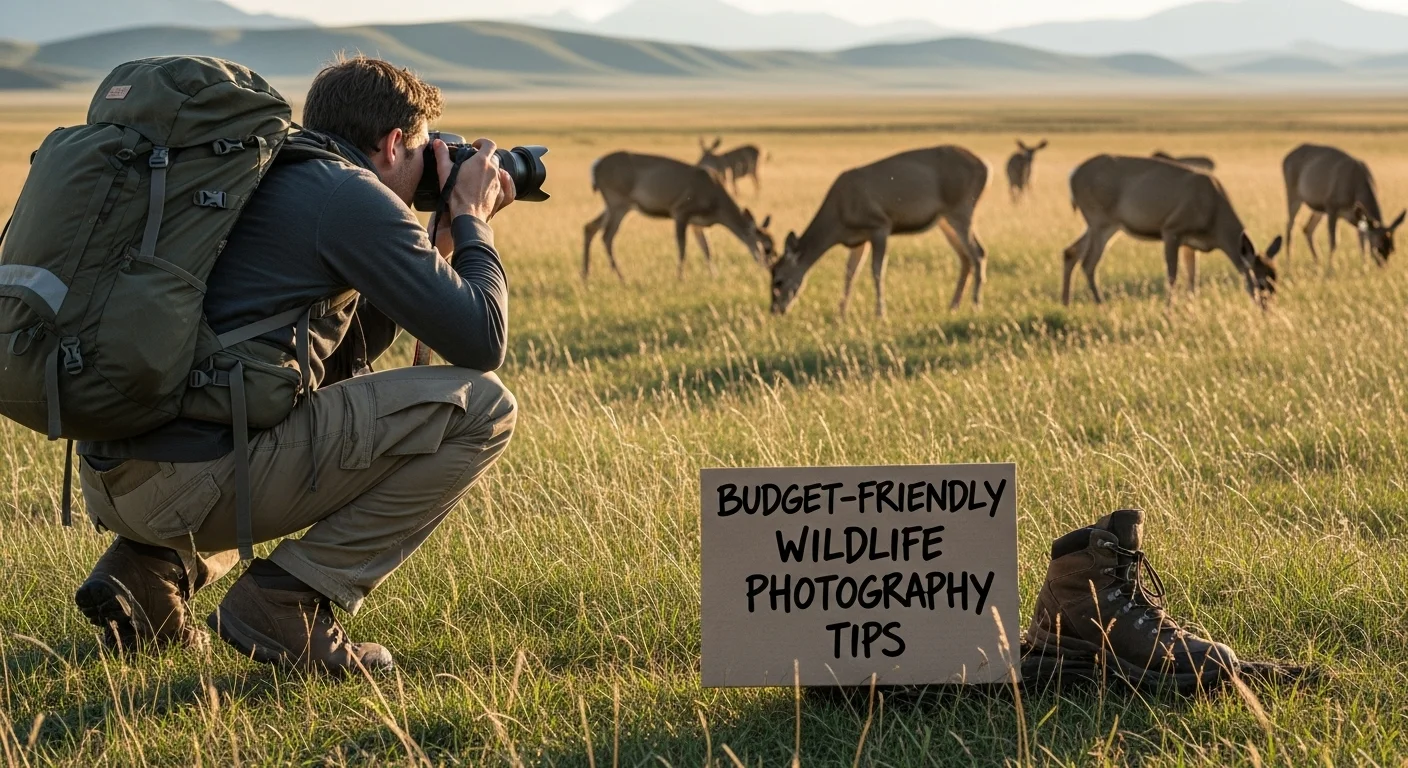
Wildlife photography is all about capturing animals in their natural habitats. This genre goes beyond just taking pictures; it’s about telling a story through your lens. I remember my first trip to a national park where I was mesmerized by the deer grazing at dawn. It wasn’t just the animals that caught my eye, but the entire ecosystem around them. Every shot I took filled me with excitement and a sense of purpose. I believe wildlife photography is about connecting with nature and appreciating its beauty, which I’ve found incredibly rewarding. For more insights, check out Essential Wildlife Photography Tips for Budget Safari Travelers.
The Importance of Ethical Wildlife Photography
As I delved deeper into wildlife photography, I realized the significance of ethical practices. It’s essential to respect the animals and their habitats. I learned never to disturb wildlife for a better shot; this means keeping a safe distance and observing their behavior. I remember a time when I spotted a mother bear with her cubs. Instead of rushing in for a close-up, I stayed back, using my zoom lens to capture the moment without intruding. Respecting wildlife not only protects the animals but also allows us to enjoy their natural behaviors. By doing so, we become better photographers and stewards of the environment.
Essential Gear for Budget Backpackers
Camera Options on a Budget
When I started out, I didn’t have the latest DSLR. Instead, I used a budget-friendly mirrorless camera that I found for a great deal. I recommend looking for options that are lightweight and versatile. Brands like Canon and Nikon have entry-level models that perform well without costing a fortune. I’ve even seen some fantastic deals on used cameras at local shops or online marketplaces. Don’t be afraid to try these options; I found my first camera by simply asking around!
Lenses for Wildlife Photography
Choosing the right lens is crucial for wildlife photography. A good zoom lens can make a world of difference. I started with a 70-300mm lens, which allowed me to capture animals from a distance without disturbing them. I’ve learned that investing in a decent lens can elevate your shots significantly. If you’re on a tight budget, consider renting lenses for specific trips. This way, you can access high-quality glass without a hefty price tag.
Accessories: Tripods, Filters, and More
While essential gear is important, don’t overlook the accessories. A sturdy tripod is a must-have for those early morning shots when the light is low. I can’t tell you how many blurry shots I’ve avoided by using one! Additionally, UV filters can protect your lens from scratches and dust, which is particularly useful when you’re out in the elements. I’ve found that carrying a small cleaning kit is also beneficial; keeping your gear clean makes a big difference in image quality.
Smartphone Photography: A Viable Alternative
If you’re really strapped for cash, don’t underestimate the power of your smartphone. I’ve captured some of my favorite wildlife shots with just my phone. Many smartphones now come equipped with impressive cameras, and there are numerous apps available that can help enhance your images. Remember to use proper techniques, like ensuring good lighting and focusing on composition. I’ve even experimented with various editing apps that are free or low-cost, allowing me to refine my photos before sharing them.
Budget-Friendly Photography Techniques
Using Natural Light to Your Advantage
One of the best things I’ve learned is to embrace natural light. I often wake up before dawn to catch those magical morning hours where the light is soft and warm. It’s a game changer! I remember hiking to a viewpoint early one morning and being rewarded with stunning golden rays illuminating the landscape, and the wildlife was just waking up, too. I’ve found that experimenting with light can add depth and emotion to my photos.
Composition Tips for Stunning Shots
Composition can elevate an ordinary shot to something spectacular. I’ve learned to use the rule of thirds, which suggests placing points of interest along the lines or intersections of a grid. This simple technique has transformed my images. I also try to incorporate leading lines and natural frames, like branches or rocks, to guide the viewer’s eye. It’s amazing how taking a moment to consider composition can lead to striking results!
Understanding Wildlife Behavior for Better Shots
Taking the time to learn about wildlife behavior has improved my photography immensely. I’ve spent hours observing animals, which has taught me when and where to find them. For instance, I noticed that foxes are most active at dawn and dusk. This knowledge has helped me plan my outings better. Understanding their habits and movements allows me to anticipate their actions and capture those spontaneous moments. Trust me, it’s worth the effort! For more tips, you can read Capture the Wild: Top Wildlife Photography Tips for Safaris.
Best Locations for Wildlife Photography on a Budget
National Parks and Reserves
National parks are often the first places that come to mind when I think about wildlife photography. I’ve been fortunate enough to visit several, and each has its unique charm and wildlife. For example, Yellowstone National Park is famous for its diverse ecosystems, where I’ve seen bison, elk, and even wolves. The best part? Many parks offer free or low-cost entry during certain seasons. I usually plan my trips around these times to save some cash. Exploring lesser-known parks can be equally rewarding; they often have fewer crowds and great opportunities for intimate wildlife photography. I once visited a smaller park where I captured incredible shots of a nesting heron without the hustle and bustle of tourists around me.
Local Wildlife Sanctuaries
Don’t overlook local wildlife sanctuaries! I discovered a nearby sanctuary that has become one of my favorite spots for photography. These places often have trails specifically designed for wildlife watching, which makes it easier to get up close without disturbing the animals. The entry fees are typically very reasonable, and your contributions help with conservation efforts. I’ve been able to photograph various species, from songbirds to deer, all in a couple of hours on a weekend morning. Plus, I’ve found that the staff are usually super knowledgeable and can point me in the direction of the best spots to capture incredible shots.
Urban Wildlife Opportunities
You might be surprised to learn that wildlife photography isn’t limited to remote locations. I’ve found that cities can have rich wildlife, too. Parks, green spaces, and even gardens are fantastic places to spot animals. For instance, I often take my camera for walks in city parks, and I’ve captured everything from squirrels to hawks in flight. I remember one afternoon in a local park where I happened upon a family of raccoons rummaging through the underbrush. It was a spontaneous moment that led to some of my favorite photos. Urban wildlife is often less skittish than their rural counterparts, making it easier to get those close-up shots. Plus, it’s a great way to explore your own city while fine-tuning your skills!
Timing Your Photography for the Best Results
Golden Hour: The Best Time for Photography
When I think about the best times for photography, the golden hour immediately springs to mind. This magical period just after sunrise or before sunset bathes everything in a warm, soft light that can make even the simplest scene look stunning. I make it a point to plan my outings around these times. I’ve had some of my most breathtaking wildlife shots during the golden hour, like a deer standing majestically against the backdrop of a rising sun. The lighting adds a touch of warmth and drama that brings my photos to life. I recommend checking the local sunrise and sunset times when planning your trips to ensure you’re ready to capture that perfect moment.
Seasonal Considerations in Wildlife Photography
Understanding the seasons can drastically improve your wildlife photography. Each season offers unique opportunities and challenges. I remember visiting a wetland in the spring, where I witnessed migratory birds returning. The vibrant colors and lively activity made for fantastic photos. In contrast, winter can offer a different beauty; snow-covered landscapes can create a magical backdrop for wildlife like foxes and owls. I’ve learned that planning my trips with the seasons in mind can help me capture those special moments that are only available at certain times of the year. So, whether it’s the lush greenery of summer or the stark beauty of winter, each season offers its own set of photographic possibilities. For expert insights, check out Expert Tips for Perfect Wildlife Photography on Safari.
Budget Travel Tips for Backpackers
Finding Affordable Accommodations
When I travel for wildlife photography, finding affordable accommodations can make a significant difference in my overall budget. I often use platforms like Airbnb or hostels, which can save me a lot compared to hotels. I’ve had great experiences staying with local hosts who can offer insider tips on good photography spots. Sometimes I even camp to save money and immerse myself in nature. There’s something magical about waking up in the wild, ready to explore and capture the day’s first light. I also recommend looking for deals on last-minute bookings or off-season rates; I’ve consistently saved money this way.
Transportation Options for Budget Travelers
Transportation can eat up a significant chunk of your budget, so I always look for ways to minimize costs. Carpooling with fellow photographers or using public transportation can be great options, especially if you’re heading to a popular national park or wildlife sanctuary. I’ve shared rides with friends and met some amazing people along the way! For road trips, I suggest planning routes that allow for stops at multiple photography locations, making the most of your time and gas. Sometimes, I even choose to bike or hike to my photography spots; it keeps me fit and provides a unique perspective on the landscape.
Eating on a Budget While Traveling
Food can also be a big expense while traveling, but I’ve learned some tricks to eat well without breaking the bank. I usually pack snacks and easy meals, like sandwiches or trail mix, to keep me fueled during long days of shooting. When I do eat out, I look for local diners or food trucks, which often offer delicious meals at a fraction of the cost of fancier restaurants. I’ve discovered some of the best local cuisines this way! Plus, if I can find a place with a view, it makes for a perfect dining experience as I reflect on the day’s photography adventures.
Post-Processing Tips on a Budget
Free Editing Software for Wildlife Photos
Once I’ve captured my wildlife shots, the fun continues with editing. I know many photographers feel overwhelmed by the thought of post-processing, but I’ve found some fantastic free software that makes it accessible and easy. One of my favorites is GIMP. It’s a powerful tool that offers many features similar to Adobe Photoshop, but without the price tag. I remember when I first started using it; I was amazed at how I could adjust colors and sharpen images to really bring out the details in my photos. Another great option is Lightroom’s mobile app, which is also free. It allows for quick edits on the go and has a user-friendly interface that I found intuitive. These tools have helped me enhance my images without spending a dime, and I think they can help you too!
Basic Editing Techniques to Enhance Your Images
In my experience, there are a few basic editing techniques that can significantly enhance wildlife photos. The first thing I often do is adjust the exposure and contrast. This can bring out the details in shadows and highlights, making the image pop. I remember a photo of an owl I took at dusk; tweaking the exposure brought out the rich browns and whites of its feathers that I hadn’t noticed before. Another technique I swear by is cropping. Sometimes, I find that a simple crop can improve the composition dramatically. It allows me to focus on the subject and eliminate distractions. I also like to play around with color balance. Adjusting the temperature can give the photo a warm or cool feel, which can be perfect for setting the mood. Lastly, sharpening the image can help make the details crisp, especially for subjects like animal fur or feathers. I’ve learned that even small adjustments can turn a good photo into a great one!
Sharing Your Wildlife Photography
Building an Online Portfolio
After putting in all that effort to capture and edit my wildlife photos, I wanted to share my work with the world. Building an online portfolio was one of the best decisions I made. I chose to create a simple website using platforms like Wix or WordPress. These services allow you to showcase your best images without needing technical skills. I remember spending hours curating my favorite shots and writing descriptions for each one. It felt rewarding to present my work in a way that reflected my personality and passion for wildlife photography. I found that having a dedicated space for my photos not only helps me track my progress but also attracts potential clients or collaborators. It’s a great way to document my journey and share my love for nature with others!
Using Social Media to Showcase Your Work
Social media has become an essential tool for photographers like me. Platforms like Instagram and Facebook allow me to reach a broader audience and connect with fellow wildlife enthusiasts. I often share my latest shots and engage with followers who share my passion. I remember posting a picture of a majestic eagle soaring through the sky, and the response was overwhelming. People loved the image, and it led to some meaningful conversations about our experiences in nature. Using relevant hashtags is key to getting noticed. I’ve learned that tagging photos with terms like #WildlifePhotography or #NatureLovers can expose my work to a wider community. Plus, I enjoy discovering other photographers’ work this way and finding inspiration for my next adventures!
Engaging with the Wildlife Photography Community
Engaging with the wildlife photography community has been one of the most rewarding aspects of my journey. I’ve joined online forums and groups where photographers share tips, critiques, and their experiences. It’s incredible to connect with people from different backgrounds who share the same passion. I remember joining a Facebook group dedicated to wildlife photography; through it, I found inspiration and learned new techniques that improved my own work. Participating in challenges and contests organized by these communities has also pushed me to step out of my comfort zone. I’ve submitted my photos to local contests and even received recognition, which boosted my confidence. I believe that being part of this community not only enhances my skills but also fosters a sense of camaraderie among nature lovers. Sharing our experiences and supporting each other makes this journey even more fulfilling!
Frequently Asked Questions
What is wildlife photography?
Wildlife photography is about capturing animals in their natural habitats and telling a story through your lens. It involves connecting with nature and appreciating its beauty, which can be incredibly rewarding.
Why is ethical wildlife photography important?
Ethical wildlife photography is important because it respects animals and their habitats. It involves observing wildlife from a safe distance without disturbing them, allowing for better photography and protection of the environment.
What type of camera is recommended for budget wildlife photographers?
A budget-friendly mirrorless camera or entry-level DSLRs from brands like Canon and Nikon are recommended for budget wildlife photographers. Used cameras can also be a good option to save money.
What lens should I use for wildlife photography?
A good zoom lens, such as a 70-300mm lens, is recommended for wildlife photography as it allows you to capture animals from a distance without disturbing them.
How can I use natural light to improve my wildlife photography?
Embracing natural light, especially during the golden hour just after sunrise or before sunset, can significantly enhance wildlife photography by providing soft and warm lighting for stunning images.
What are some budget-friendly photography techniques?
Using the rule of thirds for composition, understanding wildlife behavior to anticipate actions, and experimenting with light are all budget-friendly techniques that can enhance wildlife photography.
Where are some good locations for budget wildlife photography?
National parks and reserves, local wildlife sanctuaries, and urban parks are excellent locations for budget wildlife photography, offering diverse opportunities to capture wildlife without high costs.
How can I find affordable accommodations while traveling for wildlife photography?
You can find affordable accommodations by using platforms like Airbnb or hostels, camping, or looking for last-minute deals and off-season rates to save money while traveling.
What free editing software is recommended for wildlife photography?
GIMP and Lightroom’s mobile app are recommended as free editing software options for wildlife photographers, providing powerful features to enhance images without any cost.
How can I share my wildlife photography with others?
You can share your wildlife photography by building an online portfolio using platforms like Wix or WordPress, utilizing social media to showcase your work, and engaging with the wildlife photography community through forums and contests.